Skip to content

Dietitian's view

Give edamame well cooked and mashed. Also be careful about the risk of soy allergy.

Uzm. Dyt. Berk AysanPrepared the latest update, November 14, 2026

Lokmini is not a healthcare provider and does not offer health services. For your baby's specific needs, talk to your doctor or a dietitian.

  • Soy allergen
  • Legumes
  • 6 mo+
  • High choking risk

Edamame for babies: when to start

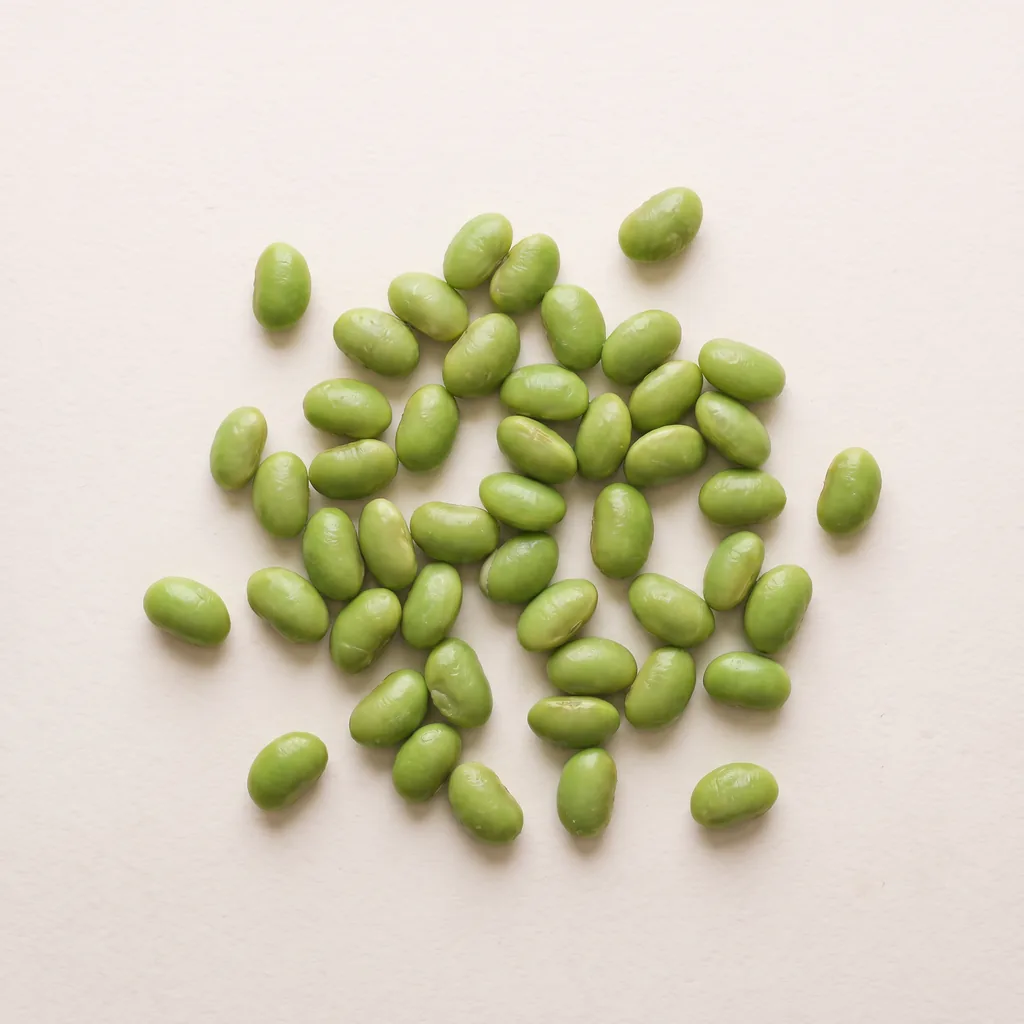
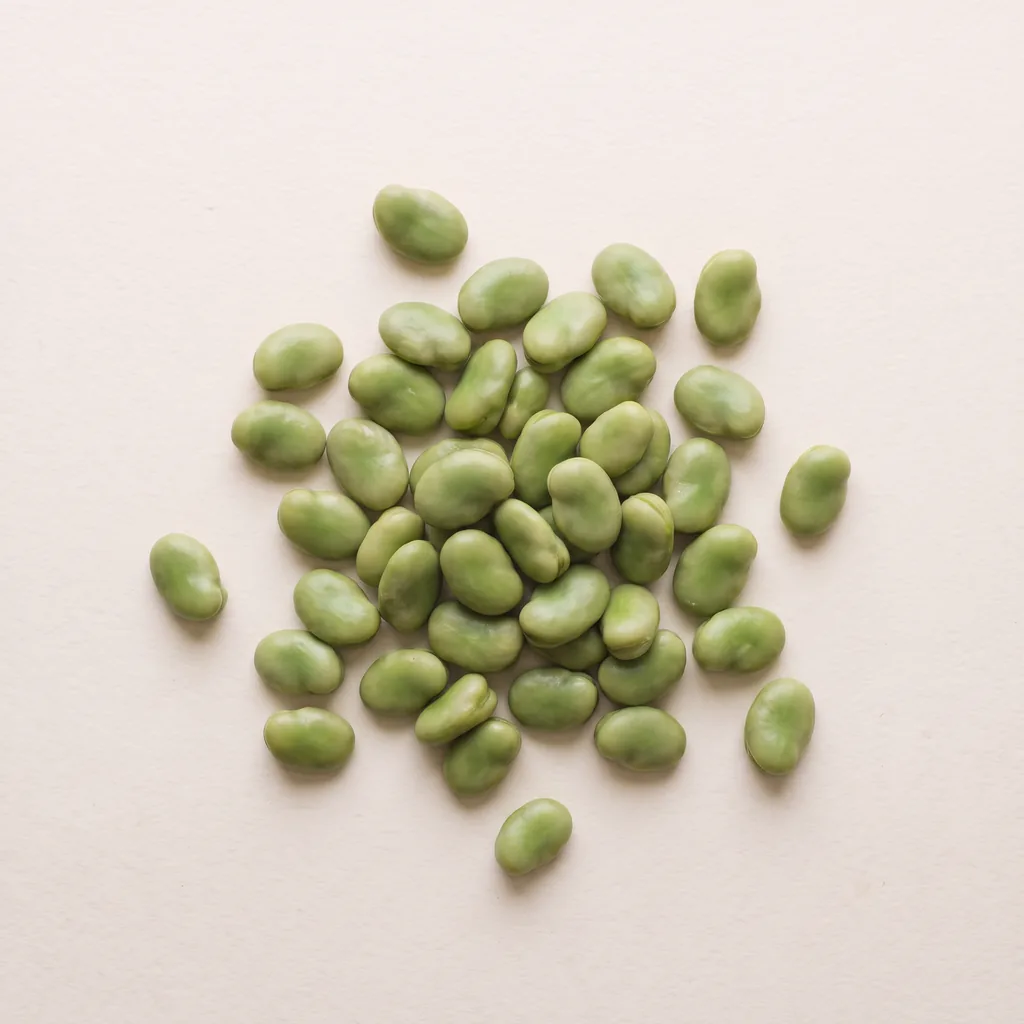
Edamame (Glycine max) is the green beans of the soybean, picked before they are ripe. It is widely eaten, especially in East Asian cuisines.

  • Plant protein
  • Folate
  • Vitamin K
  • Iron
  • Fiber
  • Choline
Edamame prepared for a babyAllergen, day 1/3

About edamame

When your baby is ready for solids, usually around 6 months, you can offer edamame fully cooked and mashed.

Edamame contains soy, a major food allergen. Whole beans can also be a choking hazard because they are round and slippery.

Nutrition

Edamame contains plant protein, fiber, and unsaturated fats. It also provides folate, vitamin K, iron, magnesium, potassium, and zinc.

Soy protein contains all the essential amino acids.

Edamame also provides a plant omega-3 fatty acid called alpha-linolenic acid (ALA). But ALA is not the same as DHA, and the body converts only a limited amount of it to DHA.

Iron absorption

The iron in edamame comes from plants, and how well it is absorbed can be affected by compounds such as phytate. Serving edamame with red bell pepper, broccoli, or other vitamin C sources prepared in a suitable texture can help iron absorption.

Also known as: edamame, soya baklası, soya fasulyesi, taze soya, yeşil soya

  • Gluten-free
  • Vegan

Edamame is offered 3 days in a row

So that any reaction can be linked to the right food, edamame is offered 3 days in a row and no other new food is tried on those days.

  1. 1/3

    First taste

    Start with a small amount in the morning or around midday. Your baby is watched closely for 5 to 10 minutes after the first bite.

  2. 2/3

    Same food, same calm

    Edamame is offered again the same way. No other new food is tried today.

  3. 3/3

    Introduction done

    If no reaction was seen, edamame is now part of your baby's meals. It keeps being offered regularly.

Emergency

If your baby has trouble breathing or swelling of the face or tongue, call 911 (or your local emergency number) right away.

About edamame allergy

FPIES warning

It is one of the known triggers of FPIES (a delayed-onset food allergy). In this condition, repeated severe vomiting, pallor and lethargy may occur, usually 1-4 hours after the food is eaten. Diarrhea may appear later. These symptoms require urgent medical evaluation.

Edamame is young soy. It contains soy proteins, and soy is a major food allergen.

A soy allergy can show up as hives, vomiting, swelling of the lips, wheezing, or trouble breathing.

In some babies, soy can also cause food protein-induced enterocolitis syndrome (FPIES). With FPIES, repeated vomiting, pale skin, and low energy can appear, usually starting 1 to 4 hours after eating. In some cases diarrhea and serious fluid loss can develop.

Some babies with cow's milk protein allergy may also have a soy allergy. But not every baby with a milk allergy needs to avoid soy.

Soy and peanut belong to the same legume family. Even so, a soy allergy does not necessarily mean a peanut allergy too.

First try

Start with a small amount of plain edamame, fully cooked and mashed.

Watch for possible allergy signs. If no problem appears, you can raise the amount gradually.

Once soy is tolerated, it can be a regular part of the diet. However, there is no firmly established number of times per week that is known to stop a soy allergy from developing.

With a soy allergy

If there is a known soy allergy, avoid edamame, tofu, tempeh, soy milk, and other foods that contain soy protein.

Highly refined soy oil and soy lecithin may contain very small amounts of protein. Whether to use them should be decided case by case with an allergist.

If your baby has a known soy allergy, or a history of reacting to soy along with a milk allergy, a doctor's assessment is recommended.

If widespread hives, swelling of the lips or tongue, wheezing, or trouble breathing develop after eating, stop giving it. If you see signs of a serious reaction, call emergency services right away. Repeated vomiting and marked low energy that start a few hours later also need urgent medical care.

The outer pod is not edible

Edamame beans sit inside a tough, fibrous outer pod. Before serving your baby, take the beans out of the pod, cook them until fully soft, and mash them well. Whole edamame beans can be a choking hazard.

How to prepare it by age

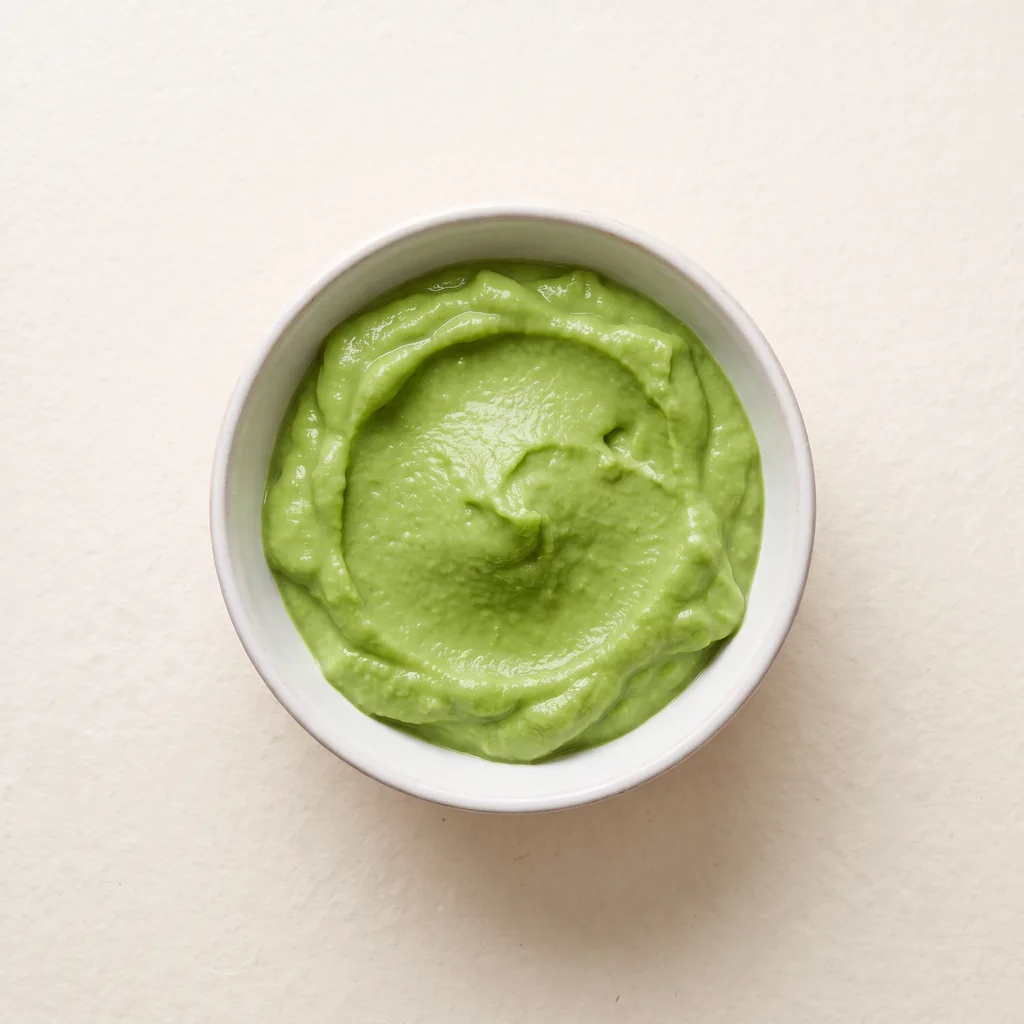
6 monthsMash

Edamame prepared for 6 months

Boil shelled frozen edamame until soft, then mash or blend until smooth. Whole beans are not served at this age. Soy is a new allergen, so give it alone for the first time, in the morning, in a small amount. You can loosen the purée with breast milk, formula, or a little olive oil, or spread it on toast strips.

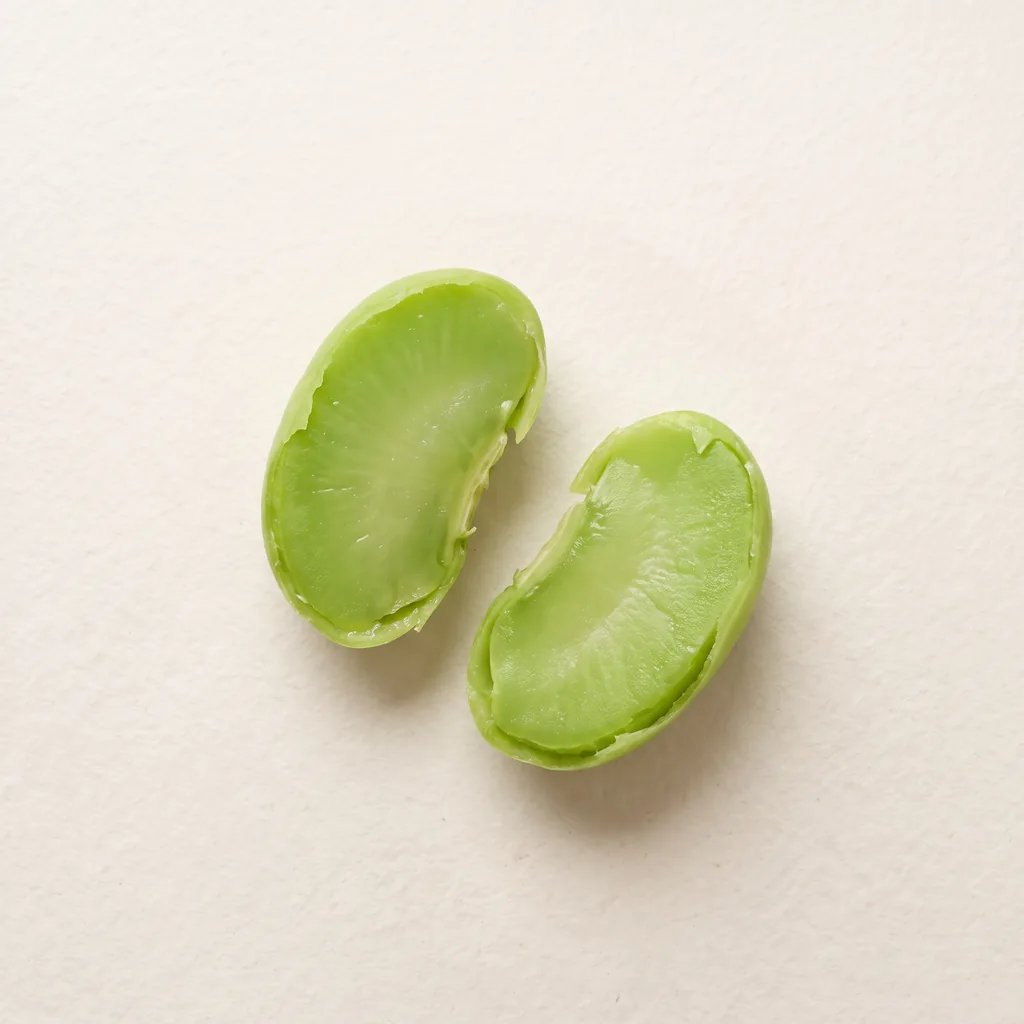
9 monthsMash or cube

Edamame prepared for 9 months

Flatten each boiled bean with a finger before serving, or mash them into rice and vegetable purées. Whole beans are not served because they are hard, small, and round.

Cut: Quartered

Take cooked beans out of the pods. Peel off the thin outer skin and cut each bean lengthwise into quarters. Place the soft pieces on the tray for baby's pincer grasp. If the skin sticks, there may be some mild gagging.

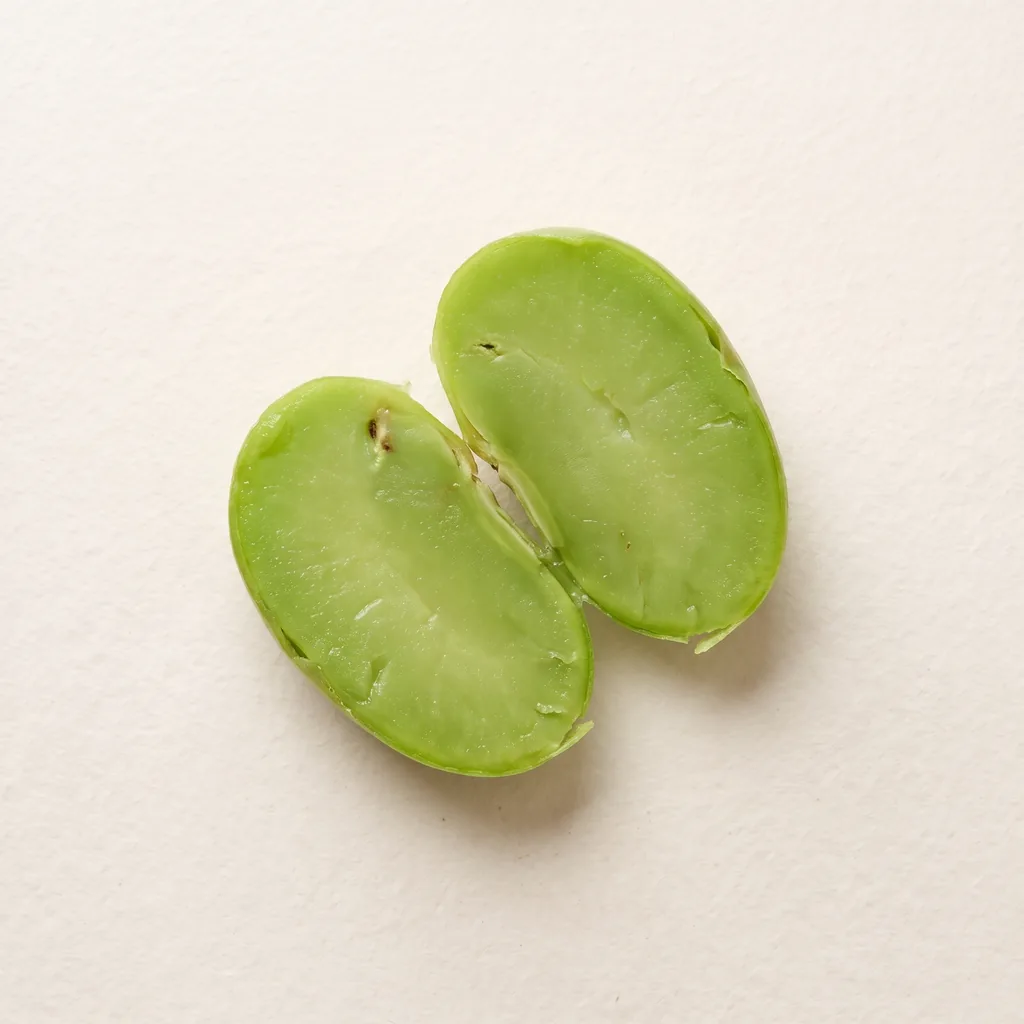
12 monthsCube

Edamame prepared for 12 months

Cut: Quartered

Serve edamame as beans cut lengthwise into quarters or flattened. Whole or halved beans are not served until age 4. Do not serve edamame in the pod.

Choking risk

  1. Low
  2. Medium
  3. High

Whole edamame beans can be a choking hazard for babies and young children because they are round, slippery, and fairly firm.

Cook edamame until fully soft, and at first serve it well mashed or pureed.

As your baby's chewing skills develop, you can flatten the beans with a fork.

Do not give whole edamame beans to young children. Reaching a certain age does not automatically make whole beans safe.

Removing the thin skin around the bean is not required. The real risk is the shape and texture of the whole bean.

Your baby should sit upright during the meal, and you should watch them the whole time.

Frequently asked questions

What age can babies eat edamame?

Edamame (Glycine max) is the green beans of the soybean, picked before they are ripe. It is widely eaten, especially in East Asian cuisines.

Is edamame a common allergen?

Edamame is young soy. It contains soy proteins, and soy is a major food allergen.

How do you prepare edamame for babies?

For a 6-month-old: Boil shelled frozen edamame until soft, then mash or blend until smooth. Whole beans are not served at this age. Soy is a new allergen, so give it alone for the first time, in the morning, in a small amount. You can loosen the purée with breast milk, formula, or a little olive oil, or spread it on toast strips.

Is edamame a choking hazard for babies?

Whole edamame beans can be a choking hazard for babies and young children because they are round, slippery, and fairly firm.

Are the phytoestrogens in soy a concern?

Soy contains plant estrogens called isoflavones (phytoestrogens). There is no convincing clinical evidence that eating soy in normal food amounts harms hormonal development in children. Long-term data are limited, though.

Should the thin skin on edamame be removed?

Not always. The thin skin of fully cooked, well-mashed edamame can be eaten too. Taking off skins that stay tough makes it easier to get a smoother texture.

Can a baby with milk allergy eat edamame?

Some babies with cow's milk allergy may also have a soy allergy. But a milk allergy does not automatically mean a soy allergy. It is best to review this with your baby's doctor based on your baby's allergy history.

Are soy oil and soy lecithin safe with soy allergy?

Highly refined soy oil and soy lecithin may contain very small amounts of allergen protein, and many people with a soy allergy tolerate them. But if your baby has a known soy allergy, review their use with an allergist.
Share:WhatsApp

Want to add this food to your baby's solid food calendar?

Join Lokmini to learn how this food is served at each age and to keep track of every food your baby tries.

Join Lokmini

Starting Solids

When and how to start solids, and what happens in the first week?

Read the guide

Similar foods

Let's get ready for the first bite together

Lokmini builds a day-by-day plan for your baby's age. Leave your email for new guides and our newsletter.

Start Your Journey