6 monthsMash
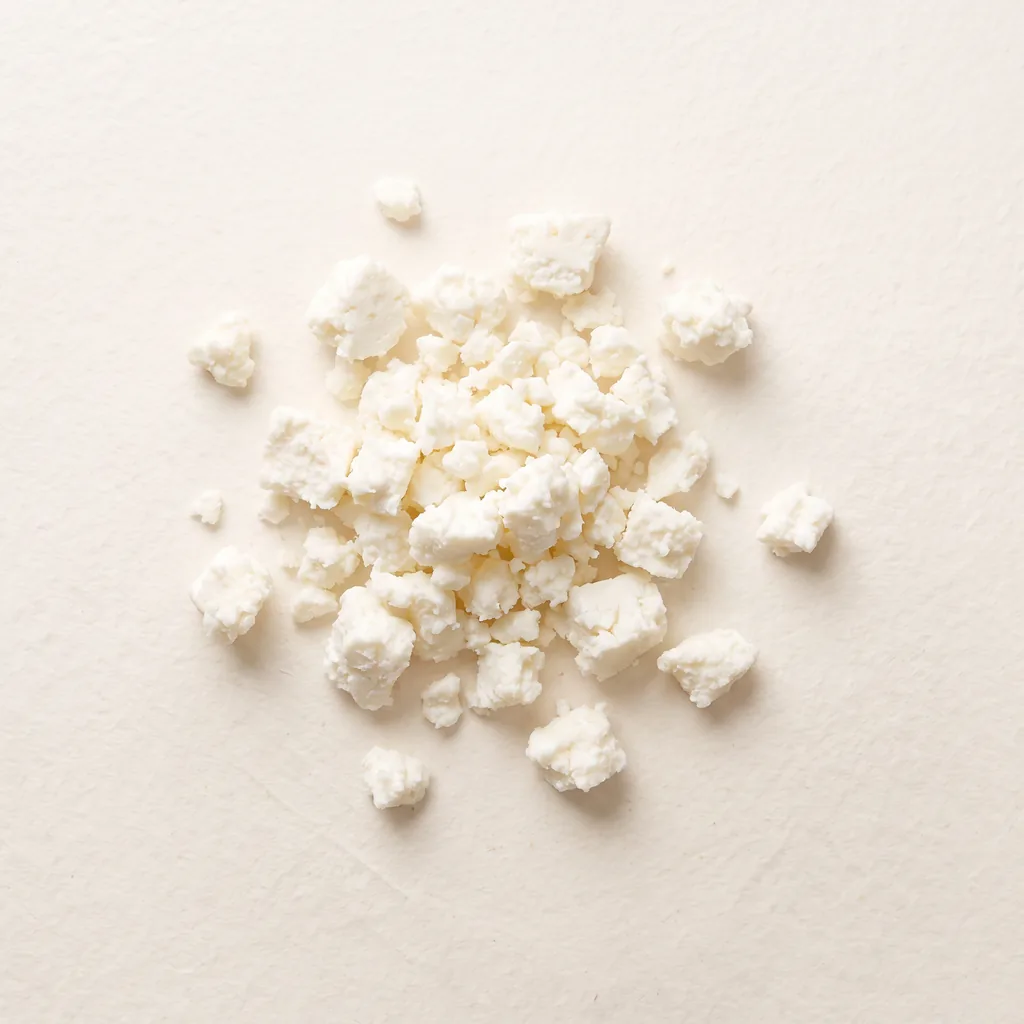
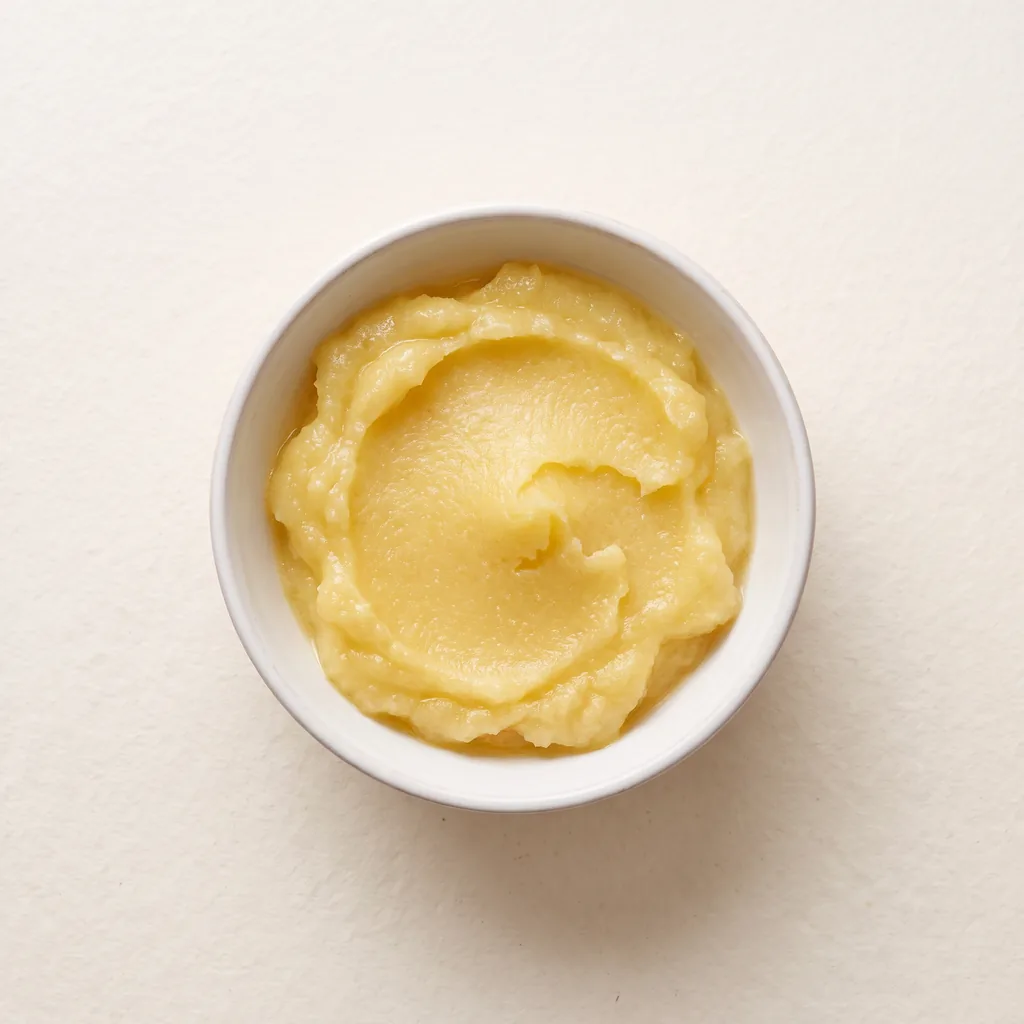
Offer tastes of pasteurized feta now and then. Stir small crumbles into spoonable foods. You can also whip feta with plain yogurt and dip age-appropriate foods in it.
Dietitian's view
Feta is a salty cheese.
Lokmini is not a healthcare provider and does not offer health services. For your baby's specific needs, talk to your doctor or a dietitian.
Feta can be offered from about 6 months, once baby is ready for solids. Feta can be salty. An occasional taste within a varied diet is fine. To lower the risk of foodborne illness, choose pasteurized feta.
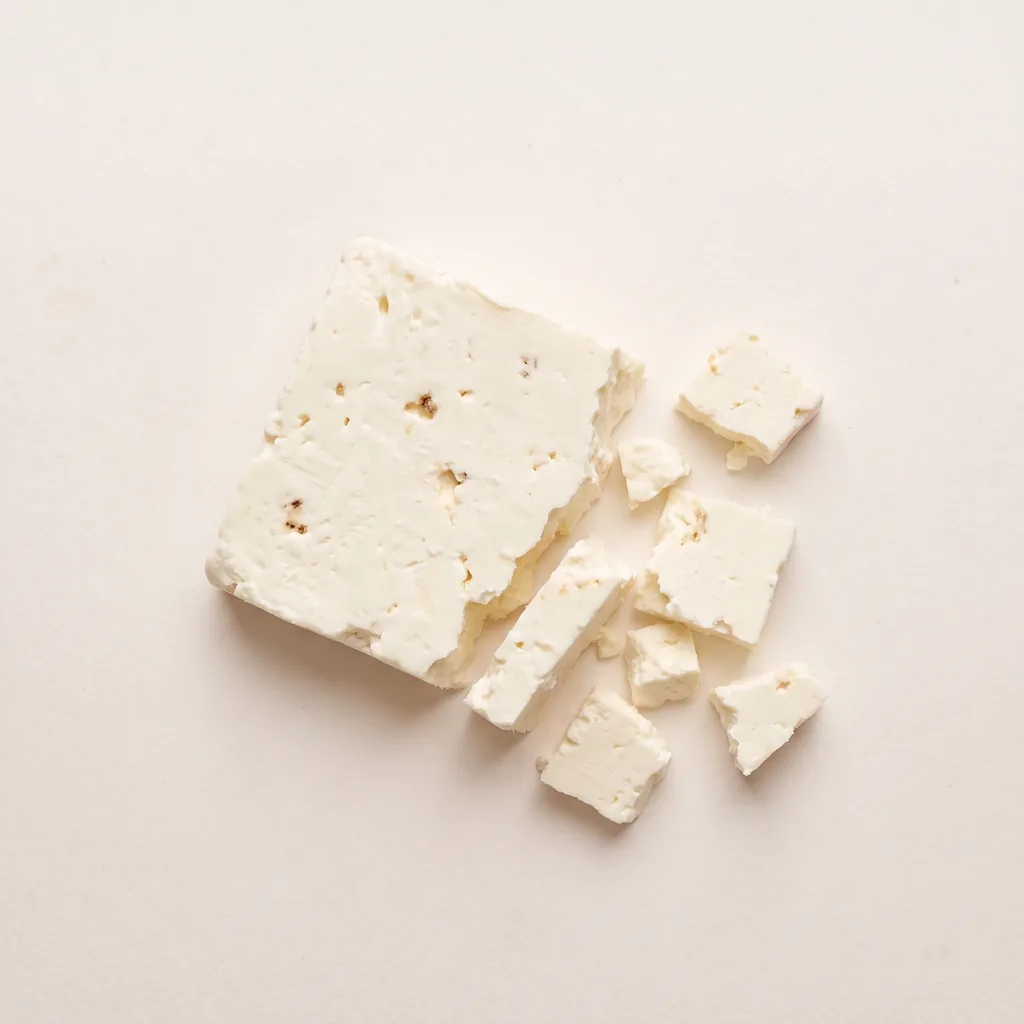 Allergen, day 1/3
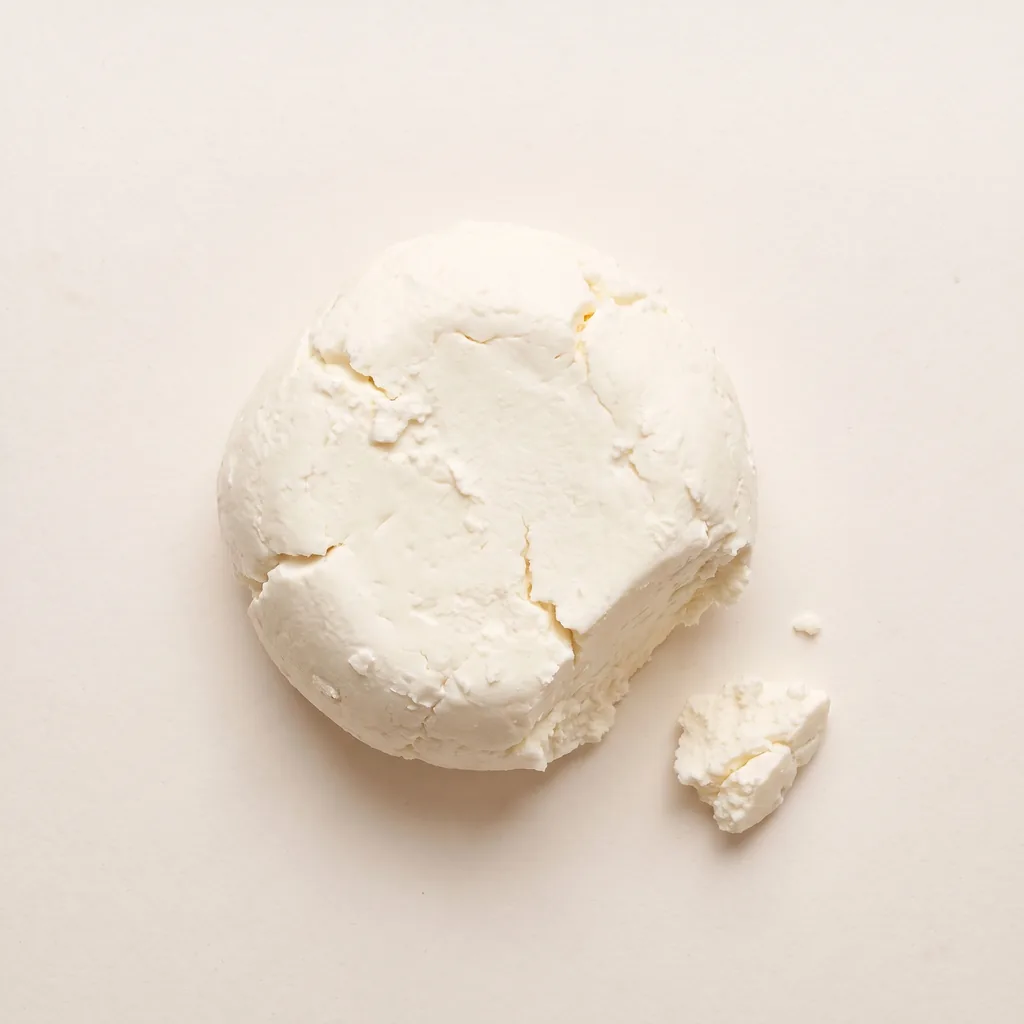
Feta is a white, soft cheese. It is made with sheep's milk, sometimes with goat's milk. The curd is cut into blocks and aged in brine. Feta holds Protected Designation of Origin in the European Union. Technically only cheese from certain regions of Greece may be sold under that name.
Feta supplies protein and fat along with calcium, selenium, zinc, plus the vitamins A, B6, and B12.
Feta is usually salty. A learning baby eats little, so the sodium stays low. Many groups advise cutting salt in baby food, but recent reviews say it may not be needed. Sharing family meals has value too. Baby meets a wider range of tastes and textures.
To cut the salt
Drain the brine. Soak the feta in fresh water. Take it out when you are ready to serve.
Also known as: feta, feta peyniri, beyaz peynir, salamura peynir
So that any reaction can be linked to the right food, Feta cheese is offered 3 days in a row and no other new food is tried on those days.
Start with a small amount in the morning or around midday. Your baby is watched closely for 5 to 10 minutes after the first bite.
Feta cheese is offered again the same way. No other new food is tried today.
If no reaction was seen, Feta cheese is now part of your baby's meals. It keeps being offered regularly.
Emergency
If there is trouble breathing, facial swelling, widespread hives, or repeated vomiting, call emergency services right away.
FPIES warning
It is one of the known triggers of FPIES (a delayed-onset food allergy). In this condition, repeated severe vomiting, pallor and lethargy may occur, usually 1-4 hours after the food is eaten. Diarrhea may appear later. These symptoms require urgent medical evaluation.
Feta contains a common allergen. It is usually made from sheep, goat, or cow's milk. Cow's milk is a common allergen. Milk causes about one fifth of childhood food allergies in young children. Sheep, goat, and buffalo milk products can cause reactions like cow's milk. The good news: milk allergy often passes with time. Most children with cow's milk allergy outgrow it by age 6. Many babies with mild milk protein allergy can try milk again around the first birthday with a doctor's guidance. Aged cheeses hold histamine. Sensitive children may get a rash from it.
Milk is a frequent cause of FPIES. FPIES brings repeated vomiting and diarrhea a few hours after eating. Untreated, it can cause fluid loss. If milk is eaten regularly, the chronic form can cause reflux, weight loss, and poor growth. FPIES that starts early usually passes by age 3 to 5.
Lactose intolerance can be mistaken for allergy. It brings bloating, gas, diarrhea, and nausea. It is uncommon in babies and toddlers. Aged cheeses are low in lactose and often better tolerated.
If you suspect a milk allergy, ask an allergist before giving cheese. The allergist may suggest a test or a trial under supervision at the clinic. For a low-risk baby, the advice may be to begin at home. As with all common allergens, give a small amount in the first servings. If there is no reaction, raise it slowly. If you have already given milk and ruled out allergy, you can give pasteurized cheese freely.
6 monthsMash
Offer tastes of pasteurized feta now and then. Stir small crumbles into spoonable foods. You can also whip feta with plain yogurt and dip age-appropriate foods in it.
9 monthsCube or slice
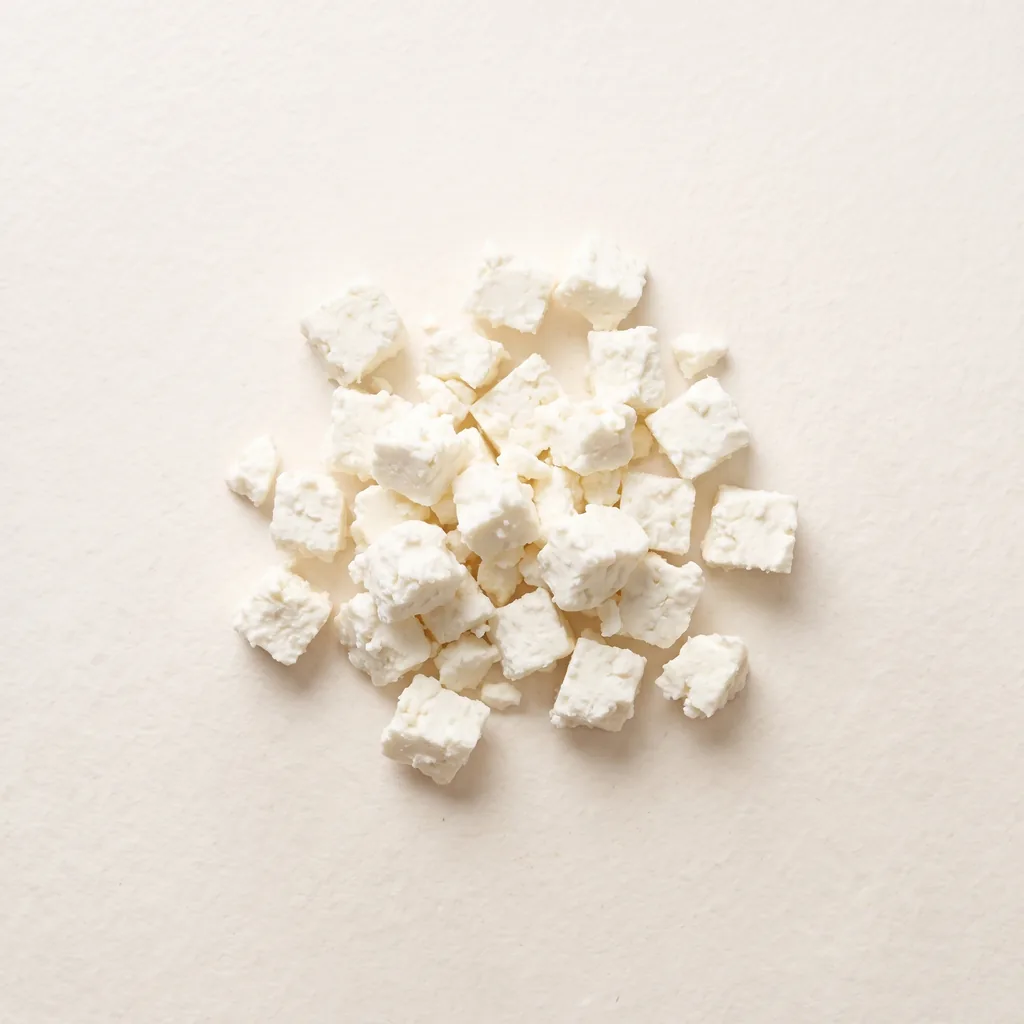
Serve small crumbles by themselves, or stir them into spoonable foods. Dipping foods in whipped feta and yogurt works too.
Cut: Finger strip
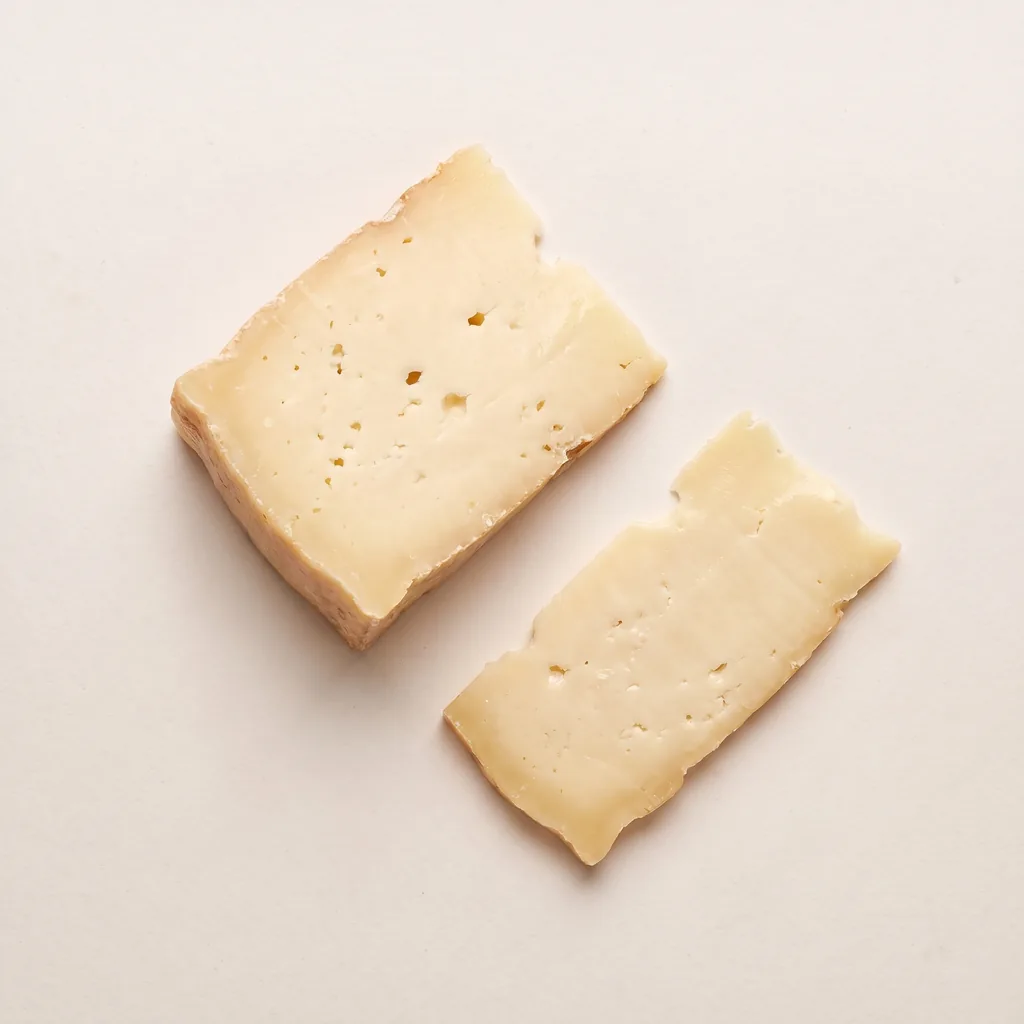
Hand over one long, wide slice. Wafer-thin ones can fall apart as baby grips. Either let baby try the pieces, or take them away if their size worries you.
12 monthsSlice
Feta can be served as long flat slices or as crumbles, small or large. Offer it alone or in a dish. A dip of whipped feta and yogurt works too.
Feta can be chalky and hard for a baby to swallow. This raises the choking risk. Crumble it or whip it with yogurt. Stay with your child during meals.
Prepared by the Lokmini team | Last updated November 17, 2026
Join Lokmini to learn how this food is served at each age and to keep track of every food your baby tries.
Lokmini builds a day-by-day plan for your baby's age. Leave your email for new guides and our newsletter.
Start Your Journey