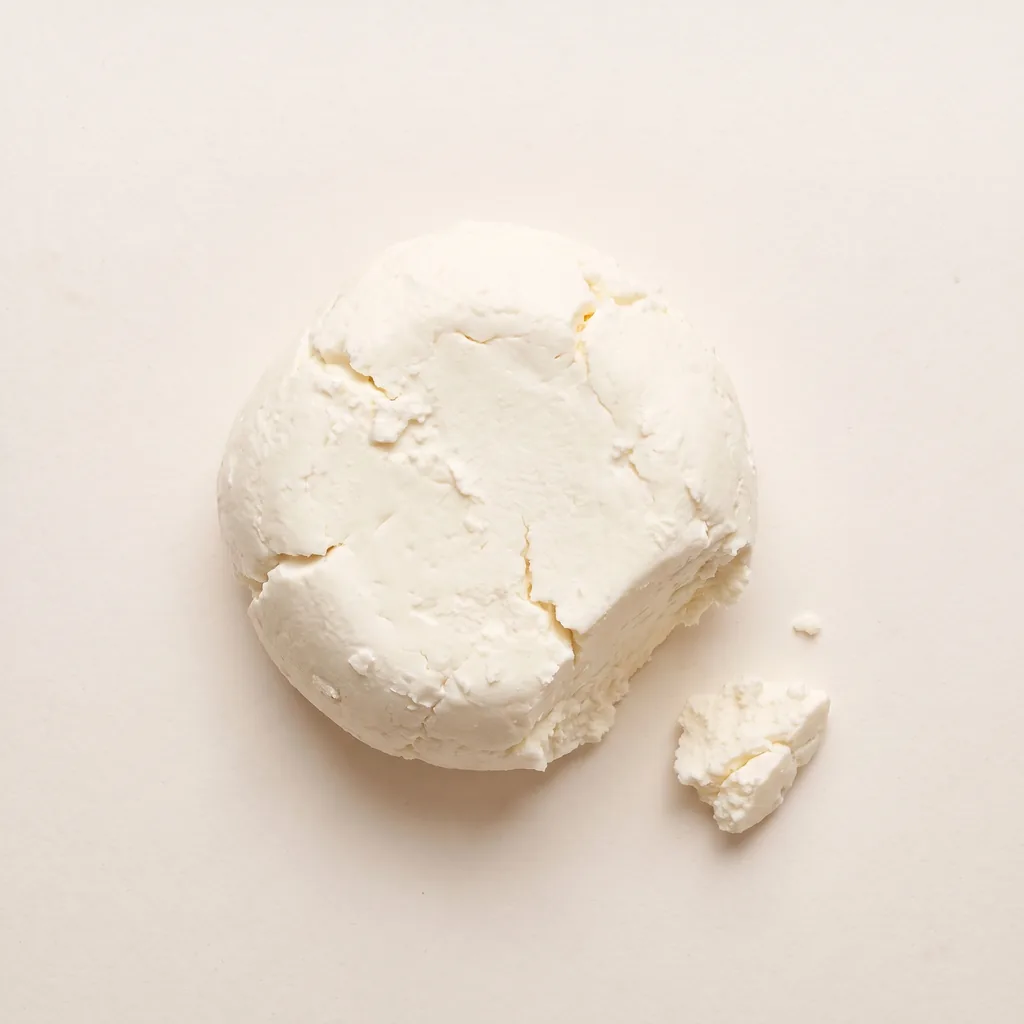
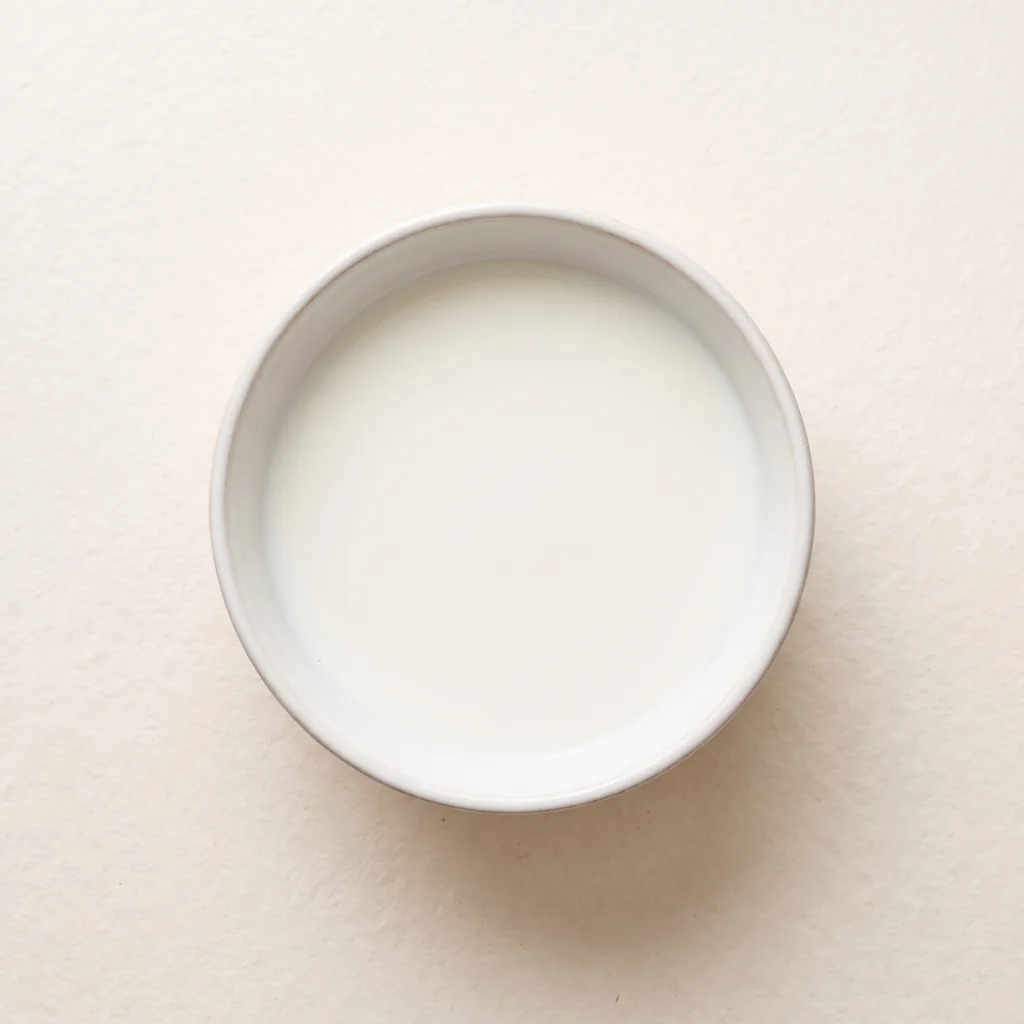
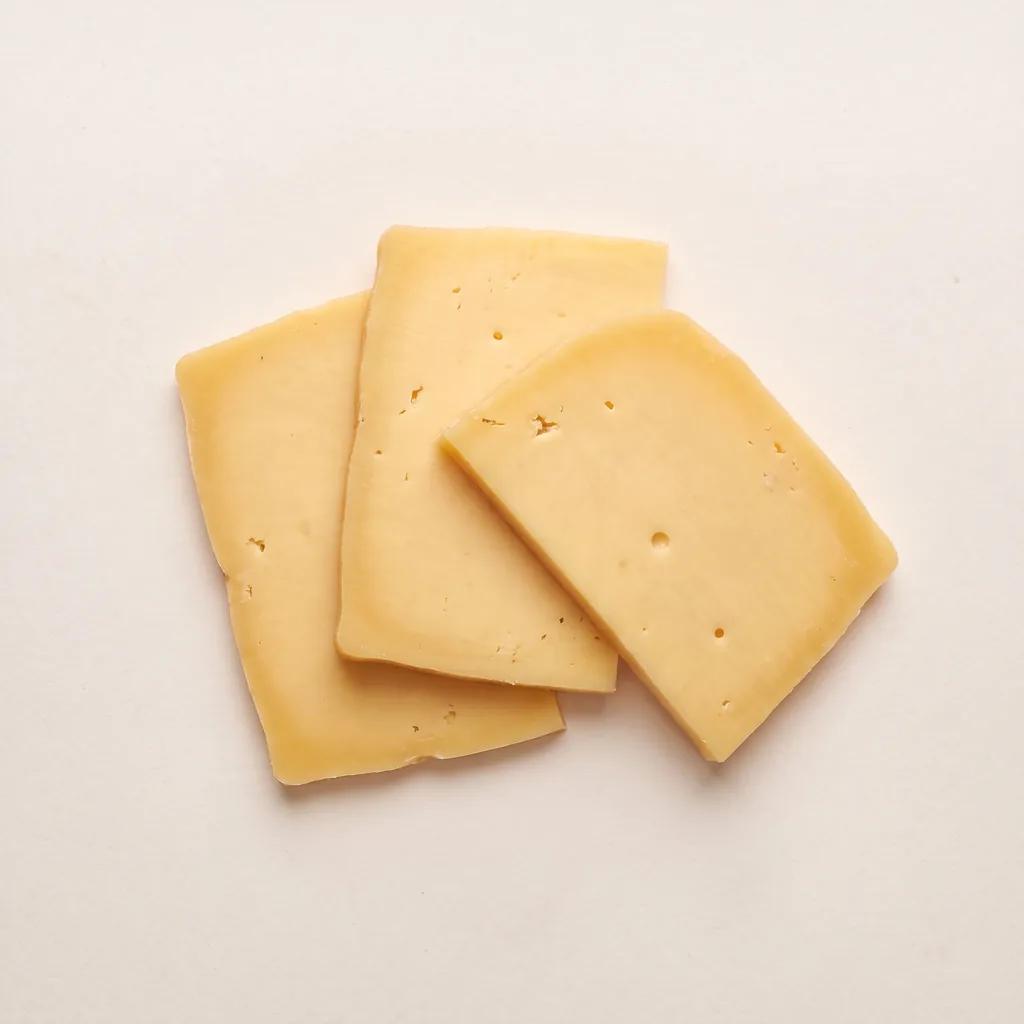
6 monthsMash
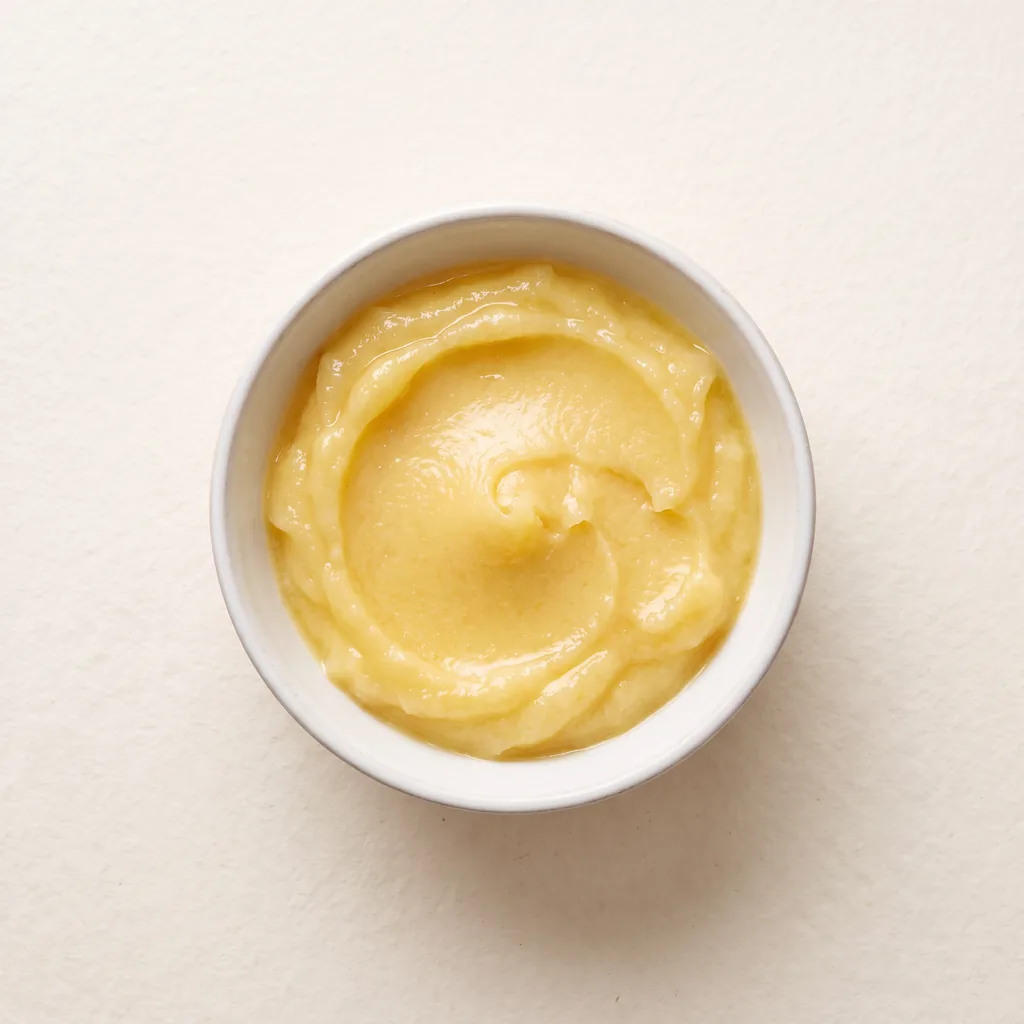
Stir a little ghee into vegetable purée or porridge. You can cook fruit and vegetables in ghee. A thin layer on a strip of toast also works.
Ghee can be offered once your baby is about 6 months old and ready for solids. It is clarified butter, which means milk fat separated from milk solids and water. This step deepens the nutty taste and extends shelf life. It is widely used in South Asian cooking. India is the biggest producer.
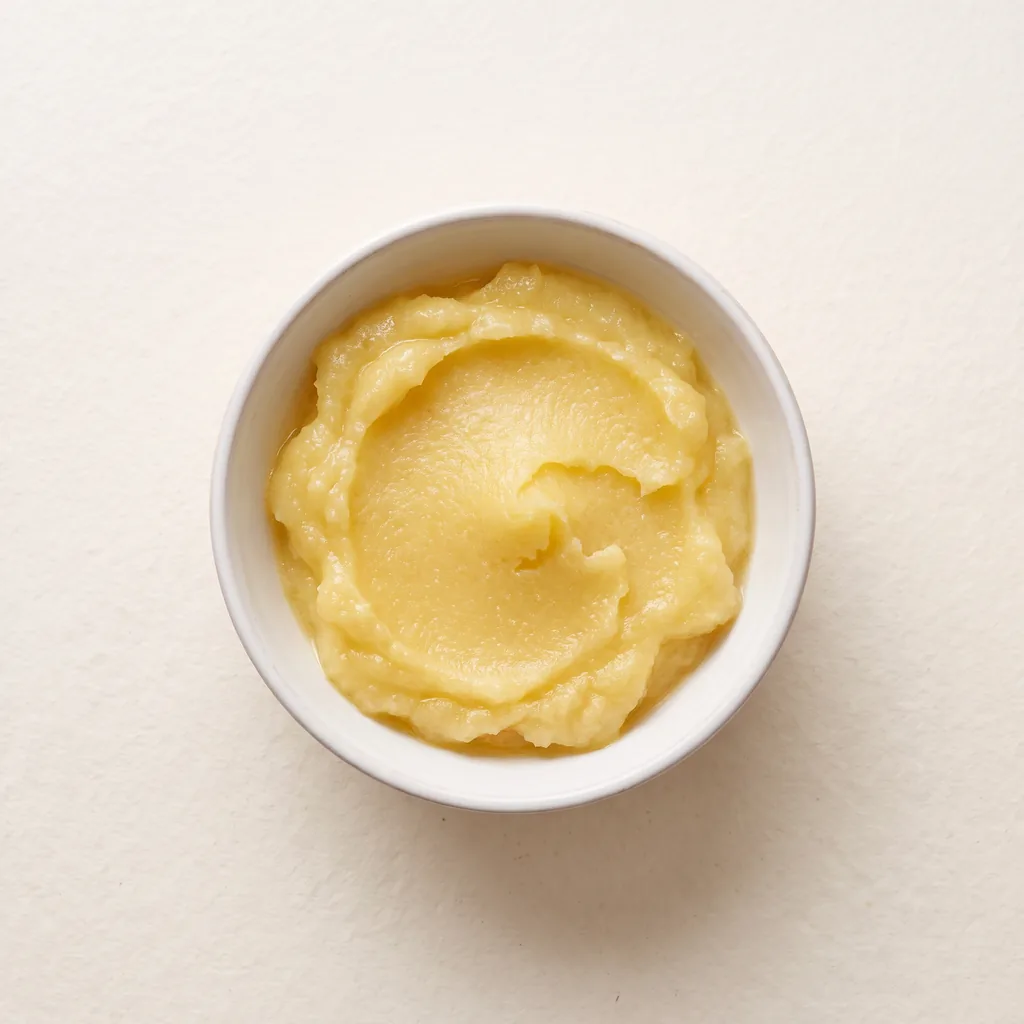 Allergen, day 1/3
It is rich in fat and gives concentrated energy for fast growth. Saturated fat is one of the main fat types in breast milk too. Ghee may also bring omega-3 fatty acids and vitamins K, E and A.
Also known as: ghee, sade yağ, sadeyağ, arı yağ, saf tereyağı, tereyağı yağı
So that any reaction can be linked to the right food, ghee is offered 3 days in a row and no other new food is tried on those days.
Start with a small amount in the morning or around midday. Your baby is watched closely for 5 to 10 minutes after the first bite.
Ghee is offered again the same way. No other new food is tried today.
If no reaction was seen, ghee is now part of your baby's meals. It keeps being offered regularly.
Emergency
If your baby has trouble breathing or swelling of the face or tongue, call 911 (or your local emergency number) right away.
FPIES warning
It is one of the known triggers of FPIES (a delayed-onset food allergy). In this condition, repeated severe vomiting, pallor and lethargy may occur, usually 1-4 hours after the food is eaten. Diarrhea may appear later. These symptoms require urgent medical evaluation.
Ghee is usually made from cow's milk. The World Health Organization counts cow's milk among its priority allergens. Milk allergy makes up about one in five childhood food allergies. Sheep, goat and buffalo milk can trigger similar reactions.
Ghee has the milk solids removed, and these hold the proteins that cause the allergy. So experts regard it as milder for allergy than the rest of dairy. Production methods differ, though, and a product may not be entirely free of milk solids. Ask an allergist about this.
Milk allergy often fades with time. Most children with cow's milk allergy outgrow it by age 6. Babies with mild symptoms may retry milk around the first birthday with a doctor's guidance.
Milk is a frequent cause of FPIES, a delayed allergy. The acute form brings repeated vomiting and diarrhea a few hours after eating. When milk is eaten regularly, the chronic form can show up as reflux, weight loss and poor growth. Symptoms ease once milk is removed. FPIES that starts early usually fades by ages 3 to 5.
Lactose intolerance can be confused with allergy. Ghee contains very little lactose, so children with lactose intolerance can usually eat it.
If you suspect a milk allergy, see an allergist before offering dairy. If you have already given milk and ruled out allergy, you can serve ghee without starting small. Otherwise, try a small amount alone for the first meals and raise it if nothing happens.
6 monthsMash
Stir a little ghee into vegetable purée or porridge. You can cook fruit and vegetables in ghee. A thin layer on a strip of toast also works.
9 monthsMash
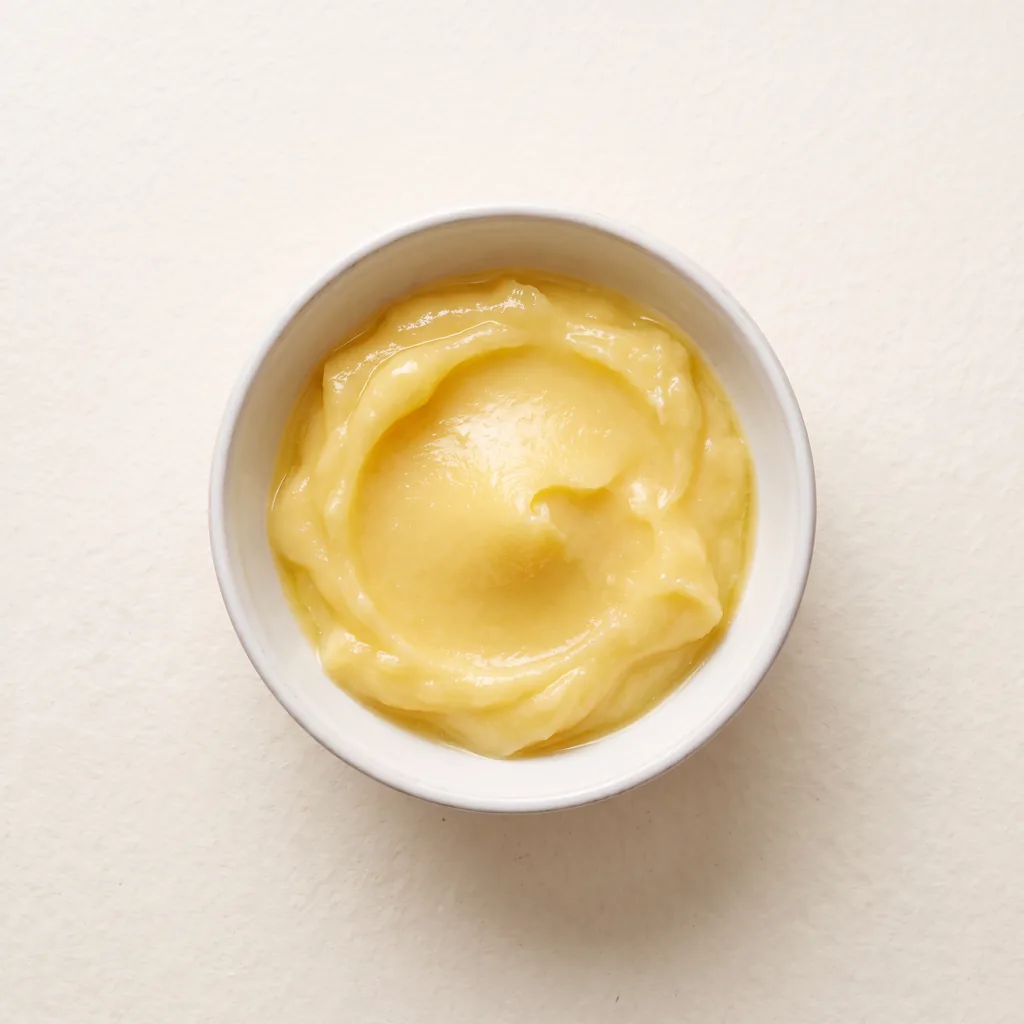
Keep adding ghee to meals. Fats give a growing baby concentrated energy. Spread it on suitable foods, cook vegetables in it, or mix it into grains.
12 monthsMash
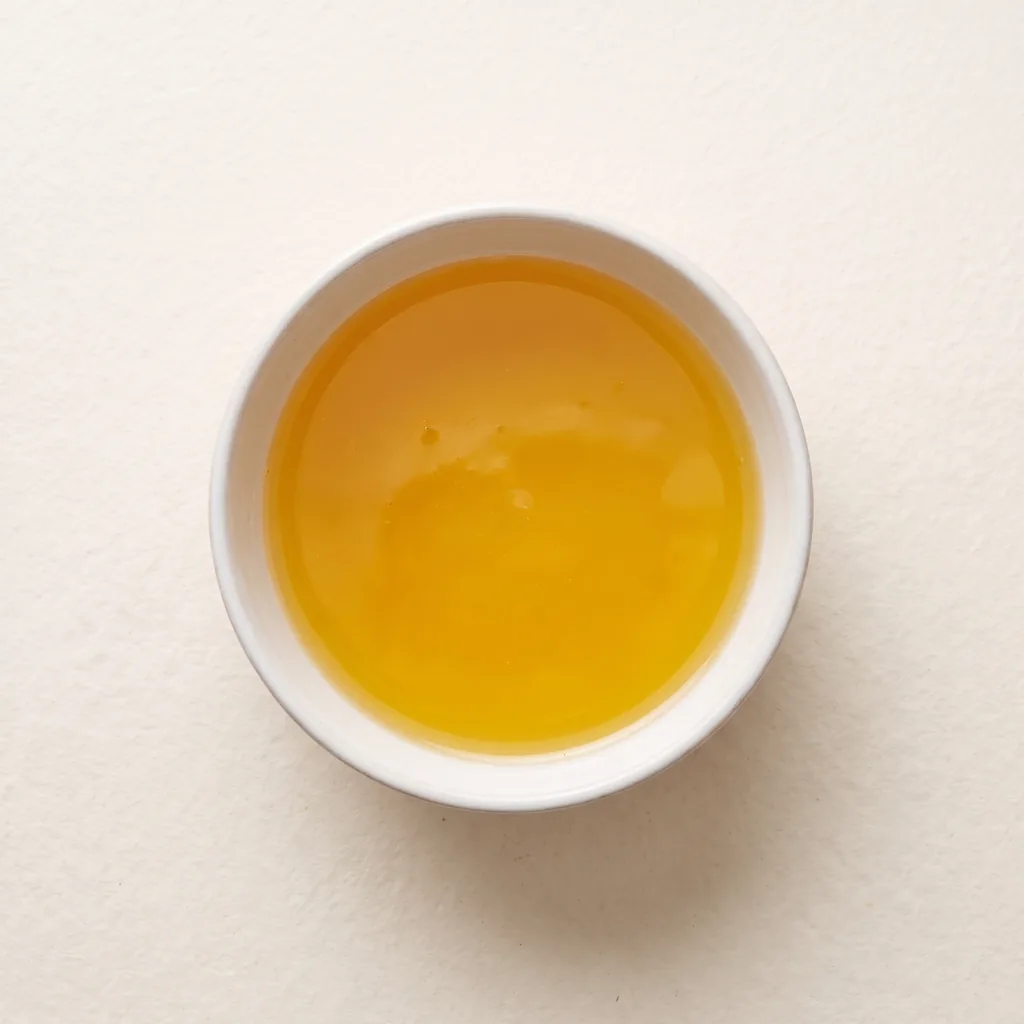
Use it in dishes or spread it on suitable foods. You can also put melted ghee in a small dish so your child can dip bread or vegetables.
Ghee carries low risk when prepared for your baby's age. In theory any food can cause choking. Stir it into food or spread a thin layer. Stay close to your baby during the meal.
Prepared by the Lokmini team | Last updated November 17, 2026
Join Lokmini to learn how this food is served at each age and to keep track of every food your baby tries.
Lokmini builds a day-by-day plan for your baby's age. Leave your email for new guides and our newsletter.
Start Your Journey