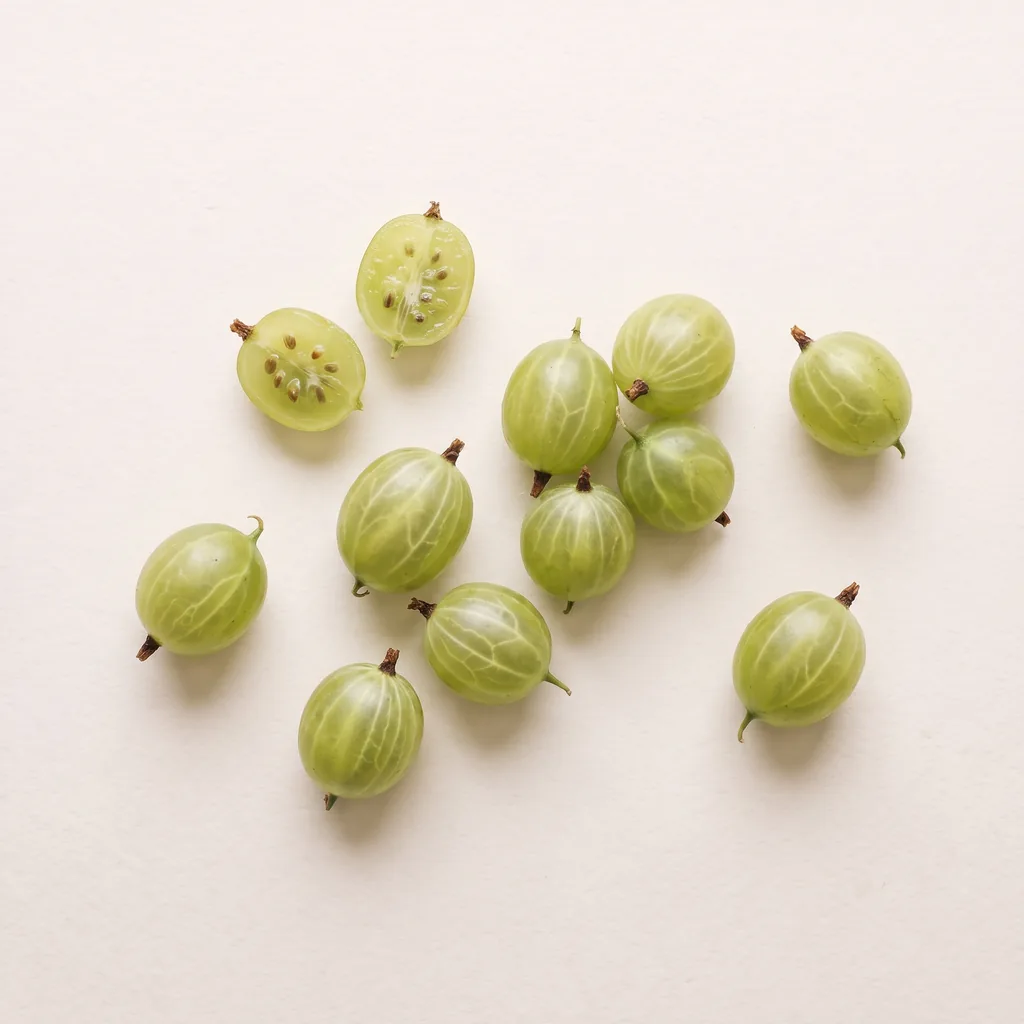
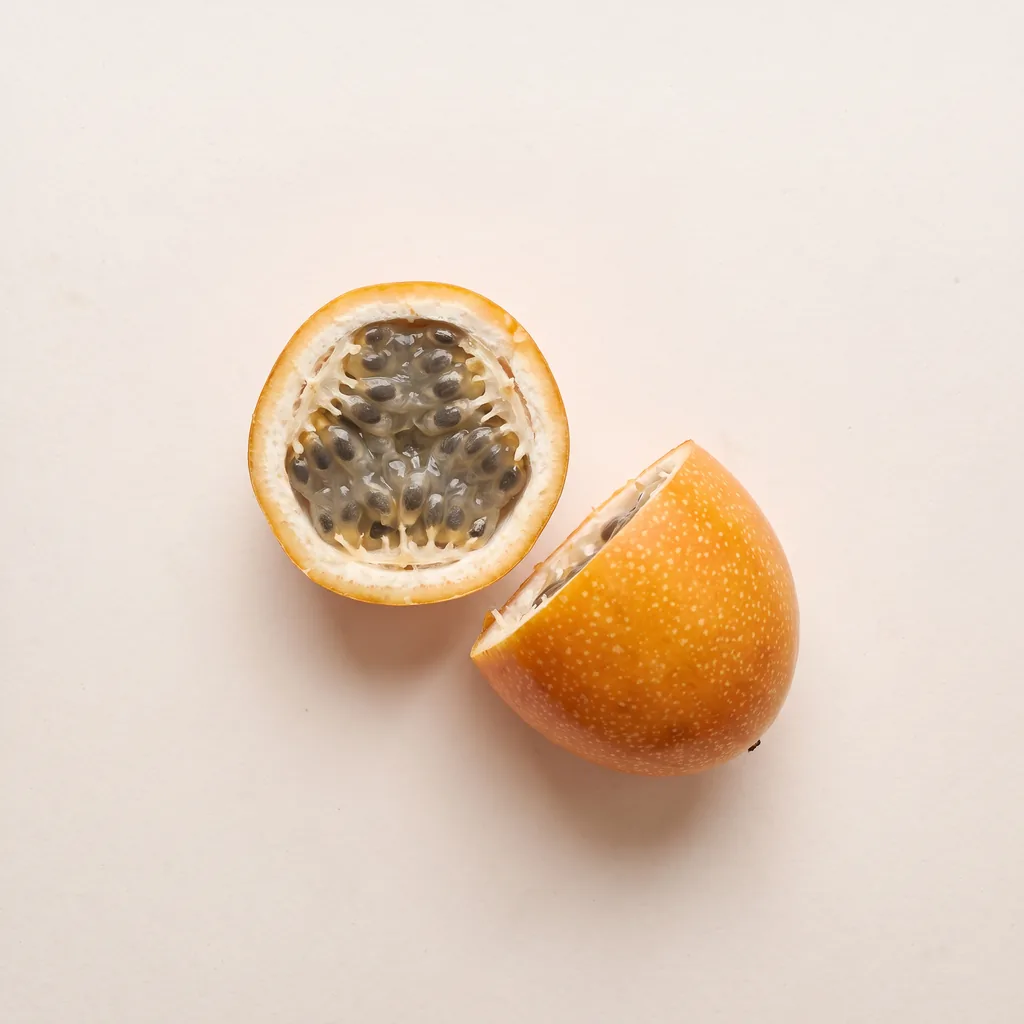
6 monthsMash
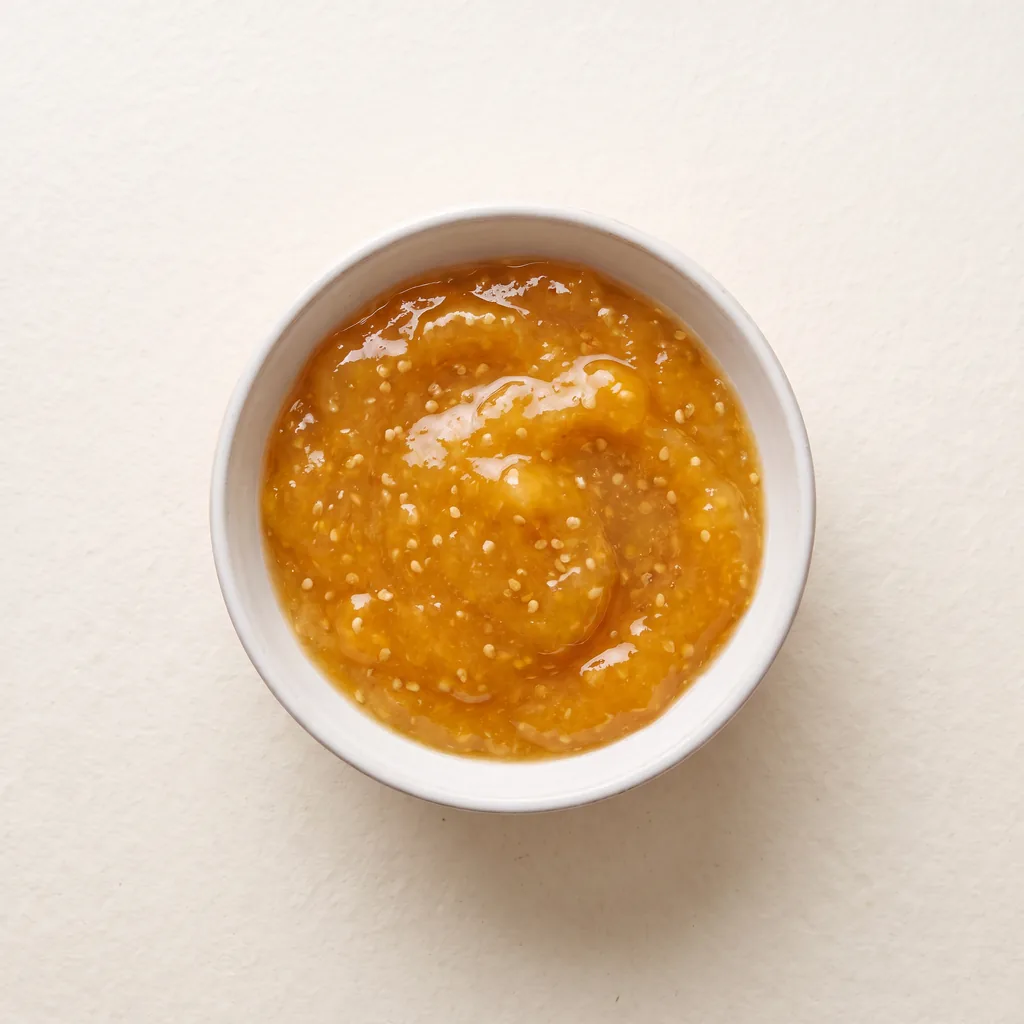
Cut ripe goldenberries into rough pieces and fold them through something spoonable. They can also simmer into a sauce or an unsweetened compote. Blending them raw into a purée and mixing into other foods also works.
You can offer goldenberries from about 6 months, when your baby is ready for solids. To lower the choking risk, chop them or cook them down to a sauce.
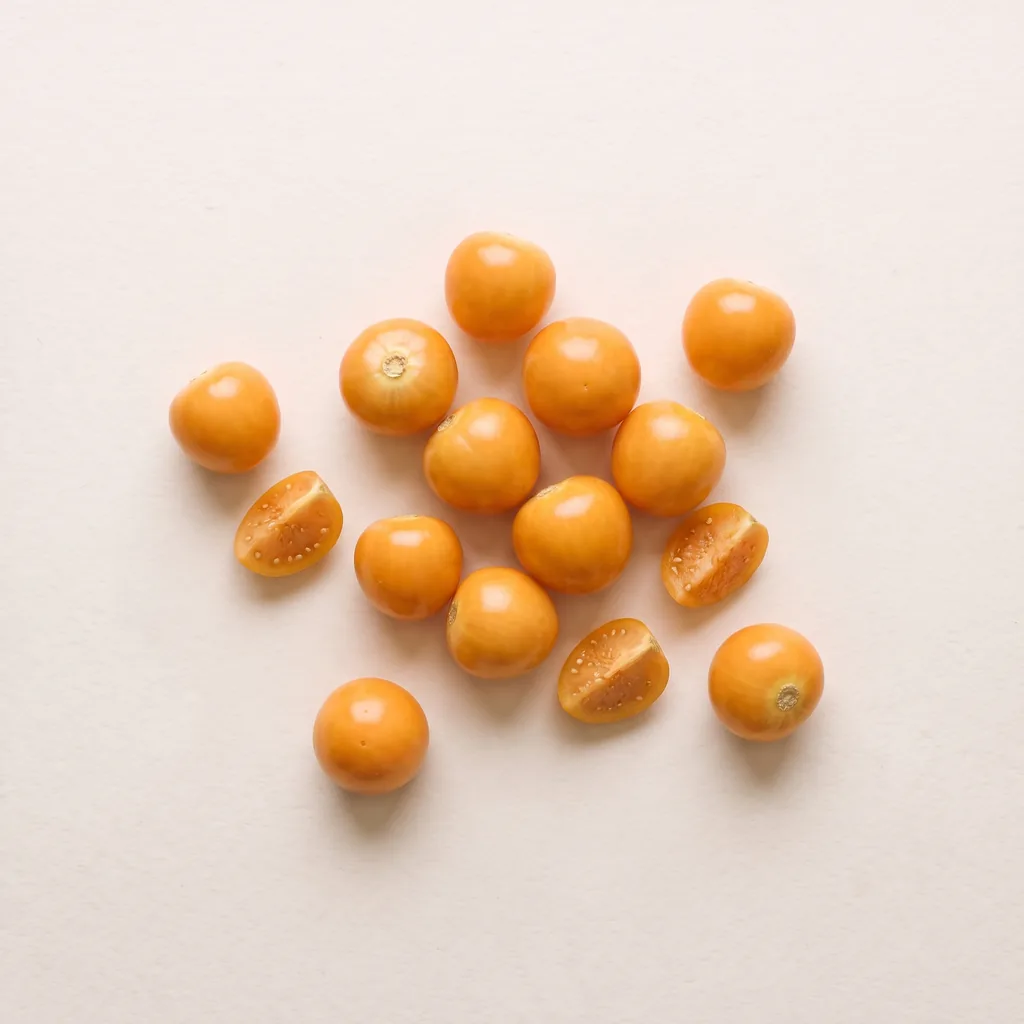
The fruit is believed to come from South America and now grows in temperate and tropical regions. Poha, topotopo, harankash, aguaymanto, ground cherry and cape gooseberry are some of its many names. Uchuva is its name in its native region. Like its relative the tomatillo, it grows and ripens inside a papery husk, which is removed before eating the golden fruit. Depending on the type, some are tangy and some sweeter. Drying makes the sourness stronger. Fresh ones are used in batidos, smoothies, desserts, jams and salads.
It is full of antioxidants. It provides vitamin C, fiber, vitamin A and a little iron.
Also known as: uchuva, altın çilek, sarı çilek, aguaymanto, golden berry, cape gooseberry, kış kirazı
6 monthsMash
Cut ripe goldenberries into rough pieces and fold them through something spoonable. They can also simmer into a sauce or an unsweetened compote. Blending them raw into a purée and mixing into other foods also works.
9 monthsCube
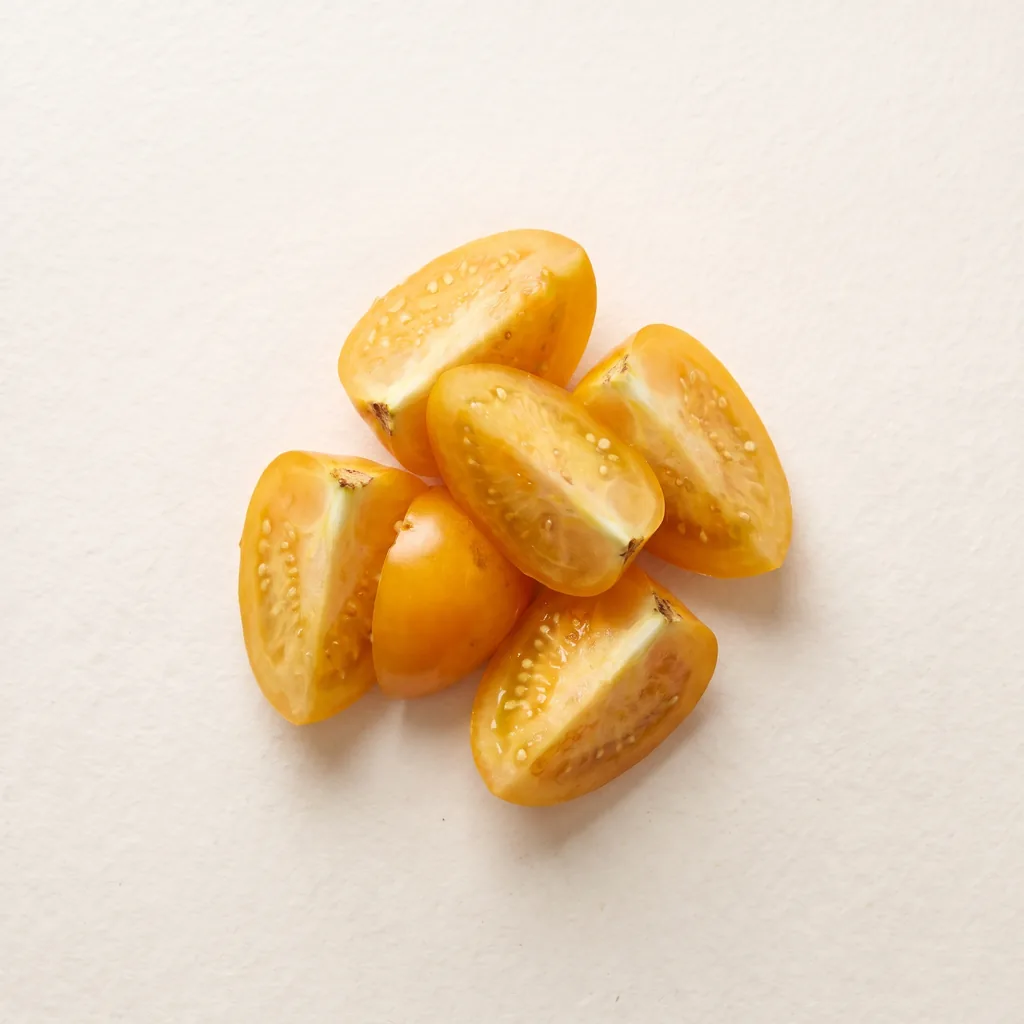
Cut: Quartered
Cut ripe goldenberries in four and set them on the tray or table so your baby can practise grabbing one at a time. You can keep serving cooked or puréed ones as a sauce.
12 monthsCube
Smash ripe goldenberries or cut them in quarters, then add them to pasta, pilaf, salads and other family dishes. If chewing skills are well developed, halves are possible, though this raises the choking risk a little.
Goldenberries are small, round and slippery. Serving them whole can be a choking risk for babies and young children, especially when the fruit is firm.
To lower the choking risk:
6 to 9 months: Offer fully ripe fruit well mashed, puréed, or cooked until soft.
9 to 12 months: If the fruit is soft enough, cut it lengthwise into quarters and press the pieces lightly flat. Keep mashing it if needed.
12 months and up: Based on your child's chewing skills, offer the fruit quartered lengthwise and mashed when needed. Avoid whole or only halved fruit, especially before 4 years.
Your child should sit upright in a safe seated position throughout the meal. Stay beside them, within arm's reach, and supervise the whole time.
As your child's chewing skills develop, you can be a model by showing how you crush food with your back teeth. However, showing how to chew does not mean whole fruit is safe.
Your child should not eat while walking, running, playing or riding in a vehicle.
Goldenberry (Physalis peruviana) is not a common food allergen. Still, allergic reactions to goldenberry and to some plants of the same genus have been reported. Data on how often goldenberry allergy occurs in babies are limited.
The acidity of goldenberries can cause temporary redness and irritation on sensitive skin, especially around the mouth. This does not always mean a food allergy.
Redness may also show up in the diaper area. Still, do not assume that every diaper rash comes from goldenberries. If contact irritation keeps coming back, you can ask your baby's doctor about putting a suitable barrier product around the mouth.
If hives, swelling of the lips or around the eyes, repeated vomiting, coughing or wheezing develop after eating goldenberries, an allergic reaction should be considered.
If there are serious signs such as trouble breathing or swelling of the tongue or throat, call emergency services right away.
When you give your baby goldenberries for the first time, start with a small amount. Watch for possible reactions. If no signs develop, you can increase the amount at later servings to suit your baby's needs and tolerance.
Prepared by the Lokmini team | Last updated November 19, 2026
Join Lokmini to learn how this food is served at each age and to keep track of every food your baby tries.
Lokmini builds a day-by-day plan for your baby's age. Leave your email for new guides and our newsletter.
Start Your Journey