Skip to content

Uzm. Dyt. Berk AysanPrepared the latest update, November 14, 2026

Lokmini is not a healthcare provider and does not offer health services. For your baby's specific needs, talk to your doctor or a dietitian.

  • Vegetables
  • 6 mo+
  • Low choking risk

Green bean for babies: when to start

Green beans (Phaseolus vulgaris) can be given once your baby is about 6 months old and ready for solids. In the early days, serving them well cooked and soft is recommended.

  • Vitamin C
  • Vitamin K
  • Vitamin B6
  • Folate
  • Fiber
  • Magnesium
Green bean prepared for a baby

About green bean

Green beans belong to the legume family (Fabaceae) and are native to Central and South America. The green, tender pods are eaten together with their unripe seeds.

Bush beans and pole beans are names based on how the plant grows. There are green, yellow and purple varieties.

Nutrition

Green beans are high in water, low in energy density and provide fiber. They also contain vitamin K, vitamin C, folate and smaller amounts of vitamin B6, potassium, magnesium and iron.

Green beans also contain carotenoids such as lutein and zeaxanthin and various phenolic compounds. These compounds are natural parts of plant foods, but direct clinical evidence that eating green beans brings specific health benefits to babies is limited.

Also known as: string bean, sırık fasulyesi, taze fasulye, yeşil fasulye, çalı fasulyesi

  • Gluten-free
  • Vegan

How to prepare it by age

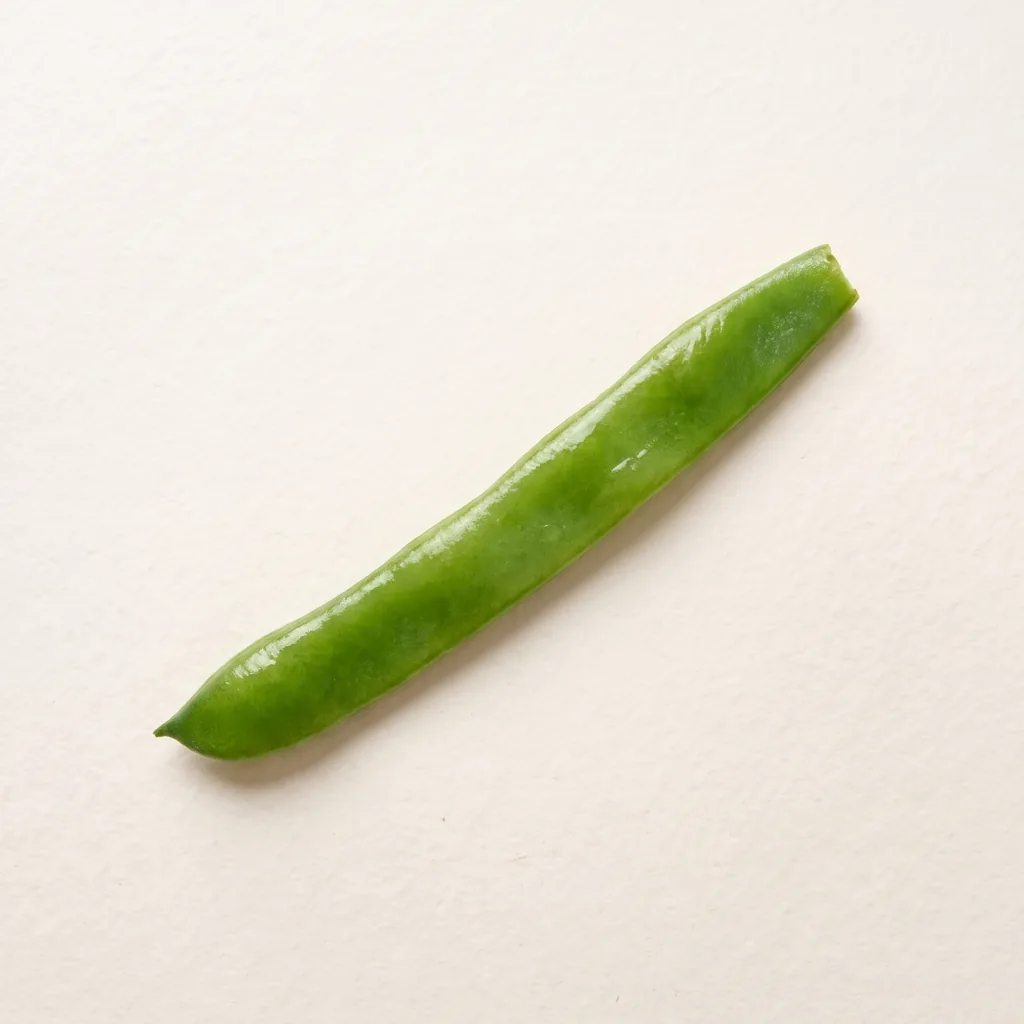
6 monthsStrip

Green bean prepared for 6 months

Cook green beans whole and uncut. At this age a whole pod is safer than chopped pieces, because small pieces can be swallowed whole. Your baby squashes the pod flat with the gums. Pressing the cooked bean flat with a fork before serving lowers the risk further.
12 monthsCube

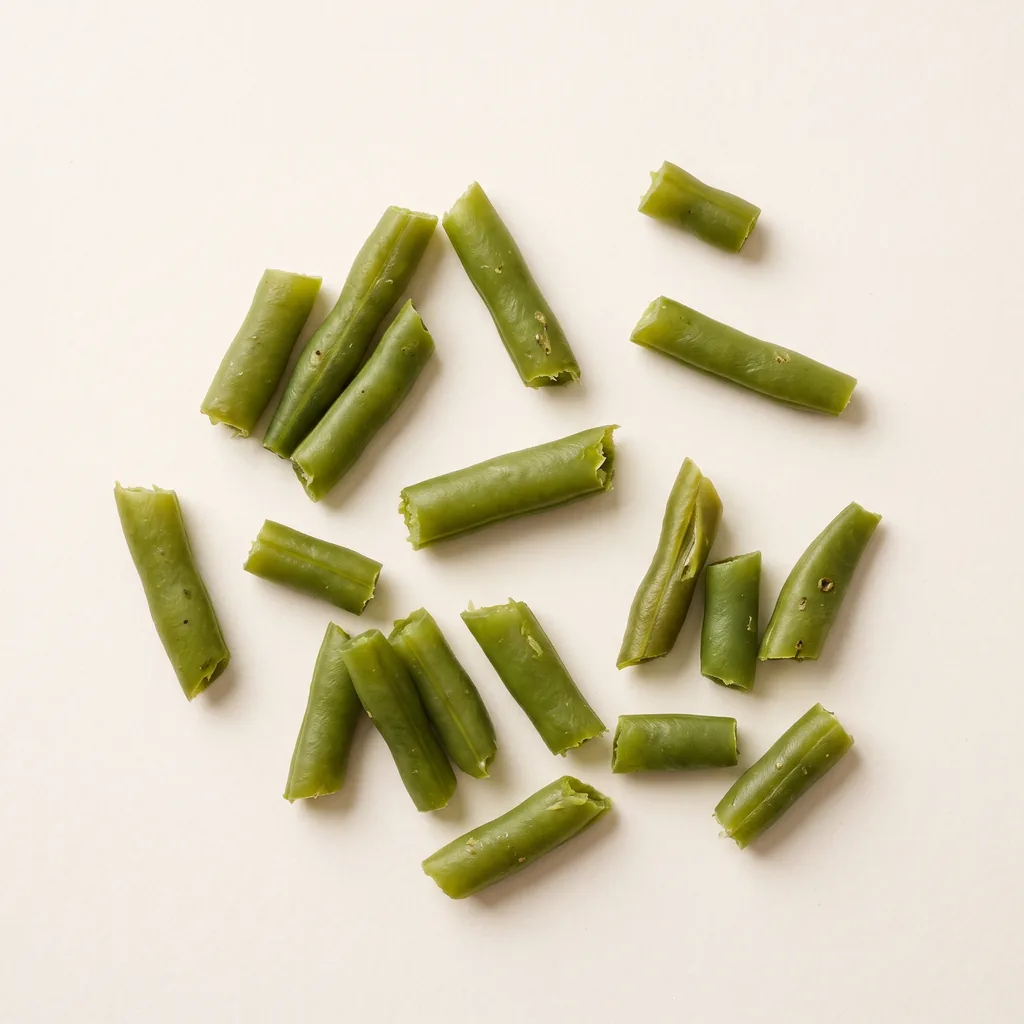
Green bean prepared for 12 months

Cut: Bite sized piece

Serve cooked green beans in bite-sized pieces. They spear easily on a fork, which makes them good for learning to use one. As your child gets used to firmer textures you can shorten the cooking time.

Choking risk

  1. Low
  2. Medium
  3. High

Raw or undercooked green beans are hard and stringy, so they can be a choking risk for babies. Hard, round pieces swallowed without chewing are especially risky.

Cook green beans until they are soft enough to squash easily between your fingers. Trim the hard ends and remove any strings.

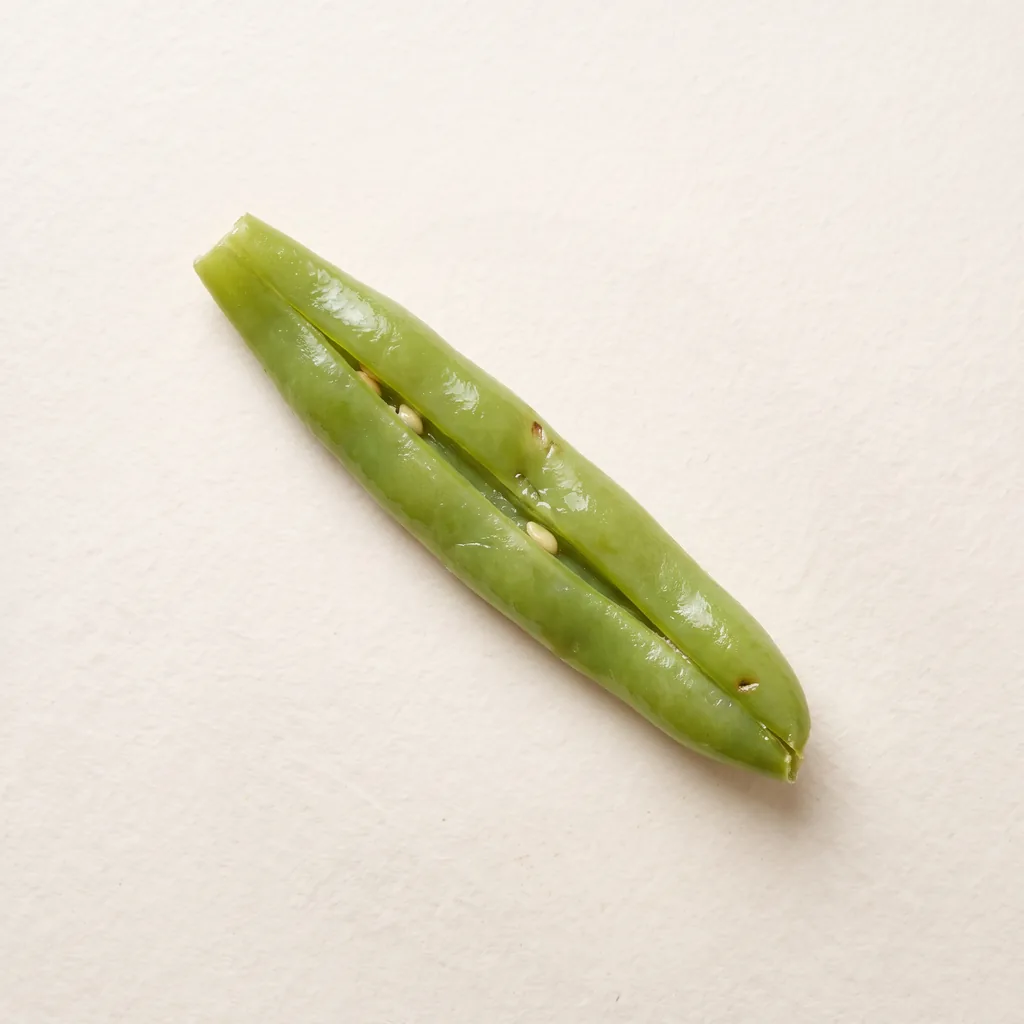
When starting solids, you can offer long, fully soft beans your baby can grip. Flatten the cooked beans with the back of a fork to make them less round. Or you can mash them into a puree.

If the small seeds inside stay hard, cook the beans longer or mash them. As your baby's chewing skills develop, you can serve small, soft pieces.

Make sure your baby sits upright during meals, and always stay within arm's reach to watch them.

Allergen information

Green beans are in the legume family (Fabaceae), along with peanut, soy and lentils. Still, being in the same family does not mean a cross-allergy will always develop between these foods.

When you offer green beans to your baby for the first time, start with a small amount and watch for signs of allergy.

If you see signs such as hives, repeated vomiting or lip swelling, stop giving green beans and get medical advice. For serious signs such as trouble breathing or swelling of the tongue or throat, call emergency services right away.

Frequently asked questions

What age can babies eat green bean?

Green beans (Phaseolus vulgaris) can be given once your baby is about 6 months old and ready for solids. In the early days, serving them well cooked and soft is recommended.

Is green bean a common allergen?

Green beans are in the legume family (Fabaceae), along with peanut, soy and lentils. Still, being in the same family does not mean a cross-allergy will always develop between these foods.

How do you prepare green bean for babies?

For a 6-month-old: Cook green beans whole and uncut. At this age a whole pod is safer than chopped pieces, because small pieces can be swallowed whole. Your baby squashes the pod flat with the gums. Pressing the cooked bean flat with a fork before serving lowers the risk further.
Are the beans inside the pod a choking hazard?

Hard or undercooked seeds can be a choking risk. Cook the beans until the seeds inside also squash easily. If needed, mash them with a fork before serving.

Are the nitrates in green beans a problem?

Green beans can naturally contain nitrate. But for healthy babies around 6 months old, eating properly prepared green beans as part of a varied diet is generally not a problem. Do not leave prepared food at room temperature for long. Cool it quickly, store it in the fridge, and eat it soon or freeze it.

Can raw green beans be given to a baby?

No. Raw green beans are hard, so they can be a choking risk. Do not give babies raw beans to eat, to chew on for teething or to use as a spoon. Serve green beans cooked until fully soft.
Share:WhatsApp

Want to add this food to your baby's solid food calendar?

Join Lokmini to learn how this food is served at each age and to keep track of every food your baby tries.

Join Lokmini

Starting Solids

When and how to start solids, and what happens in the first week?

Read the guide

Similar foods

Let's get ready for the first bite together

Lokmini builds a day-by-day plan for your baby's age. Leave your email for new guides and our newsletter.

Start Your Journey