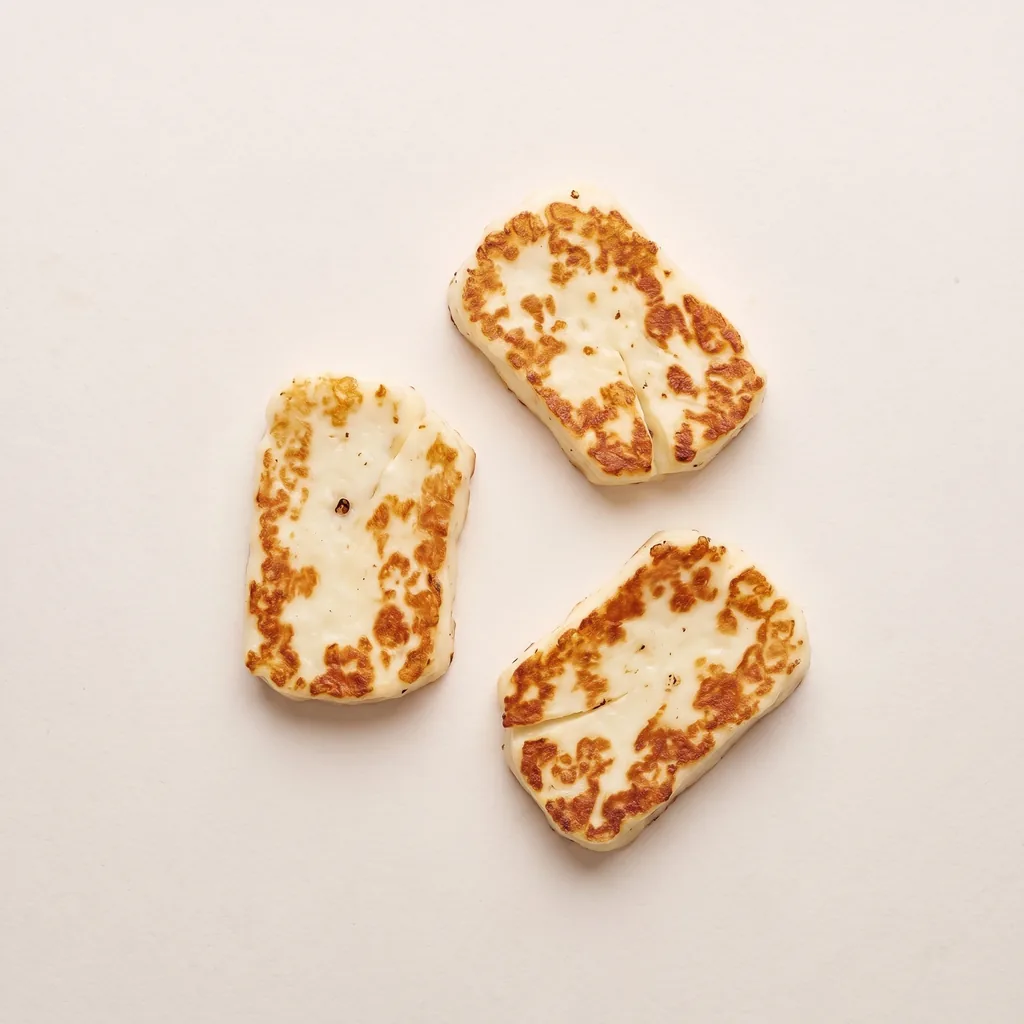
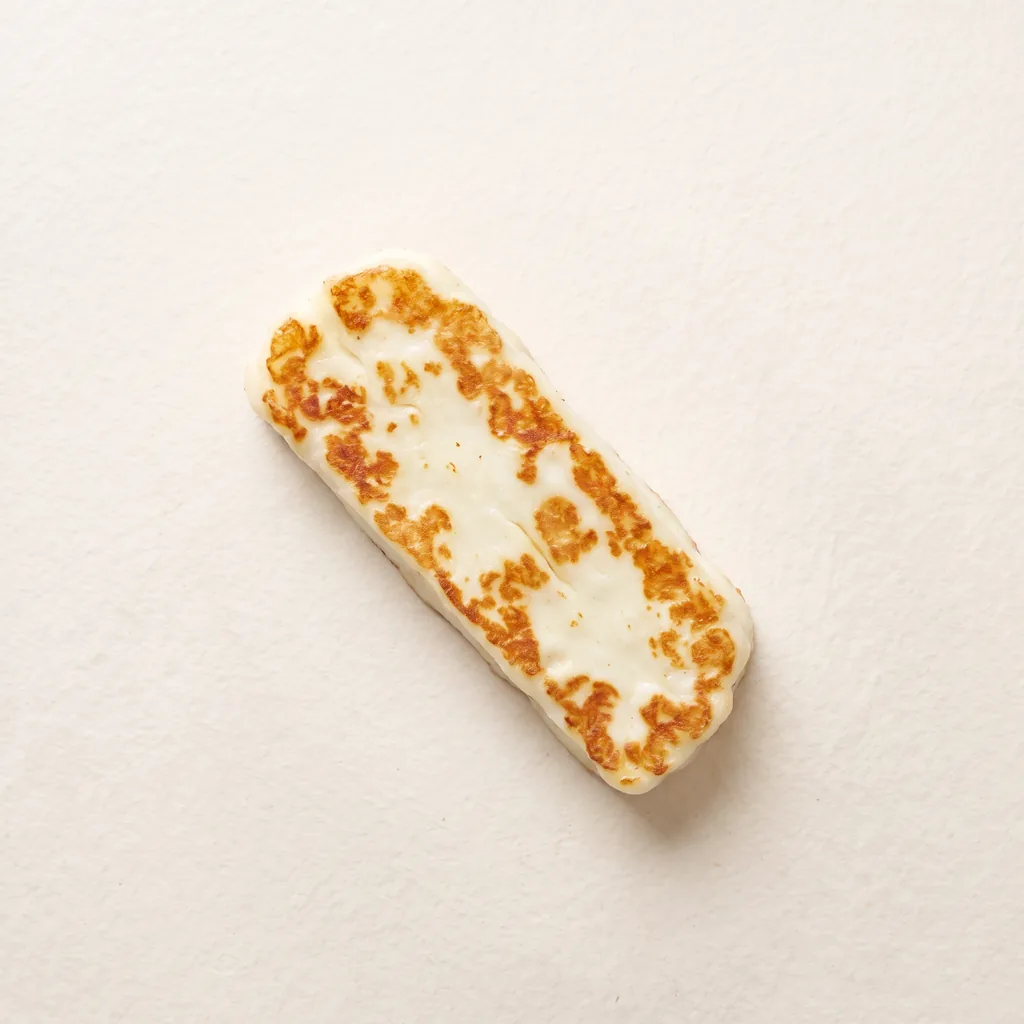
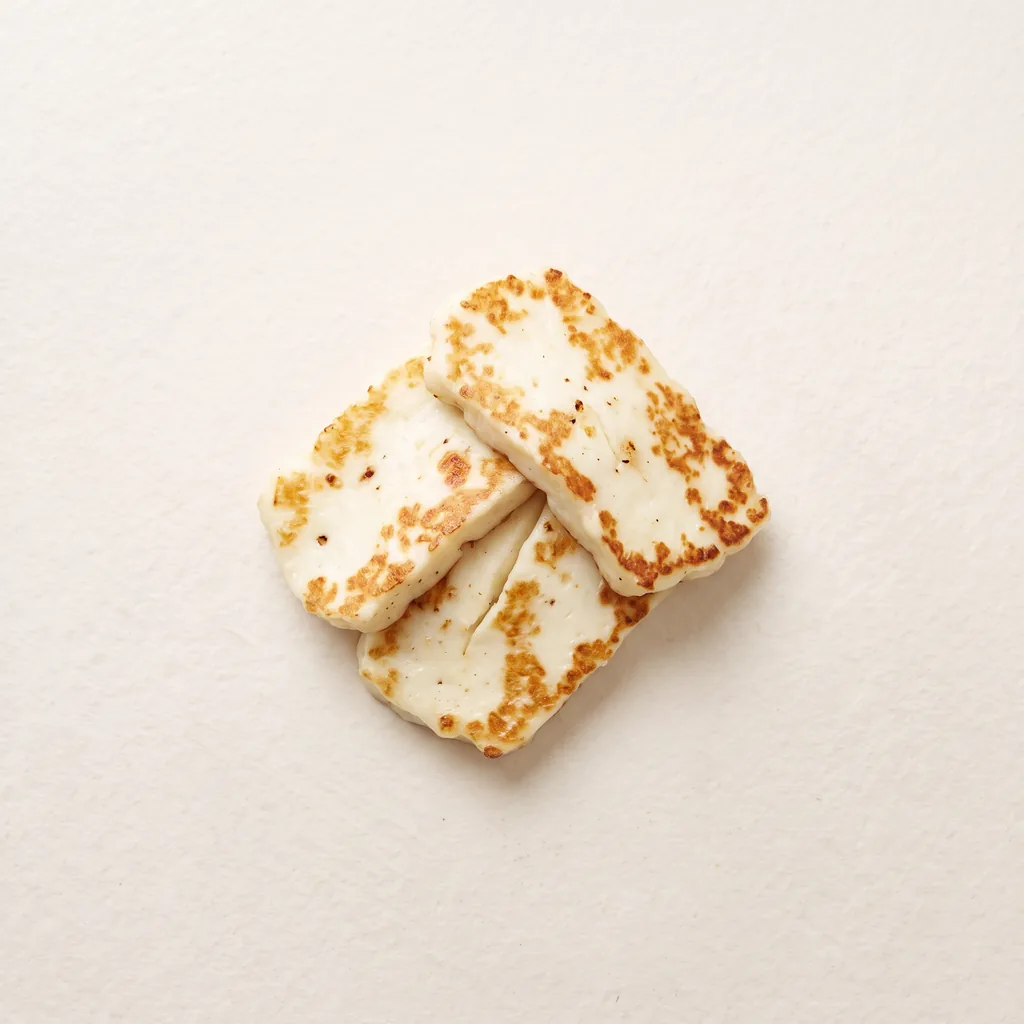
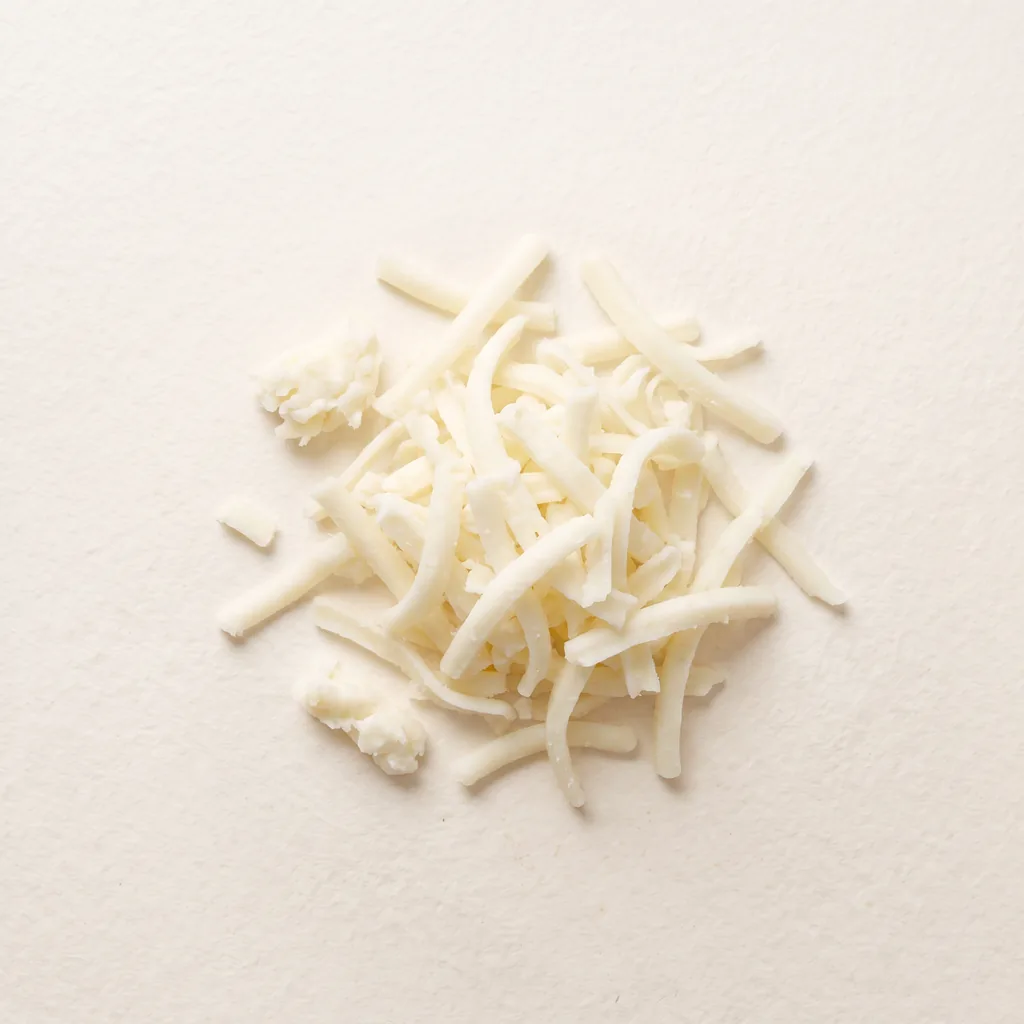
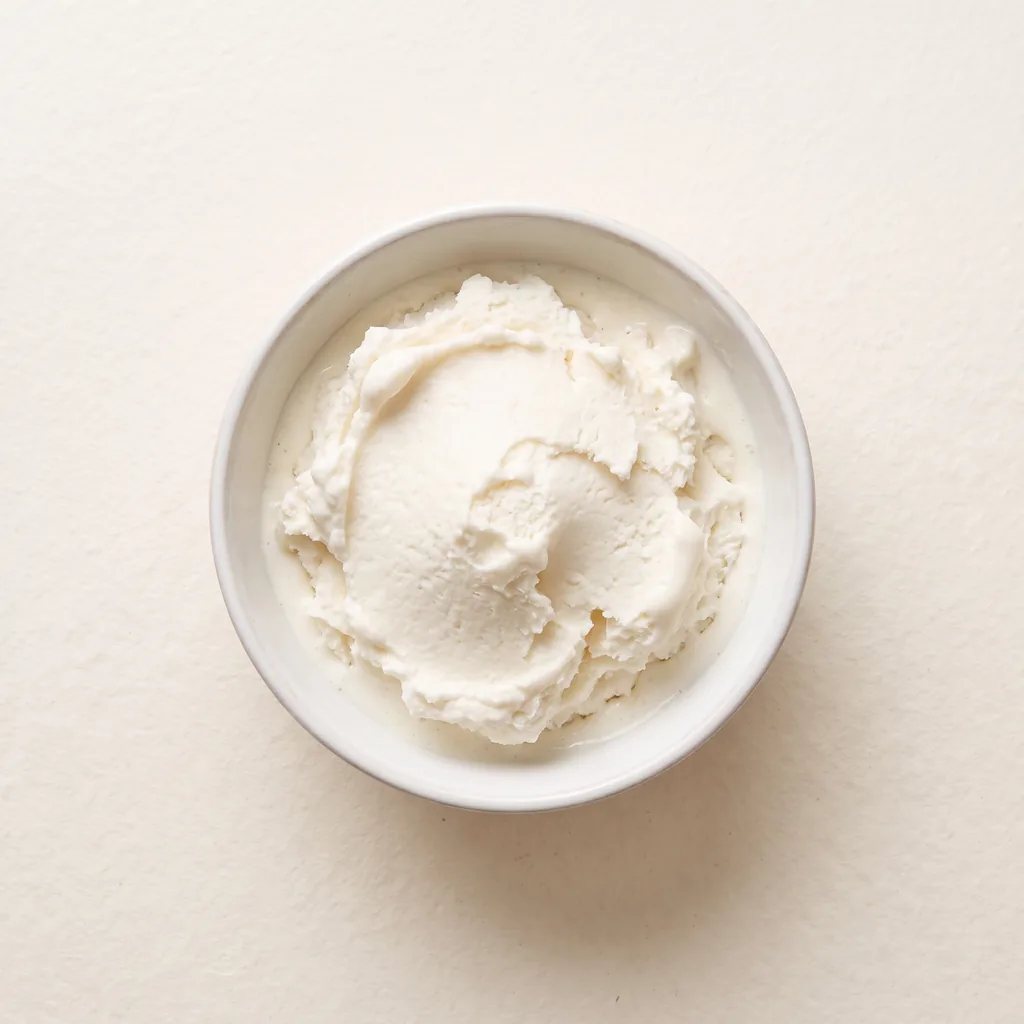
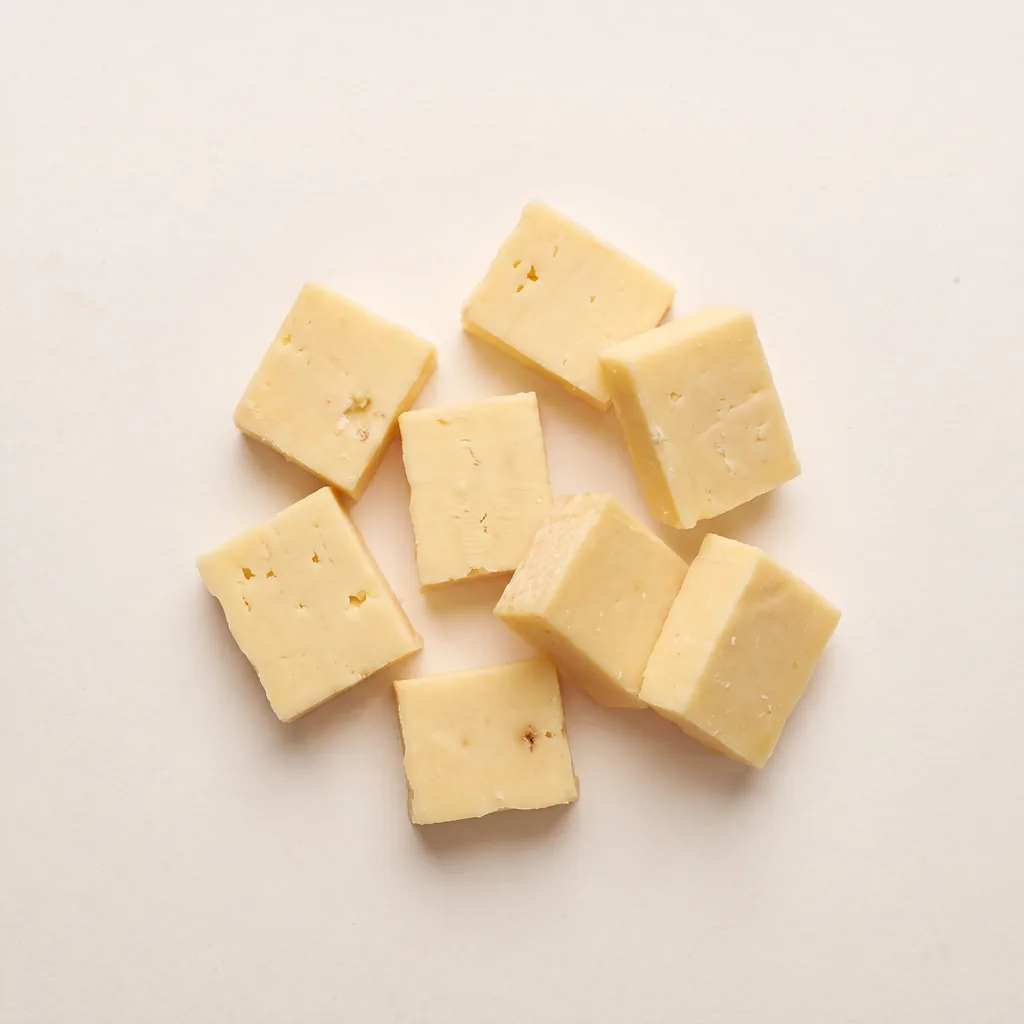
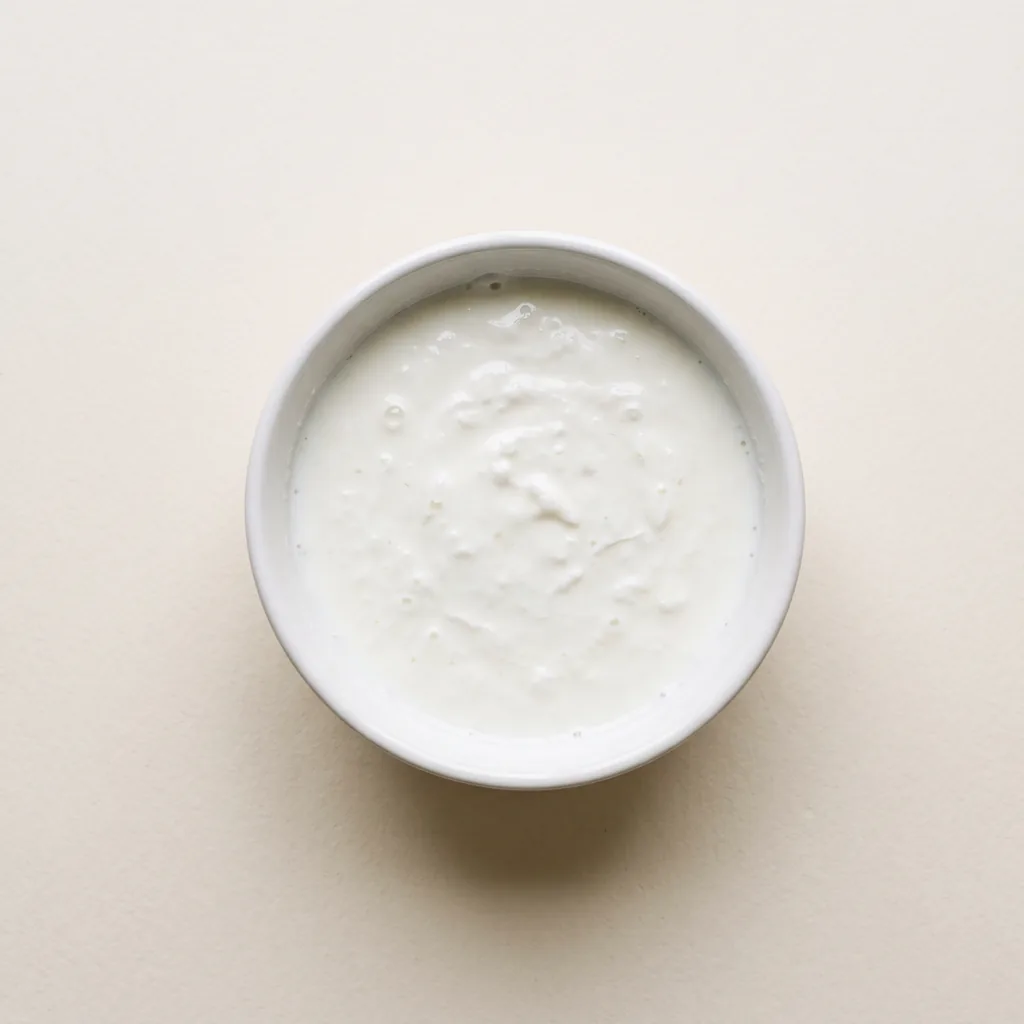
Halloumi contains milk proteins, so it counts as a **milk allergen**.
Halloumi can be made from cow's, sheep's or goat's milk, or a mix of these. Check the product label for the type of milk used.
Babies with cow's milk allergy may also react to sheep's and goat's milk proteins. Cross-reactions can occur between the proteins of these milks.
So halloumi made from sheep's or goat's milk is not considered a safe alternative for cow's milk allergy.
Heating halloumi during production does not fully remove the milk allergens.
Milk allergy and lactose intolerance are different conditions. Milk allergy is a reaction of the immune system to milk proteins. Lactose intolerance is trouble digesting milk sugar.
The amount of lactose in halloumi can vary with the production method. A low lactose content does not mean it is safe for babies with milk allergy.
Milk proteins can also trigger a delayed food allergy called FPIES (food protein-induced enterocolitis syndrome).
In acute FPIES, repeated severe vomiting, paleness and marked lethargy usually appear 1 to 4 hours after eating the food. Diarrhea may develop later. These signs need urgent medical care.
If you are offering a dairy food for the first time, start with a small amount and watch how your baby responds.
Hives, swelling of the lips, vomiting, coughing or wheezing can be signs of an allergic reaction. If there are serious signs such as trouble breathing or swelling of the tongue or throat, call emergency services right away.
In babies with diagnosed milk allergy, or who have reacted to dairy before, do not try halloumi without advice from your doctor.