Skip to content

Dietitian's view

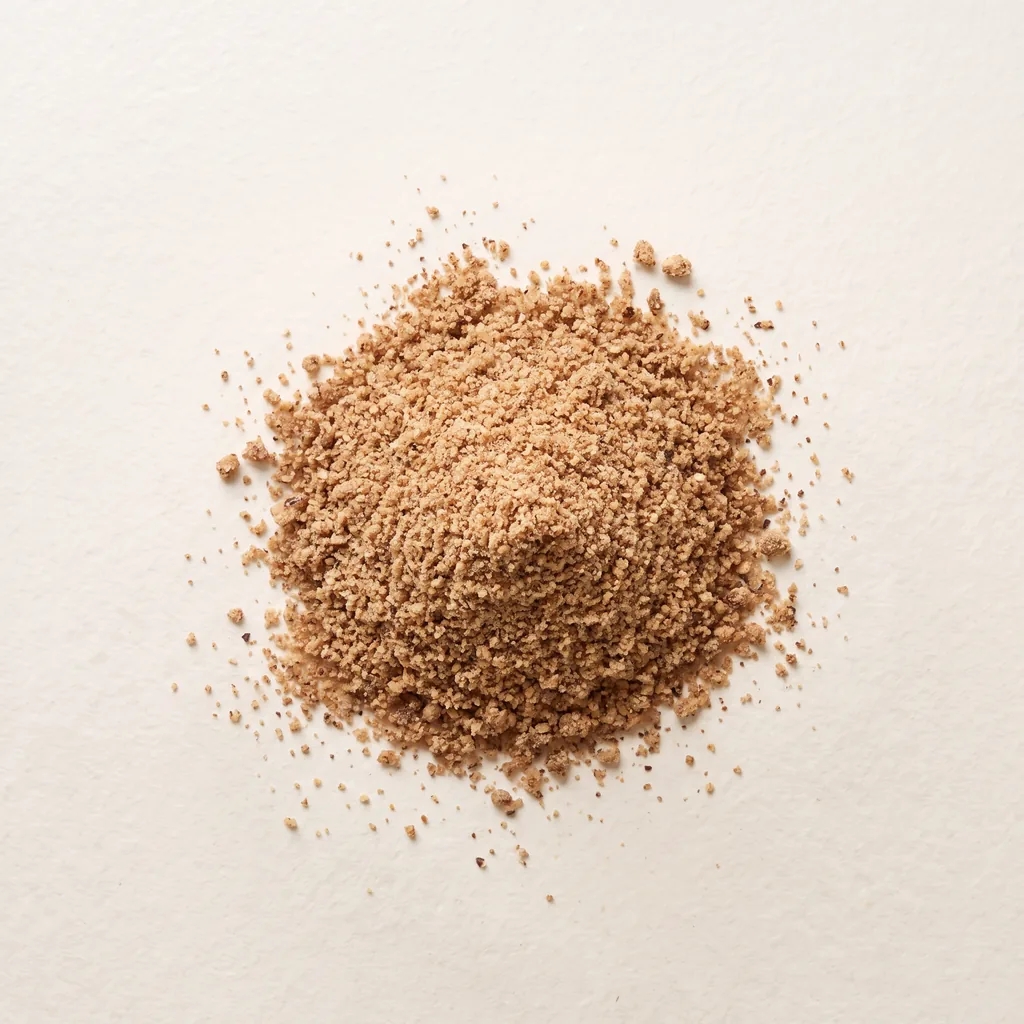
Give hazelnut finely ground.

Lokmini is not a healthcare provider and does not offer health services. For your baby's specific needs, talk to your doctor or a dietitian.

  • Hazelnut allergen
  • Nuts and seeds
  • 6 mo+
  • High choking risk

Hazelnut for babies: when to start

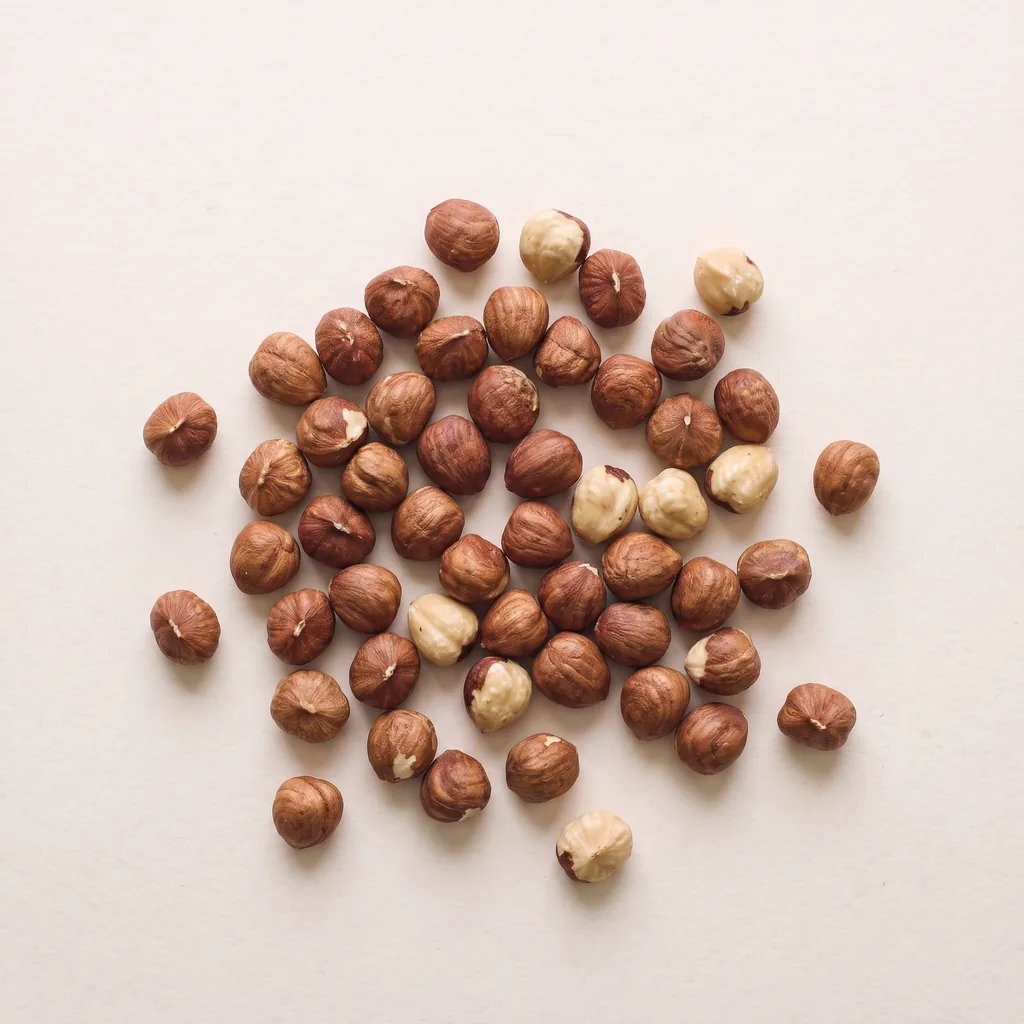
Hazelnut is a nutritious tree nut grown especially in Turkey, Europe, and North America. Turkey has a major place in world hazelnut production.

  • Vitamin E
  • Healthy fats
  • Fiber
  • Iron
  • Protein
  • Vitamin K
Hazelnut prepared for a babyAllergen, day 1/3

About hazelnut

When your baby is ready for solids, usually around 6 months, you can offer hazelnut finely ground or as a thinned, smooth butter.

Hazelnut is a major food allergen. Whole, broken, or coarsely chopped hazelnuts and thick hazelnut butters can be a choking hazard for young children.

Nutrition

Hazelnut is rich in monounsaturated fats, vitamin E, protein, and fiber. It also contains magnesium, copper, manganese, folate, and some iron.

The iron in hazelnut comes from plants and is absorbed less well than iron from animal foods. So it can be a useful addition, especially for babies on a mostly plant-based diet, but it should not be counted as a main iron source.

Hazelnut also contains some vitamin K, but it is not one of the important sources of this vitamin.

Also known as: cobnut, filbert, fındık ezmesi, fındık tozu, ince öğütülmüş fındık, nocciola, noisette

  • Gluten-free
  • Vegan

Hazelnut is offered 3 days in a row

So that any reaction can be linked to the right food, hazelnut is offered 3 days in a row and no other new food is tried on those days.

  1. 1/3

    First taste

    Start with a small amount in the morning or around midday. Your baby is watched closely for 5 to 10 minutes after the first bite.

  2. 2/3

    Same food, same calm

    Hazelnut is offered again the same way. No other new food is tried today.

  3. 3/3

    Introduction done

    If no reaction was seen, hazelnut is now part of your baby's meals. It keeps being offered regularly.

Emergency

If your baby has trouble breathing or swelling of the face or tongue, call 911 (or your local emergency number) right away.

About hazelnut allergy

Hazelnut is a major tree nut allergen that can cause serious allergic reactions. Reactions range from mild signs such as an itchy mouth to anaphylaxis.

Hazelnut allergy can take two forms. In some people, a direct allergy to hazelnut proteins can cause serious reactions. In cross-reactions linked especially to birch pollen, signs such as itching and tingling in the mouth are more common.

But do not assume that pollen-related reactions will always be mild.

A child allergic to hazelnut is not necessarily allergic to all tree nuts or to peanut. Which foods are safe should be decided with a pediatric allergist.

Most babies do not need a routine allergy test before hazelnut is introduced. But if your baby has reacted to hazelnut before, has a known tree nut allergy, or has severe eczema, a doctor's assessment is recommended.

First try

You can start with about 1/8 teaspoon of thinned smooth hazelnut butter or a small amount of finely ground hazelnut.

Watch for possible allergy signs. If no problem appears, raise the amount gradually.

Once hazelnut is tolerated, it can be a regular part of the diet in a suitable texture. However, there is no firmly established weekly amount or frequency that is known to stop a hazelnut allergy from developing.

If widespread hives, swelling of the lips or tongue, repeated vomiting, wheezing, or trouble breathing develop after eating, stop giving it. If you see signs of a serious reaction, call emergency services right away.

How to prepare it by age

6 monthsMash or strip
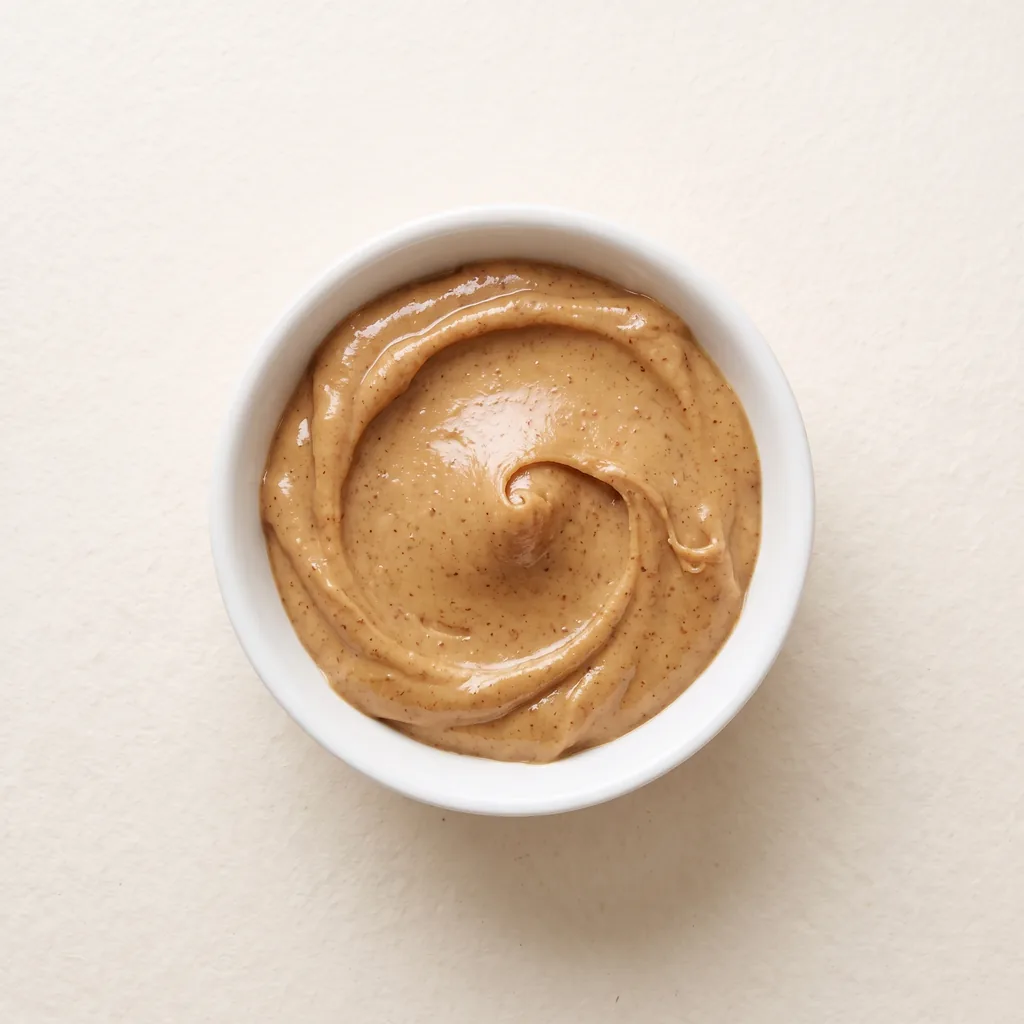
Hazelnut prepared for 6 months

Cut: Smooth puree

Thin smooth, unsweetened hazelnut butter with water, breast milk, or yogurt before serving. Or grind the hazelnuts to a flour-fine powder and stir it into mashed banana. Sweetened and cocoa hazelnut spreads are not given at this age. Tree nuts are a new allergen, so offer them the first time on their own and in the morning.

Cut: Ground

Roll slippery fruit strips, such as banana or pear, in finely ground hazelnut. The powder adds texture to the surface and makes it easier for your baby to grip. Make sure the ground nut has no large pieces.

9 monthsMash

Hazelnut prepared for 9 months

Cut: Ground

Spread thinned hazelnut butter very thinly on a soft strip of bread, or mix ground hazelnuts into oatmeal and yogurt. A thick blob of nut butter sticks in the mouth, so always thin it.

12 monthsMash

Hazelnut prepared for 12 months

Cut: Ground

Keep going with ground hazelnuts and thinned unsweetened hazelnut butter. Whole, broken, or roasted hazelnuts are not given until age 4. In cakes and cookies, hazelnuts must be ground.

Choking risk

  1. Low
  2. Medium
  3. High

Whole hazelnuts, nut pieces, and thick blobs of nut butter are choking risks for babies and young children. Grind the nut to a powder and thin any nut butter.

Sit with your baby while they eat and stay within reach. Set up a safe eating space.

No whole hazelnuts before age 4

Whole or broken hazelnuts are not given before age 4. Medical bodies count nuts as a choking risk until age 4 and beyond.

Teaching whole hazelnuts

After age 3, if your child has mature eating skills, you can think about whole hazelnuts. Your child should bite with the teeth and chew well, moving the food over to one side of the mouth. Your child should avoid stuffing the mouth. They should spit out food that is poorly chewed and be able to eat softer nuts like walnut or pecan.

Hazelnuts are hard, small, and round, which makes them one of the riskiest nuts. Begin with softer nuts. First show your child how it is done. Put the nut between your front teeth, move it to your back teeth with your tongue, chew with your mouth open, and show the crushed nut. Then give your child a turn. Do not place the nut in their mouth yourself. Offer one or two nuts, never more. If your child does not use their teeth, have them spit out the nut and try again in a few weeks.

A child who talks, sings, or yells while eating nuts has a higher choking risk. Show that chewing is done quietly. Check that the mouth is empty before lifting your child out of the chair. Never let a child walk around with nuts in the mouth.

Frequently asked questions

What age can babies eat hazelnut?

Hazelnut is a nutritious tree nut grown especially in Turkey, Europe, and North America. Turkey has a major place in world hazelnut production.

Is hazelnut a common allergen?

Hazelnut is a major tree nut allergen that can cause serious allergic reactions. Reactions range from mild signs such as an itchy mouth to anaphylaxis.

How do you prepare hazelnut for babies?

For a 6-month-old: Thin smooth, unsweetened hazelnut butter with water, breast milk, or yogurt before serving. Or grind the hazelnuts to a flour-fine powder and stir it into mashed banana. Sweetened and cocoa hazelnut spreads are not given at this age. Tree nuts are a new allergen, so offer them the first time on their own and in the morning.

Is hazelnut a choking hazard for babies?

Whole hazelnuts, nut pieces, and thick blobs of nut butter are choking risks for babies and young children. Grind the nut to a powder and thin any nut butter.

Can babies have hazelnut milk?

It is not given as a main drink in the first 12 months. Small amounts can be used in cooking. After age 1, too, it is usually not suitable as a main milk alternative because it is low in protein.

How much hazelnut should I give?

For the first try, you can start with about 1/8 teaspoon of thinned hazelnut butter or a small amount of finely ground hazelnut. If no problem appears, raise the amount gradually. Offering it regularly is fine, but no exact amount specific to hazelnut has been shown to keep an allergy from developing.

Prepared by the Lokmini team | Last updated November 19, 2026

Share:WhatsApp

Want to add this food to your baby's solid food calendar?

Join Lokmini to learn how this food is served at each age and to keep track of every food your baby tries.

Join Lokmini

Starting Solids

When and how to start solids, and what happens in the first week?

Read the guide

Similar foods

Let's get ready for the first bite together

Lokmini builds a day-by-day plan for your baby's age. Leave your email for new guides and our newsletter.

Start Your Journey