Skip to content

Dietitian's view

Give peanut finely ground. Be careful because it is an allergen.

Lokmini is not a healthcare provider and does not offer health services. For your baby's specific needs, talk to your doctor or a dietitian.

  • Peanut allergen
  • Nuts and seeds
  • 6 mo+
  • High choking risk

Peanut for babies: when to start

You can offer peanut once your baby is ready for solids, usually around 6 months. Whole, broken or chopped peanuts and thick peanut butter are choking risks, so learn how to prepare them safely.

  • Protein
  • Fat
  • Fiber
  • Folate
  • Magnesium
  • Iron
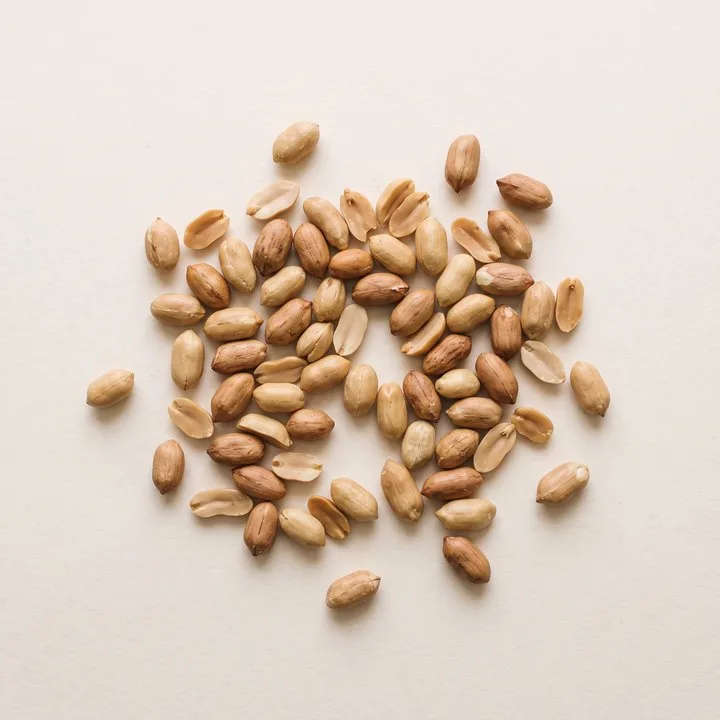
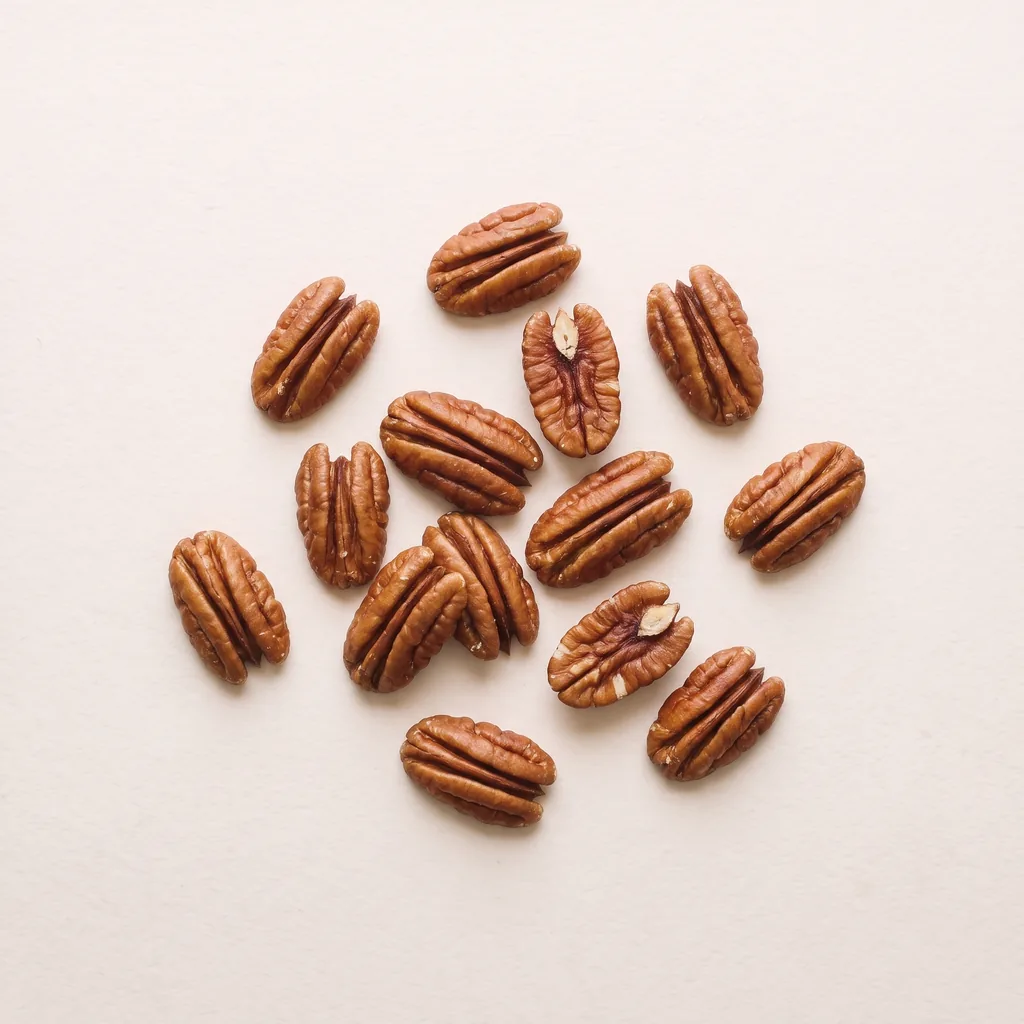
Shelled peanutsAllergen, day 1/3

About peanut

Technically the peanut is not a nut. It is a seed from a legume plant that develops underground, and people eat it. It is native to South America. Food authorities count peanut as a major allergen.

Peanut is high in fat and protein, and it has plenty of fiber. It carries iron, magnesium, zinc, folate, B6 and vitamin E.

Choking warning

Whole peanuts are among the leading causes of fatal choking in young children. Do not give whole or broken peanuts before age 4.

Also known as: fıstık, fıstık ezmesi, peanut butter, yerfıstığı

  • Gluten-free
  • Vegan

Peanut is offered 3 days in a row

So that any reaction can be linked to the right food, peanut is offered 3 days in a row and no other new food is tried on those days.

  1. 1/3

    First taste

    Start with a small amount in the morning or around midday. Your baby is watched closely for 5 to 10 minutes after the first bite.

  2. 2/3

    Same food, same calm

    Peanut is offered again the same way. No other new food is tried today.

  3. 3/3

    Introduction done

    If no reaction was seen, peanut is now part of your baby's meals. It keeps being offered regularly.

Emergency

If your baby has trouble breathing or swelling of the face or tongue, call 911 (or your local emergency number) right away.

About peanut allergy

FPIES warning

It is one of the known triggers of FPIES (a delayed-onset food allergy). In this condition, repeated severe vomiting, pallor and lethargy may occur, usually 1-4 hours after the food is eaten. Diarrhea may appear later. These symptoms require urgent medical evaluation.

Peanut is a common allergen. Peanut allergy in children is on the rise. Risk is higher in babies with severe eczema or egg allergy. If you think your baby may have peanut allergy, or your baby has severe eczema, speak with a pediatric allergist or your pediatrician before you give peanut.

A key study showed that giving peanut early cuts the chance of developing peanut allergy later. Following that study, NIAID, the US agency for allergy and infectious disease research, advises starting peanut before the first birthday, with risk factors in mind. For babies with eczema, earlier introduction, ideally between 4 and 6 months, is advised, but only on the decision of a doctor or allergist.

When peanut allergy develops it usually lasts for life. About 20 percent of children outgrow it. A child with peanut allergy has a 25 to 40 percent chance of reacting to at least one tree nut as well. Highly refined peanut oil is usually tolerated because processing removes the allergenic proteins. Unrefined oil is still a risk.

If a reaction happens

If you see swelling of the lips, face or tongue, trouble breathing, widespread hives or repeated vomiting, stop feeding and call for emergency help right away.

How to prepare it by age

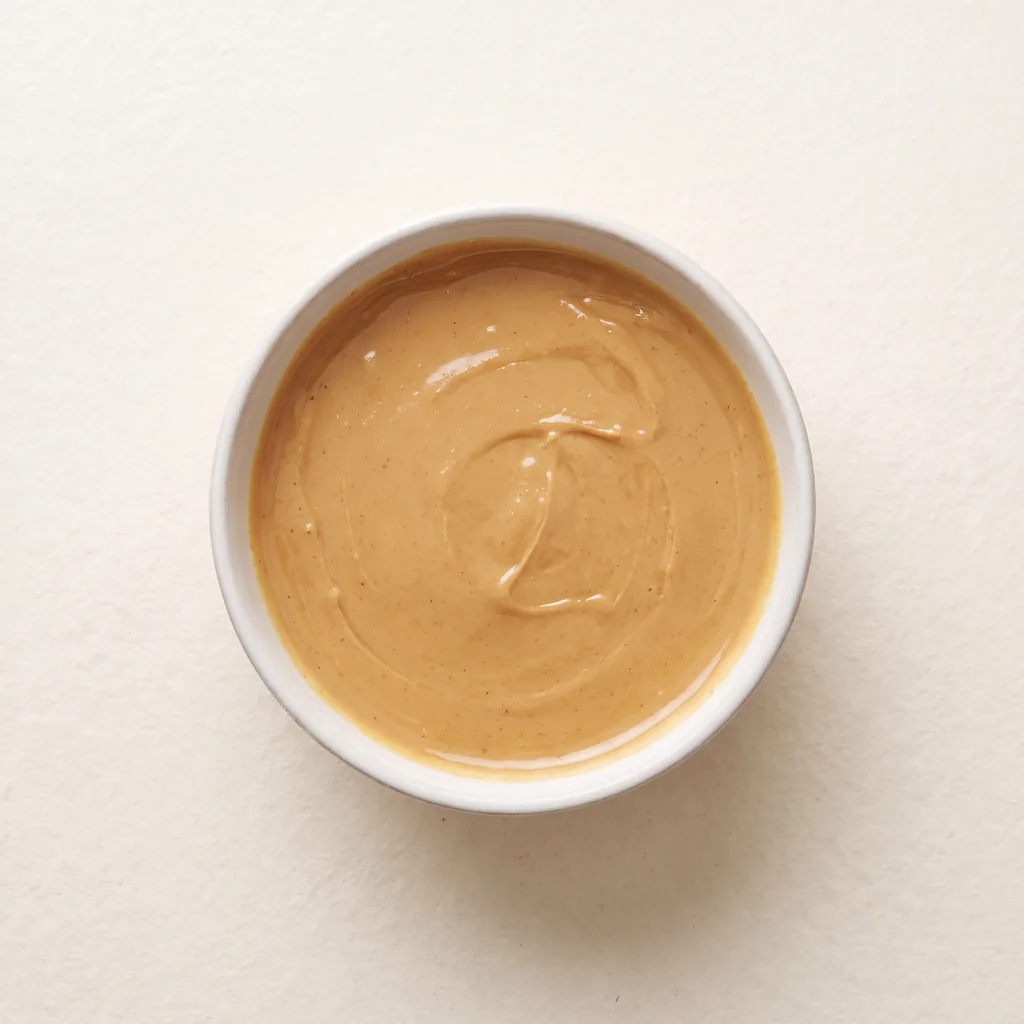
6 monthsMash

Peanut prepared for 6 months

Cut: Smooth puree

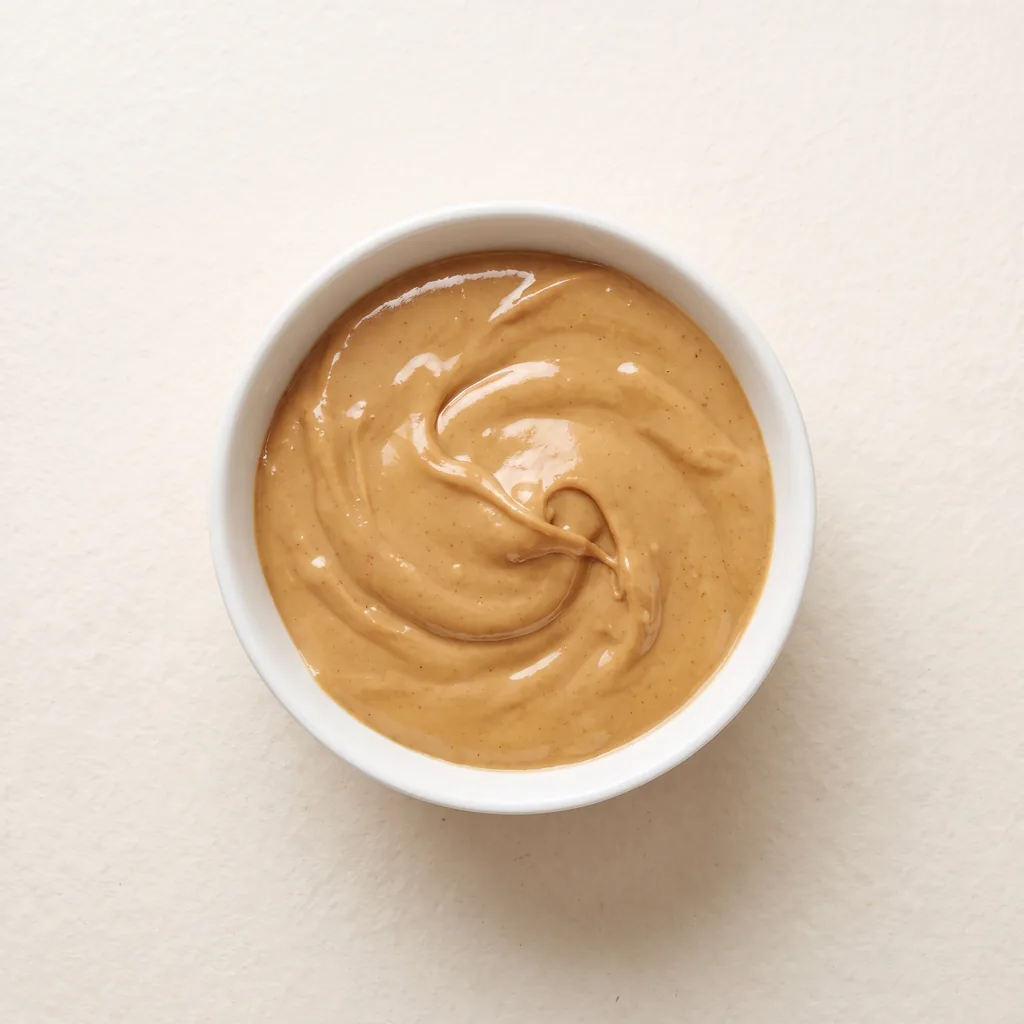
Use applesauce, formula, breast milk, or water to loosen smooth peanut butter without honey until it is thin. Serve it on its own or stir it into porridge or yogurt. Another option is to grind peanuts to a flour-fine powder and sprinkle it on soft foods. The first time, give about a quarter teaspoon and watch for 10 minutes. Do not offer thick paste by the spoon, as it creates a choking risk.
12 monthsMash or slice

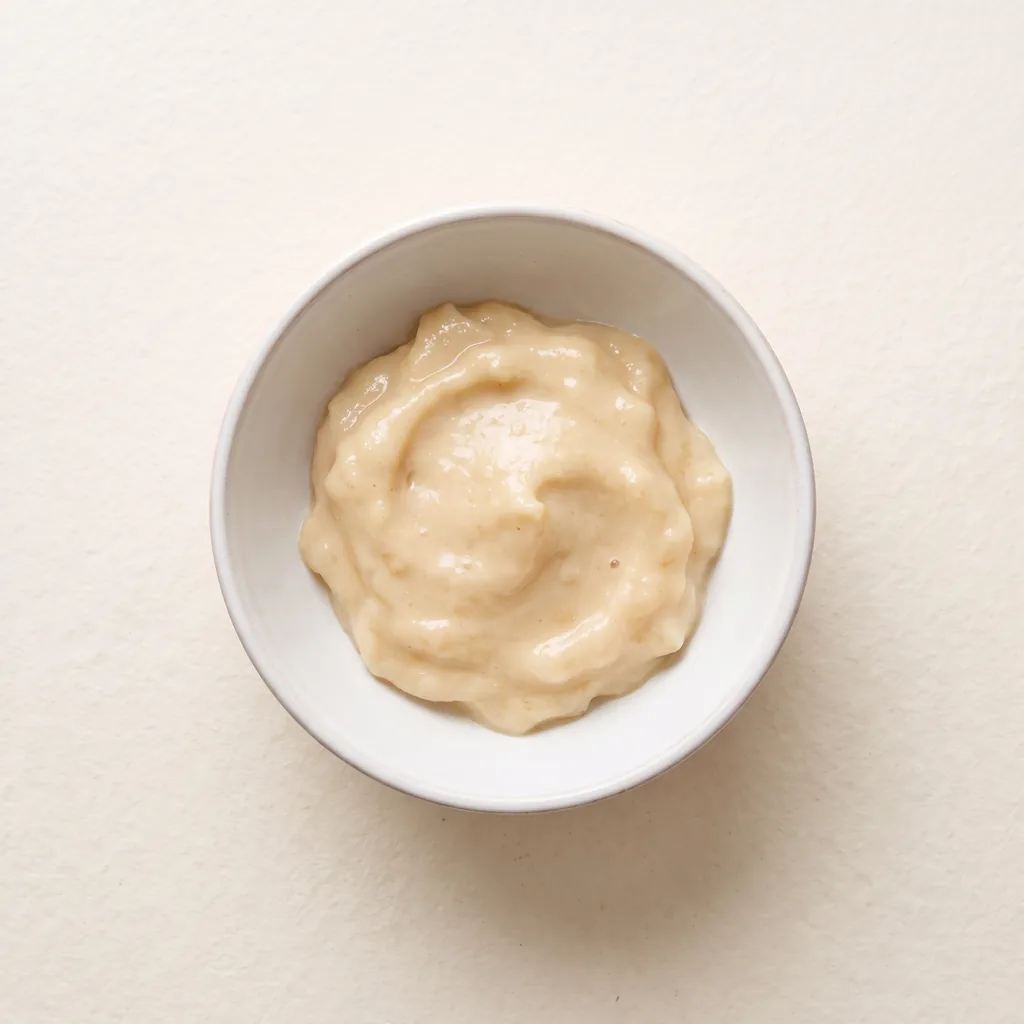
Peanut prepared for 12 months

Keep stirring thinned peanut butter into yogurt, warm cereal or batter. You can spread a very thin layer on toast. Roll slippery fruits in finely ground peanut to help them stay in the hand. Offer water or milk to wash down sticky bites. Whole peanuts are not given before age 4.

Cut: Smooth puree

Spread smooth peanut butter in a thin layer on a slice of toast. After 18 months you can also spread chunky butter very thinly. It is normal if your child pulls the sandwich apart and eats each part alone. Never leave peanut butter in a thick layer or a lump.

Choking risk

  1. Low
  2. Medium
  3. High

Whole, broken or coarsely chopped peanuts are a serious choking hazard for babies and young children. Thick peanut butter can also form a sticky lump in the mouth.

Grind peanuts into a fine powder and mix it into soft foods, or thin smooth peanut butter well before serving.

Do not give whole peanuts or large pieces before 4 years. Even when your child is older, consider their chewing and swallowing skills.

Your baby should sit upright throughout the meal and stay under your constant supervision.

Frequently asked questions

Is peanut a common allergen?

Peanut is a common allergen. Peanut allergy in children is on the rise. Risk is higher in babies with severe eczema or egg allergy. If you think your baby may have peanut allergy, or your baby has severe eczema, speak with a pediatric allergist or your pediatrician before you give peanut.

How do you prepare peanut for babies?

For a 6-month-old: Use applesauce, formula, breast milk, or water to loosen smooth peanut butter without honey until it is thin. Serve it on its own or stir it into porridge or yogurt. Another option is to grind peanuts to a flour-fine powder and sprinkle it on soft foods. The first time, give about a quarter teaspoon and watch for 10 minutes. Do not offer thick paste by the spoon, as it creates a choking risk.
Is peanut a choking hazard for babies?

Whole, broken or coarsely chopped peanuts are a serious choking hazard for babies and young children. Thick peanut butter can also form a sticky lump in the mouth.

When can babies eat peanut?

Most babies can start around 6 months, once ready for solids. Babies with eczema or food allergy may benefit from earlier introduction between 4 and 6 months, but talk to your doctor first.

Can a baby with peanut allergy have peanut oil?

Highly refined oil is usually tolerated, while unrefined oil stays risky. Ask an allergist before giving it to an allergic baby.

Is peanut flour a good choice for babies?

Yes. Finely ground peanut flour with no added sugar or salt can be used in a suitable way. It contains protein and various minerals. Instead of giving it dry, mix it into moist foods such as yogurt, puree or porridge.

Prepared by the Lokmini team | Last updated November 19, 2026

Share:WhatsApp

Want to add this food to your baby's solid food calendar?

Join Lokmini to learn how this food is served at each age and to keep track of every food your baby tries.

Join Lokmini

Starting Solids

When and how to start solids, and what happens in the first week?

Read the guide

Similar foods

Let's get ready for the first bite together

Lokmini builds a day-by-day plan for your baby's age. Leave your email for new guides and our newsletter.

Start Your Journey