Skip to content
  • Fruits
  • 6 mo+
  • Medium choking risk

Pineapple for babies: when to start

You can offer pineapple once your baby is ready for solids, usually around 6 months. Pineapple and other acidic foods can cause a harmless, short-lived rash where the juice touches the skin, and can make diaper rash worse.

  • Vitamin B6
  • Vitamin C
  • Folate
  • Fiber
  • Carbohydrates
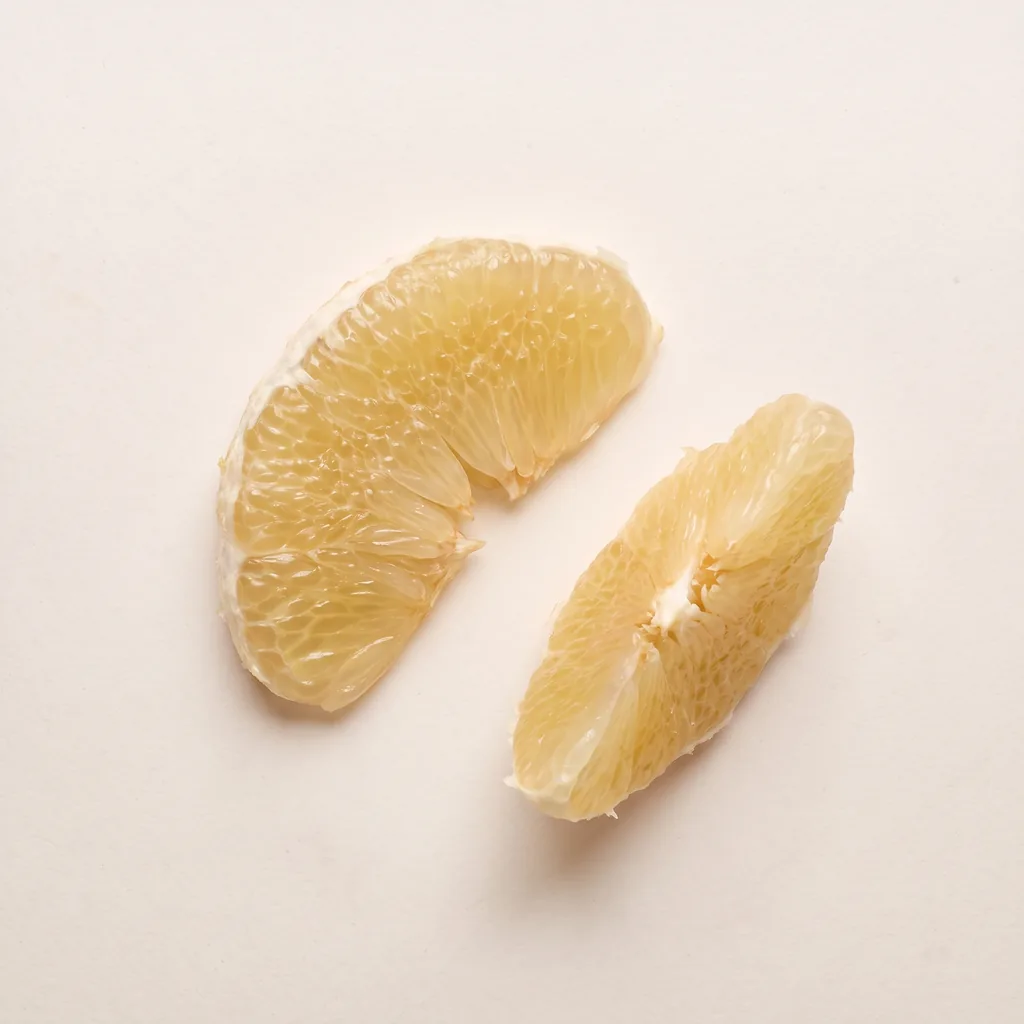
Pineapple prepared for a baby

About pineapple

Pineapple is a fruit native to the warm lowlands of South America.

Pineapple supplies carbohydrates, fiber, folate and the vitamins B6 and C. It also holds antioxidants such as epicatechin and carotenoids.

Also known as: ananas, pineapple, konserve ananas

  • Gluten-free
  • Vegan

How to prepare it by age

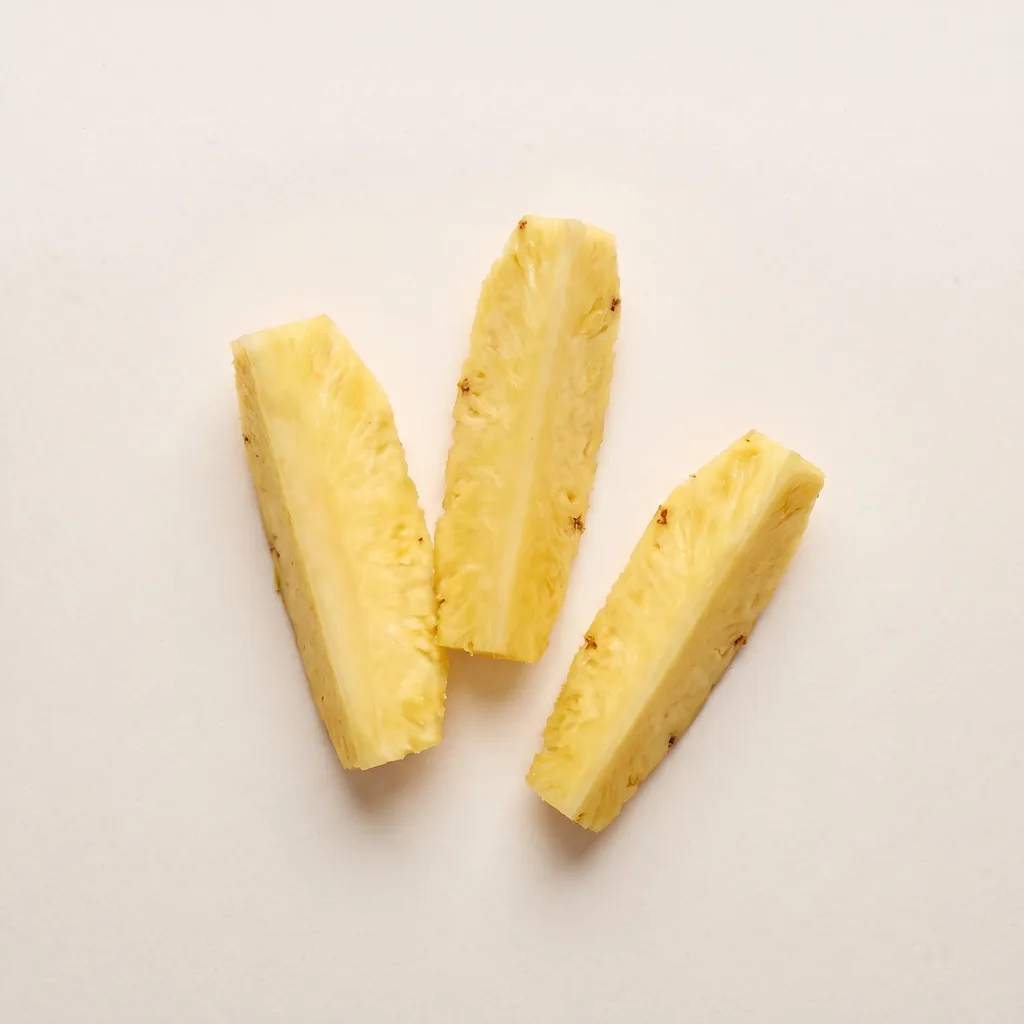
6 monthsStrip

Pineapple prepared for 6 months

Cut: Finger strip

Peel a soft, ripe pineapple and slice it into flat strips, long ones that are about two adult fingers wide. Squeeze a strip with your thumb and a finger. If it squashes easily, it is fine to serve. A ripe pineapple's core makes a good teething aid. Stop if your baby can bite through it. Serving with coconut milk or yogurt softens the acid. No cubes or canned chunks. If you use them, chop fine or give whole canned rings.
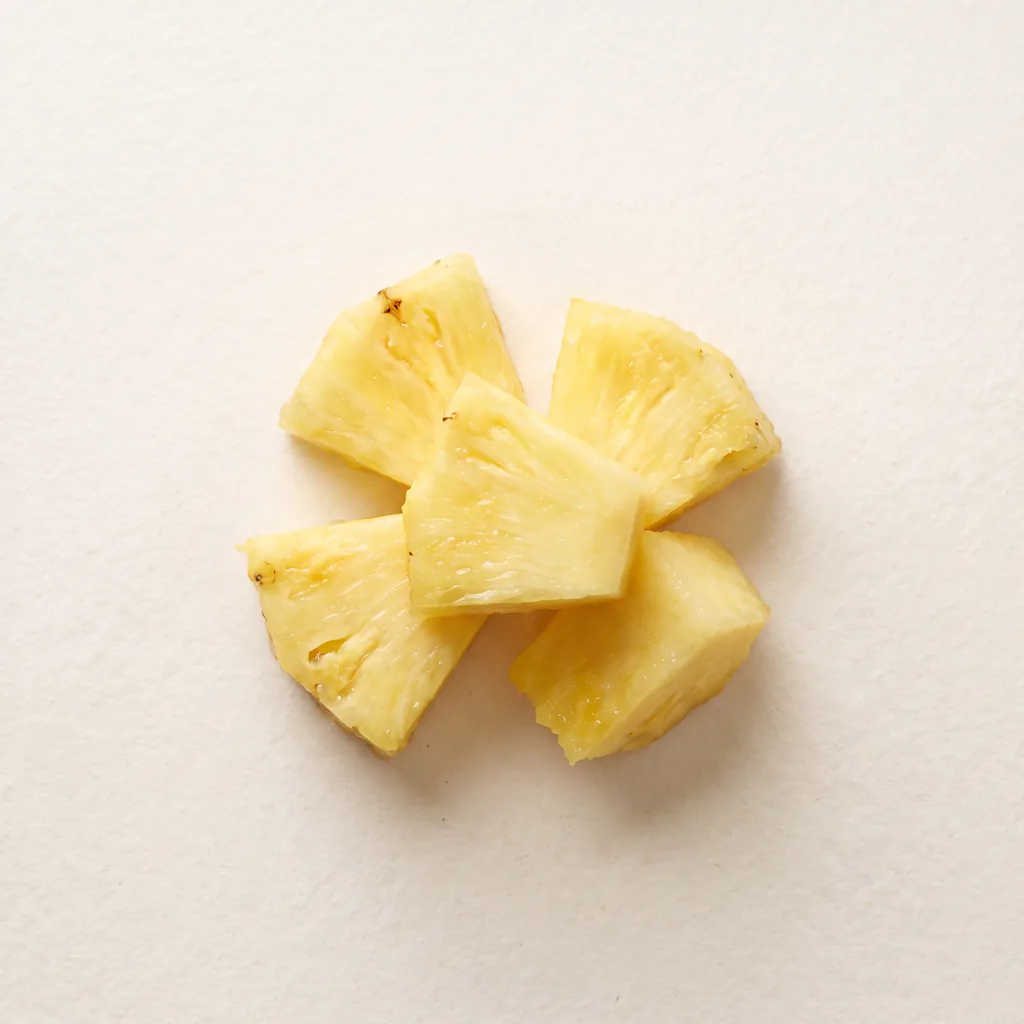
9 monthsCube

Cut: Bite sized piece

Offer soft, ripe pineapple as bite-size pieces. A piece should squash under light pressure between your thumb and finger. You can keep giving large flat strips. Stop the core if your baby can bite through it fully.

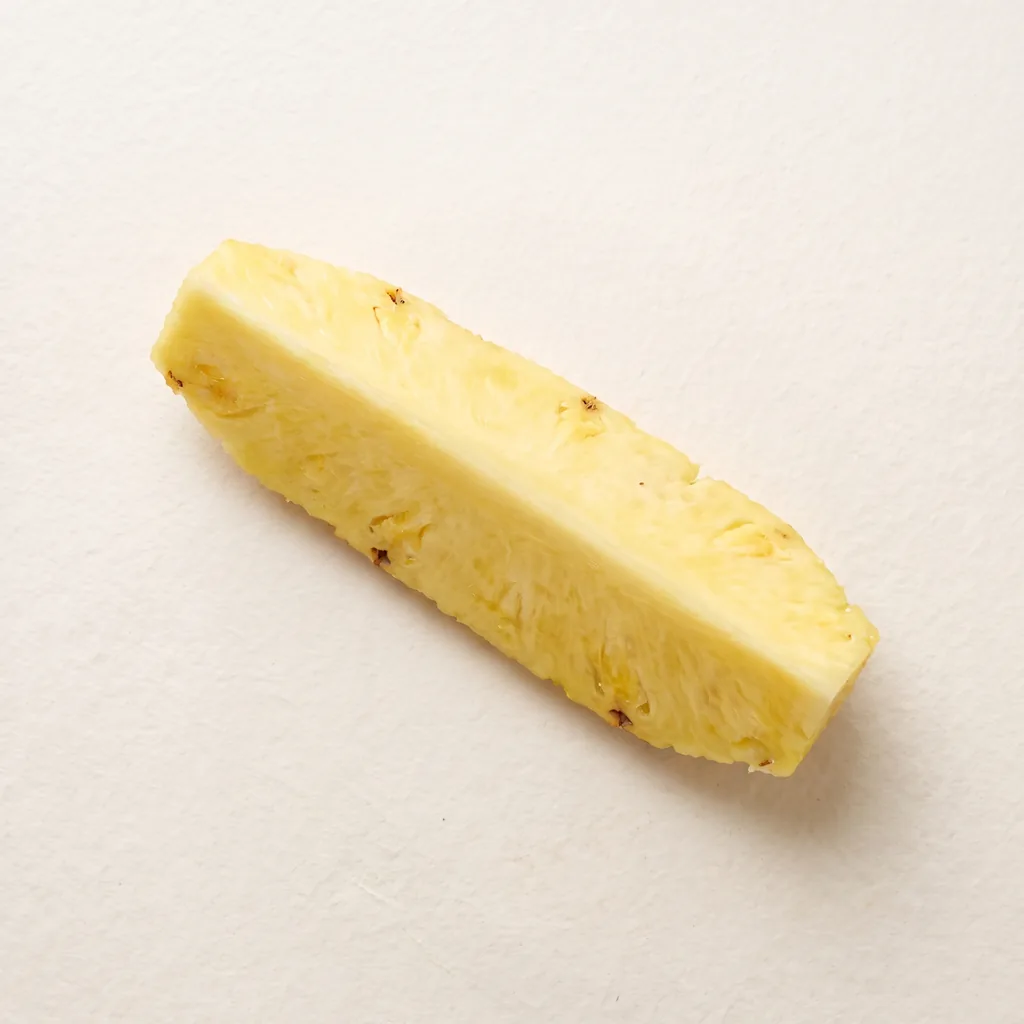
12 monthsCube

Pineapple prepared for 12 months

Cut: Bite sized piece

Keep offering bite-size pieces and put a fork alongside for practice. A fork can tire new eaters, and many children switch between fingers and fork. Most children use a fork accurately by age 3.

Choking risk

  1. Low
  2. Medium
  3. High

Pineapple can pose a choking risk for babies because it is firm, fibrous and slippery. When a bite holds both juice and solid fibrous pieces, babies who are just learning to eat can find it hard to control the food in their mouths, and this can cause gagging or coughing.

To lower the risk, prepare pineapple to suit your baby's age and chewing skills. At the start of solids, serve it pureed or cooked until very soft. As chewing skills grow, you can give soft pieces without fibers that mash easily. Before serving pre-cut cubes or canned pineapple, check how firm and how big the pieces are. If needed, mash them or prepare them in a more suitable way.

Your baby should sit upright for the whole meal and stay under constant supervision. Stay next to your baby, within arm's reach, while they eat.

Allergen information

Pineapple is not a common food allergen, but it can rarely cause allergic reactions. The bromelain enzyme in pineapple has been linked to allergic reactions. Cross-reactions can happen in people sensitive to latex or certain pollens. But this does not mean everyone with a latex or pollen allergy will also be allergic to pineapple.

In pollen food allergy syndrome, the mouth and throat can itch, tingle or swell slightly. At the same time, the acidity of pineapple and its bromelain enzyme can also cause temporary burning and irritation in the mouth. These signs can look alike and cannot always be told apart by the symptoms alone. Cooking can reduce bromelain activity, but it does not fully stop allergic reactions.

When you offer pineapple to your baby for the first time, start with a small amount and watch for possible reactions. If you suspect an allergy, stop giving it and talk to a health professional.

If a reaction happens

If hives, swelling of the lips or face, or repeated vomiting develop after eating pineapple, your baby needs urgent medical assessment for an allergic reaction. If you see serious signs such as trouble breathing, swelling of the tongue or throat, or a change in consciousness, call emergency services right away.

Frequently asked questions

What age can babies eat pineapple?

You can offer pineapple once your baby is ready for solids, usually around 6 months. Pineapple and other acidic foods can cause a harmless, short-lived rash where the juice touches the skin, and can make diaper rash worse.

Is pineapple a common allergen?

Pineapple is not a common food allergen, but it can rarely cause allergic reactions. The bromelain enzyme in pineapple has been linked to allergic reactions. Cross-reactions can happen in people sensitive to latex or certain pollens. But this does not mean everyone with a latex or pollen allergy will also be allergic to pineapple.

How do you prepare pineapple for babies?

For a 6-month-old: Peel a soft, ripe pineapple and slice it into flat strips, long ones that are about two adult fingers wide. Squeeze a strip with your thumb and a finger. If it squashes easily, it is fine to serve. A ripe pineapple's core makes a good teething aid. Stop if your baby can bite through it. Serving with coconut milk or yogurt softens the acid. No cubes or canned chunks. If you use them, chop fine or give whole canned rings.
Is pineapple a choking hazard for babies?

Pineapple can pose a choking risk for babies because it is firm, fibrous and slippery. When a bite holds both juice and solid fibrous pieces, babies who are just learning to eat can find it hard to control the food in their mouths, and this can cause gagging or coughing.

Why does pineapple sting my baby's mouth?

The bromelain enzyme and organic acids in pineapple can cause temporary burning, tingling or irritation in the mouth. Cooking can reduce bromelain activity. You can serve pineapple mixed with soft foods such as yogurt. But if there is clear swelling, hives or other allergy signs, do not assume it is just irritation.

Can I give canned pineapple?

Yes. You can choose canned pineapple packed in its own juice with no added sugar. But make sure the canned pieces are soft enough. Instead of hard or large cubes and whole rings, serve it mashed, pureed or in small, soft pieces that suit your baby's chewing skills.

Can pineapple cause diaper rash?

The acidity of pineapple can contribute to skin irritation in some babies. But there is not enough clinical evidence that eating pineapple directly causes diaper rash. If redness develops in the diaper area, gently clean and dry the area. If needed, you can use a suitable barrier cream. For recurring or severe diaper rash, talk to a health professional.

Prepared by the Lokmini team | Last updated November 19, 2026

Share:WhatsApp

Want to add this food to your baby's solid food calendar?

Join Lokmini to learn how this food is served at each age and to keep track of every food your baby tries.

Join Lokmini

Starting Solids

When and how to start solids, and what happens in the first week?

Read the guide

Similar foods

Let's get ready for the first bite together

Lokmini builds a day-by-day plan for your baby's age. Leave your email for new guides and our newsletter.

Start Your Journey