6 monthsStrip
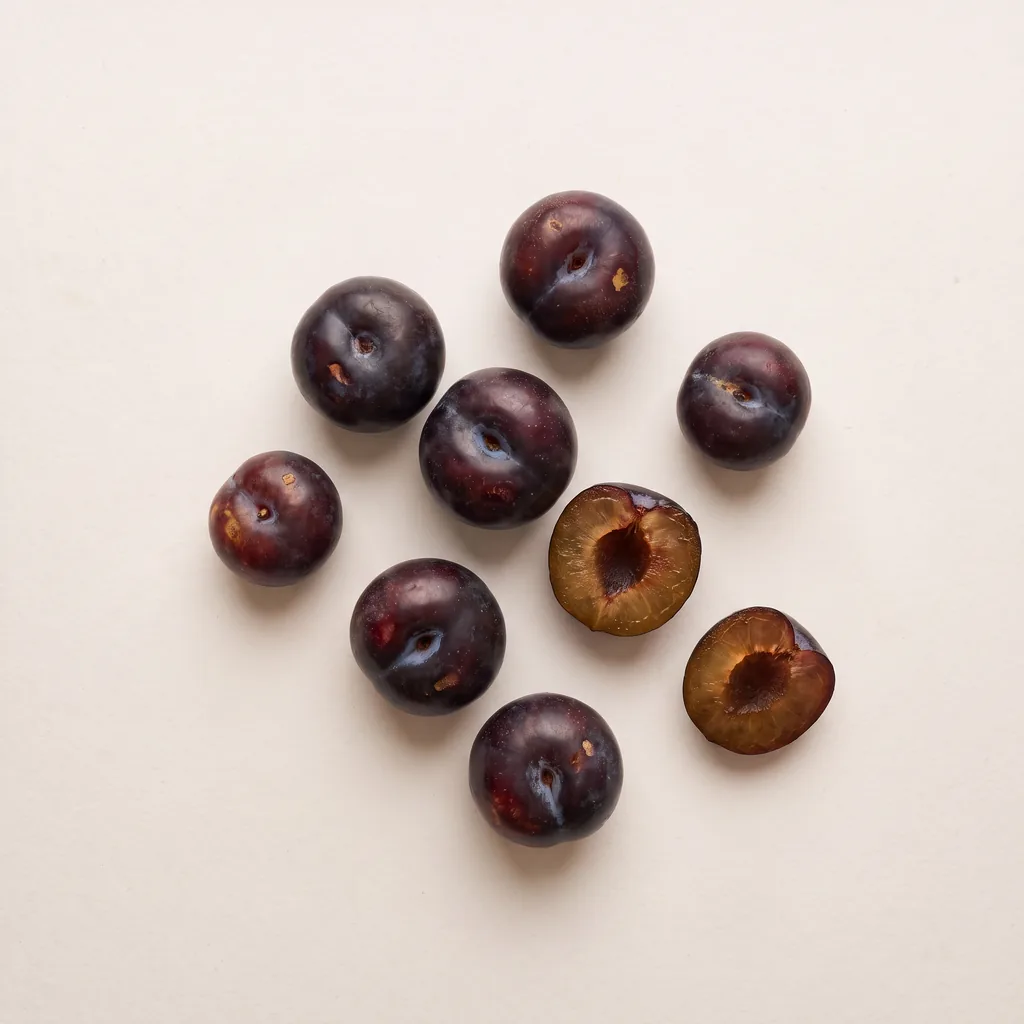
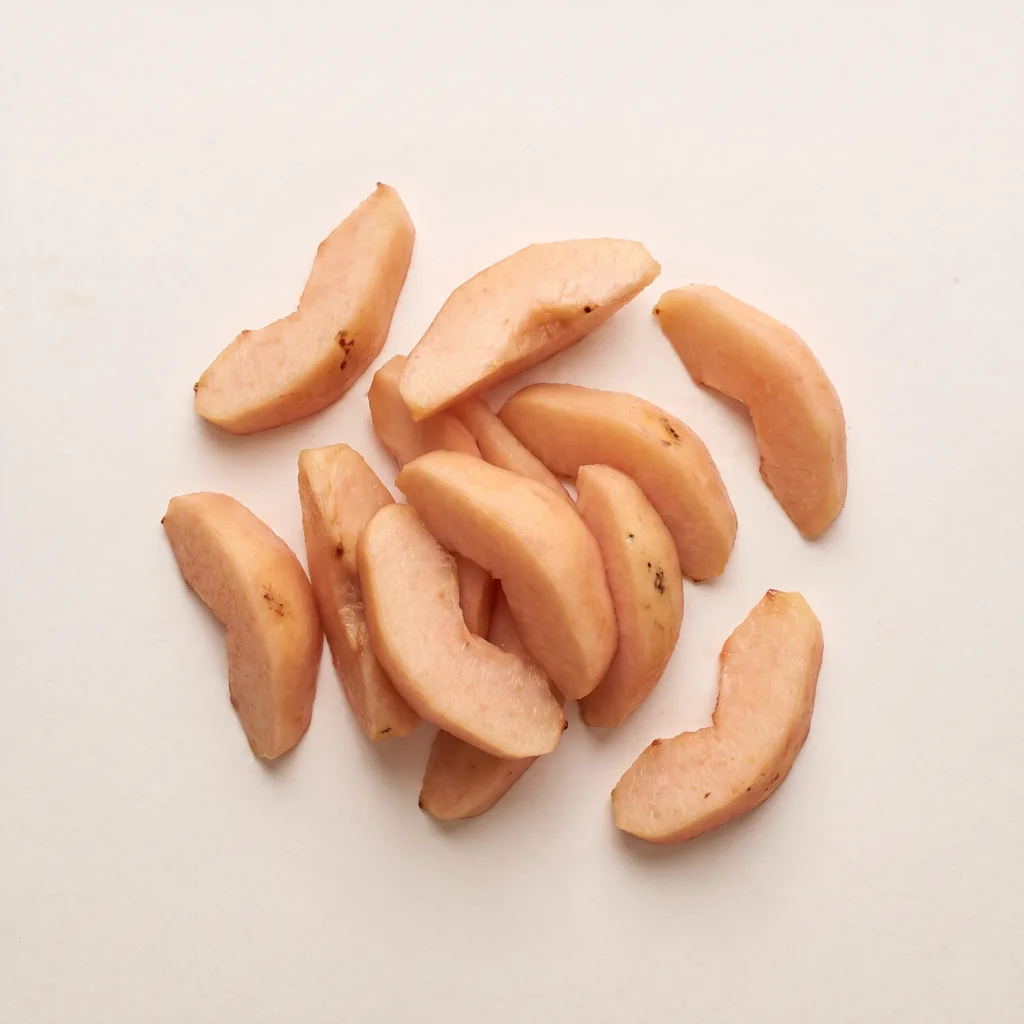
Remove the pit from a ripe, soft plum. Serve a half with the skin on as a palm-sized piece, or peel it, mash it with a fork and stir it into yogurt. Do not serve hard, sour plums unless they are mashed.
Dietitian's view
Give plum to your baby softened and be careful about the pit.
Lokmini is not a healthcare provider and does not offer health services. For your baby's specific needs, talk to your doctor or a dietitian.
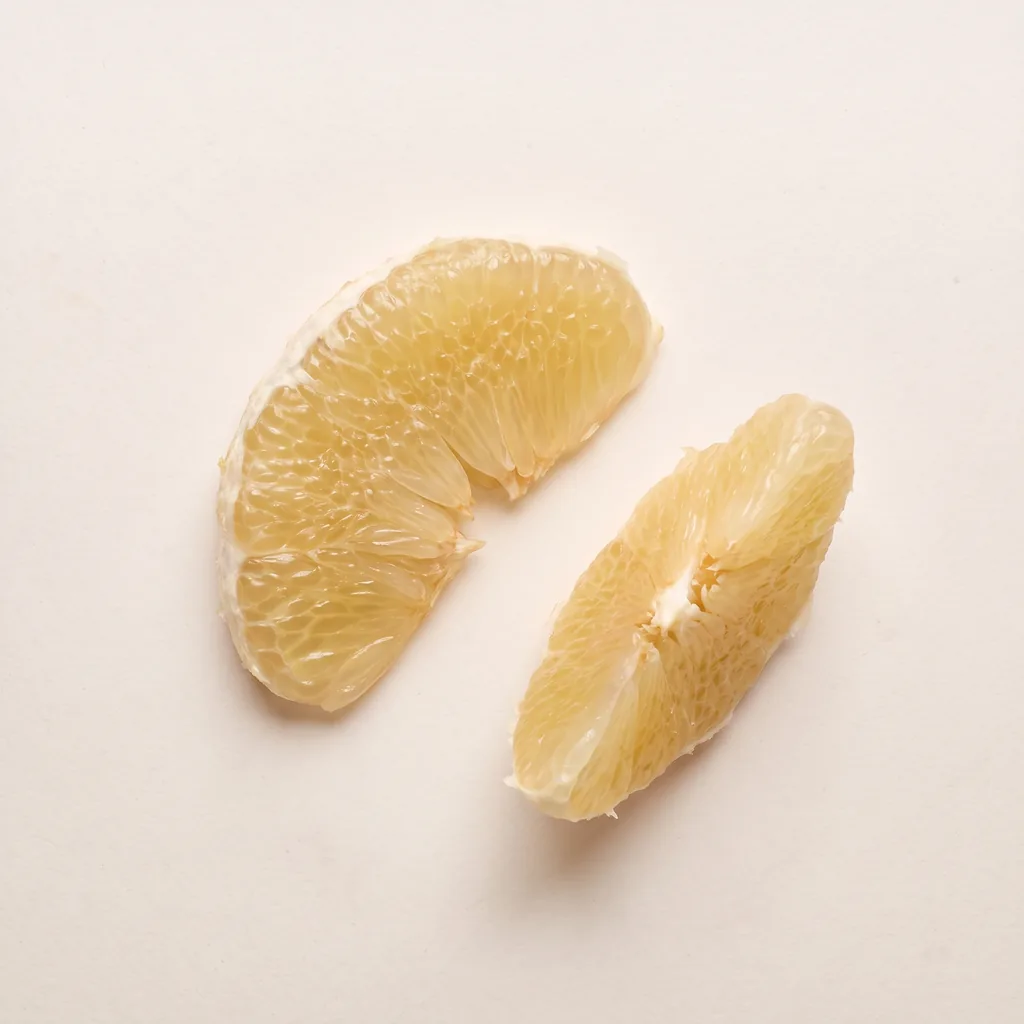
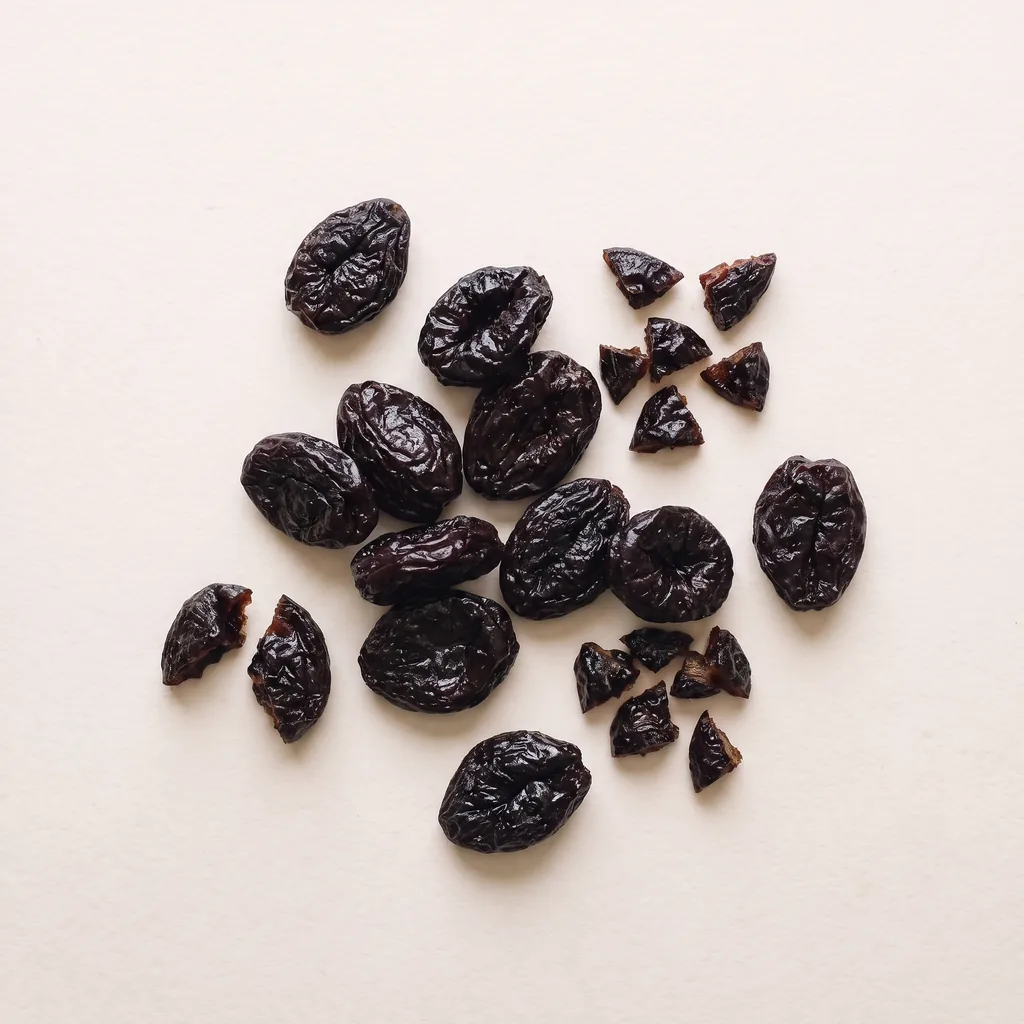
Plum can be offered at around 6 months, as long as it is very ripe and soft or cooked until soft. Dried plum (prune) works at the same age once softened.
The plum grows wild across North America, Europe and Asia. There are thousands of varieties. Some are very sweet, some sour and some astringent.
Plum provides carbohydrates, fiber and fluid. It also contains vitamin C, vitamin K and potassium.
Also known as: can eriği, kuru erik, mirabelle, şam eriği
6 monthsStrip
Remove the pit from a ripe, soft plum. Serve a half with the skin on as a palm-sized piece, or peel it, mash it with a fork and stir it into yogurt. Do not serve hard, sour plums unless they are mashed.
9 monthsCube
Cut: Bite sized piece
Peel a pitted ripe plum and cut it into small pieces. Green, hard plums (can eriği) are not suitable at this age. Offer only soft, ripe plum. Rolling slippery pieces in a little ground seed can add grip.
12 monthsCube
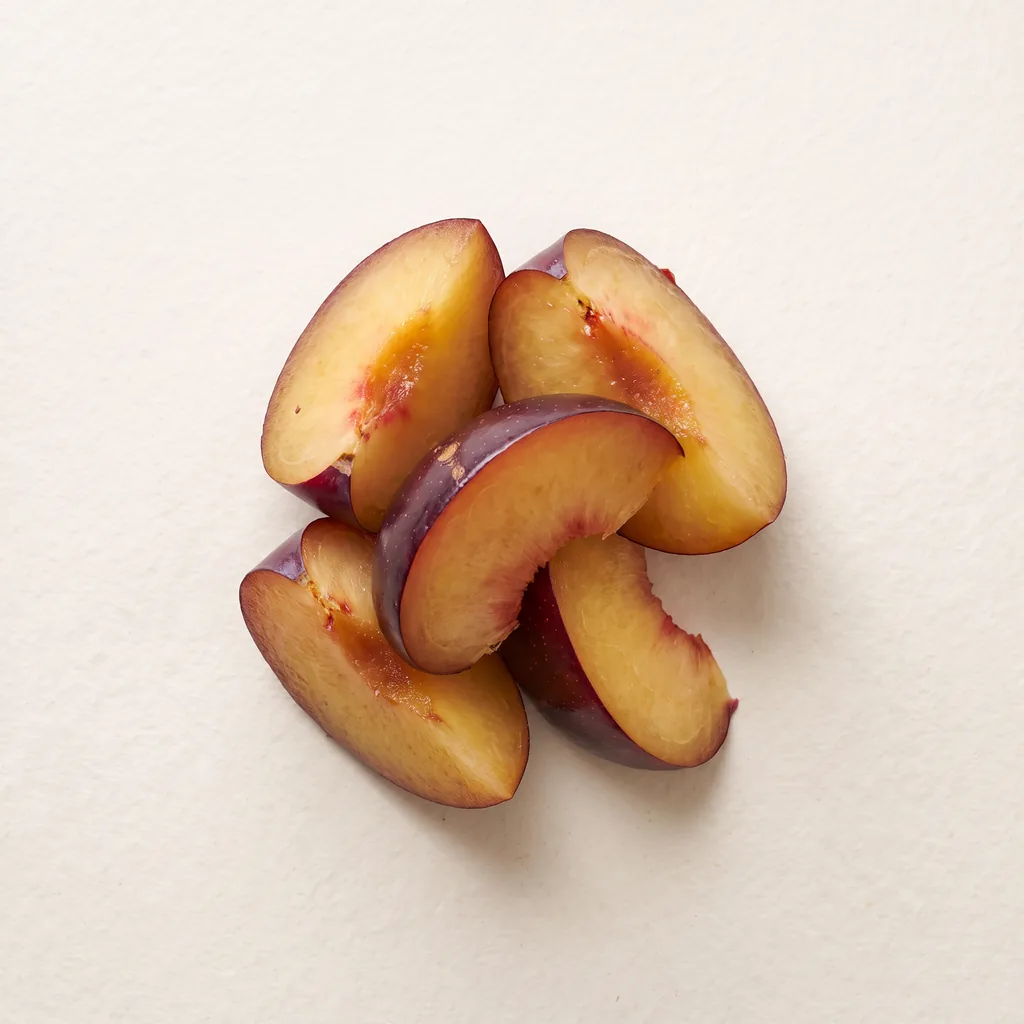
Cut: Quartered
Pit ripe plums and serve them in quarters, skin on if you like. Whole plums and pits wait until age 4. You can soften dried plums (prunes) and cut them small. They can help with constipation.
Plum is a choking risk, especially when it is firm and slippery. The pit can also block the airway. So always remove the pit and choose ripe, soft plums.
Your baby should sit upright during the whole meal and stay within your arm's reach.
Safe cutting
6 to 9 months: Pitted, very soft plum halves or mash. 9 to 12 months: Soft, thin slices or small pieces. 12 months and up: Plum quarters or slices, depending on chewing skills.
Plum is not a common allergen, but it can rarely cause serious allergic reactions. Cross-reactions can occur, especially in people allergic to peach, cherry, or nectarine.
In people sensitive to birch pollen, itching, tingling, or burning in the mouth can occur. This is rare in babies. Peeling or cooking plum can lessen some allergic reactions, but it does not stop all of them.
When you offer plum to your baby for the first time, start with a small amount and watch how your baby responds. If there is no problem, you can raise the amount over time. If hives, swelling, or repeated vomiting develop, stop giving it and contact a health professional. If there is trouble breathing, call emergency services right away.
Prepared by the Lokmini team | Last updated November 19, 2026
Join Lokmini to learn how this food is served at each age and to keep track of every food your baby tries.
Lokmini builds a day-by-day plan for your baby's age. Leave your email for new guides and our newsletter.
Start Your Journey