Skip to content

Dietitian's view

You can give prune as a puree.

Uzm. Dyt. Berk AysanPrepared the latest update, November 14, 2026

Lokmini is not a healthcare provider and does not offer health services. For your baby's specific needs, talk to your doctor or a dietitian.

  • Fruits
  • 6 mo+
  • High choking risk

Prune for babies: when to start

Pitted prune can be offered once your baby is ready for solids, around 6 months. It must be soaked and mashed or finely chopped.

  • Fiber
  • Iron
  • Calcium
  • Potassium
  • Vitamin B6
  • Vitamin K
Prune prepared for a baby

About prune

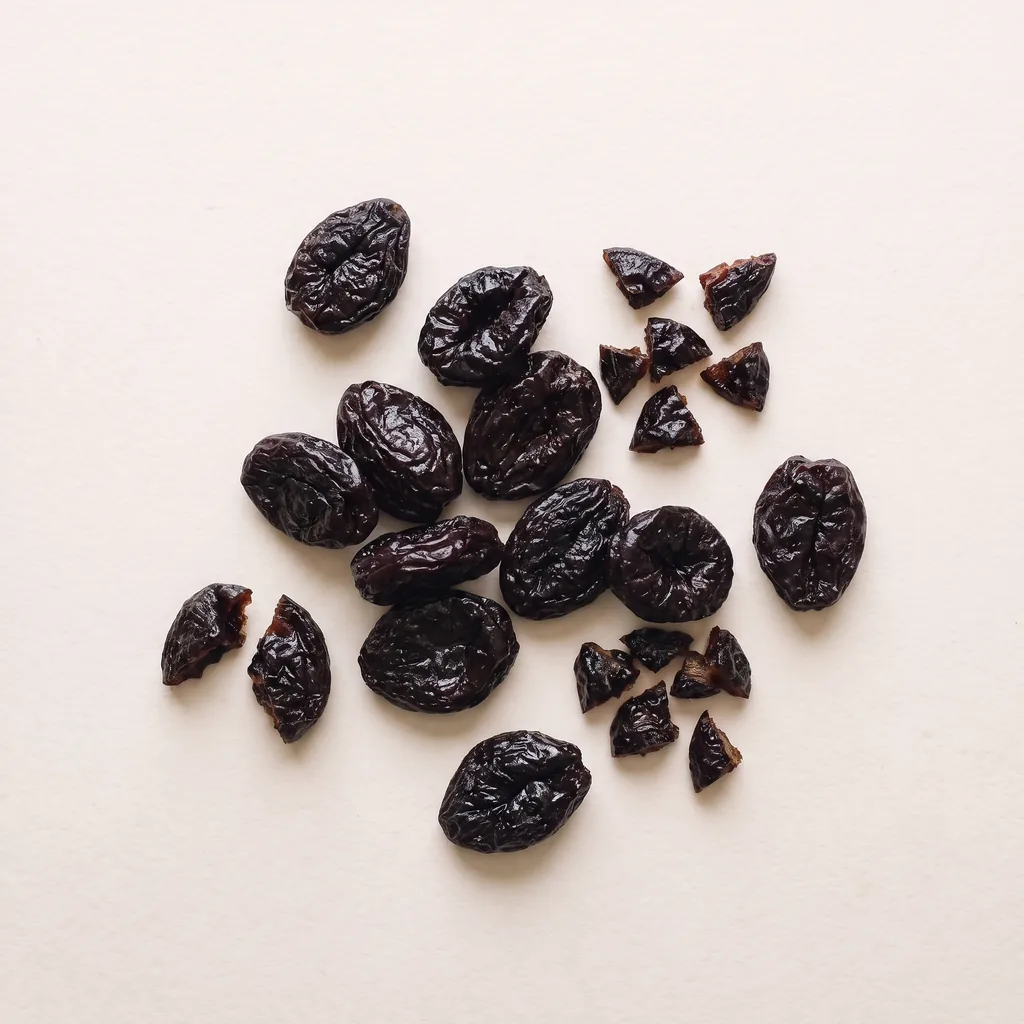
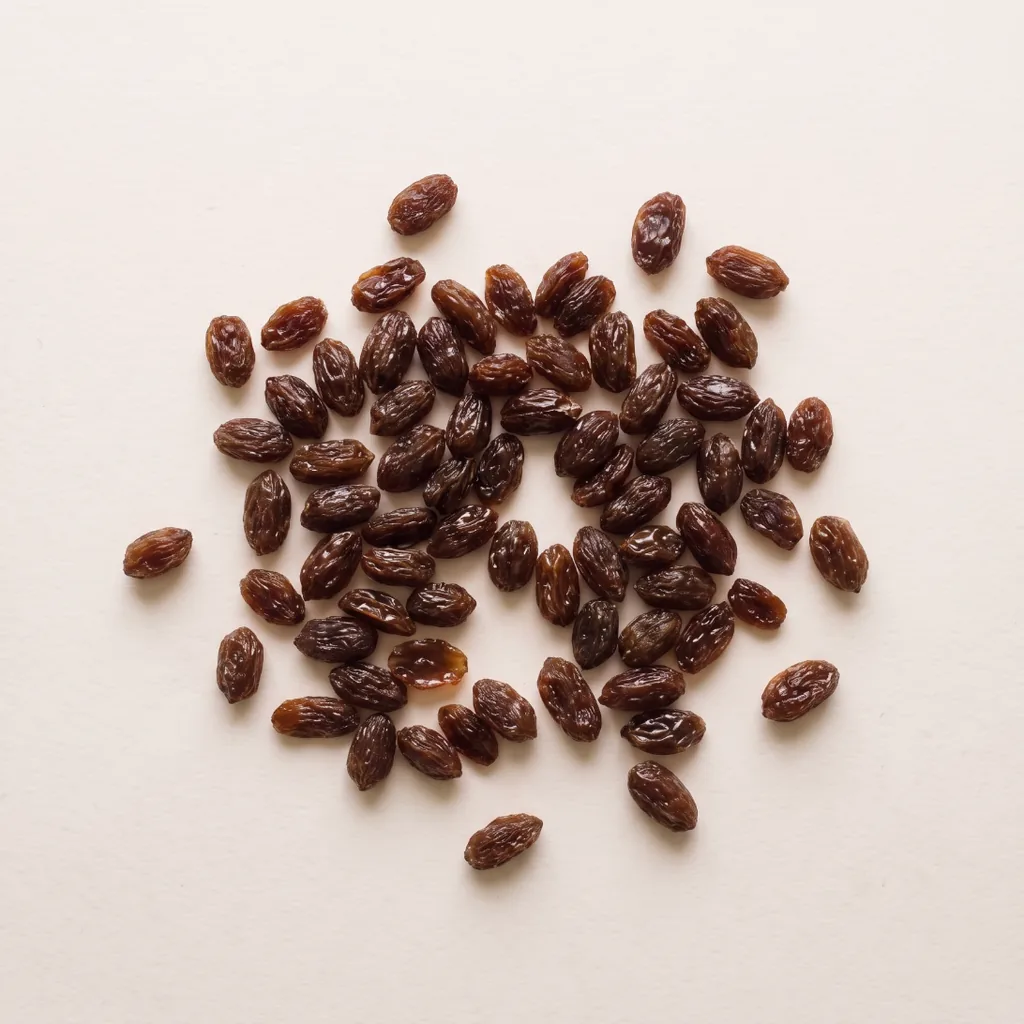
A prune is simply a dried plum. Any plum can be dried. Still, most of what is sold as "prunes" comes from California or France, the largest growers of this type.

Nutrition

Prune is a fruit rich in carbohydrates and fiber. It has notable amounts of potassium and vitamin K. It also gives small amounts of iron, calcium and vitamin B6.

When the fruit dries, its water content drops, and its natural sugars and some nutrients become more concentrated by weight. So prunes should be offered in smaller portions than fresh plums. Choose products with no added sugar.

Also known as: çekirdeksiz kuru erik, kurutulmuş erik, kara erik, kuru erik hoşafı

  • Gluten-free
  • Vegan

How to prepare it by age

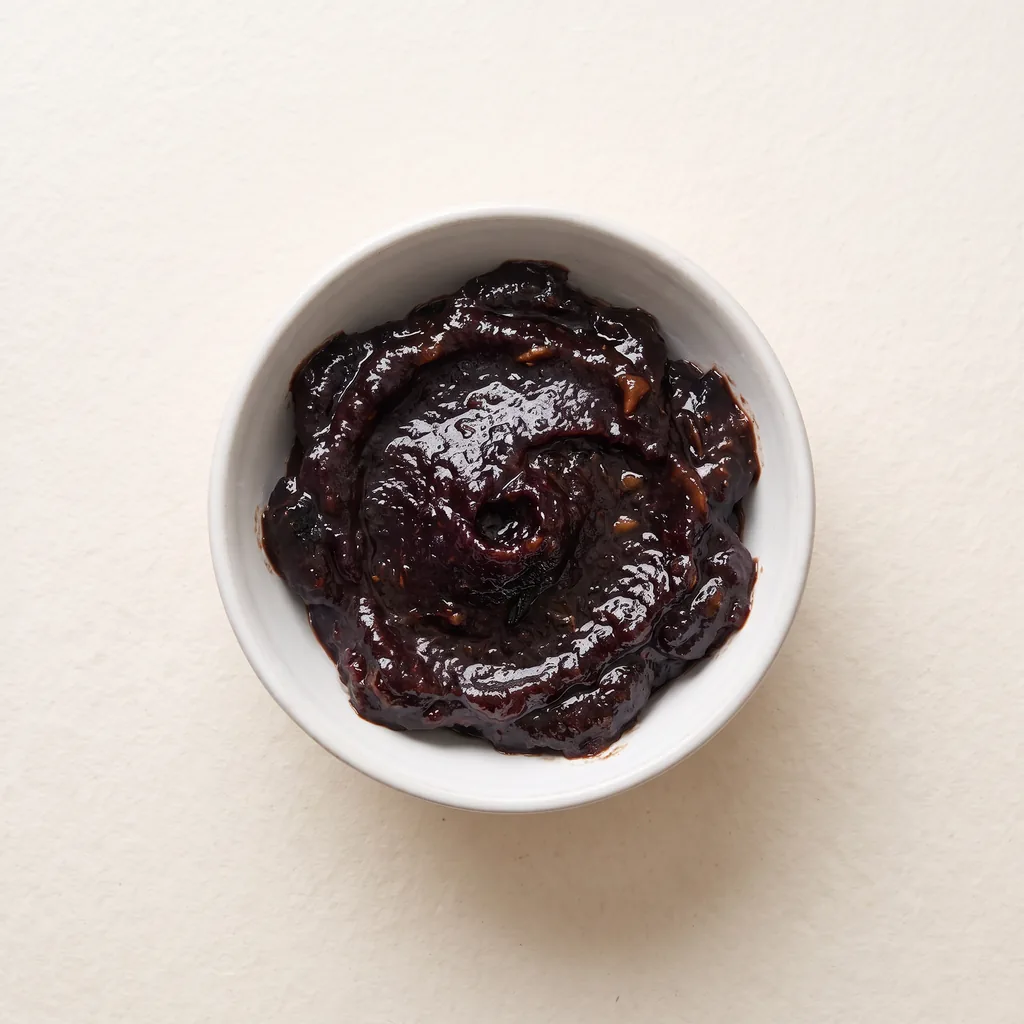
6 monthsMash

Prune prepared for 6 months

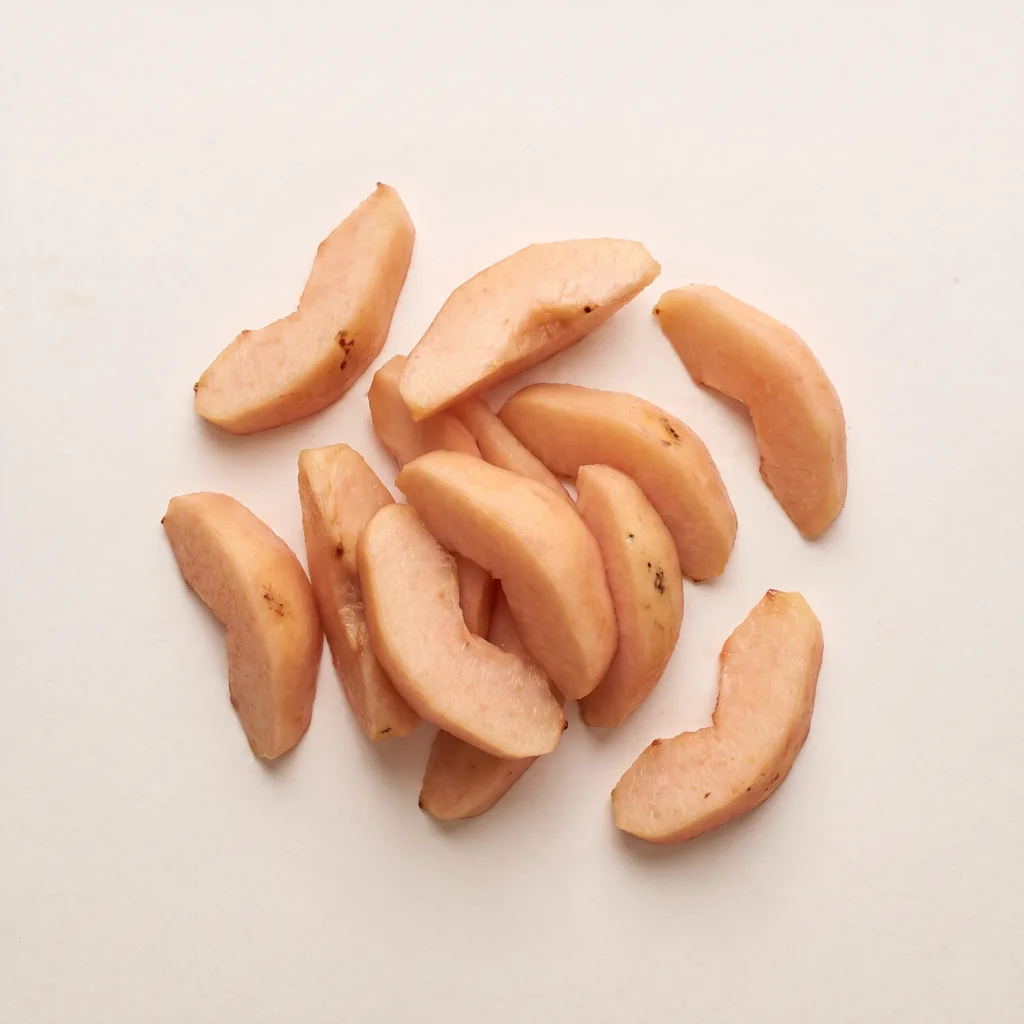
Let pitted prunes sit in hot water for about a quarter of an hour. When fully soft, chop very fine, mash or purée. Serve alone or stirred into oat porridge or yogurt. Start small. The fiber content is high and may cause gas or loose stools.
12 monthsCube

Prune prepared for 12 months

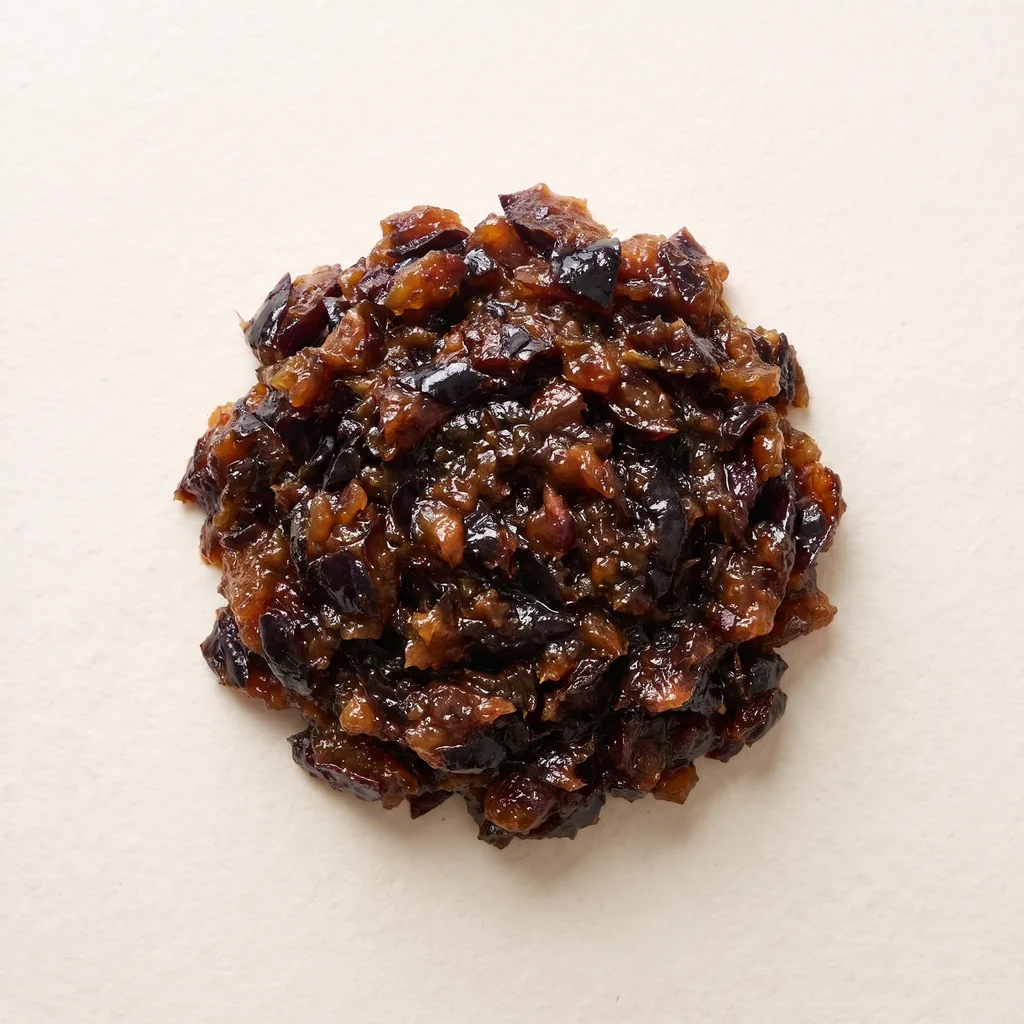
Cut: Finely chopped

Chop pitted prunes very fine. Soaking is no longer required at this age, though it lowers choking risk. Serve the chopped pieces alone or stirred into porridge and yogurt. A whole prune is not suggested before 18 months.

Choking risk

  1. Low
  2. Medium
  3. High

Because of its firm, dense and sticky texture, prune is a choking risk for babies. Always remove the pit and soak it in water until it is completely soft. For babies just starting solids, serve it mashed or pureed. As their chewing skills develop, you can chop it very finely. Do not give whole prunes or large pieces. Your baby should sit upright for the whole meal and be watched by you at all times.

Safe preparation

Remove the pit, soften the prune completely and mash it. As your baby's chewing skills develop, you can serve it very finely chopped. Avoid hard, whole or large pieces of prune.

Allergen information

Prune is not a common food allergen, but in rare cases it can cause allergic reactions. Some people allergic to birch pollen, or to fruits in the same plant family such as peach, apricot and plum, may have a cross-reaction.

In pollen food allergy syndrome, the mouth may itch, tingle or swell slightly. Symptoms are usually mild, but serious reactions can rarely happen. Drying does not fully remove the allergens.

When you offer prune for the first time, start with a small amount and watch how your baby responds. If hives, swollen lips or repeated vomiting appear, stop feeding it and talk to your doctor. If your baby has trouble breathing, call emergency services right away.

Frequently asked questions

What age can babies eat prune?

Pitted prune can be offered once your baby is ready for solids, around 6 months. It must be soaked and mashed or finely chopped.

Is prune a common allergen?

Prune is not a common food allergen, but in rare cases it can cause allergic reactions. Some people allergic to birch pollen, or to fruits in the same plant family such as peach, apricot and plum, may have a cross-reaction.

How do you prepare prune for babies?

For a 6-month-old: Let pitted prunes sit in hot water for about a quarter of an hour. When fully soft, chop very fine, mash or purée. Serve alone or stirred into oat porridge or yogurt. Start small. The fiber content is high and may cause gas or loose stools.
Is prune a choking hazard for babies?

Because of its firm, dense and sticky texture, prune is a choking risk for babies. Always remove the pit and soak it in water until it is completely soft. For babies just starting solids, serve it mashed or pureed. As their chewing skills develop, you can chop it very finely. Do not give whole prunes or large pieces. Your baby should sit upright for the whole meal and be watched by you at all times.

Does prune help constipation?

Prune has fiber and sorbitol. If constipation continues, talk to your pediatrician.

Why should I soak prunes?

Soaking softens the hard, sticky texture of prunes and makes them easier to mash. When they are prepared the right way, this lowers the choking risk.

Do prunes carry a lot of sugar?

When the fruit loses water during drying, its natural sugars become concentrated. Choose prunes with no added sugar and offer them to your baby in small portions.

My baby got gassy. Should I stop prunes?

The fiber and sorbitol in prunes can cause gas, tummy discomfort or loose stools in some babies. Cut back the amount and watch how your baby responds. If the problem continues, talk to your pediatrician.
Share:WhatsApp

Want to add this food to your baby's solid food calendar?

Join Lokmini to learn how this food is served at each age and to keep track of every food your baby tries.

Join Lokmini

Starting Solids

When and how to start solids, and what happens in the first week?

Read the guide

Similar foods

Let's get ready for the first bite together

Lokmini builds a day-by-day plan for your baby's age. Leave your email for new guides and our newsletter.

Start Your Journey