Skip to content

Uzm. Dyt. Berk AysanPrepared the latest update, November 14, 2026

Lokmini is not a healthcare provider and does not offer health services. For your baby's specific needs, talk to your doctor or a dietitian.

  • Vegetables
  • 6 mo+
  • Low choking risk

Purslane for babies: when to start

Purslane (Portulaca oleracea) can be offered once your baby is about 6 months old and ready for solids. Especially when your baby is starting solids, serve it rinsed well, cooked until soft and finely chopped.

  • Potassium
  • Magnesium
  • Calcium
  • Vitamin E
  • Omega-3 (ALA)
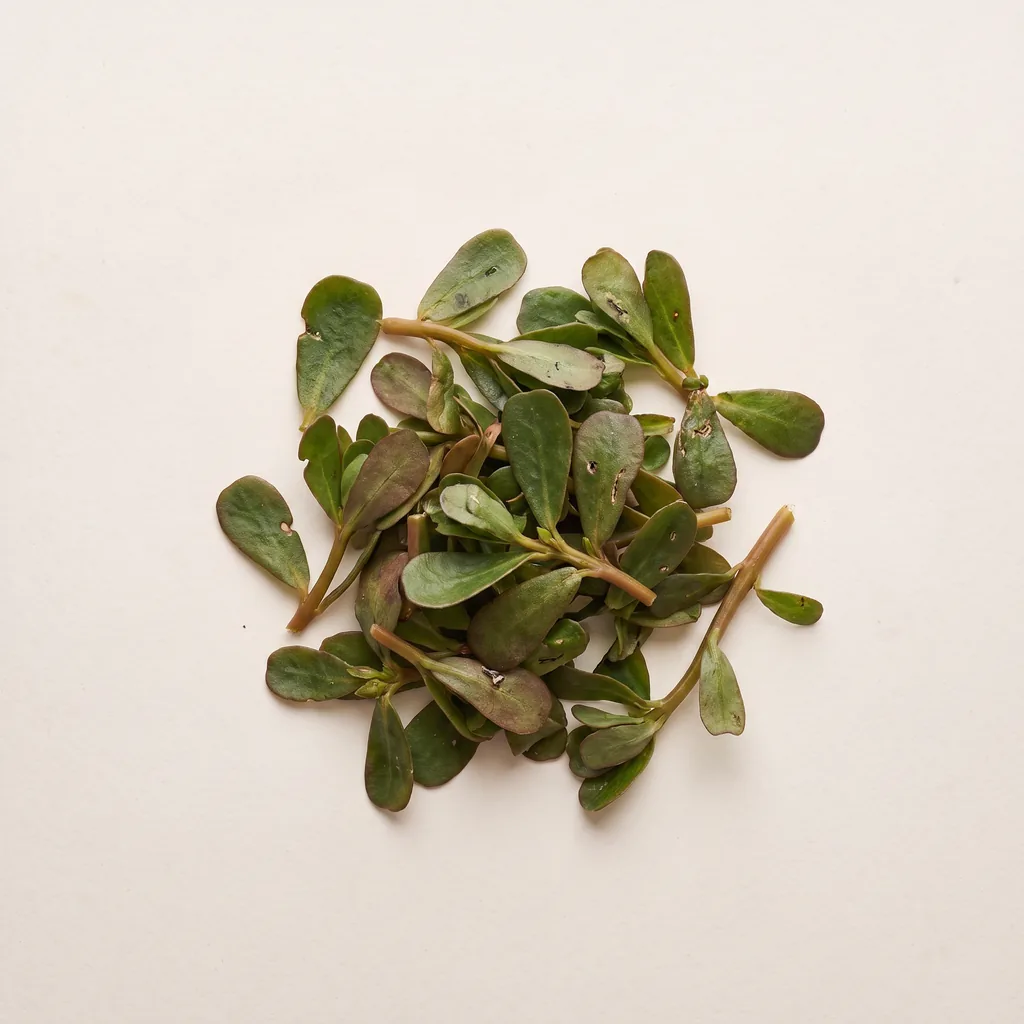
Purslane prepared for a baby

About purslane

Purslane is a vegetable with a slightly tangy taste. Its fleshy leaves and thin stems are eaten. It grows in many parts of the world, and Turkish cooking often uses it in yogurt salads, olive oil dishes and soups.

With its high water content and distinctive texture, purslane can help your baby get to know different vegetable flavors.

Nutrition

Purslane is high in water and low in energy density. It provides potassium, magnesium and calcium, along with vitamin C and carotenoids that the body can turn into vitamin A.

According to food composition data, 100 grams of raw purslane contain about 494 mg of potassium, 68 mg of magnesium and 65 mg of calcium. These values can vary with growing conditions, and the small portions babies eat provide smaller amounts of minerals.

One notable feature of purslane is that it contains alpha-linolenic acid (ALA), a plant omega-3 fatty acid. ALA is an essential fatty acid, but the body converts only a limited amount of it into DHA and EPA. For this reason, purslane does not replace foods such as fish that provide DHA and EPA directly.

Purslane also contains phenolic compounds and other plant components with antioxidant properties. However, there is not enough clinical evidence of any disease-related benefit from these components in babies.

High in oxalate

Purslane is naturally rich in oxalate. In the gut, oxalate can bind to minerals such as calcium and reduce how much is absorbed. For this reason, purslane should not be counted on as a reliable calcium source on its own. For healthy babies, purslane is not a vegetable that must be avoided completely. It can be offered in suitable portions, rotated with other vegetables. Depending on the cooking method, the amount of oxalate may go down.

Also known as: pirpirim, pırpırım, semiz otu, semizotu

  • Gluten-free
  • Vegan

How to prepare it by age

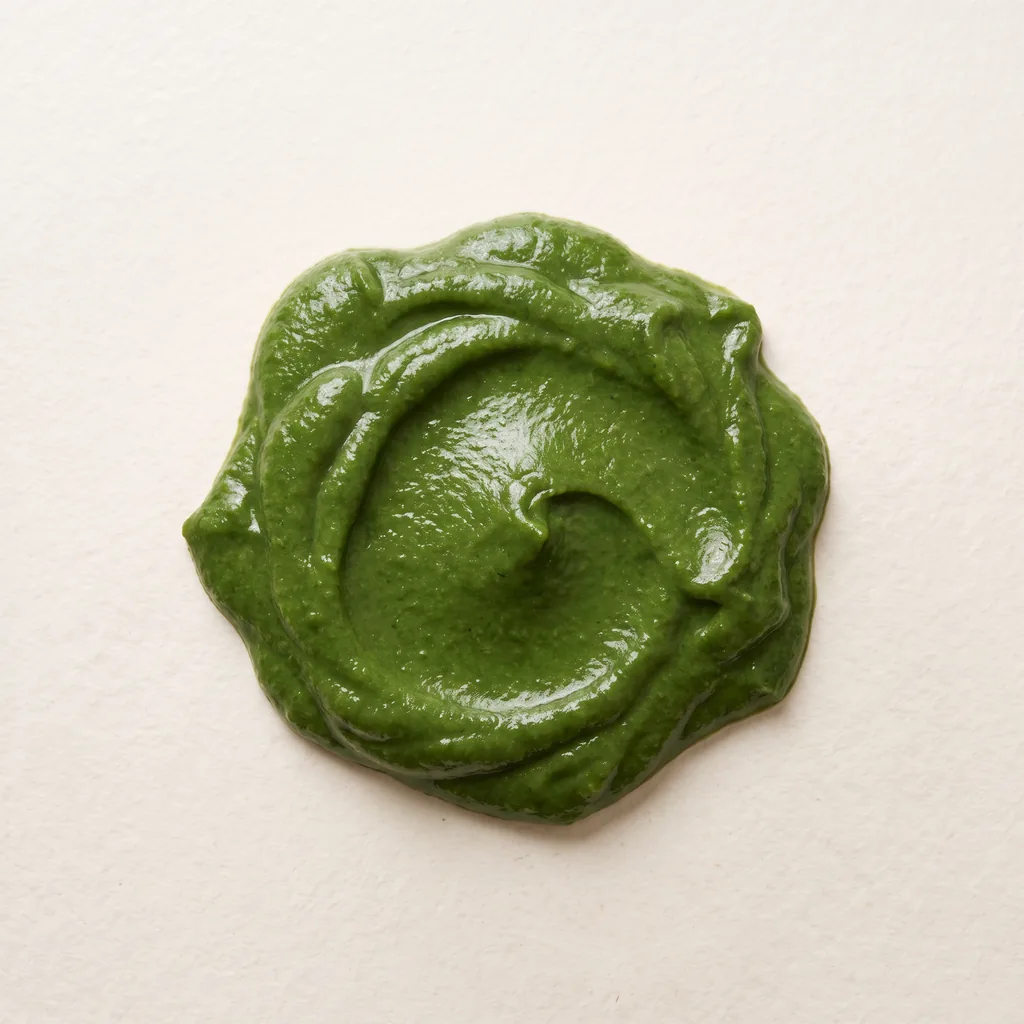
6 monthsMash

Purslane prepared for 6 months

Cut: Finely chopped

Separate the leaves and thin stems from the thick stalk and rinse well in plenty of water. Cook in a little water until soft, chop finely and stir into yogurt or bulgur porridge. Because it is a leafy green, serve it right after cooking rather than letting it sit.
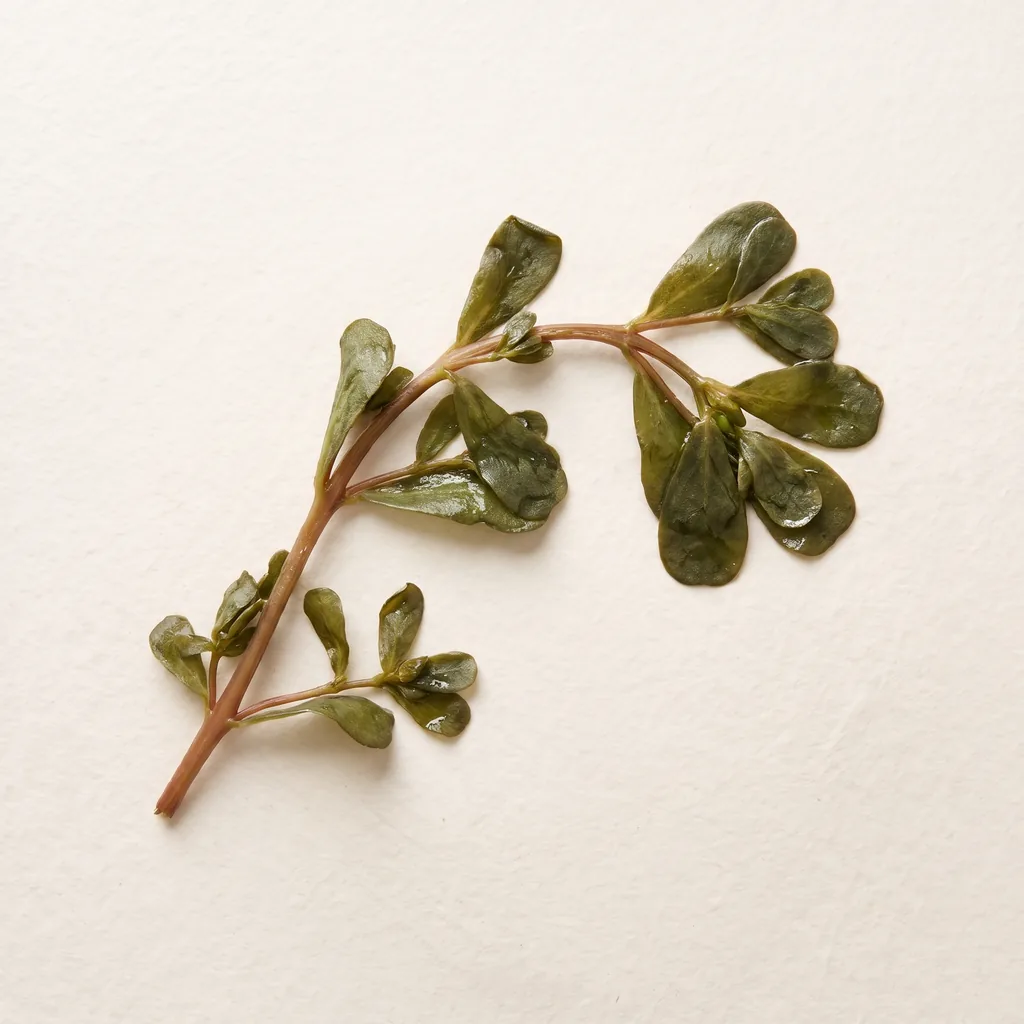
9 monthsStrip

Cut: Finely chopped

Chop cooked purslane finely and mix it into egg, bulgur or rice. Purslane with yogurt is suitable at this age if prepared without salt and garlic.

12 monthsStrip

Purslane prepared for 12 months

Cut: Finely chopped

Serve purslane cooked, on its own or inside a dish. You can add raw leaves, finely chopped, to a salad. Remove the thick stems.

Choking risk

  1. Low
  2. Medium
  3. High

Well-cooked purslane leaves usually carry a low choking risk when prepared properly. However, thick, fibrous stems and raw leaves can be hard for babies to chew.

To lower the choking risk, remove the tough stems, cook the leaves until soft and serve them finely chopped. As your baby's chewing skills develop, you can also offer raw purslane leaves, rinsed well and finely chopped.

Your baby should sit upright while eating, and an adult should stay within arm's reach at all times.

Allergen information

Allergen status

Purslane is not among the common food allergens. Allergic reactions to purslane have rarely been reported.

When offering it to your baby for the first time, start with a small amount and watch for possible signs of allergy. Introducing new foods one at a time can make it easier to find the food responsible if a reaction happens.

If you see signs such as hives, repeated vomiting or swelling of the lips, stop giving purslane and get a medical assessment. For serious symptoms such as trouble breathing or swelling of the tongue or throat, call emergency services right away.

If you serve purslane with yogurt, remember that yogurt contains milk protein and is an allergenic food.

Frequently asked questions

What age can babies eat purslane?

Purslane (Portulaca oleracea) can be offered once your baby is about 6 months old and ready for solids. Especially when your baby is starting solids, serve it rinsed well, cooked until soft and finely chopped.

Is purslane a common allergen?

Purslane is not among the common food allergens. Allergic reactions to purslane have rarely been reported.

How do you prepare purslane for babies?

For a 6-month-old: Separate the leaves and thin stems from the thick stalk and rinse well in plenty of water. Cook in a little water until soft, chop finely and stir into yogurt or bulgur porridge. Because it is a leafy green, serve it right after cooking rather than letting it sit.
Is purslane a choking hazard for babies?

Well-cooked purslane leaves usually carry a low choking risk when prepared properly. However, thick, fibrous stems and raw leaves can be hard for babies to chew.

Can I give purslane every day?

Purslane is a vegetable rich in oxalate. There is no specific upper limit set for healthy babies. Rather than serving large portions every day, it is better to offer small amounts and rotate purslane with other vegetables.

Can I give purslane raw?

Purslane can be offered from about 6 months, cooked until soft. As your baby's chewing skills develop, you can also rinse raw leaves well, chop them finely and add them to dishes. Remove the thick, tough stems.

Is purslane a source of iron?

Purslane contains iron, but in the small portions babies eat it is not a significant source of iron. Compounds it contains, such as oxalate, can also affect how well the body absorbs some minerals. To meet your baby's iron needs, give priority to meat, properly prepared legumes and other iron sources.
Share:WhatsApp

Want to add this food to your baby's solid food calendar?

Join Lokmini to learn how this food is served at each age and to keep track of every food your baby tries.

Join Lokmini

Starting Solids

When and how to start solids, and what happens in the first week?

Read the guide

Similar foods

Let's get ready for the first bite together

Lokmini builds a day-by-day plan for your baby's age. Leave your email for new guides and our newsletter.

Start Your Journey