Skip to content

Dietitian's view

Give raisins well softened. Do not give them whole.

Uzm. Dyt. Berk AysanPrepared the latest update, November 14, 2026

Lokmini is not a healthcare provider and does not offer health services. For your baby's specific needs, talk to your doctor or a dietitian.

  • Fruits
  • 6 mo+
  • High choking risk

Raisins for babies: when to start

Raisins can be offered, prepared the right way, when your baby is about 6 months old and ready for solids. Because they are small and sticky, they are a choking risk. So soften raisins completely and serve them mashed or pureed.

  • Fiber
  • Carbohydrates
  • Potassium
  • Calcium
  • Vitamin B6
  • Iron
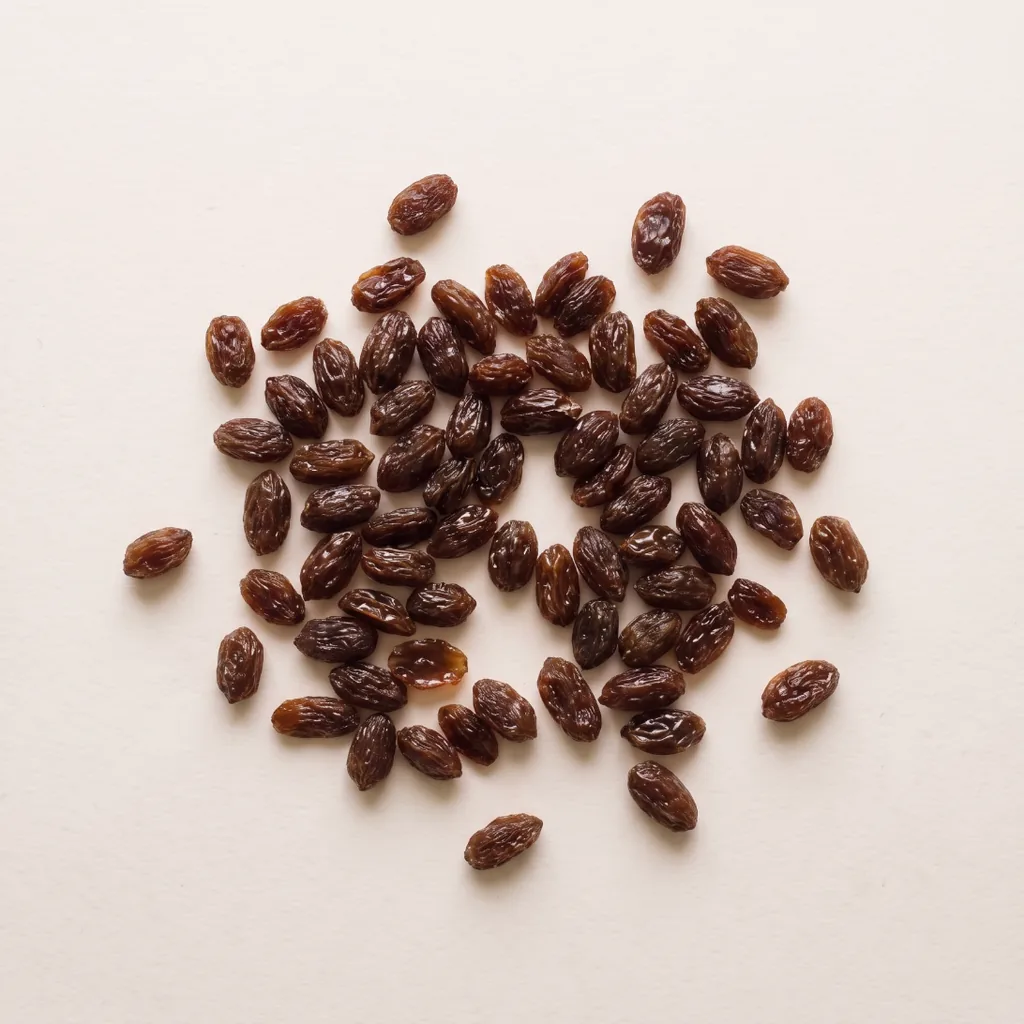
Raisins prepared for a baby

About raisins

Raisins are made by removing water from fresh grapes, in the sun or with special drying methods. They can be made from different grape types, and their color, size and sweetness can vary.

Nutrition

Raisins are an energy-dense food with carbohydrates and fiber. They provide potassium in particular. They also contain small amounts of iron, calcium and vitamin B6.

Drying lowers the water content, and the fruit's natural sugars become concentrated. So offer raisins in small portions and choose products with no added sugar.

Also known as: kuru üzüm, sultaniye, kuru kara üzüm, zante kuru üzümü

  • Gluten-free
  • Vegan

How to prepare it by age

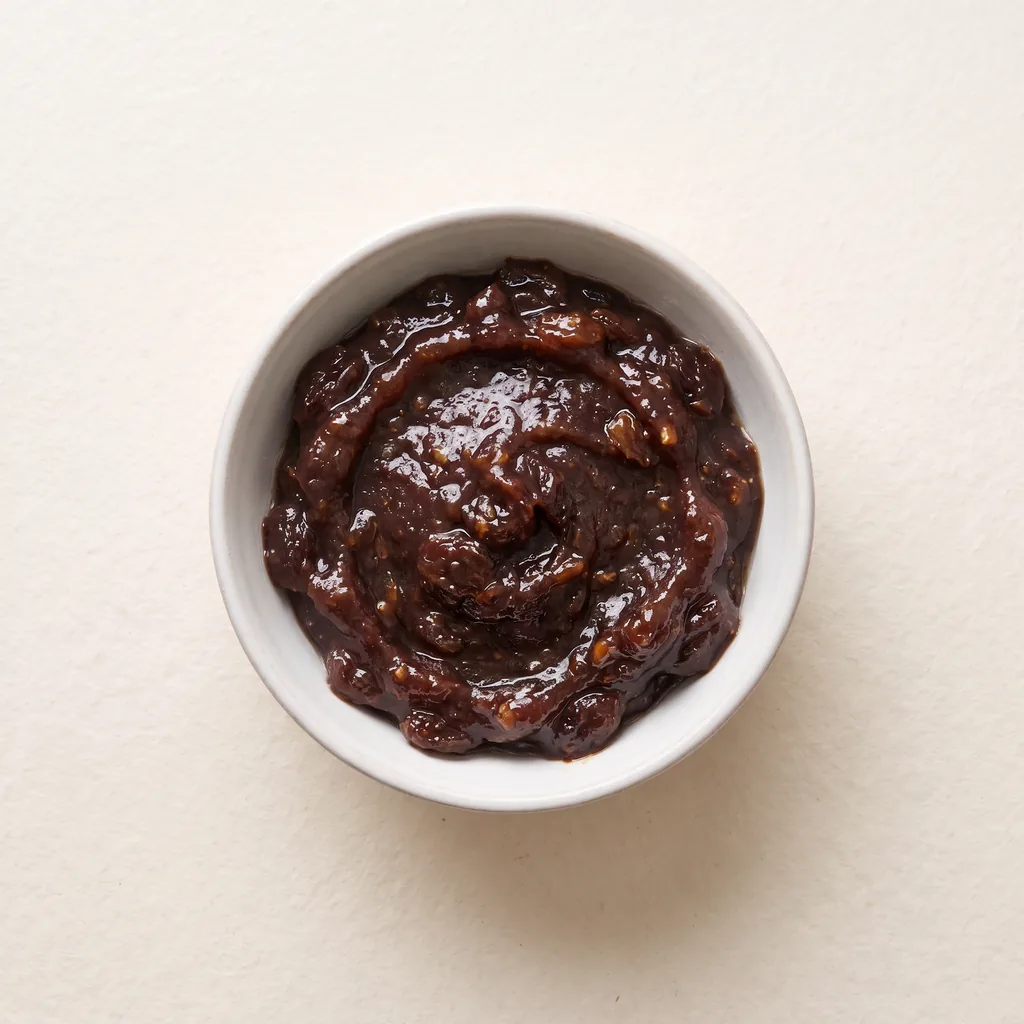
6 monthsMash

Raisins prepared for 6 months

Leave raisins in hot water for a quarter of an hour. When they are fully soft, chop finely, mash or purée them. Serve them plain, or mix them into yogurt or oatmeal. Fiber is high, so start with a small amount. Too many can cause gas and loose stools.
12 monthsCube or mash

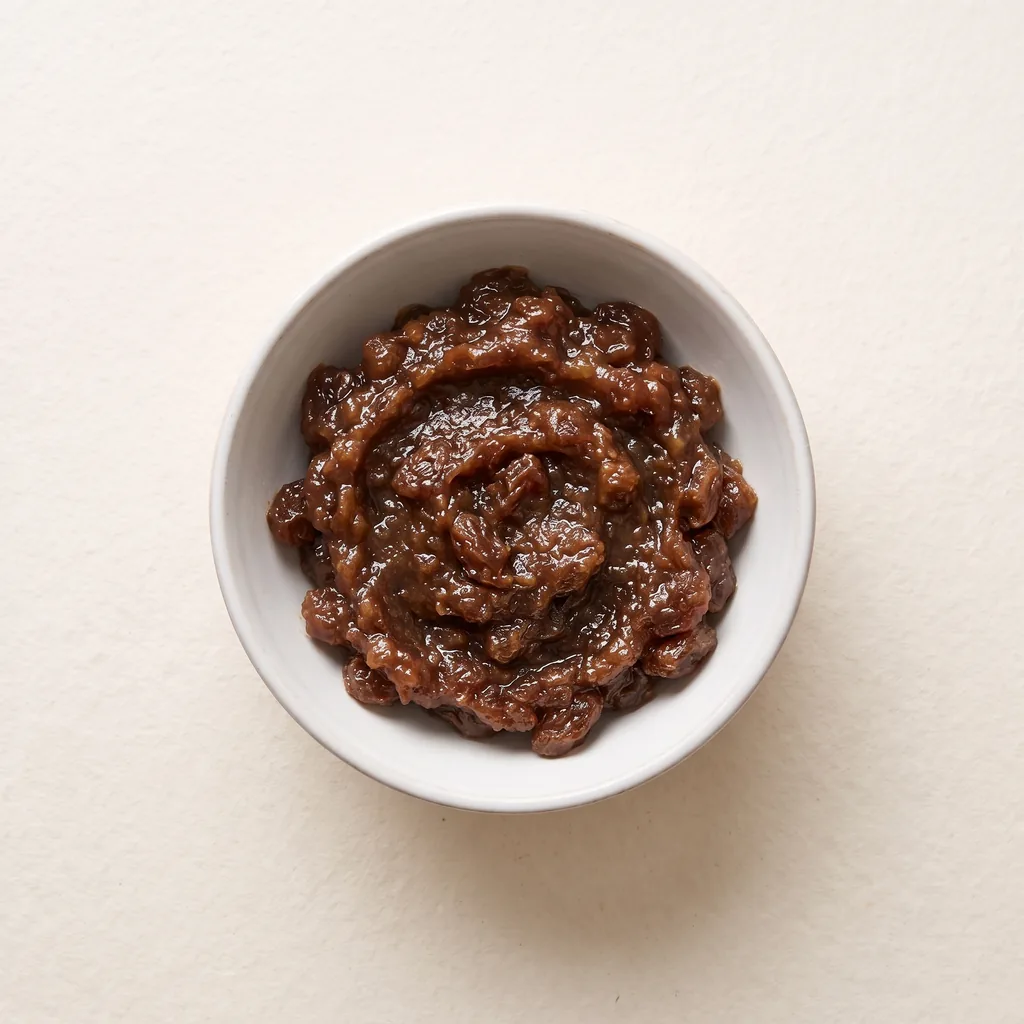
Raisins prepared for 12 months

Cut: Finely chopped

Chop raisins very finely. Soaking is no longer required at this age but it lowers the choking risk. Serve the pieces alone or stir them into spoonable foods.

Cut: Fork mashed

Mash softened raisins into oatmeal or yogurt. The pieces spread through a soft food and are harder to swallow whole.

Choking risk

  1. Low
  2. Medium
  3. High

Because raisins are small, hard and sticky, they are a choking risk for babies and young children. Do not give whole raisins. Soften raisins completely and serve them mashed, or very finely chopped to suit your child's chewing skills. Your baby should sit upright for the whole meal and be watched by you at all times.

No whole raisins

Do not serve whole raisins before 2 years. Soften and chop them, or mash them.

Allergen information

Allergen status

Raisins are not a common food allergen, and allergic reactions are rare. But in people sensitive to grape proteins, raisins can also cause an allergic reaction.

Some raisins may contain sulfites as a preservative. Sulfites can trigger breathing symptoms, especially in sensitive people with asthma. So check the ingredient list on packaged products.

When you offer raisins for the first time, start with a small amount and watch how your baby responds. If hives, swollen lips or repeated vomiting appear, stop feeding them and talk to your doctor. If your baby has trouble breathing, call emergency services right away.

Frequently asked questions

What age can babies eat raisins?

Raisins can be offered, prepared the right way, when your baby is about 6 months old and ready for solids. Because they are small and sticky, they are a choking risk. So soften raisins completely and serve them mashed or pureed.

Is raisins a common allergen?

Raisins are not a common food allergen, and allergic reactions are rare. But in people sensitive to grape proteins, raisins can also cause an allergic reaction.

How do you prepare raisins for babies?

For a 6-month-old: Leave raisins in hot water for a quarter of an hour. When they are fully soft, chop finely, mash or purée them. Serve them plain, or mix them into yogurt or oatmeal. Fiber is high, so start with a small amount. Too many can cause gas and loose stools.
Is raisins a choking hazard for babies?

Because raisins are small, hard and sticky, they are a choking risk for babies and young children. Do not give whole raisins. Soften raisins completely and serve them mashed, or very finely chopped to suit your child's chewing skills. Your baby should sit upright for the whole meal and be watched by you at all times.

Why should I soften raisins?

The hard, sticky texture of raisins raises the choking risk. Soaking them in water until completely soft, then mashing or pureeing them, makes them safer and easier for your baby to eat.

Are raisins too sugary?

When the fruit loses water during drying, its natural sugars become concentrated. So raisins contain more sugar and energy than fresh grapes. Choose products with no added sugar and offer them in small portions.

Can raisins cause gas?

The fiber and fermentable carbohydrates in raisins can cause gas or loose stools in some babies. Start with a small amount and increase it as your baby tolerates it.
Share:WhatsApp

Want to add this food to your baby's solid food calendar?

Join Lokmini to learn how this food is served at each age and to keep track of every food your baby tries.

Join Lokmini

Starting Solids

When and how to start solids, and what happens in the first week?

Read the guide

Similar foods

Let's get ready for the first bite together

Lokmini builds a day-by-day plan for your baby's age. Leave your email for new guides and our newsletter.

Start Your Journey