Skip to content
  • Proteins
  • 6 mo+
  • Medium choking risk

Ribs for babies: when to start

Well-cooked ribs can be offered once baby is ready for solids, from about 6 months. Ribs are cuts of meat on the bone from the rib section of animals such as beef, lamb or pork. They can be grilled, slow-cooked or roasted.

  • Protein
  • Fat
  • Iron
  • Choline
  • Selenium
  • Zinc
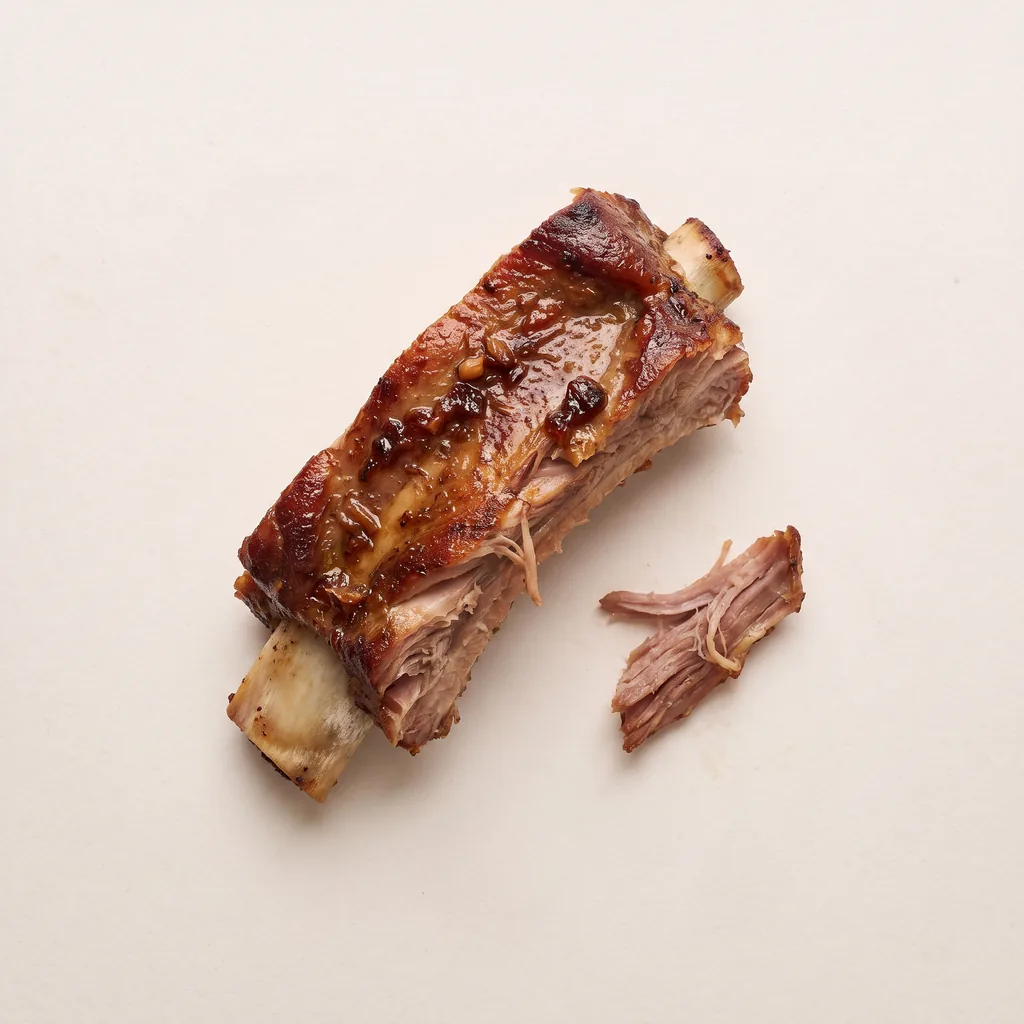
Ribs prepared for a baby

About ribs

Pork ribs

Many families do not eat pork. Choose beef or lamb ribs to suit your family.

Nutrition

Ribs are rich in protein and fat. They supply iron, choline, selenium, zinc and vitamins B6 and B12. A baby's iron needs rise after 6 months, and ribs are a good iron source.

Also known as: kaburga, dana kaburga, kuzu kaburga, domuz kaburga

  • Gluten-free
  • May contain pork
  • Contains meat

How to prepare it by age

6 monthsMash or strip
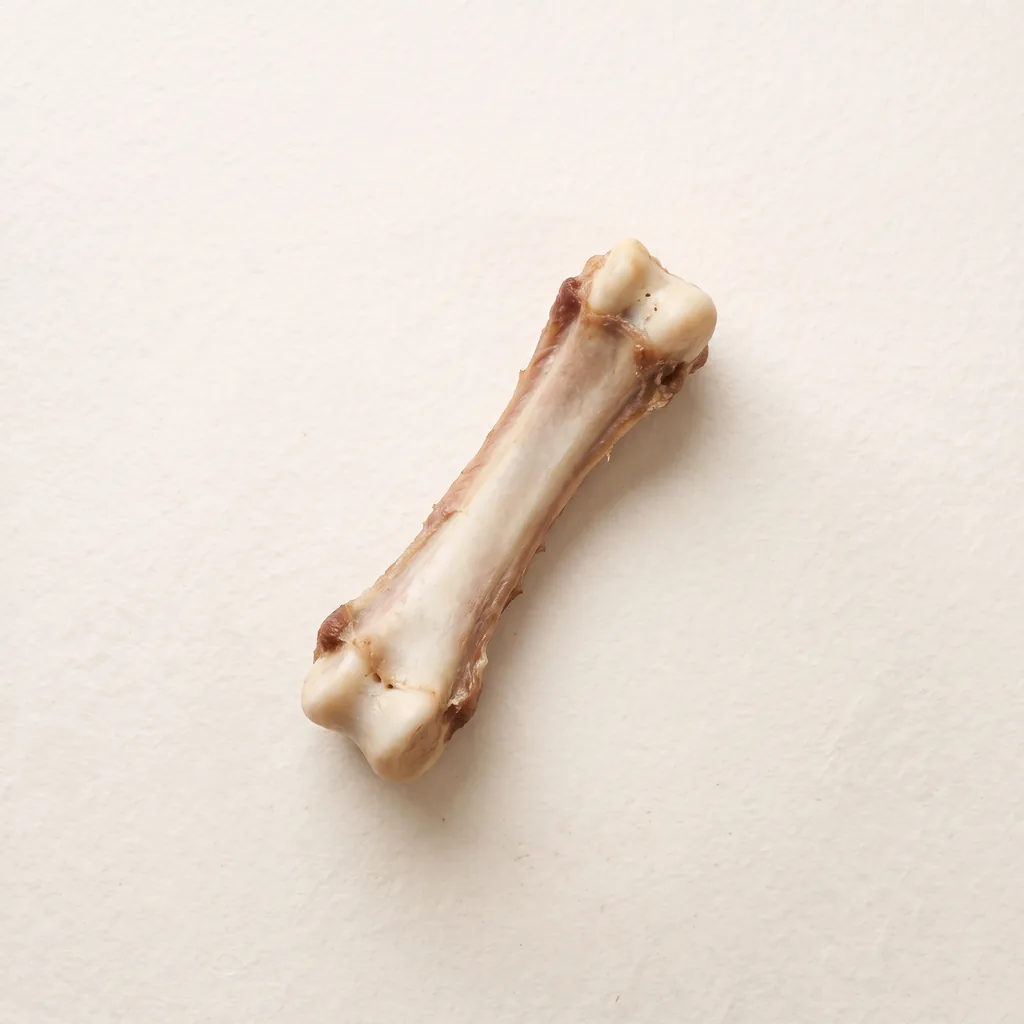
Ribs prepared for 6 months

Cut: Finely chopped

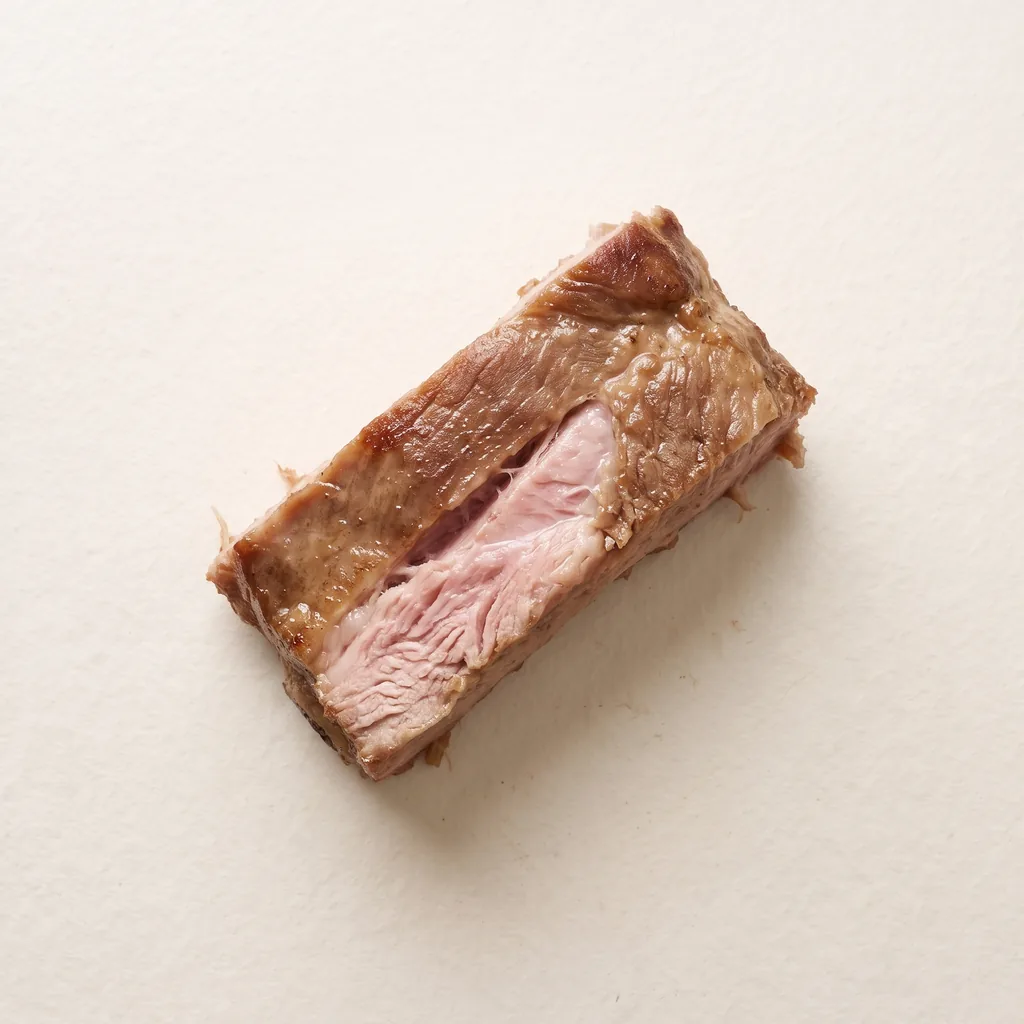
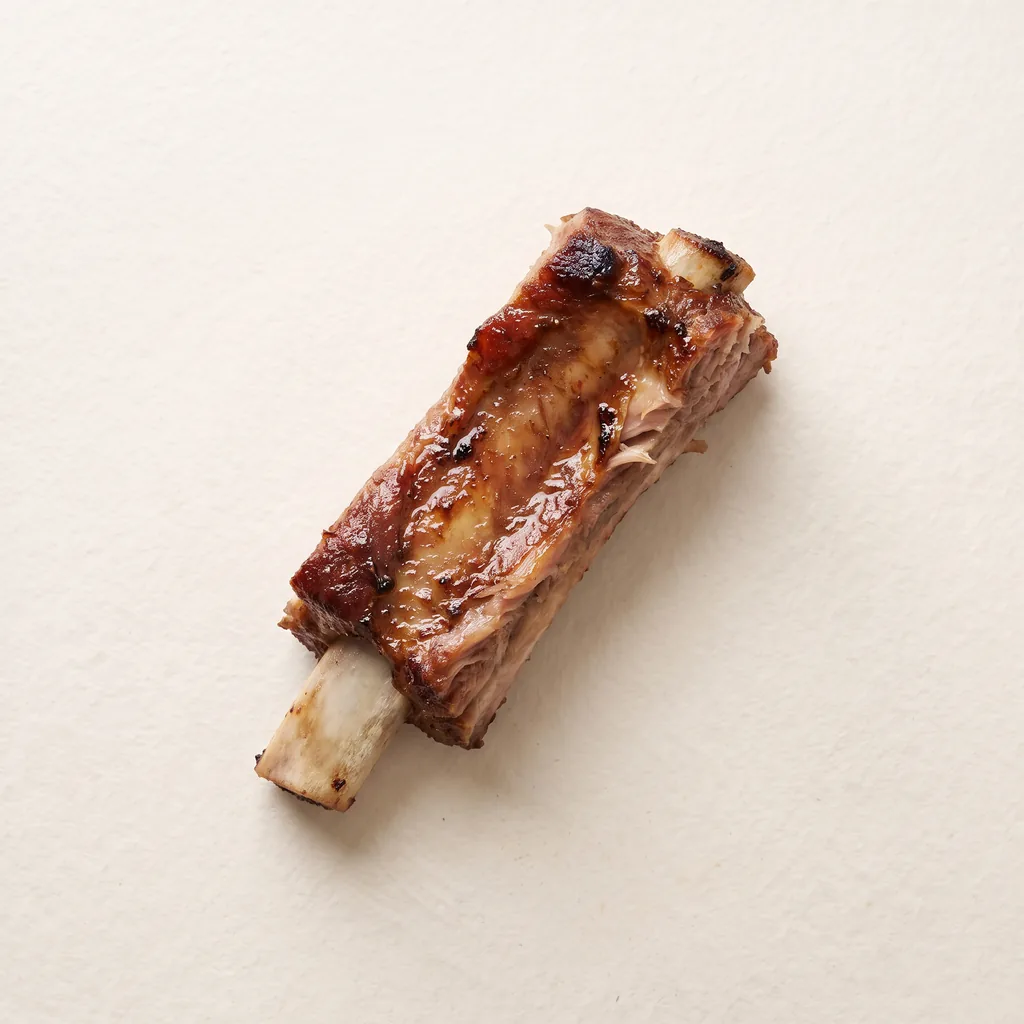
Cook ribs until the meat comes away from the bone by itself. Separate the meat from bone, fat and gristle. Shred it or chop very finely. Stir into vegetable mash, porridge or another soft food. Spices and sauces are fine, but they must not contain honey.

Cut: Large piece

Give a well-cooked rib bone with most or all of the meat removed for baby to hold. First bend the bone to confirm it is not brittle. Slide a finger along the edges and feel for sharp spots. Leave no loose meat, large pieces of fat or gristle. Little food reaches the stomach this way, which is fine. Do not serve a brittle bone.
9 monthsCube

Ribs prepared for 9 months

Cut: Bite sized piece

Tear small, thin shreds of meat from cooked ribs. Baby practices picking them up with the developing pincer grasp. If you offer the bone as a teether, repeat the same safety checks.

12 monthsStrip

Ribs prepared for 12 months

Cut: Large piece

You can serve well-cooked ribs with the meat on. Remove loose fat, gristle and detached meat first. Your child practices biting and tearing. For children who hold meat in the mouth and spit it out, this is a good way to build chewing skill. Check that the bone is sturdy with smooth edges.

Choking risk

  1. Low
  2. Medium
  3. High

Choking risk

Meat pulled from the bone can be small and hard to chew, so it carries a choking risk. A bone with most of the meat removed carries a low risk when prepared for the child's age. Stay close during the meal.

Check the bone

Do not serve bones that are brittle, cracked or have sharp edges. Remove loose meat, fat and gristle.

Allergen information

Allergen status

Beef, lamb and pork are not common allergens, though allergy to them has been reported. Rib sauces may contain allergens such as soy and wheat.

Some tick bites are linked to allergy to a sugar found in mammal meat (alpha-gal). Symptoms begin 3 to 8 hours after eating red meat. Some people also react to small amounts in dairy, gelatin or organs such as liver. With a dairy allergy the chance of beef sensitivity rises slightly. In the rare pork-cat syndrome, a person with cat allergy may react to pork too. Start with a small amount.

Frequently asked questions

What age can babies eat ribs?

Well-cooked ribs can be offered once baby is ready for solids, from about 6 months. Ribs are cuts of meat on the bone from the rib section of animals such as beef, lamb or pork. They can be grilled, slow-cooked or roasted.

Is ribs a common allergen?

Beef, lamb and pork are not common allergens, though allergy to them has been reported. Rib sauces may contain allergens such as soy and wheat.

How do you prepare ribs for babies?

For a 6-month-old: Cook ribs until the meat comes away from the bone by itself. Separate the meat from bone, fat and gristle. Shred it or chop very finely. Stir into vegetable mash, porridge or another soft food. Spices and sauces are fine, but they must not contain honey.

Is ribs a choking hazard for babies?

Meat pulled from the bone can be small and hard to chew, so it carries a choking risk. A bone with most of the meat removed carries a low risk when prepared for the child's age. Stay close during the meal.

Can a rib bone be used as a teether?

A well-cooked bone that is not brittle and has no sharp edges can support holding and mouthing skills. Always bend-test it and check with a finger. If in doubt, skip it.

Can the sauce contain honey?

Do not serve honey sauces to babies under 12 months. There is a risk of infant botulism.

Are ribs good for iron?

Yes. Ribs are a good iron source, and a baby's iron needs rise after 6 months.

Prepared by the Lokmini team | Last updated November 17, 2026

Share:WhatsApp

Want to add this food to your baby's solid food calendar?

Join Lokmini to learn how this food is served at each age and to keep track of every food your baby tries.

Join Lokmini

Starting Solids

When and how to start solids, and what happens in the first week?

Read the guide

Similar foods

Let's get ready for the first bite together

Lokmini builds a day-by-day plan for your baby's age. Leave your email for new guides and our newsletter.

Start Your Journey