Skip to content

Dietitian's view

You can give rice to your baby as porridge.

Uzm. Dyt. Berk AysanPrepared the latest update, November 14, 2026

Lokmini is not a healthcare provider and does not offer health services. For your baby's specific needs, talk to your doctor or a dietitian.

  • Grains
  • 6 mo+
  • Low choking risk

Rice porridge for babies: when to start

Rice porridge can be offered once your baby is ready for solids, usually around 6 months. Well cooked and soft, it is one of the grain options you can use at the start of solids.

  • Carbohydrate
  • Manganese
  • Thiamin
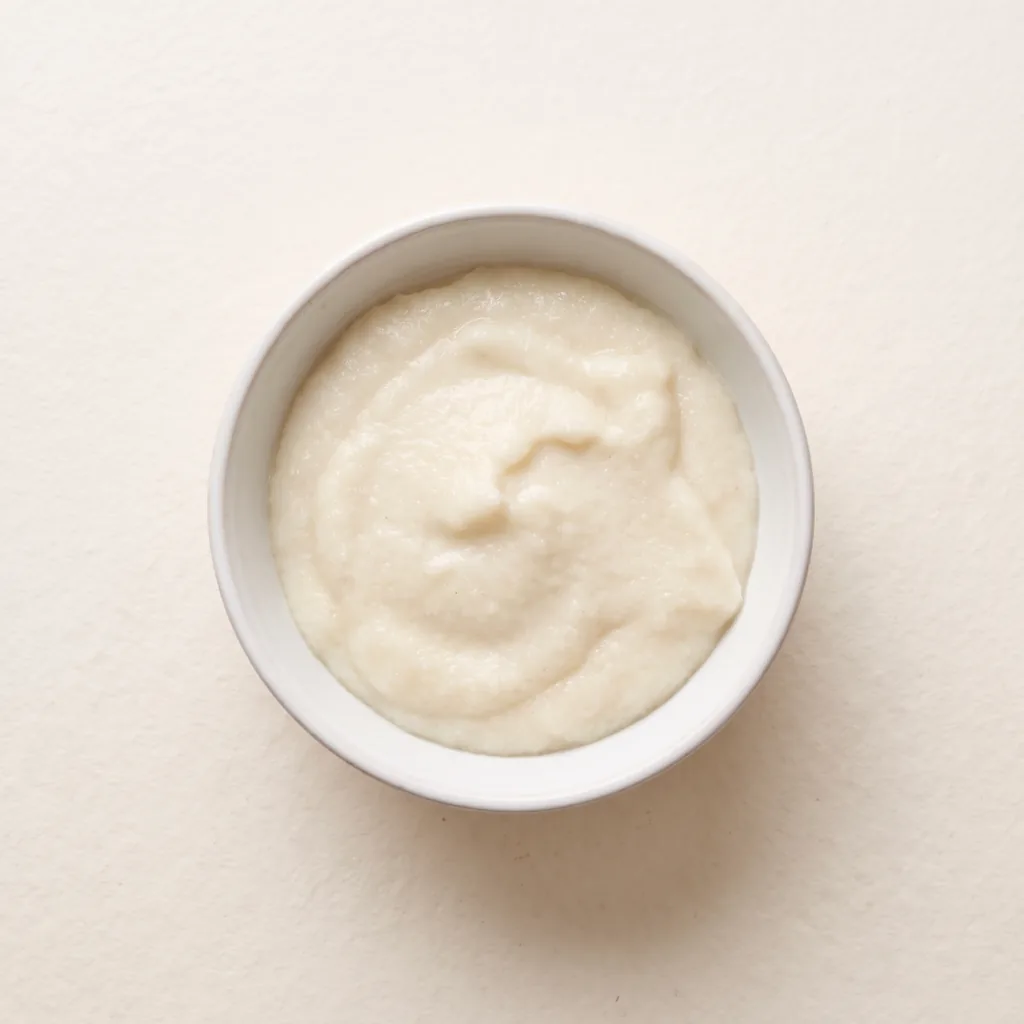
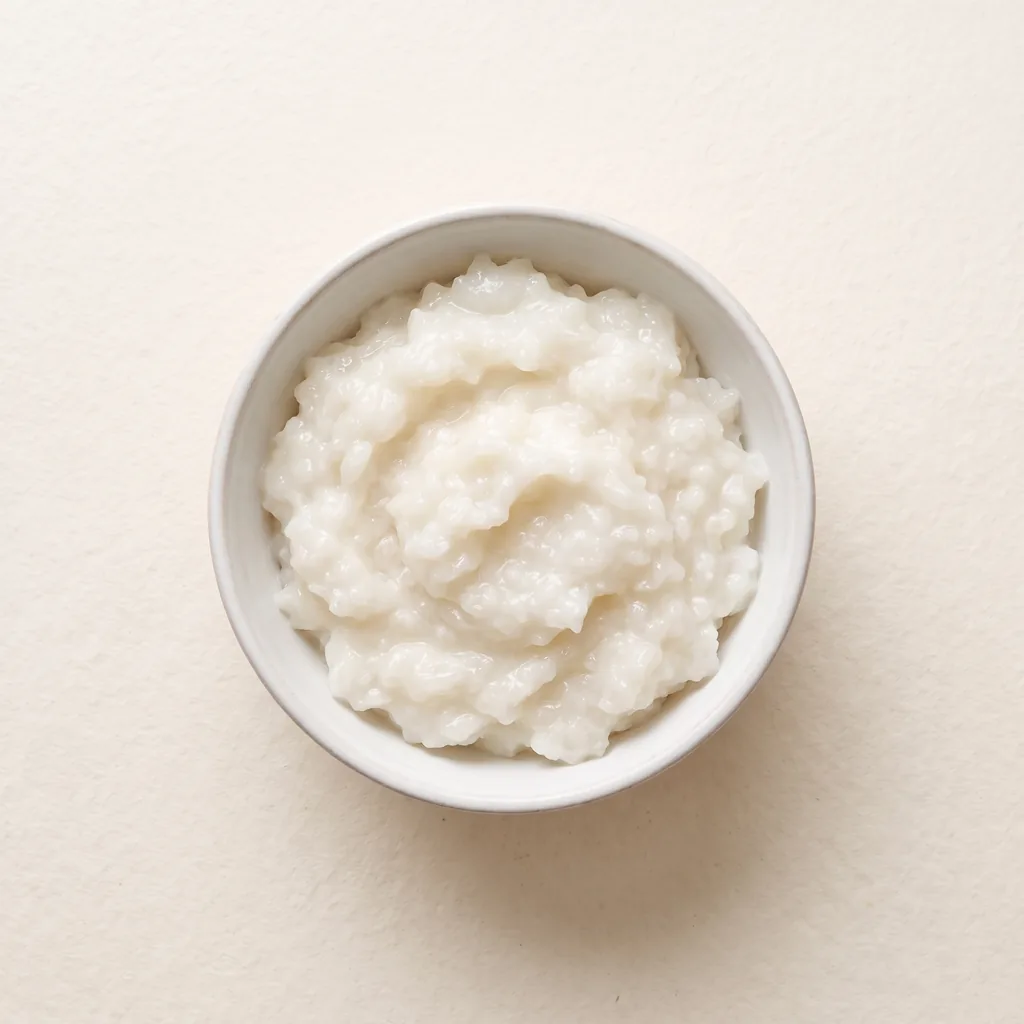
Rice porridge prepared for a baby

About rice porridge

Note

FDA advises not to rely on rice alone for infants and toddlers; rotate rice with oats, barley and quinoa.

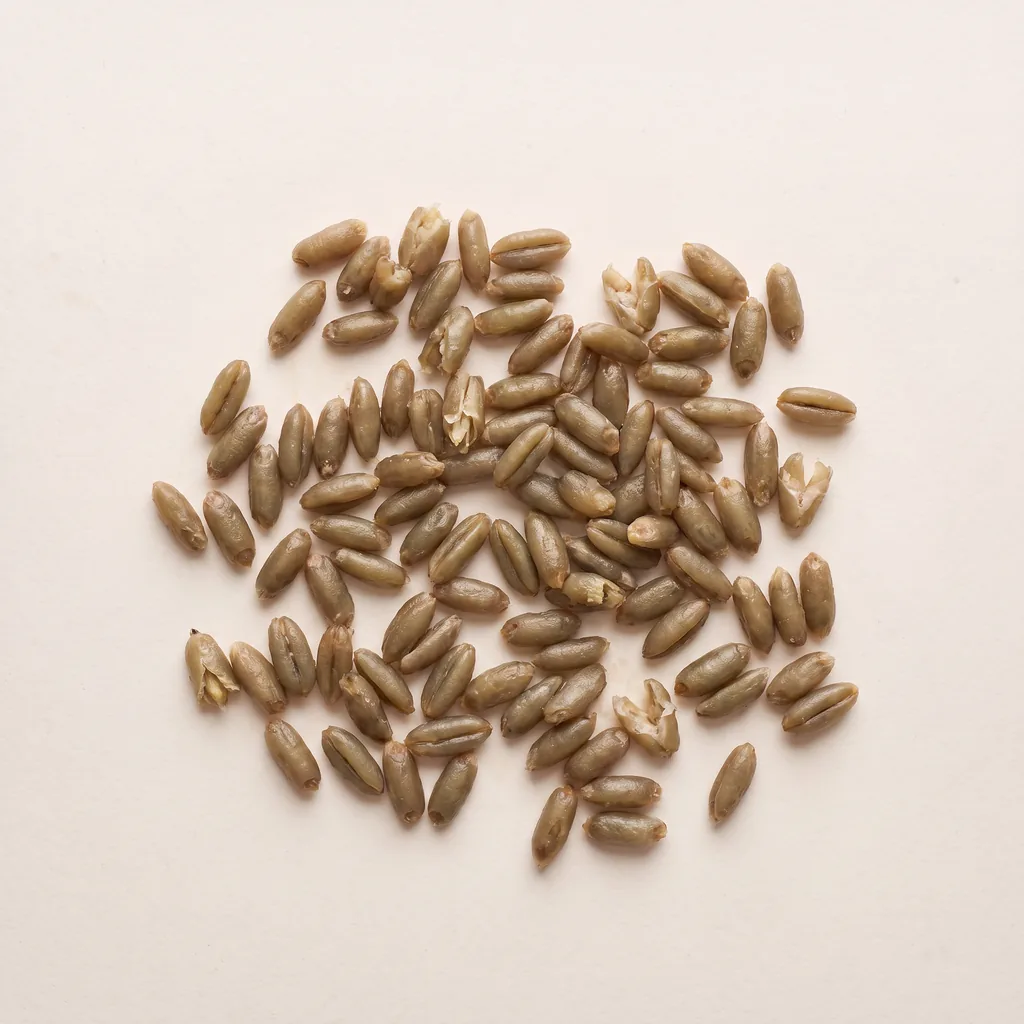
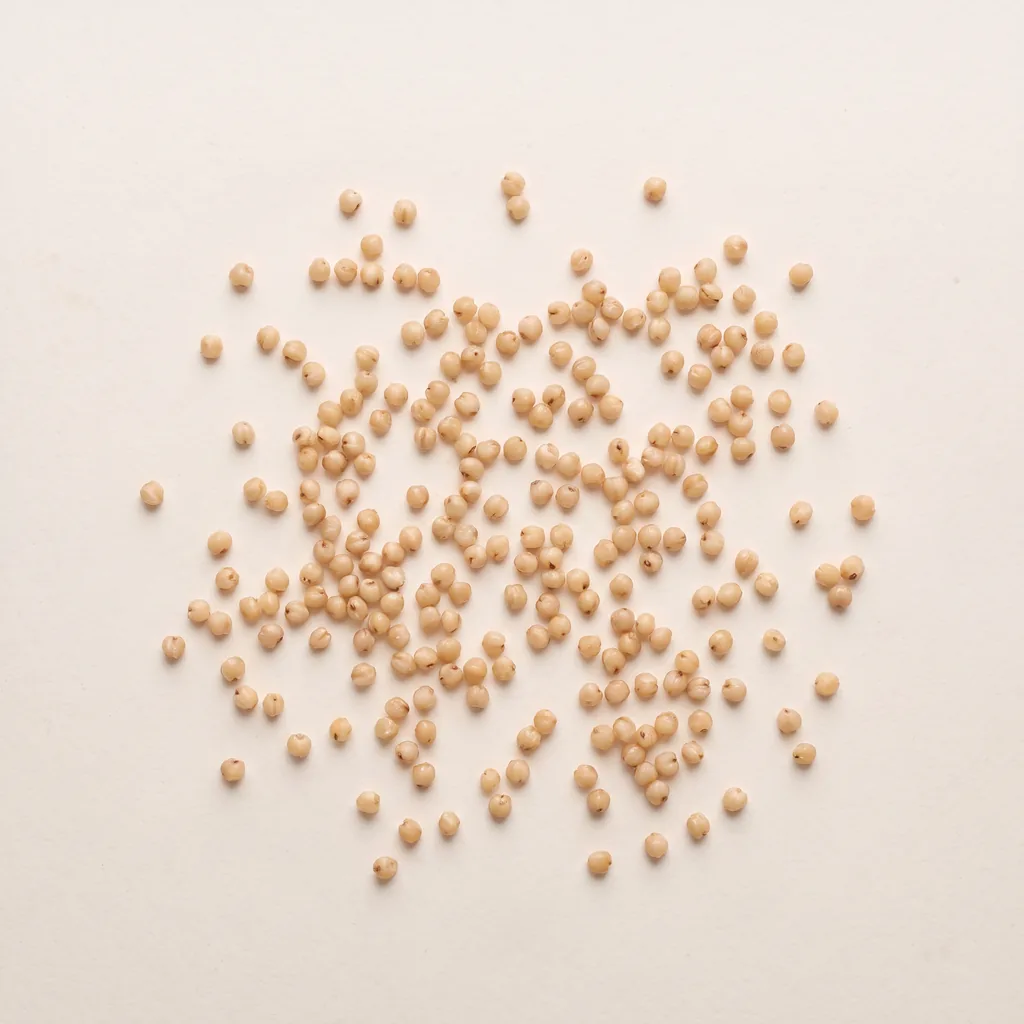
Rice is a naturally gluten-free grain eaten as a staple food in many parts of the world. For babies it can be prepared as a puree or porridge.

But rice does not have to be the first or only grain. Other grains should have a place in the diet too.

Nutrition

Rice porridge mainly provides carbohydrate and adds to your baby's daily energy intake.

Porridge made from white rice is not naturally rich in iron or zinc. So it should be part of a varied diet together with iron-providing foods such as meat, egg and legumes.

Iron-fortified baby cereals can also add to iron intake. Rice porridge alone does not meet all of your baby's nutrient needs.

Also known as: bebek pirinç lapası, pirinç ezmesi, pirinç lapası, pirinç püresi, pirinç unu lapası

  • Gluten-free
  • Vegan

How to prepare it by age

6 monthsMash

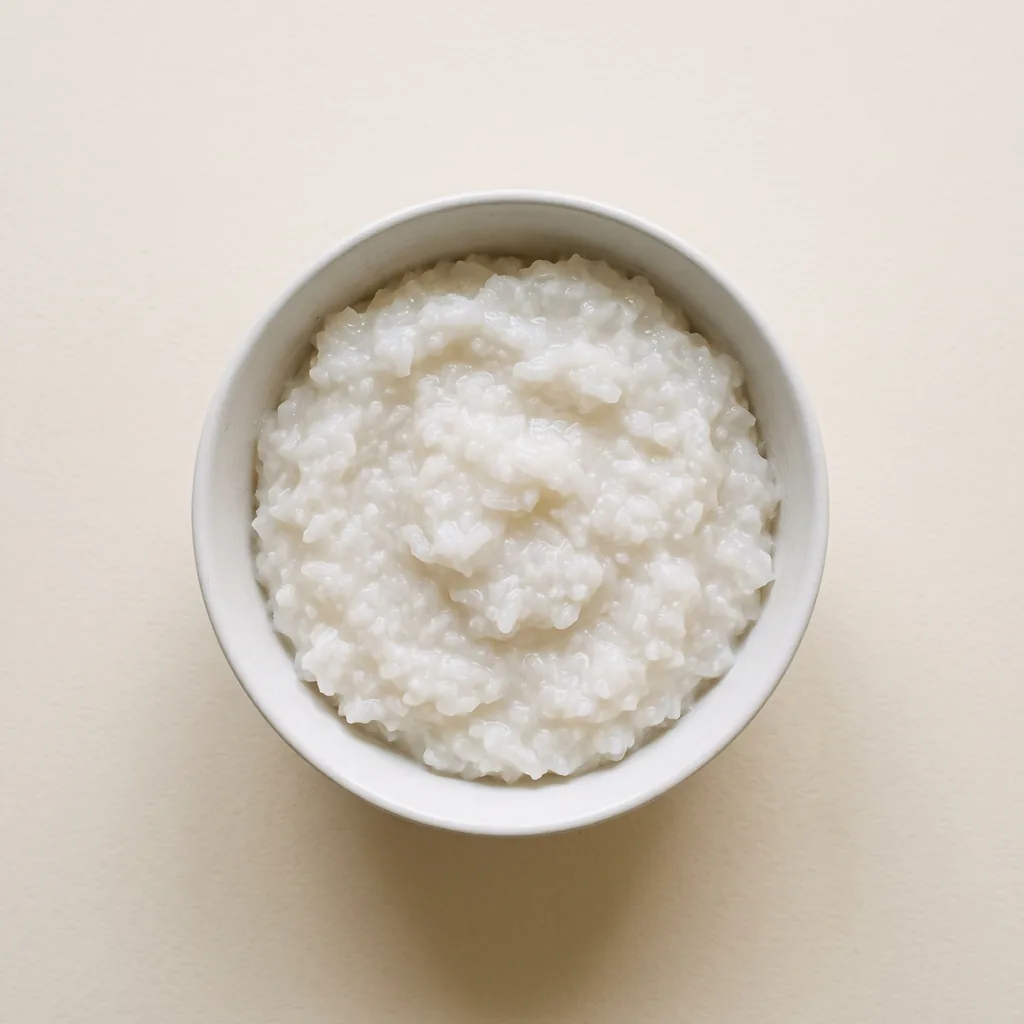
Rice porridge prepared for 6 months

Cut: Fork mashed

Cook the rice in meat broth or coconut milk until it reaches a thick porridge texture that stays on the spoon. Let baby grab it with their hands, or offer a preloaded spoon. You can also shape cooked rice into large, soft balls. Loose rice grains can cause coughing, so press the grains together with the back of a fork. Steamed rice cakes such as mochi are not served.
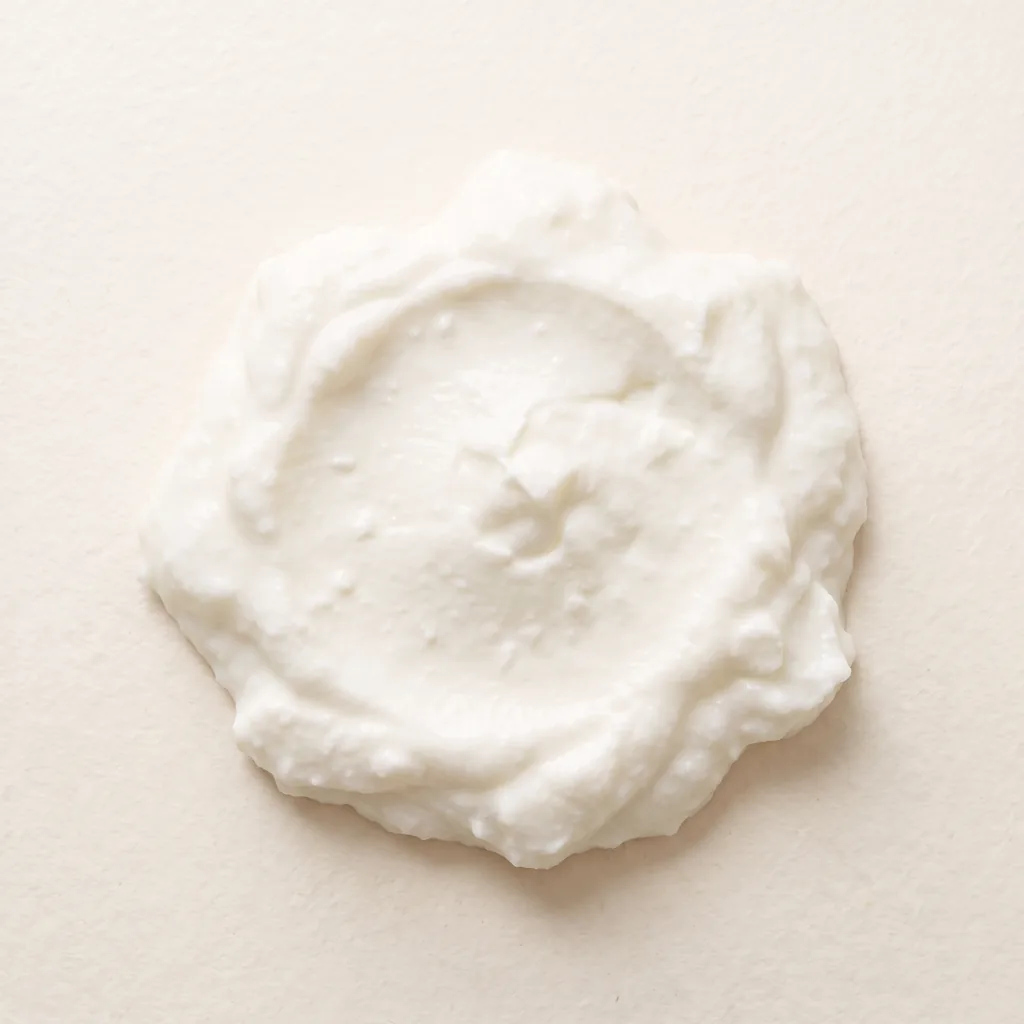
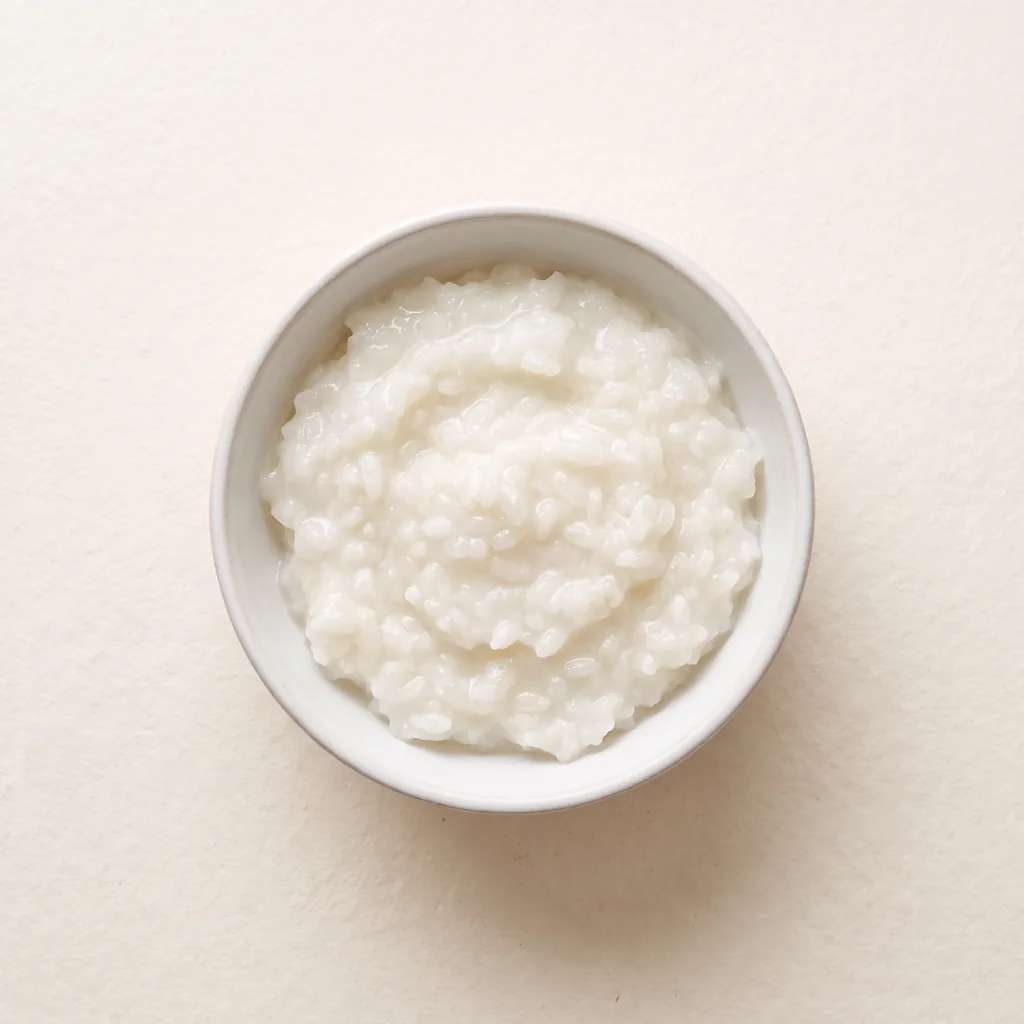
9 monthsMash

Rice porridge prepared for 9 months

Cut: Fork mashed

Serve moist cooked rice plain, shaped into balls or mixed into a dish. Gently press it with the back of a fork so the grains stick together, which helps baby feed themselves. If you give rice cereal, alternate it with oat or multigrain cereals to lower arsenic exposure.

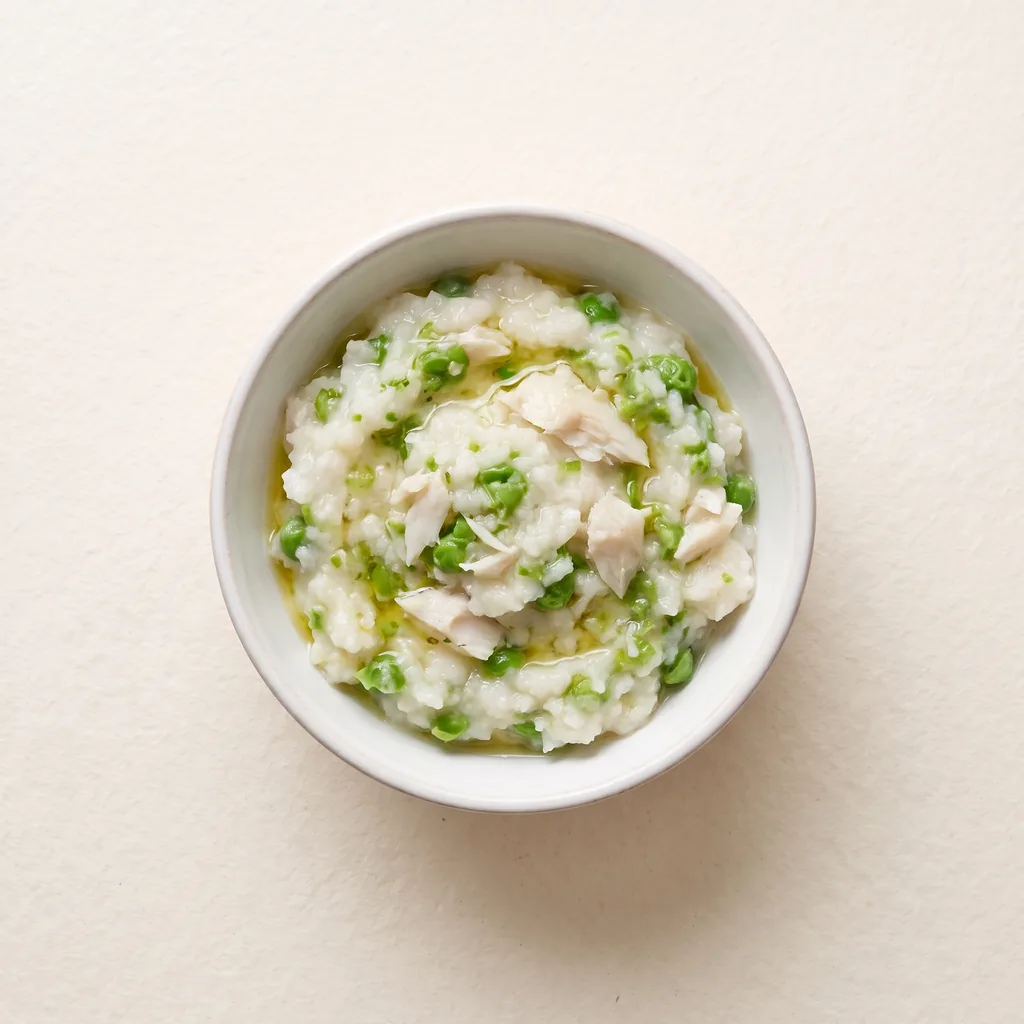
12 monthsCube

Rice porridge prepared for 12 months

Serve cooked rice as a porridge or as lightly pressed grains. Prepare sweet rice dishes such as sütlaç with no sugar or very little sugar. Rotate other grains in as well. A saucy vegetable dish alongside makes eating easier.

Choking risk

  1. Low
  2. Medium
  3. High

Choking risk

Well-cooked, soft, moist rice porridge carries a low choking risk.

At the start of solids, mash the rice grains before serving. Avoid dry, hard or undercooked grains.

Do not give babies dense, stretchy, sticky rice cakes such as mochi, because they can pose a choking risk.

Your baby should sit upright during meals and never be left unattended.

Allergen information

FPIES warning

It is one of the known triggers of FPIES (a delayed-onset food allergy). In this condition, repeated severe vomiting, pallor and lethargy may occur, usually 1-4 hours after the food is eaten. Diarrhea may appear later. These symptoms require urgent medical evaluation.

Allergen status

Rice is not one of the common food allergens and is naturally gluten free. But it can rarely cause allergic reactions.

Rice is one of the known triggers of FPIES (a delayed food allergy). In FPIES, repeated severe vomiting, paleness and tiredness can appear, usually 1 to 4 hours after eating the food. Diarrhea may show up later. These signs need urgent medical attention.

When you offer rice for the first time, start with a small amount and watch how your baby reacts.

If you add milk or another food to rice porridge, keep that food's allergen status in mind too.

Frequently asked questions

What age can babies eat rice porridge?

Rice porridge can be offered once your baby is ready for solids, usually around 6 months. Well cooked and soft, it is one of the grain options you can use at the start of solids.

Is rice porridge a common allergen?

Rice is not one of the common food allergens and is naturally gluten free. But it can rarely cause allergic reactions.

How do you prepare rice porridge for babies?

For a 6-month-old: Cook the rice in meat broth or coconut milk until it reaches a thick porridge texture that stays on the spoon. Let baby grab it with their hands, or offer a preloaded spoon. You can also shape cooked rice into large, soft balls. Loose rice grains can cause coughing, so press the grains together with the back of a fork. Steamed rice cakes such as mochi are not served.
Is rice porridge a choking hazard for babies?

Well-cooked, soft, moist rice porridge carries a low choking risk.

Can I give rice porridge every day?

Rice can be eaten, but we do not recommend using it as the only grain every day. To reduce exposure to inorganic arsenic and to keep the diet varied, rotate it with other grains.

Is rice porridge enough on its own?

No. Rice porridge mainly provides carbohydrate. Other foods such as meat, egg and legumes are also important for meeting iron, zinc and protein needs.

Is it safe to cook it in meat broth?

Yes. You can use safely prepared broth with no added salt. But broth does not provide the same amount of protein and iron as the meat itself. Avoid stock cubes and salty broth.

Does rice porridge contain gluten?

Pure rice is naturally gluten free. For celiac disease, check that packaged products are suitable in terms of cross-contact with gluten.
Share:WhatsApp

Want to add this food to your baby's solid food calendar?

Join Lokmini to learn how this food is served at each age and to keep track of every food your baby tries.

Join Lokmini

Recipes with rice porridge

Starting Solids

When and how to start solids, and what happens in the first week?

Read the guide

Similar foods

Let's get ready for the first bite together

Lokmini builds a day-by-day plan for your baby's age. Leave your email for new guides and our newsletter.

Start Your Journey