Skip to content

Dietitian's view

You can give ricotta cheese if it is pasteurized and unsalted.

Uzm. Dyt. Berk AysanPrepared the latest update, November 14, 2026

Lokmini is not a healthcare provider and does not offer health services. For your baby's specific needs, talk to your doctor or a dietitian.

  • Cow's milk allergen
  • Dairy
  • 6 mo+
  • Low choking risk

Ricotta cheese for babies: when to start

Ricotta cheese can be offered once your baby is ready for solids, usually around 6 months. Because it contains milk, it is one of the common food allergens.

  • Protein
  • Calcium
  • Selenium
  • Zinc
  • Vitamin A
  • Vitamin B12
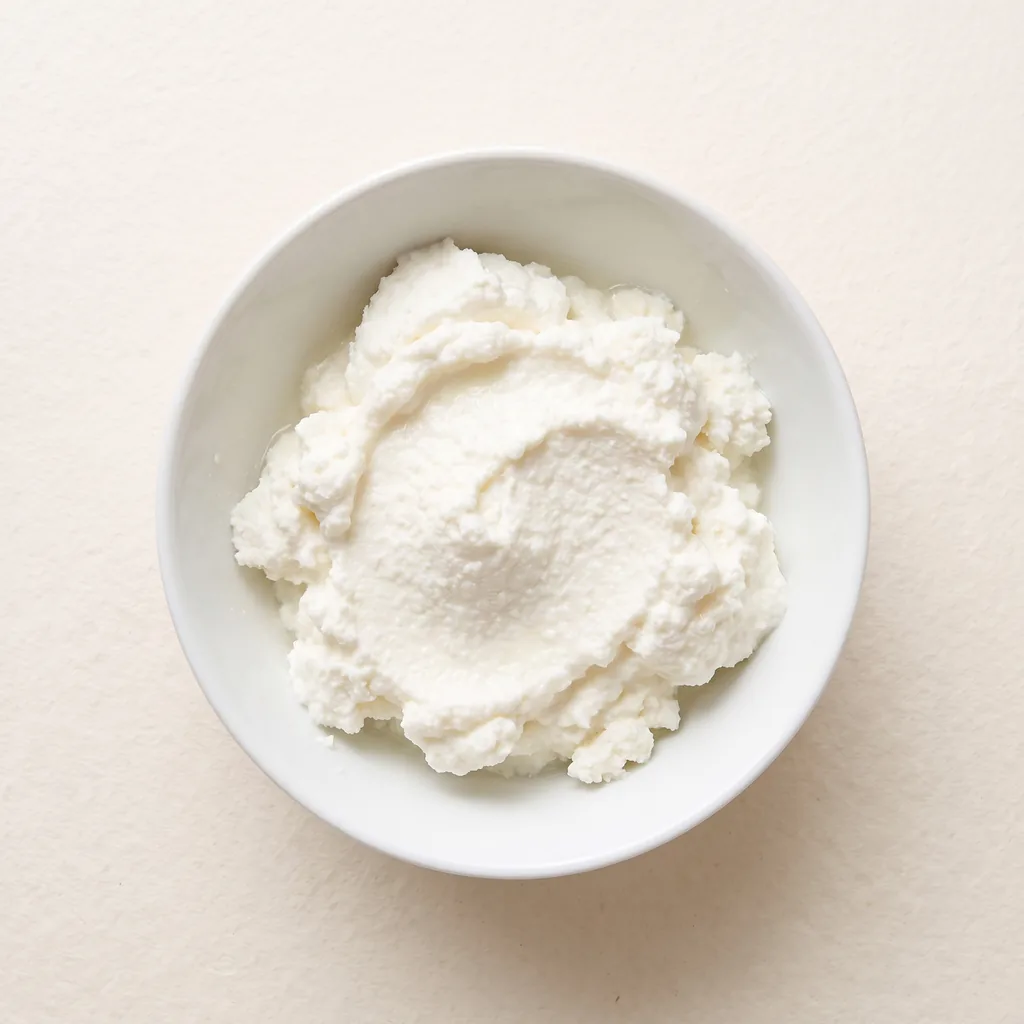
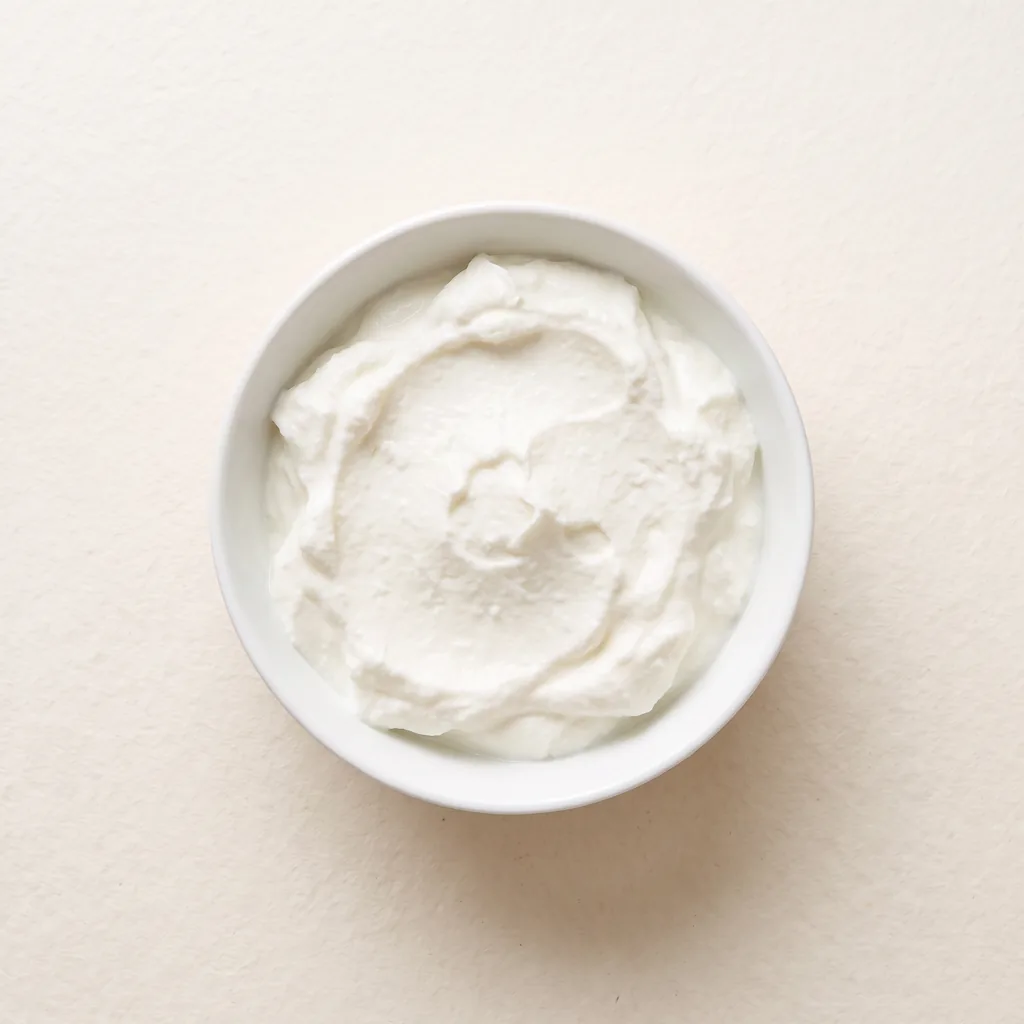
Ricotta cheese prepared for a babyAllergen, day 1/3

About ricotta cheese

Ricotta is a soft, slightly grainy fresh cheese from Italy. It is traditionally made by reheating whey. Today, milk or cream may also be used to make some types.

It can be made from cow, sheep, goat or buffalo milk. Fresh ricotta is moist and soft and can be eaten with a spoon.

There are also firmer types such as *ricotta salata*, made by salting and aging ricotta. For babies, it is usually best to choose plain, low-salt fresh ricotta made from pasteurized milk.

Nutrition

Ricotta is a dairy food that provides protein and fat. It may also contain various nutrients such as calcium, phosphorus, selenium, zinc, riboflavin (vitamin B2) and vitamin B12.

The energy, fat and protein in ricotta vary with the type of milk and how it is made. Whole-milk and low-fat types do not have the same nutrients.

Ricotta may also contain vitamin A. But vitamin and mineral amounts vary between products.

Fresh ricotta usually contains less sodium than salted, aged cheeses. Still, do not assume every ricotta product is low in salt.

Ricotta can be a nourishing complementary food, but in the first 12 months it does not replace breast milk or suitable infant formula.

Are ricotta and lor cheese the same?

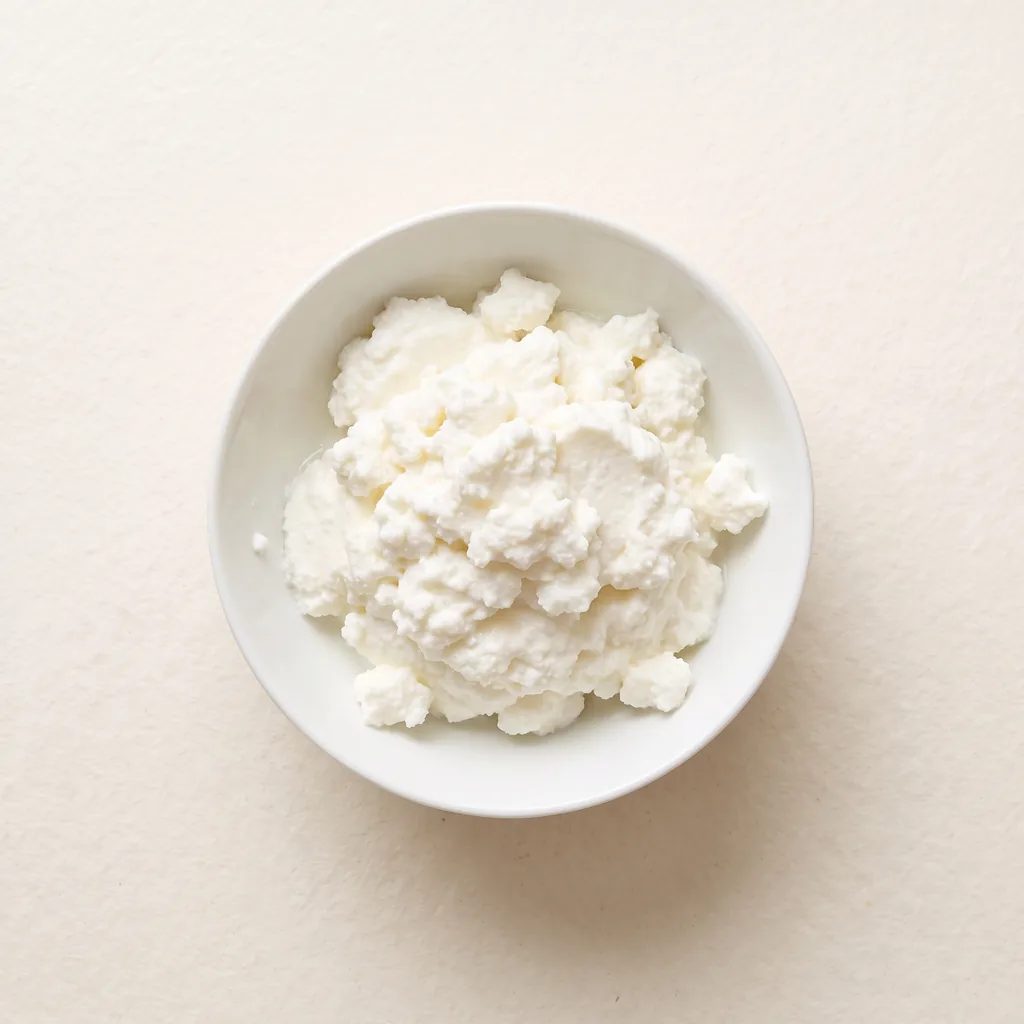
Ricotta and lor cheese can look alike and be used in similar ways. Both are soft, slightly grainy cheeses that can be eaten fresh. But they are not always made the same way. Traditional ricotta is made by reheating whey. Lor cheese in Turkey can be made with different ways of processing milk and whey. So ricotta and lor can differ in protein, fat, calcium and sodium. For babies, choose soft types of either cheese made from pasteurized milk, with no added salt or low in salt.

Also known as: ricotta, rikotta, rikotta peyniri, ricotta salata

  • Gluten-free
  • Vegetarian
  • Contains dairy

Ricotta cheese is offered 3 days in a row

So that any reaction can be linked to the right food, ricotta cheese is offered 3 days in a row and no other new food is tried on those days.

  1. 1/3

    First taste

    Start with a small amount in the morning or around midday. Your baby is watched closely for 5 to 10 minutes after the first bite.

  2. 2/3

    Same food, same calm

    Ricotta cheese is offered again the same way. No other new food is tried today.

  3. 3/3

    Introduction done

    If no reaction was seen, ricotta cheese is now part of your baby's meals. It keeps being offered regularly.

Emergency

If your baby has trouble breathing or swelling of the face or tongue, call 911 (or your local emergency number) right away.

About ricotta cheese allergy

FPIES warning

It is one of the known triggers of FPIES (a delayed-onset food allergy). In this condition, repeated severe vomiting, pallor and lethargy may occur, usually 1-4 hours after the food is eaten. Diarrhea may appear later. These symptoms require urgent medical evaluation.

Because ricotta contains milk proteins, it counts as a **milk allergen**.

Ricotta made from cow's milk can cause an allergic reaction in babies with cow's milk allergy.

Ricotta made from sheep, goat or buffalo milk is not automatically a safe alternative for babies with cow's milk allergy.

Making ricotta from whey does not remove milk allergens. Whey proteins can also cause allergic reactions.

Milk allergy and lactose intolerance are different conditions. Milk allergy is a reaction of the immune system to milk proteins. Lactose intolerance is trouble digesting milk sugar.

Cow's milk can also trigger a delayed-onset food allergy called FPIES (food protein-induced enterocolitis syndrome). In this case, repeated severe vomiting, paleness and marked floppiness can appear, usually 1 to 4 hours after eating. Diarrhea may come later. These signs need urgent medical care.

When you offer it for the first time, start with a small amount and watch how your baby responds.

Hives, swollen lips, vomiting, coughing or wheezing can be signs of an allergic reaction. For serious signs such as trouble breathing or swelling of the tongue or throat, call emergency services right away.

If your baby has a diagnosed milk allergy or has reacted to dairy before, do not try ricotta without advice from a health professional.

How to prepare it by age

6 monthsMash or strip

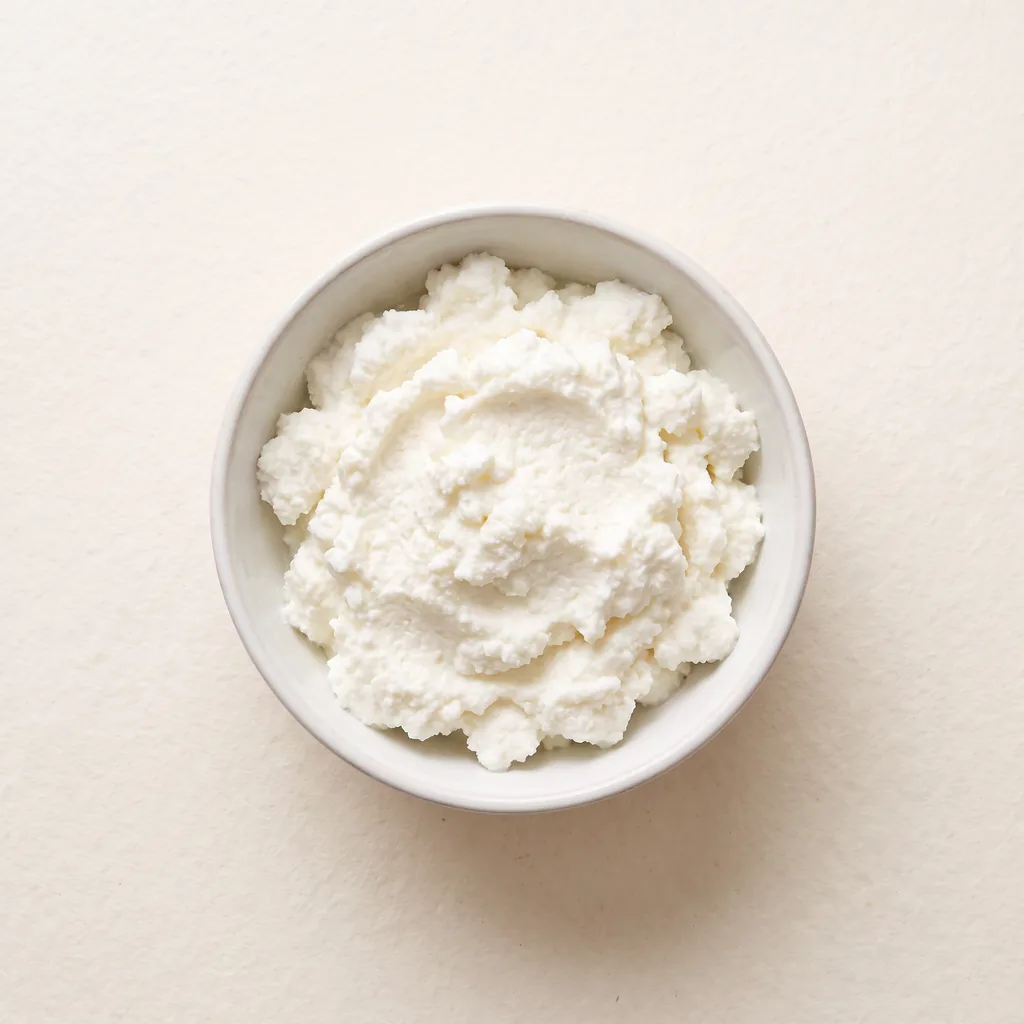
Ricotta cheese prepared for 6 months

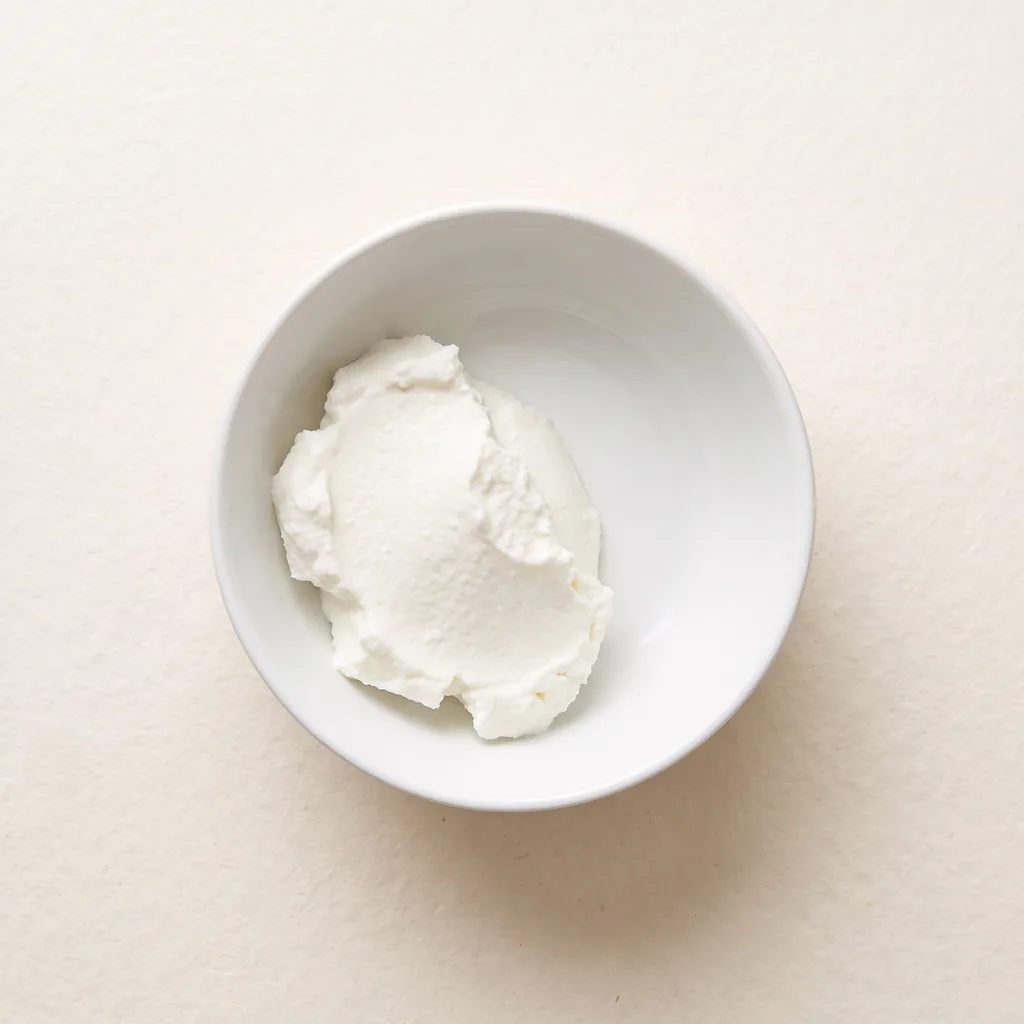
Spoon a little fresh pasteurized ricotta into a bowl, or place it right on baby's tray. Baby scoops by hand or from a pre-loaded spoon. You can stir in a little nut butter or fruit purée for flavor. Do not add honey because of infant botulism risk.

Spread ricotta thinly on a toast strip or teething rusk. Cut the strip wide enough for baby to hold.

9 monthsStrip

Ricotta cheese prepared for 9 months

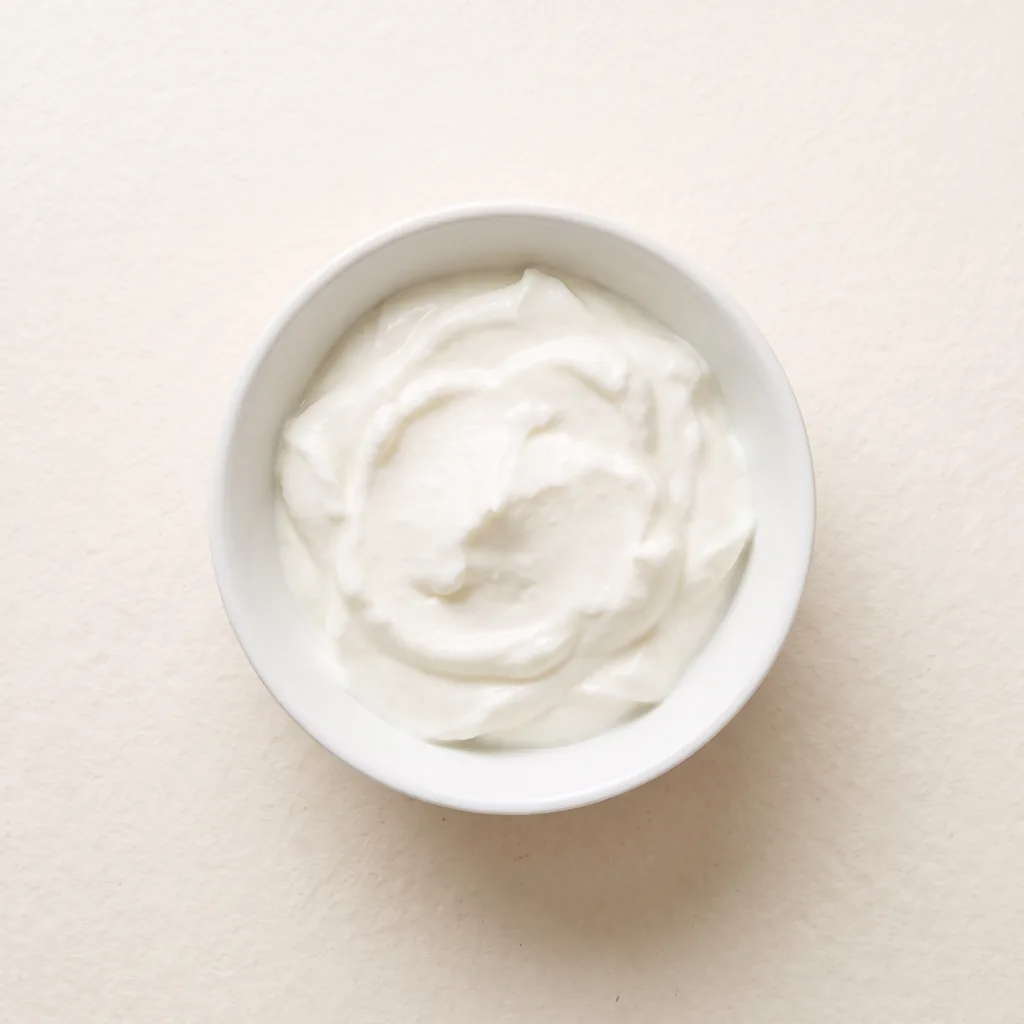
Use ricotta as a dunk for raw fruit and soft vegetables. Standing soft-cooked vegetable sticks upright in the ricotta makes them easier for baby to grab.

12 monthsCube or mash

Ricotta cheese prepared for 12 months

Share family dishes that contain ricotta. In lasagna and similar dishes, chop the pasta and other ingredients small enough to bite in one go. Firm ricotta can also be grated over your child's food now.

Keep offering ricotta that is fresh and pasteurized, in a bowl next to mashed fruit or other flavors.

Choking risk

  1. Low
  2. Medium
  3. High

Because fresh ricotta is soft and moist, it is a low choking risk when served the right way.

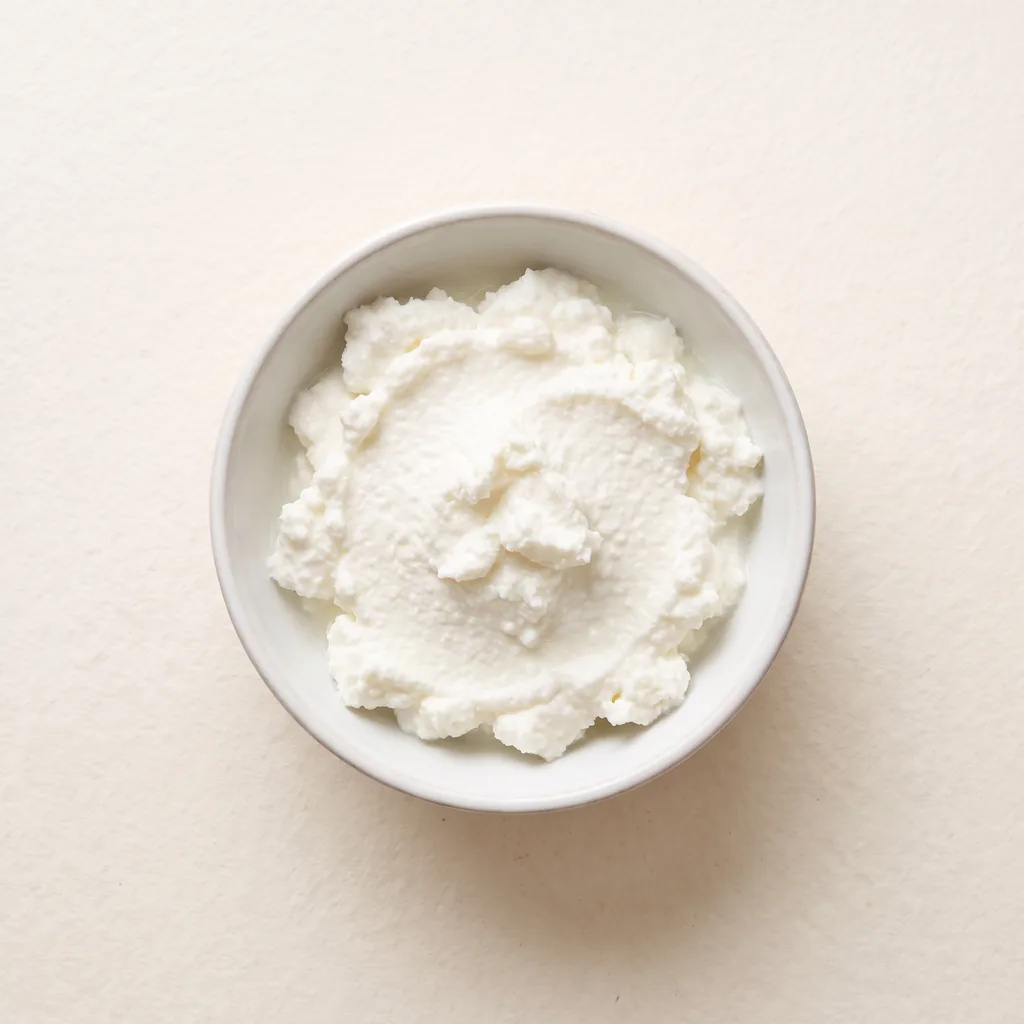
But the graininess of the cheese can vary by product. If needed, mash large or dry grains with a fork before serving.

Firmer types such as ricotta salata need a different approach. Firm pieces of cheese can be hard for babies to manage in their mouth.

So choose fresh, soft ricotta for babies.

Any fruit, vegetables or nuts you add to ricotta also need to be prepared to suit your baby's eating skills.

Your baby should sit upright and supported during meals, eat at their own pace and never be left alone.

Frequently asked questions

What age can babies eat ricotta cheese?

Ricotta cheese can be offered once your baby is ready for solids, usually around 6 months. Because it contains milk, it is one of the common food allergens.

Is ricotta cheese a common allergen?

Because ricotta contains milk proteins, it counts as a **milk allergen**.

How do you prepare ricotta cheese for babies?

For a 6-month-old: Spoon a little fresh pasteurized ricotta into a bowl, or place it right on baby's tray. Baby scoops by hand or from a pre-loaded spoon. You can stir in a little nut butter or fruit purée for flavor. Do not add honey because of infant botulism risk.

Is ricotta cheese a choking hazard for babies?

Because fresh ricotta is soft and moist, it is a low choking risk when served the right way.

What can I use instead of ricotta in Turkey?

Soft, unsalted lor cheese made from pasteurized milk can be used in a similar way. But its nutrients are not exactly the same.

Can a baby with milk allergy have ricotta?

No. Standard ricotta contains milk proteins. If your baby has a diagnosed milk allergy, do not give it without advice from a health professional.
Is ricotta salty?

Fresh ricotta can often be low in salt. Salted types such as ricotta salata have more sodium. Check the product label.
Share:WhatsApp

Want to add this food to your baby's solid food calendar?

Join Lokmini to learn how this food is served at each age and to keep track of every food your baby tries.

Join Lokmini

Starting Solids

When and how to start solids, and what happens in the first week?

Read the guide

Similar foods

Let's get ready for the first bite together

Lokmini builds a day-by-day plan for your baby's age. Leave your email for new guides and our newsletter.

Start Your Journey