Skip to content

Dietitian's view

Rye contains gluten. You can give it well cooked.

Uzm. Dyt. Berk AysanPrepared the latest update, November 14, 2026

Lokmini is not a healthcare provider and does not offer health services. For your baby's specific needs, talk to your doctor or a dietitian.

  • Wheat and gluten allergen
  • Grains
  • 6 mo+
  • Low choking risk

Rye for babies: when to start

Rye can be offered the right way once your baby is ready for solids, usually around 6 months. It is a grain that contains gluten.

  • Fiber
  • Carbohydrates
  • Protein
  • Vitamin B6
  • Iron
  • Zinc
Rye prepared for a babyAllergen, day 1/3

About rye

Rye belongs to the same plant family as wheat and barley and is grown mainly in cool climates. It is widely eaten in Northern and Central European cooking.

Rye is used to make bread, porridge and various baked foods. German pumpernickel and Danish rugbrød are among the traditional breads made with rye.

For babies, it should be served fully cooked, soft and suited to their eating skills.

Nutrition

Rye mainly provides carbohydrate. It also contains plant protein, fiber and various vitamins and minerals.

Whole-grain rye can provide fiber, magnesium, phosphorus, iron, zinc and some B vitamins.

Rye is higher in fiber than many refined grain products, especially in whole-grain form. Much of this fiber comes from parts of the grain's cell walls, such as arabinoxylans.

Dark rye bread is not always whole grain. When judging its nutrition, look at the ingredient list rather than the color of the bread.

Rye contains iron, but plant iron may be poorly absorbed. So it should not be counted as your baby's only source of iron.

Does dark rye bread mean it is whole grain?

No. The color of rye bread can vary with the type of flour, how it is made and the other ingredients added. Some dark breads contain whole-grain rye flour, while others may be made with refined flours. To choose a whole-grain product, look at the ingredient list, not just the color. For babies, also consider the bread's salt content, allergens and texture.

Also known as: çavdar, çavdar unu, çavdar ekmeği, çavdar gevreği, taneli çavdar

  • Vegan

Rye is offered 3 days in a row

So that any reaction can be linked to the right food, rye is offered 3 days in a row and no other new food is tried on those days.

  1. 1/3

    First taste

    Start with a small amount in the morning or around midday. Your baby is watched closely for 5 to 10 minutes after the first bite.

  2. 2/3

    Same food, same calm

    Rye is offered again the same way. No other new food is tried today.

  3. 3/3

    Introduction done

    If no reaction was seen, rye is now part of your baby's meals. It keeps being offered regularly.

Emergency

If your baby has trouble breathing or swelling of the face or tongue, call 911 (or your local emergency number) right away.

About rye allergy

Rye is not as common a food allergen as wheat. But allergic reactions to rye have been reported.

Rye contains gluten. So it should not be given to babies with celiac disease.

Some proteins in wheat, barley and rye are alike. Some people with wheat allergy may also react to rye. But you should not assume everyone with wheat allergy is also allergic to rye.

When you offer it for the first time, start with a small amount and watch how your baby responds.

Hives, swollen lips, vomiting, coughing or wheezing can be signs of an allergic reaction. For serious signs such as trouble breathing or swelling of the tongue or throat, call emergency services right away.

Rye should not be eaten if your baby has diagnosed celiac disease. If you suspect a wheat or rye allergy, talk to your pediatrician or an allergist before trying it again.

How to prepare it by age

6 monthsMash or strip
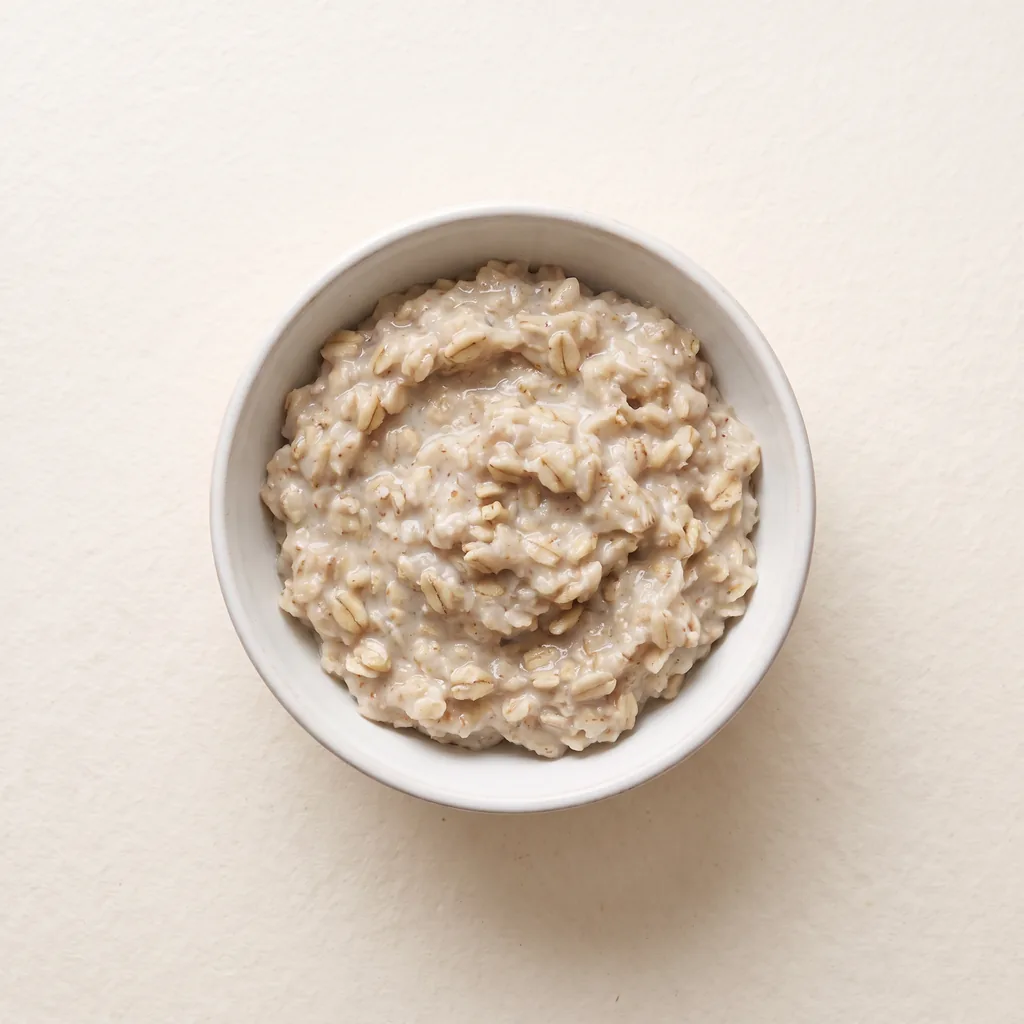
Rye prepared for 6 months

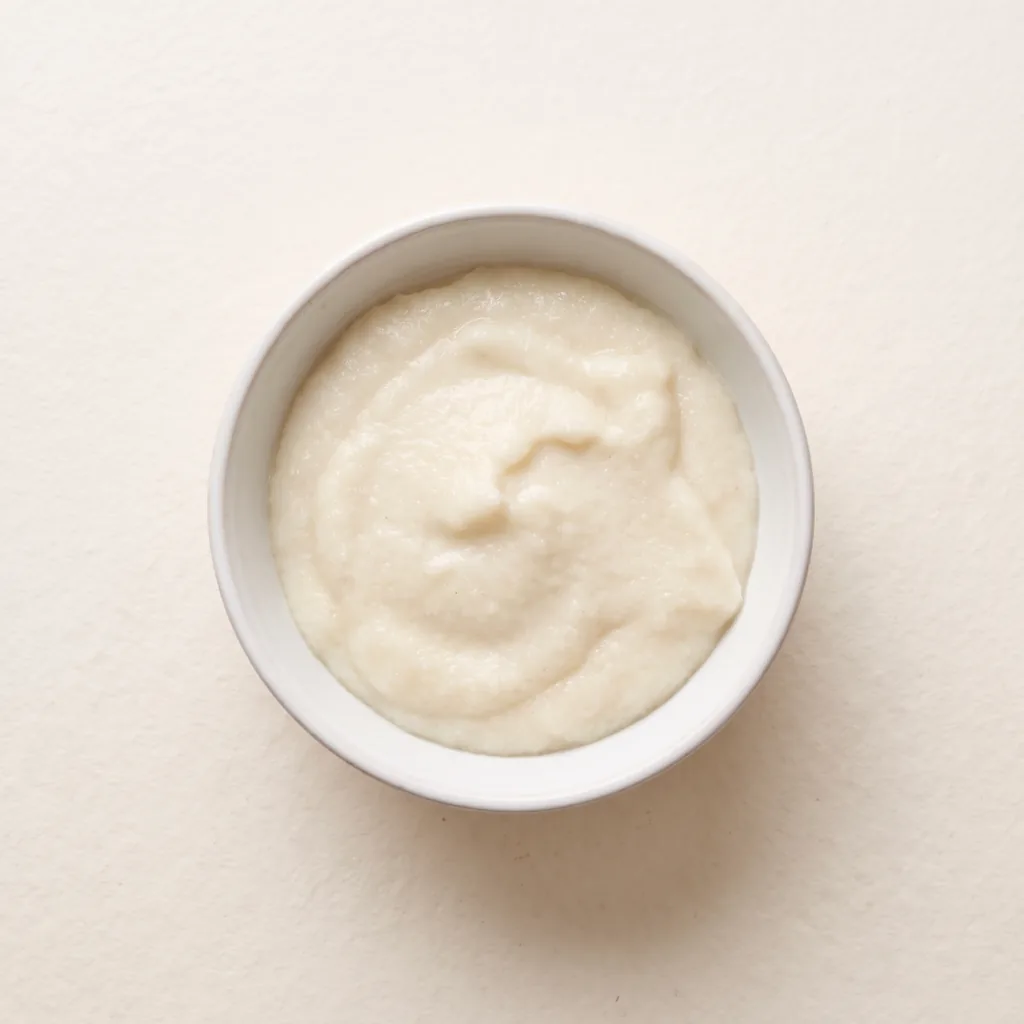
Cook a soft porridge from rye flakes or flour. Stir in spices, mashed fruit or vegetables, or very finely ground nuts for new flavors. It is an easy way to introduce the grain.

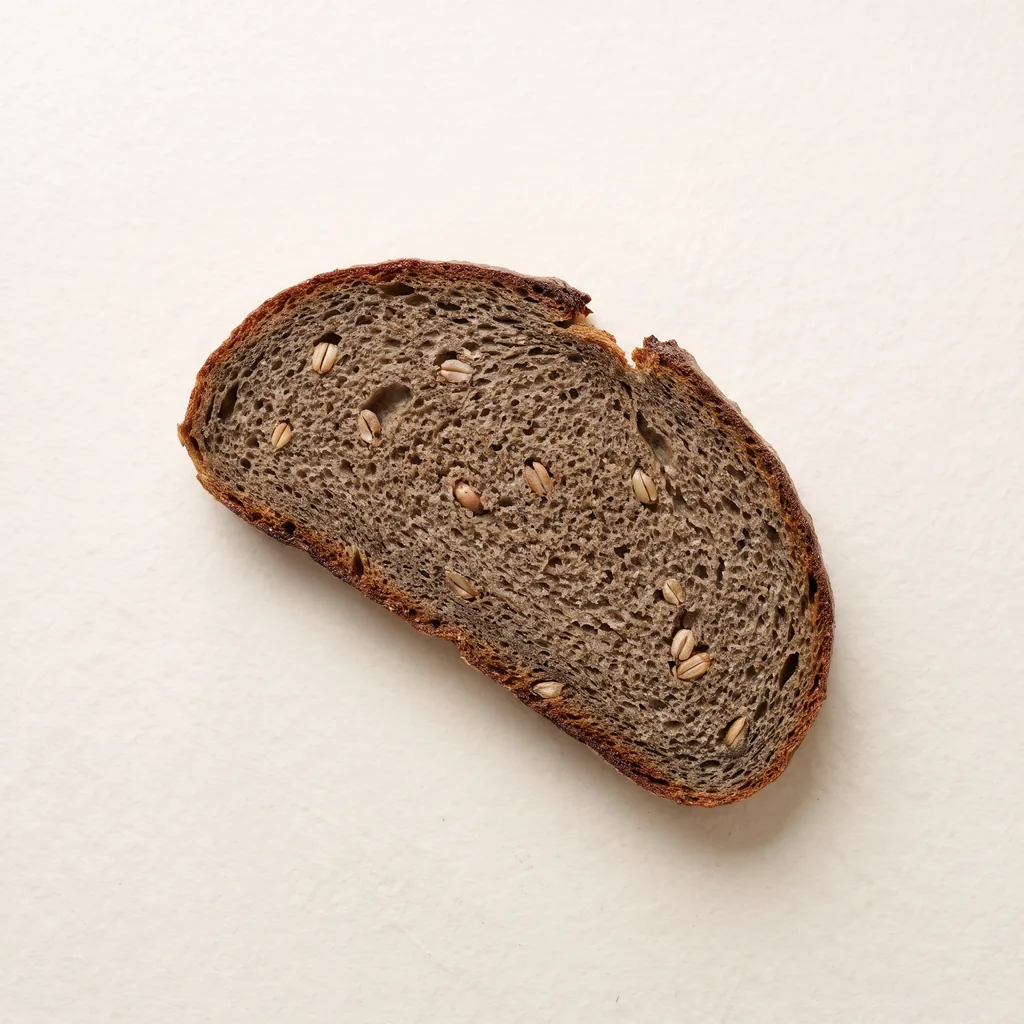
Cut: Finger strip

Offer a strip of crisp toasted rye bread about as thick as two adult fingers. A crusty loaf's heel is good for gnawing too. Wet bread clings to the tongue or roof of the mouth and may cause gagging, so toast it well. Rye bread often contains milk, egg, sesame, soy and wheat, so read the label.
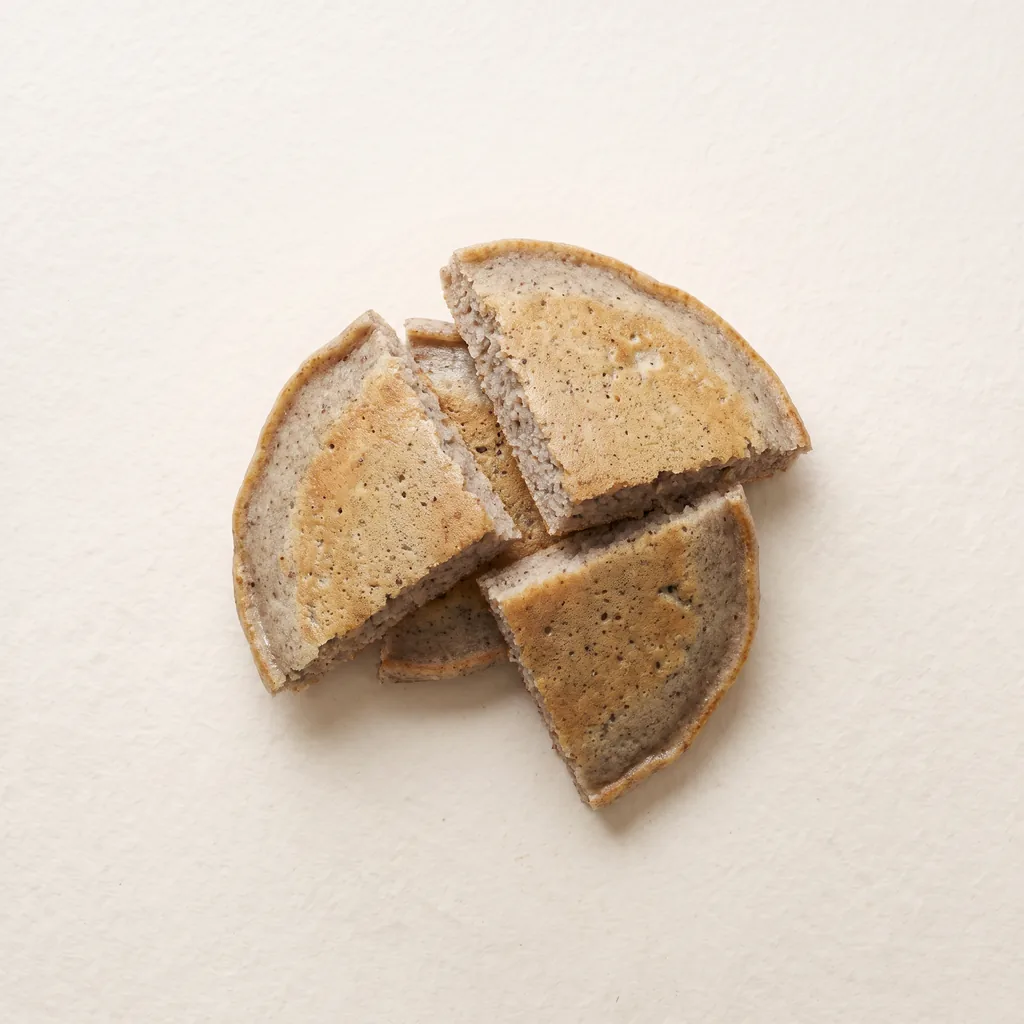
9 monthsCube

Rye prepared for 9 months

Cut: Bite sized piece

If patties, pancakes, or breads contain cooked rye, cut them into pieces about as big as a large adult knuckle. This supports the pincer grasp. Rolling slippery fruit such as apricot or mango in rye flakes makes it easier to grip.

12 monthsSlice or cube

Rye prepared for 12 months

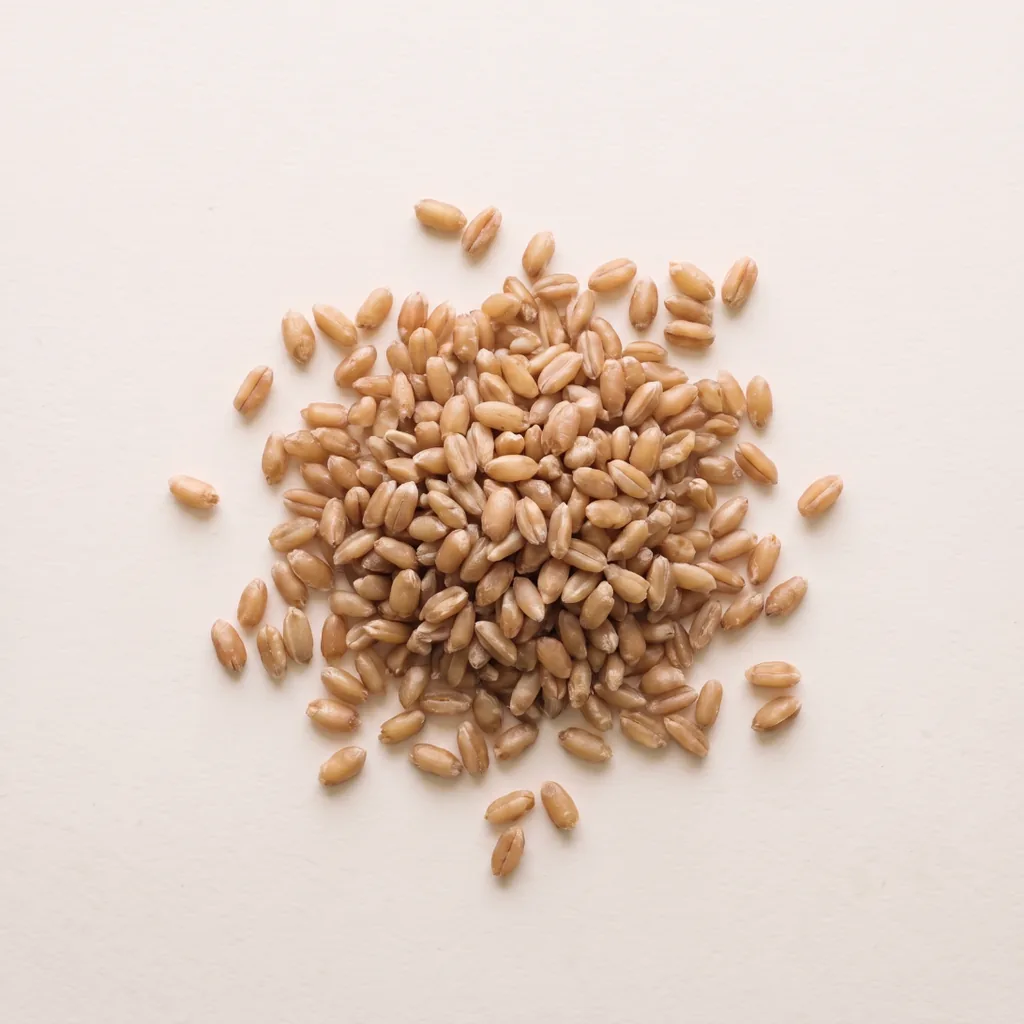
Rye bread and sandwiches are worth trying. Porridge and pancakes are still good choices. Cracked or pearled rye also thickens stews and soups, and thicker food is easier to practice with a spoon.

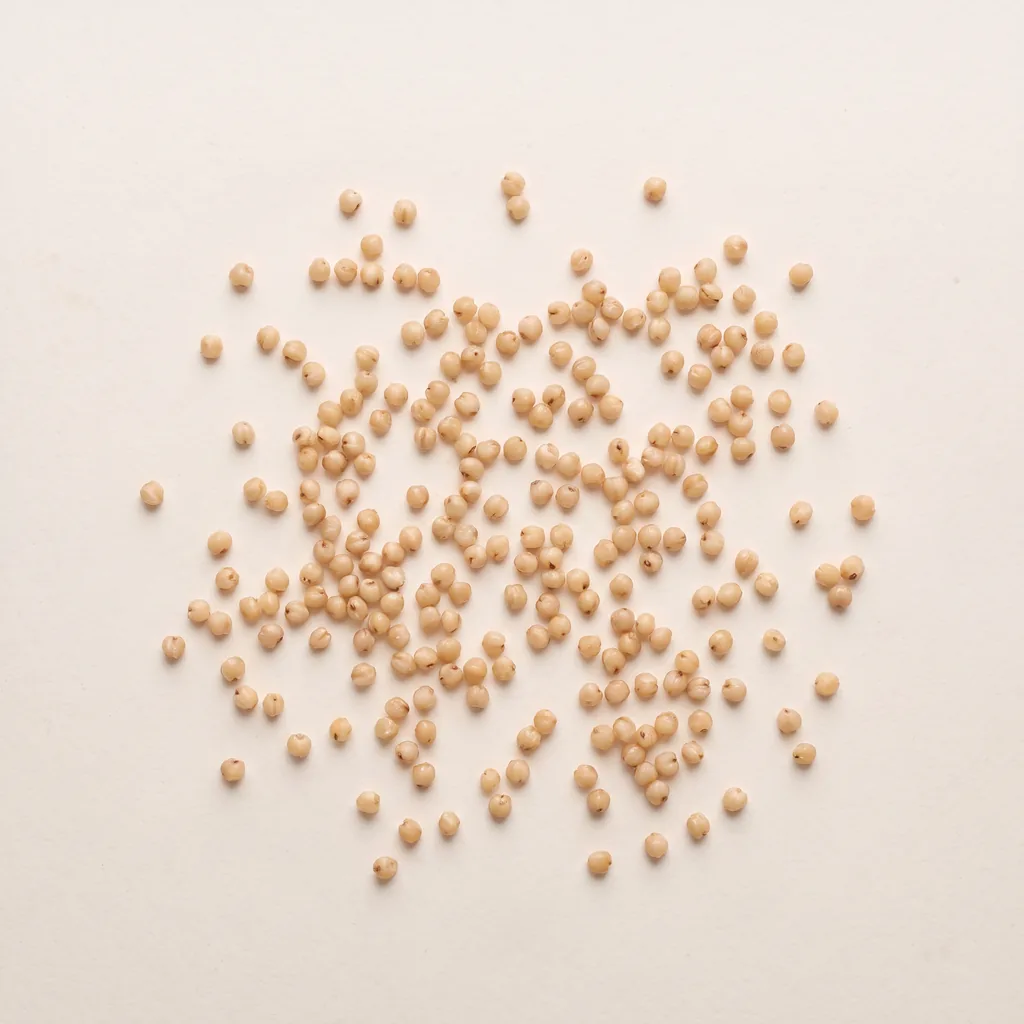
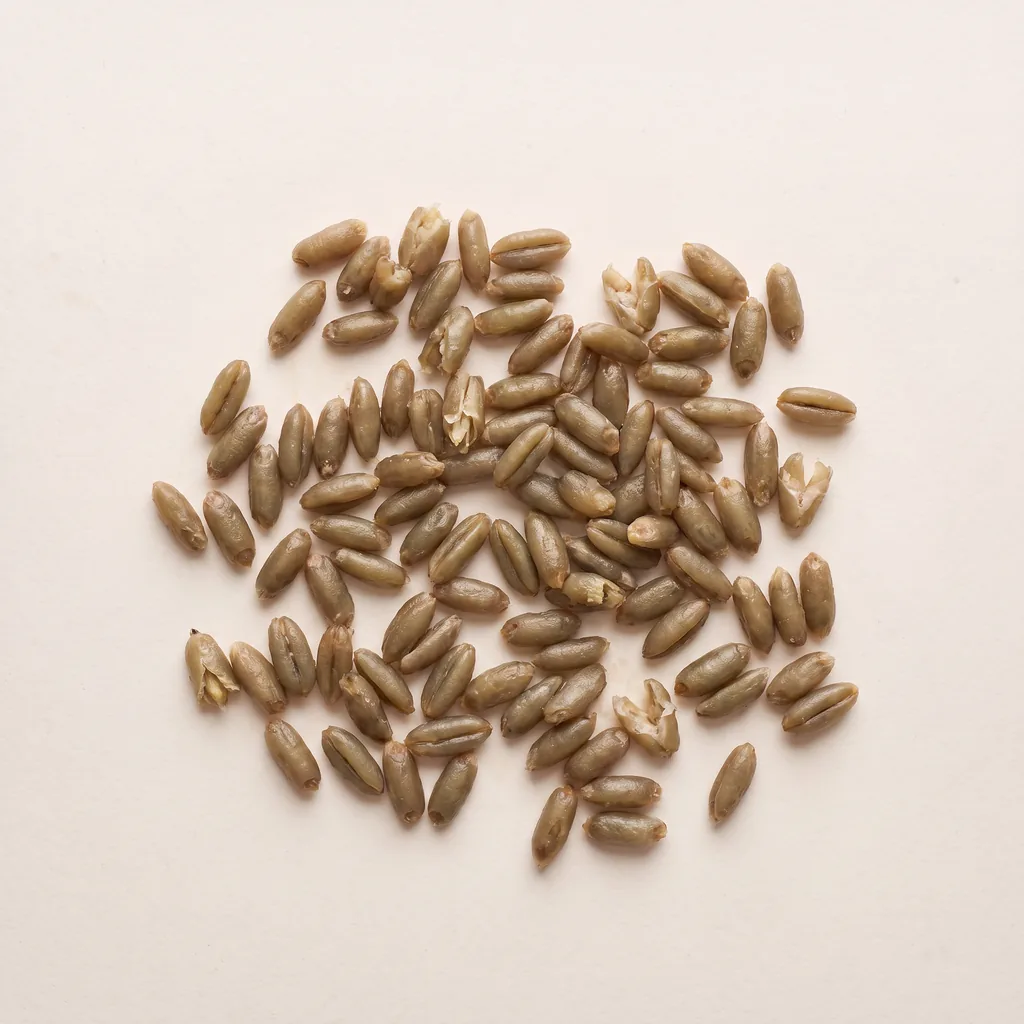
Cook whole or cracked rye into meals. Soaking shortens cooking time and helps digestion of nutrients. Soak for 8 to 24 hours, then drain and rinse again.

Choking risk

  1. Low
  2. Medium
  3. High

The choking risk of rye depends on the texture of the grains or of the foods made from rye.

Hard or undercooked rye grains can be hard for your baby to chew and swallow. At first, soften the grains completely and serve them mashed or as a porridge.

Very soft rye bread can mix with saliva and form a sticky lump in the mouth. Breads with a very hard crust or crunchy texture are not suitable either.

Toasting the bread lightly can reduce stickiness in some products. But over-toasted, hardened bread is not a safe alternative.

Avoid breads with whole nuts, large hard seeds or large pieces of dried fruit.

Your baby should sit upright and supported during meals, eat at their own pace and never be left alone.

Frequently asked questions

What age can babies eat rye?

Rye can be offered the right way once your baby is ready for solids, usually around 6 months. It is a grain that contains gluten.

Is rye a common allergen?

Rye is not as common a food allergen as wheat. But allergic reactions to rye have been reported.

How do you prepare rye for babies?

For a 6-month-old: Cook a soft porridge from rye flakes or flour. Stir in spices, mashed fruit or vegetables, or very finely ground nuts for new flavors. It is an easy way to introduce the grain.

Is rye a choking hazard for babies?

The choking risk of rye depends on the texture of the grains or of the foods made from rye.

Can babies eat rye, which contains gluten?

Yes. Once your baby is ready for solids, usually around 6 months, gluten-containing grains can be introduced the right way. Rye should not be given if your baby has diagnosed celiac disease.

Can rye help baby poop?

Rye contains fiber and can add to fiber intake as part of a varied diet. But rye has not been shown to relieve constipation in babies.

Does rye cause gas?

In some babies, especially with large portions, the fiber and fermentable carbohydrates can cause gas or tummy discomfort. This does not happen in every baby.

Can babies eat rye bread?

Yes. The bread's texture should suit your baby's chewing skills. Avoid very sticky, hard or crunchy breads. Check the salt and allergen content of store-bought products.

Are rye and wheat the same thing?

No. They are different grains, but they belong to the same plant family and both contain gluten. So neither is suitable for children with celiac disease.
Share:WhatsApp

Want to add this food to your baby's solid food calendar?

Join Lokmini to learn how this food is served at each age and to keep track of every food your baby tries.

Join Lokmini

Starting Solids

When and how to start solids, and what happens in the first week?

Read the guide

Similar foods

Let's get ready for the first bite together

Lokmini builds a day-by-day plan for your baby's age. Leave your email for new guides and our newsletter.

Start Your Journey