Skip to content

Dietitian's view

You can use sorghum as an alternative grain.

Uzm. Dyt. Berk AysanPrepared the latest update, November 14, 2026

Lokmini is not a healthcare provider and does not offer health services. For your baby's specific needs, talk to your doctor or a dietitian.

  • Grains
  • 6 mo+
  • Low choking risk

Sorghum for babies: when to start

Sorghum can be offered once your baby is ready for solids, usually around 6 months. It is a naturally gluten-free grain and is not a common food allergen.

  • Carbohydrates
  • Fiber
  • Zinc
  • Vitamin B6
  • Magnesium
  • Selenium
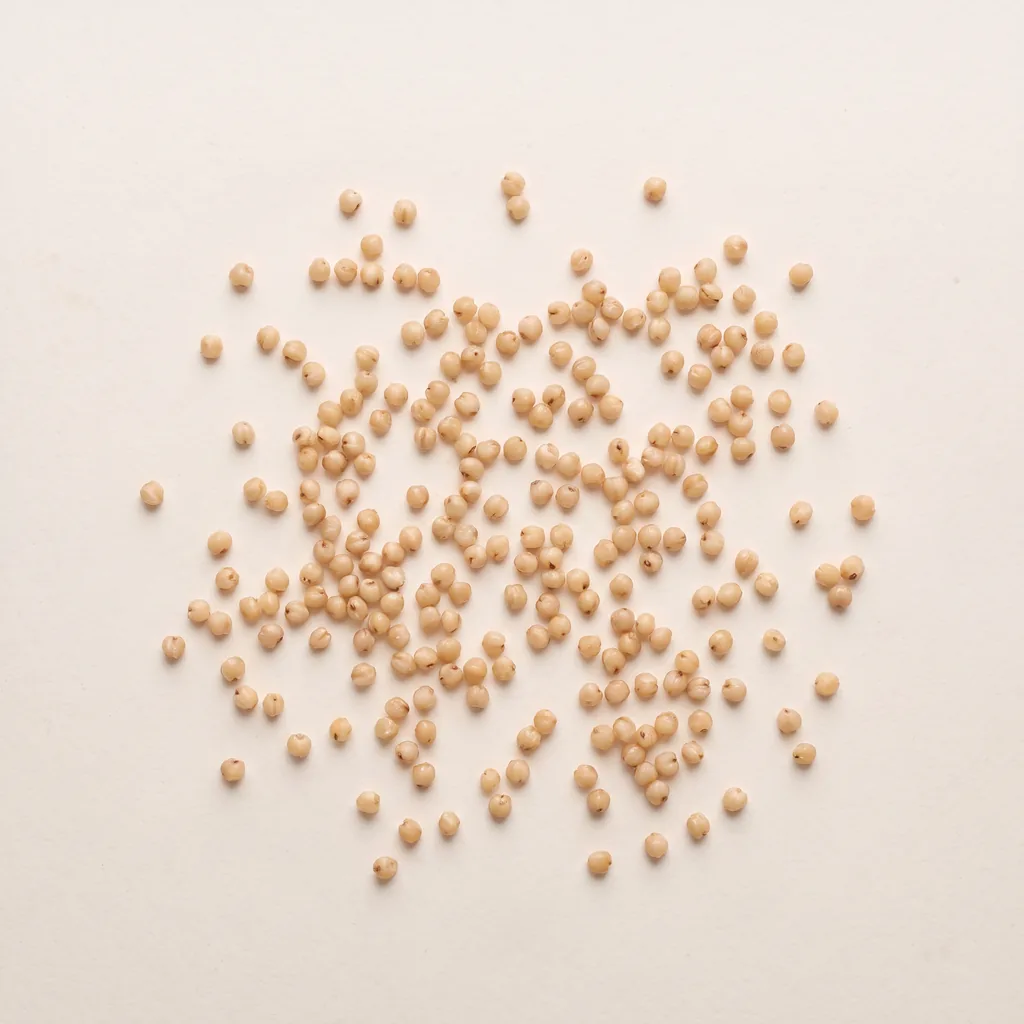
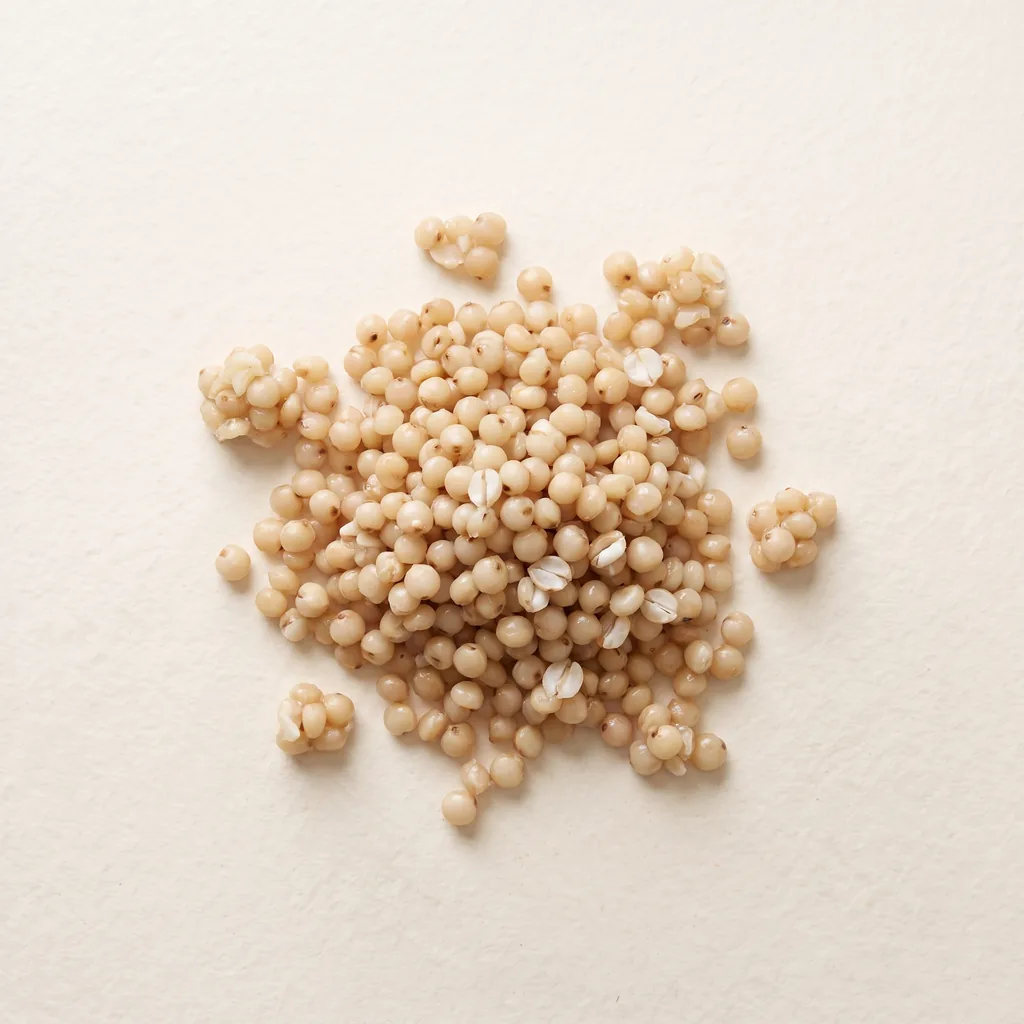
Sorghum prepared for a baby

About sorghum

Sorghum comes from Africa and is also known as great millet, milo and jowar. It is used especially in African and Asian cooking to make porridge, bread and many grain dishes.

With its mild taste, it can be served with different vegetables and other foods.

Nutrition

Sorghum is a grain that contains carbohydrates and fiber. It also contains magnesium, phosphorus, iron, zinc and several B vitamins. However, the amounts of these nutrients depend on the sorghum variety and how it is processed.

Some sorghum varieties are rich in phenolic compounds and plant substances with antioxidant properties. However, these compounds have not been shown to provide a specific health benefit in babies.

Compounds in sorghum such as phytates and tannins can reduce the absorption of some minerals. Soaking, fermenting and proper cooking can help lessen these effects.

Also known as: sorgum, büyük darı, sorghum, milo, jowar, süpürge darısı

  • Gluten-free
  • Vegan

How to prepare it by age

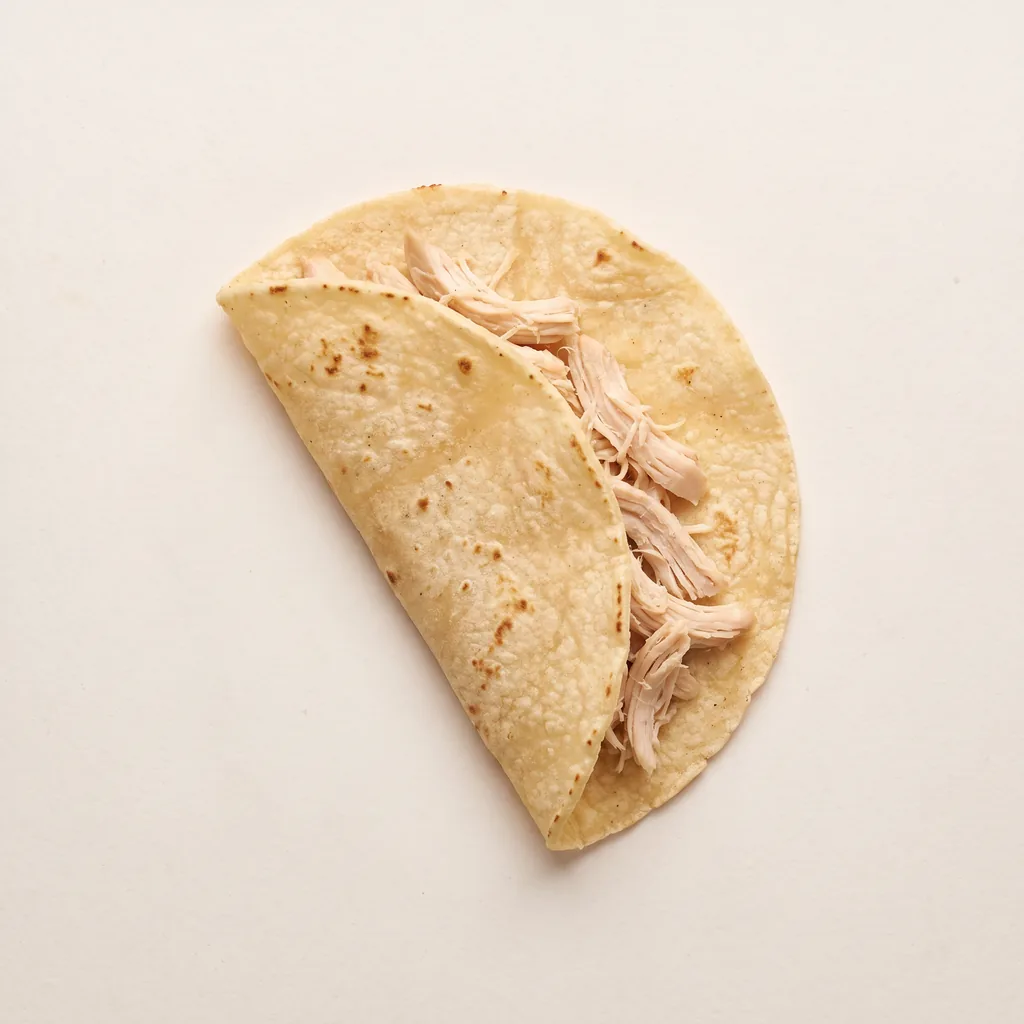
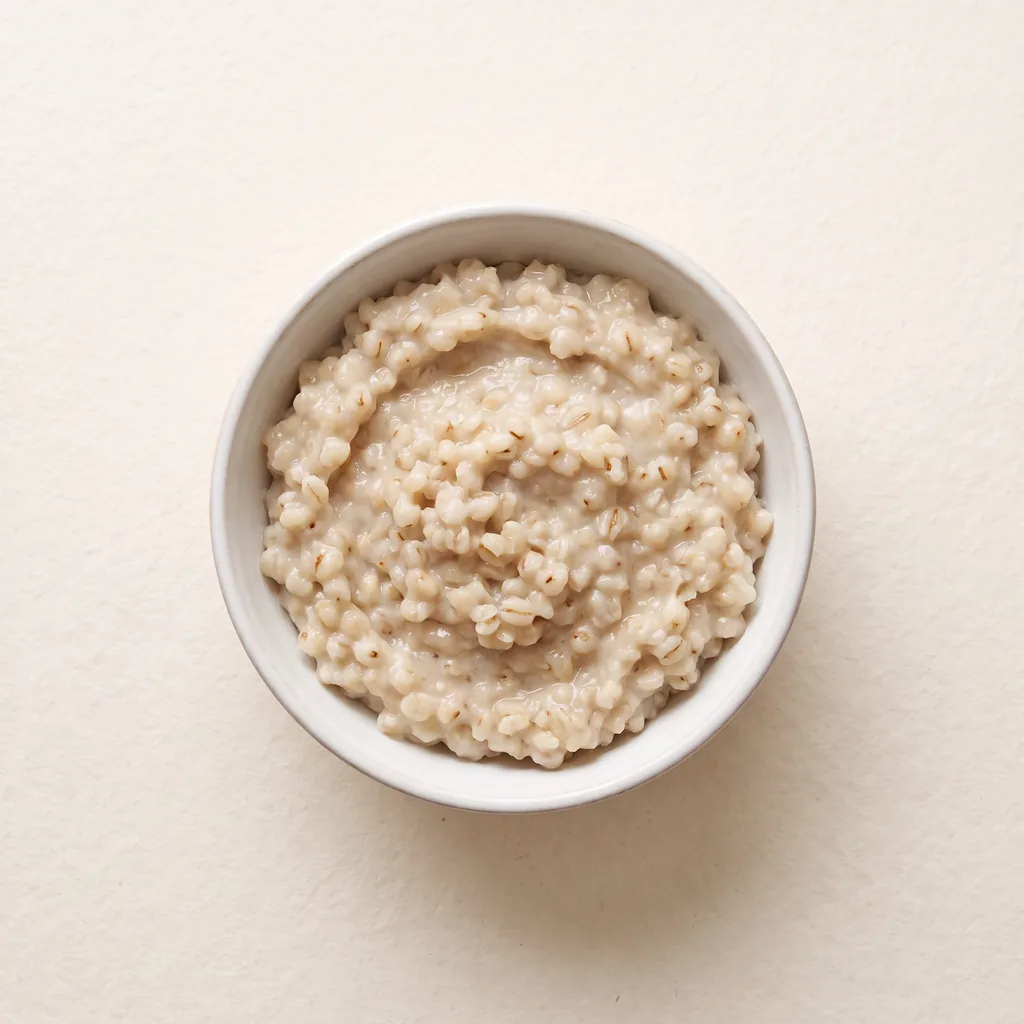
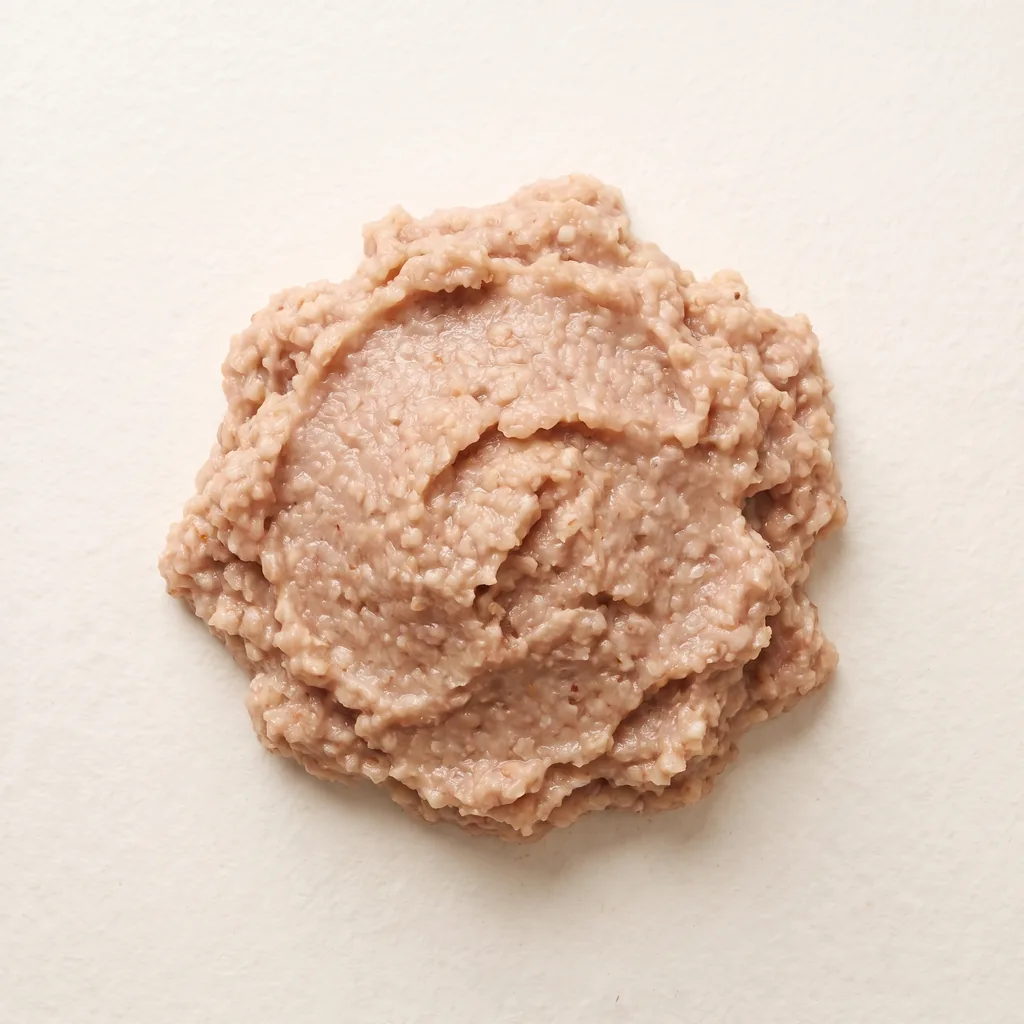
6 monthsMash

Sorghum prepared for 6 months

Cook sorghum into a porridge. Use a nourishing liquid such as buttermilk or vegetable stock in place of water. Flavor it with fruit, vegetables, or spices you like. To make finger food, combine the cooked grains with minced meat or mashed vegetables and form balls or fritters.
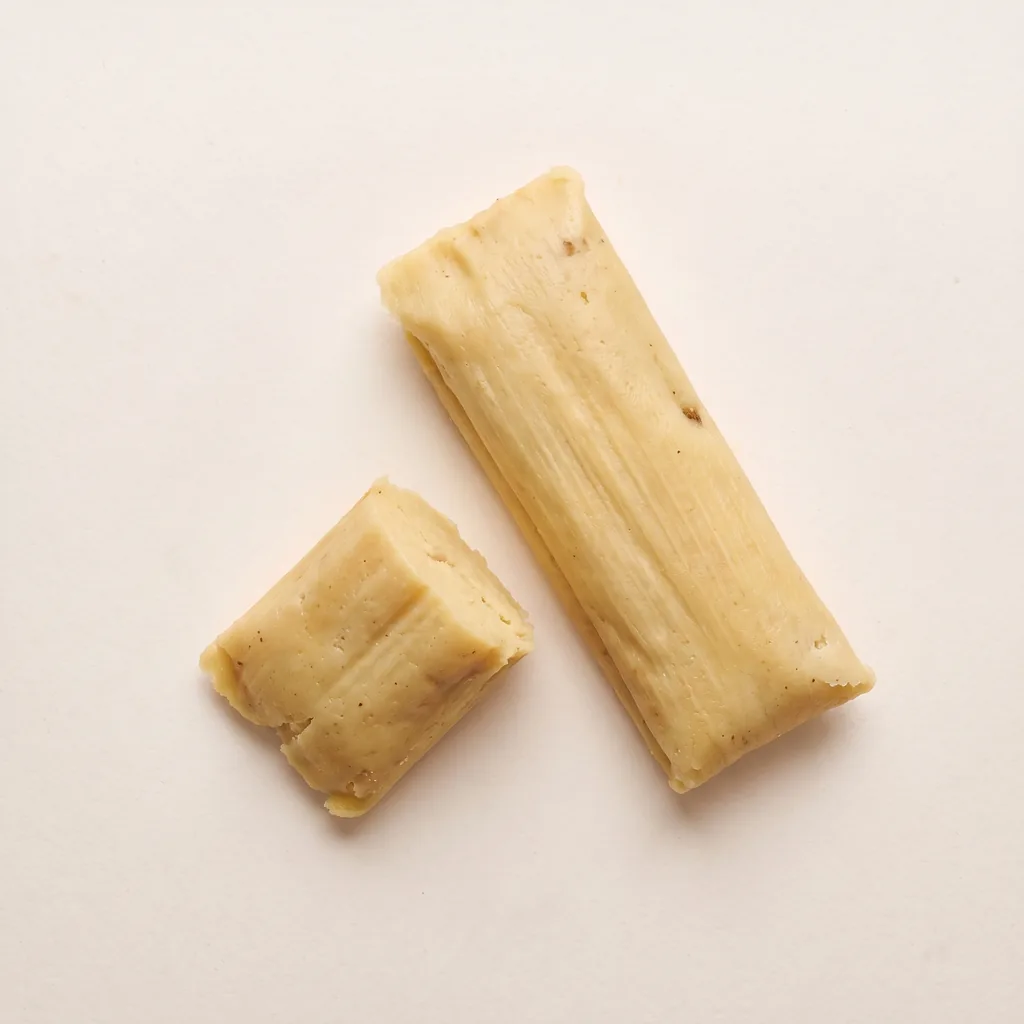
9 monthsCube

Sorghum prepared for 9 months

Cut: Fork mashed

Press cooked sorghum lightly with a fork, and the grains will stick together. Baby can pick up these clumps. You can also stir a sorghum salad into a spoonable food like vegetable mash or yogurt. Strips or bite-size pieces of sorghum-flour pancakes or waffles work too.

12 monthsCube

Sorghum prepared for 12 months

Cut: Fork mashed

Serve cooked sorghum as finger food, in a salad, or mixed with soft foods. If the grains are hard to pick up, mash them with a fork back so they stick. You can offer bread, pancakes, and pasta made with sorghum flour. Popped sorghum can be served alone from this age.

Choking risk

  1. Low
  2. Medium
  3. High

Well-cooked, mashed sorghum porridge carries a low choking risk. However, whole, hard or loose small grains can make it harder for your baby to manage food in the mouth.

Popped sorghum can also be a choking or aspiration risk because of its small, dry pieces. Sprinkling it over a soft meal does not fully remove this risk.

Prepare sorghum to suit your baby's chewing and swallowing skills. Make sure your baby sits upright during meals, and do not leave your baby alone.

Allergen information

Sorghum is not a common food allergen. However, allergic reactions can rarely occur.

Sorghum is naturally gluten free. So it can be a suitable grain choice for celiac disease and other situations where gluten must be avoided. However, cross-contact with gluten-containing grains can happen during production. For celiac disease, choose products labeled gluten free.

Allergic sensitivity to sorghum pollen has been reported. However, a pollen allergy does not necessarily mean that eating sorghum grain will cause an allergy.

When offering it for the first time, start with a small amount and watch how your baby responds.

Can sorghum be used in a gluten-free diet?

Yes. Sorghum is a naturally gluten-free grain. This makes it one of the options that can be used instead of wheat, barley and rye. However, being naturally gluten free does not mean every sorghum product is gluten free. Cross-contact with gluten-containing grains can happen during production and packaging. Especially for children with celiac disease, choose products labeled gluten free.

Frequently asked questions

What age can babies eat sorghum?

Sorghum can be offered once your baby is ready for solids, usually around 6 months. It is a naturally gluten-free grain and is not a common food allergen.

Is sorghum a common allergen?

Sorghum is not a common food allergen. However, allergic reactions can rarely occur.

How do you prepare sorghum for babies?

For a 6-month-old: Cook sorghum into a porridge. Use a nourishing liquid such as buttermilk or vegetable stock in place of water. Flavor it with fruit, vegetables, or spices you like. To make finger food, combine the cooked grains with minced meat or mashed vegetables and form balls or fritters.
Is sorghum a choking hazard for babies?

Well-cooked, mashed sorghum porridge carries a low choking risk. However, whole, hard or loose small grains can make it harder for your baby to manage food in the mouth.

Is sorghum gluten free?

Yes. It is naturally gluten free. For celiac disease, choose products labeled gluten free to avoid cross-contact.

At what age can babies eat popped sorghum?

Small, dry, hard pieces of popped sorghum can be a choking risk. They are not recommended for babies and young children. Instead, you can offer well-cooked, soft sorghum porridge.

Are anti-nutrients in sorghum harmful to babies?

Compounds in sorghum such as phytates and tannins can reduce the absorption of some minerals. Soaking, fermenting and proper cooking can help lessen this effect. In a varied, balanced diet, there is no need to avoid sorghum.
Share:WhatsApp

Want to add this food to your baby's solid food calendar?

Join Lokmini to learn how this food is served at each age and to keep track of every food your baby tries.

Join Lokmini

Starting Solids

When and how to start solids, and what happens in the first week?

Read the guide

Similar foods

Let's get ready for the first bite together

Lokmini builds a day-by-day plan for your baby's age. Leave your email for new guides and our newsletter.

Start Your Journey