Skip to content

Dietitian's view

Tamales are not common in Türkiye.

Lokmini is not a healthcare provider and does not offer health services. For your baby's specific needs, talk to your doctor or a dietitian.

  • Fish allergen
  • Wheat and gluten allergen
  • Cow's milk allergen
  • Shellfish allergen
  • Tree nuts allergen
  • Sesame allergen
  • Peanut allergen
  • Egg allergen
  • Grains
  • 6 mo+
  • Medium choking risk

Tamales for babies: when to start

A soft tamal with age-suitable filling can be adapted and shared once your baby seems ready for solids, usually at 6 months. Wait until 24 months for fried tamales. To reduce the chance of foodborne illness, pick tamales that use pasteurized cheese.

  • Carbohydrate
  • Protein
  • Fat
  • Fiber
Tamales prepared for a babyAllergen, day 1/3

About tamales

The tamal is a dish native to Central America. It is made for everyday meals and for celebrations. The dough may be masa, fresh mashed corn or rice flour. The wrapper may be a corn husk, or a banana leaf as in Nicaraguan nacatamales. Sizes run from the small Guatemalan chuchito to the big zacahuil of Veracruz.

Nutrition

It depends on the contents. It can give carbohydrate, protein, fat and fiber. Some tamales are made with lard or butter. Babies need a lot of fat for growth. Saturated fat's link to heart disease in adults has been debated, and studies report it has a place in a balanced diet.

Also known as: tamales, tamal, tamale

  • Contains fish
  • May contain pork
  • May contain meat
  • Contains shellfish
  • Contains dairy
  • Contains egg

Tamales is offered 3 days in a row

So that any reaction can be linked to the right food, tamales is offered 3 days in a row and no other new food is tried on those days.

  1. 1/3

    First taste

    Start with a small amount in the morning or around midday. Your baby is watched closely for 5 to 10 minutes after the first bite.

  2. 2/3

    Same food, same calm

    Tamales is offered again the same way. No other new food is tried today.

  3. 3/3

    Introduction done

    If no reaction was seen, tamales is now part of your baby's meals. It keeps being offered regularly.

Emergency

If your baby has trouble breathing or swelling of the face or tongue, call 911 (or your local emergency number) right away.

About tamales allergy

Tamales often carry cheese and other ingredients made from milk. They may also hold egg, fish, shellfish, peanut, tree nuts, sesame and wheat.

Before sharing a prepared food with many allergens, try each common allergen one by one and rule out allergy. That way you are sure your baby has already eaten the allergens inside. If a reaction happens, it is easier to narrow down the cause.

Start with a small amount for the first servings. If there is no reaction, increase it slowly.

Allergen label

A tamal may contain milk, egg, fish, shellfish, peanut, tree nuts, sesame and wheat. Read the label.

How to prepare it by age

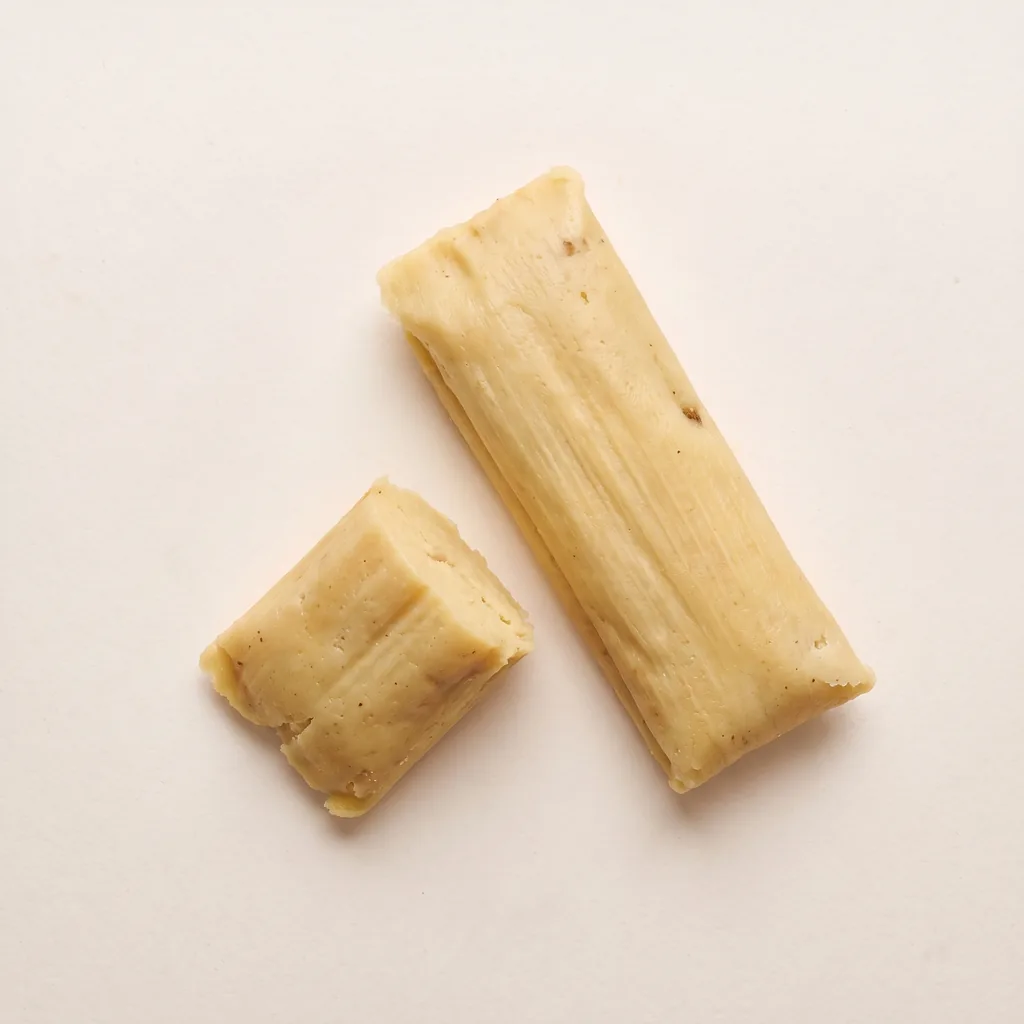
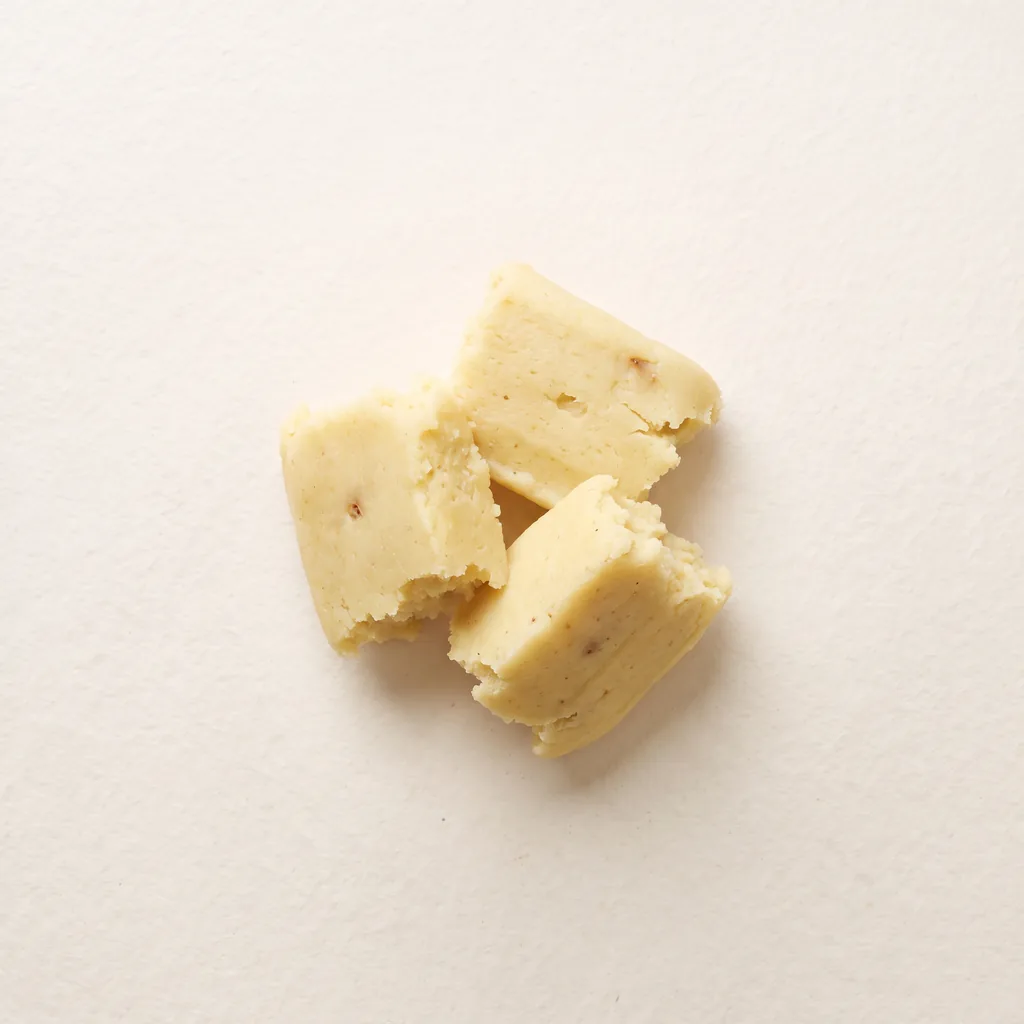
6 monthsStrip

Tamales prepared for 6 months

Cut: Halved

Take the wrapper off a soft tamal and halve it lengthwise. Pick out corn kernels, bits of meat and cheese, firm vegetables, whole olives, large seeds, nuts and raisins. Your baby holds the half and eats. If the tamal is very soft, let them scoop by hand or spoon. Do not serve fried tamales.
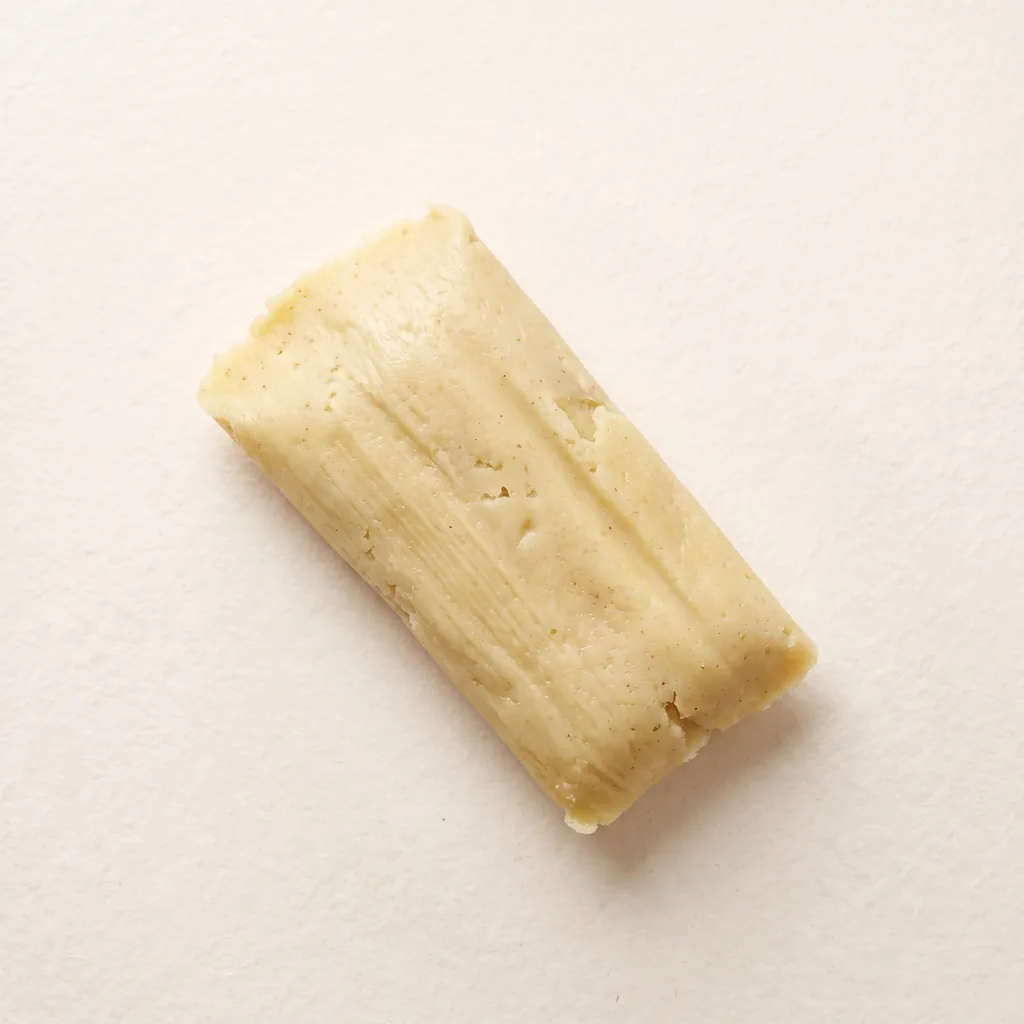
9 monthsCube

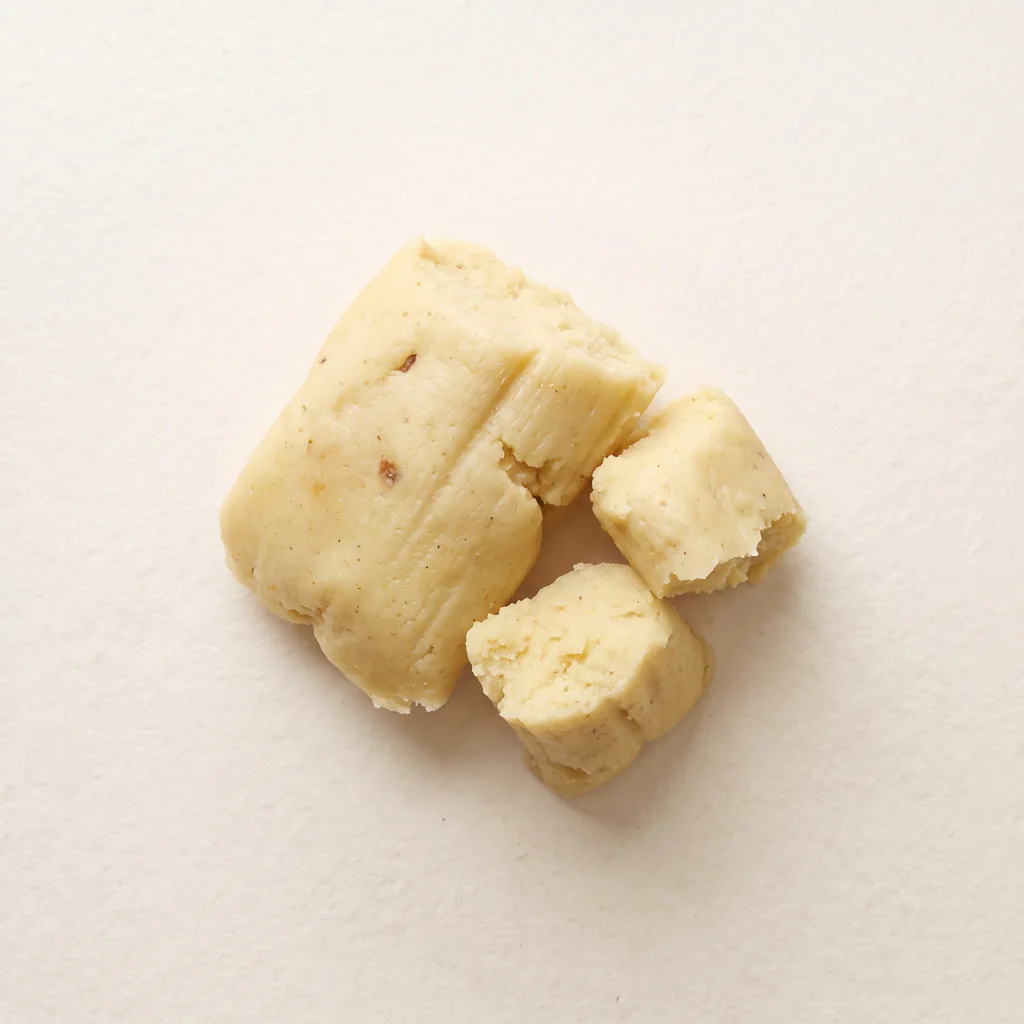
Tamales prepared for 9 months

Cut: Bite sized piece

Open the wrapper and take out any risky bits. Break the filling into pieces your baby can pick up with a pincer grasp. If the tamal is soft enough to scoop, put the filling on a spoon you have loaded earlier, and add safe fillings next to it.

12 monthsCube

Tamales prepared for 12 months

Cut: Bite sized piece

Give soft tamal in bite-sized pieces with a spoon or fork. Larger unwrapped pieces give practice in biting. First remove risky pieces according to your child's eating skills. Take out undercooked vegetables, meat chunks, whole olives, large seeds, nuts and dried fruit.

Choking risk

  1. Low
  2. Medium
  3. High

Tamales can carry a choking risk. Fillings that are firm or chewy add to the danger: chopped nuts, cubes of meat, chunks of cheese or vegetables, dried fruit, olives, big seeds, and bits of bone. Tamales that are fried, or otherwise firm, turn hard and at times crisp. Prepare them to suit your child's age. Stay within arm's reach during meals and set up a safe eating space.

Fried tamales

Fried tamales are not served before 24 months.

Frequently asked questions

What age can babies eat tamales?

A soft tamal with age-suitable filling can be adapted and shared once your baby seems ready for solids, usually at 6 months. Wait until 24 months for fried tamales. To reduce the chance of foodborne illness, pick tamales that use pasteurized cheese.

Is tamales a common allergen?

Tamales often carry cheese and other ingredients made from milk. They may also hold egg, fish, shellfish, peanut, tree nuts, sesame and wheat.

How do you prepare tamales for babies?

For a 6-month-old: Take the wrapper off a soft tamal and halve it lengthwise. Pick out corn kernels, bits of meat and cheese, firm vegetables, whole olives, large seeds, nuts and raisins. Your baby holds the half and eats. If the tamal is very soft, let them scoop by hand or spoon. Do not serve fried tamales.
Is tamales a choking hazard for babies?

Tamales can carry a choking risk. Fillings that are firm or chewy add to the danger: chopped nuts, cubes of meat, chunks of cheese or vegetables, dried fruit, olives, big seeds, and bits of bone. Tamales that are fried, or otherwise firm, turn hard and at times crisp. Prepare them to suit your child's age. Stay within arm's reach during meals and set up a safe eating space.

Can I use store-bought or restaurant tamales?

Yes, if risky pieces are removed or changed. Check the filling piece by piece and prepare it for your child's age.

Are lard-based tamales suitable for babies?

Yes. Babies need a lot of fat for growth. Pork products are not suitable for some families on religious or cultural grounds, so check the contents first.

Why choose pasteurized cheese?

Unpasteurized cheese sharply raises the risk of foodborne illness, and babies are more vulnerable to it.

Prepared by the Lokmini team | Last updated November 17, 2026

Share:WhatsApp

Want to add this food to your baby's solid food calendar?

Join Lokmini to learn how this food is served at each age and to keep track of every food your baby tries.

Join Lokmini

Starting Solids

When and how to start solids, and what happens in the first week?

Read the guide

Similar foods

Let's get ready for the first bite together

Lokmini builds a day-by-day plan for your baby's age. Leave your email for new guides and our newsletter.

Start Your Journey