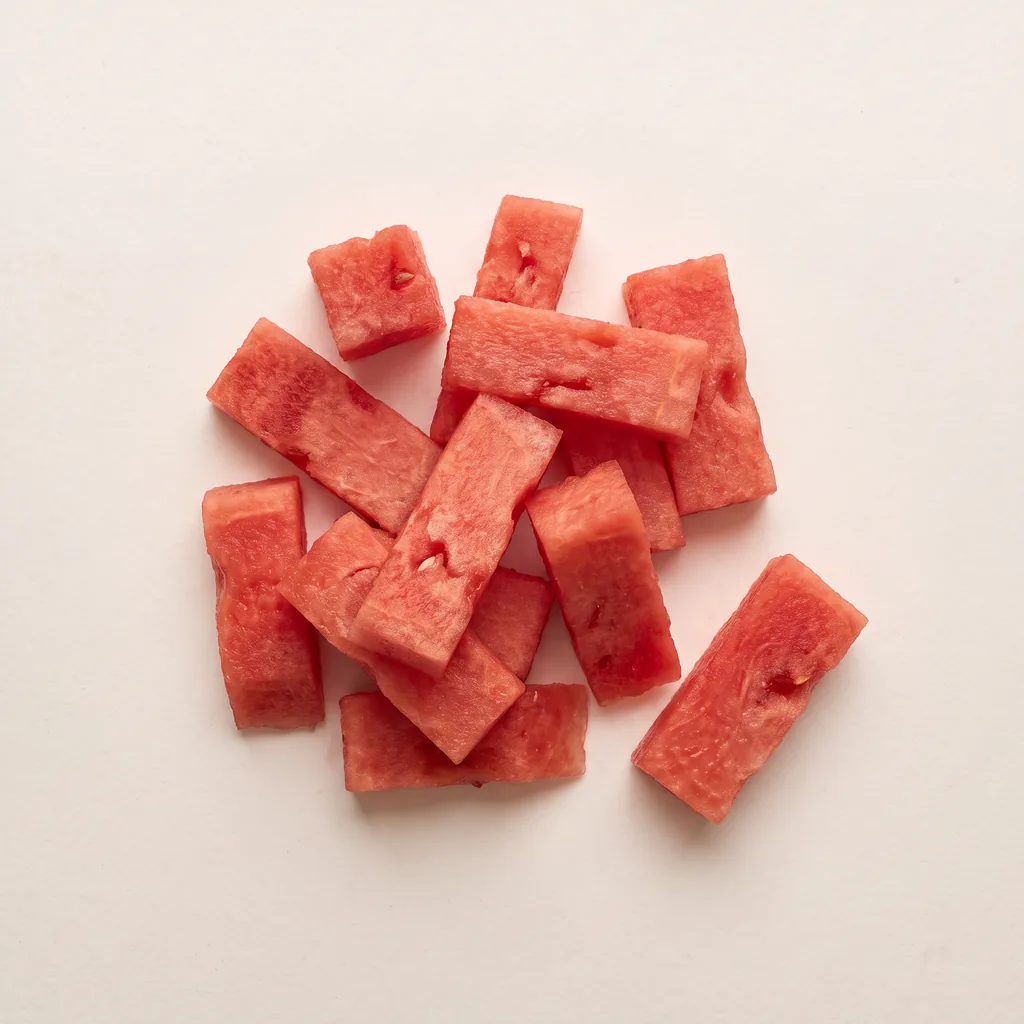
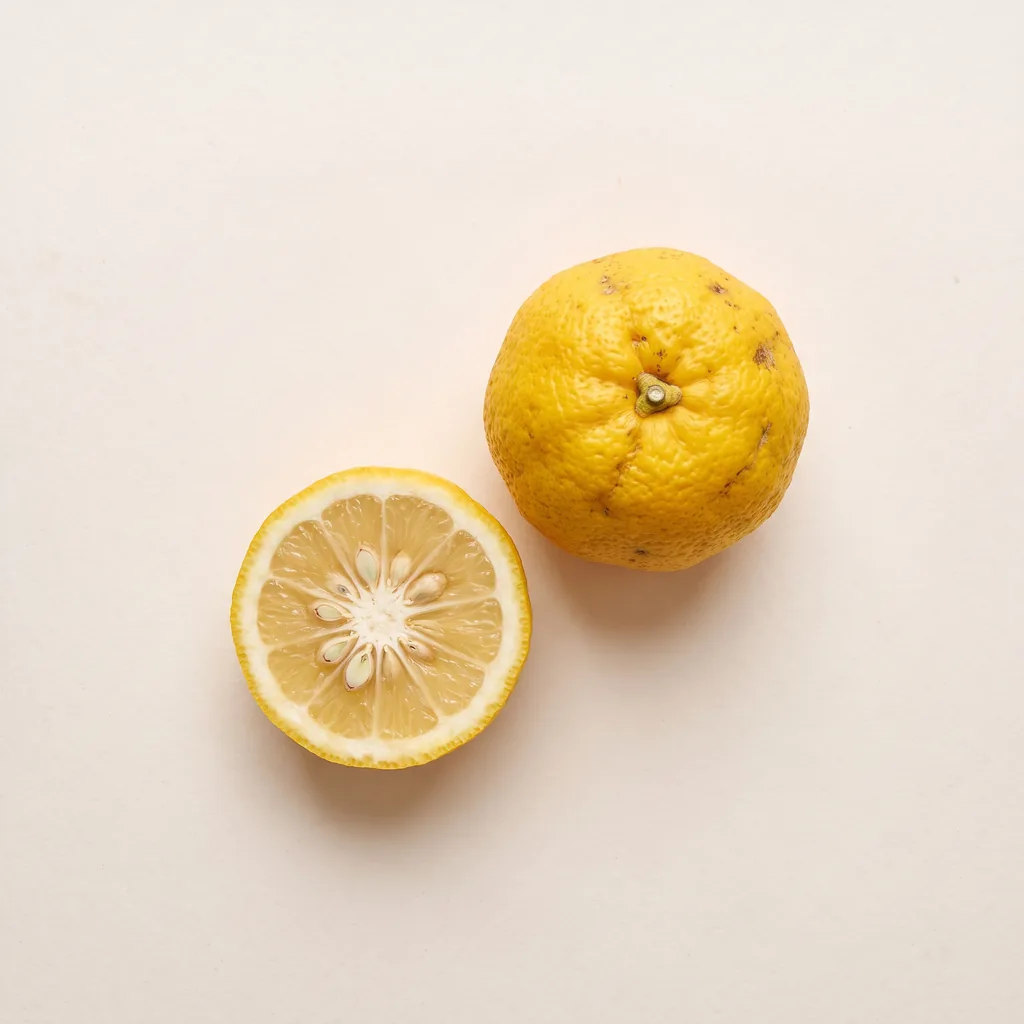
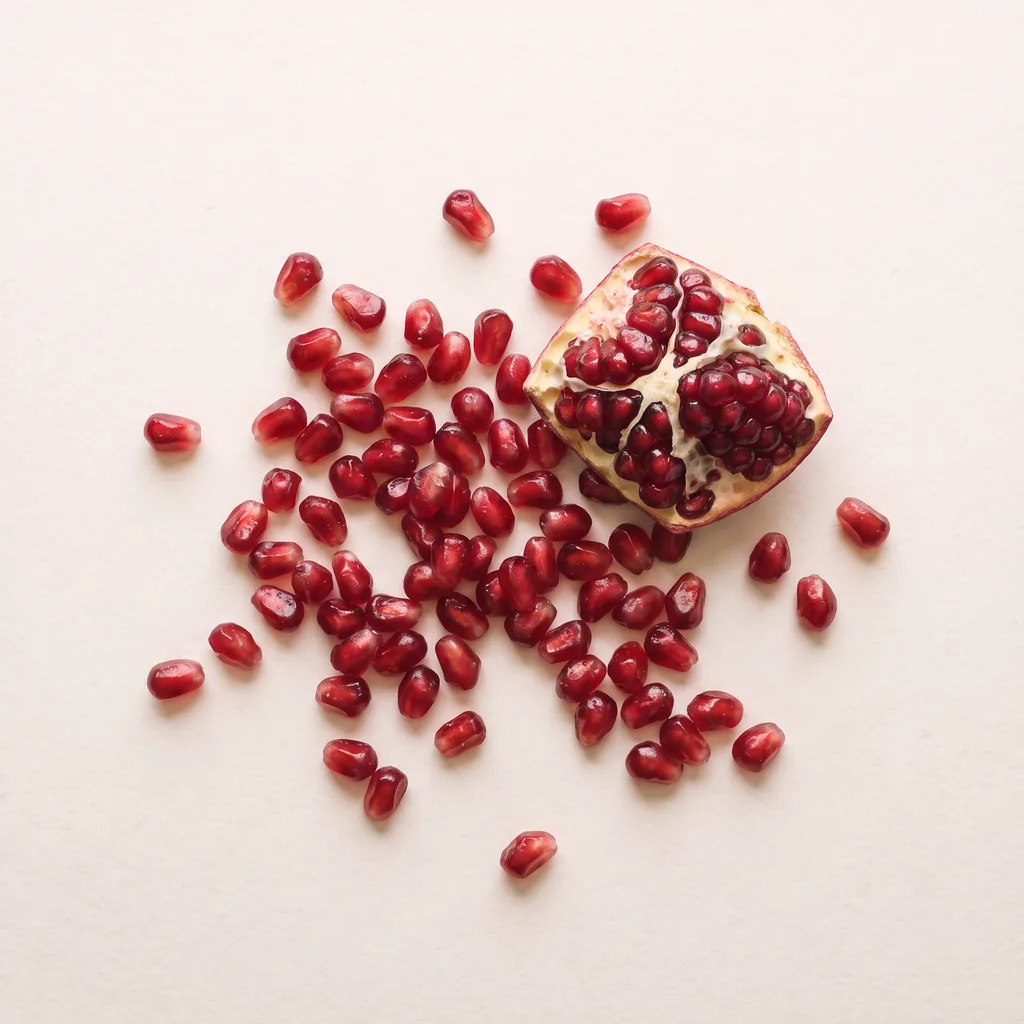
6 monthsMash
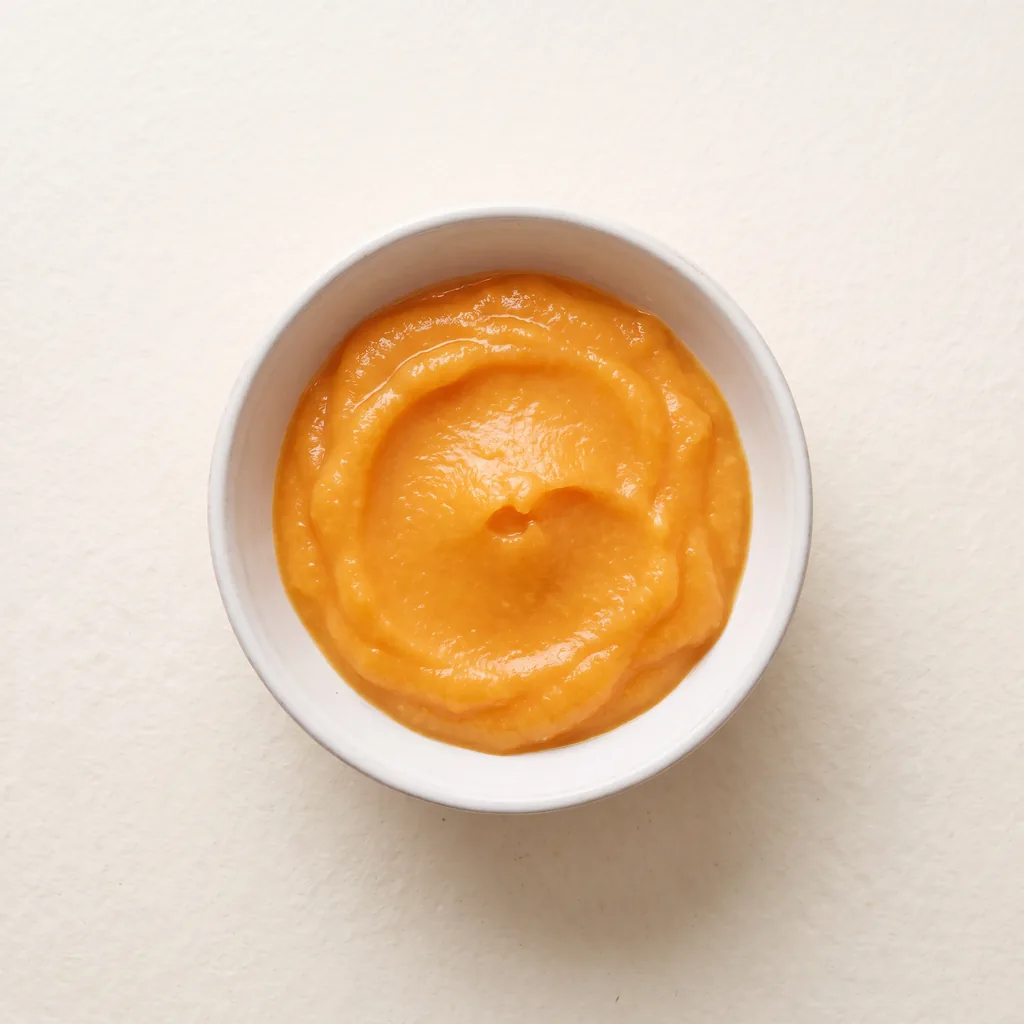
Cut: Fork mashed
Peel the membrane off the segments, mash the fruit with a fork and stir it into yogurt, porridge or soft vegetable purée. Pick out the seeds. Whole segments are not served at this age.
Dietitian's view
Give tangerine with the membrane removed.
Lokmini is not a healthcare provider and does not offer health services. For your baby's specific needs, talk to your doctor or a dietitian.
You can offer mandarin once baby is ready for solids, usually around 6 months.
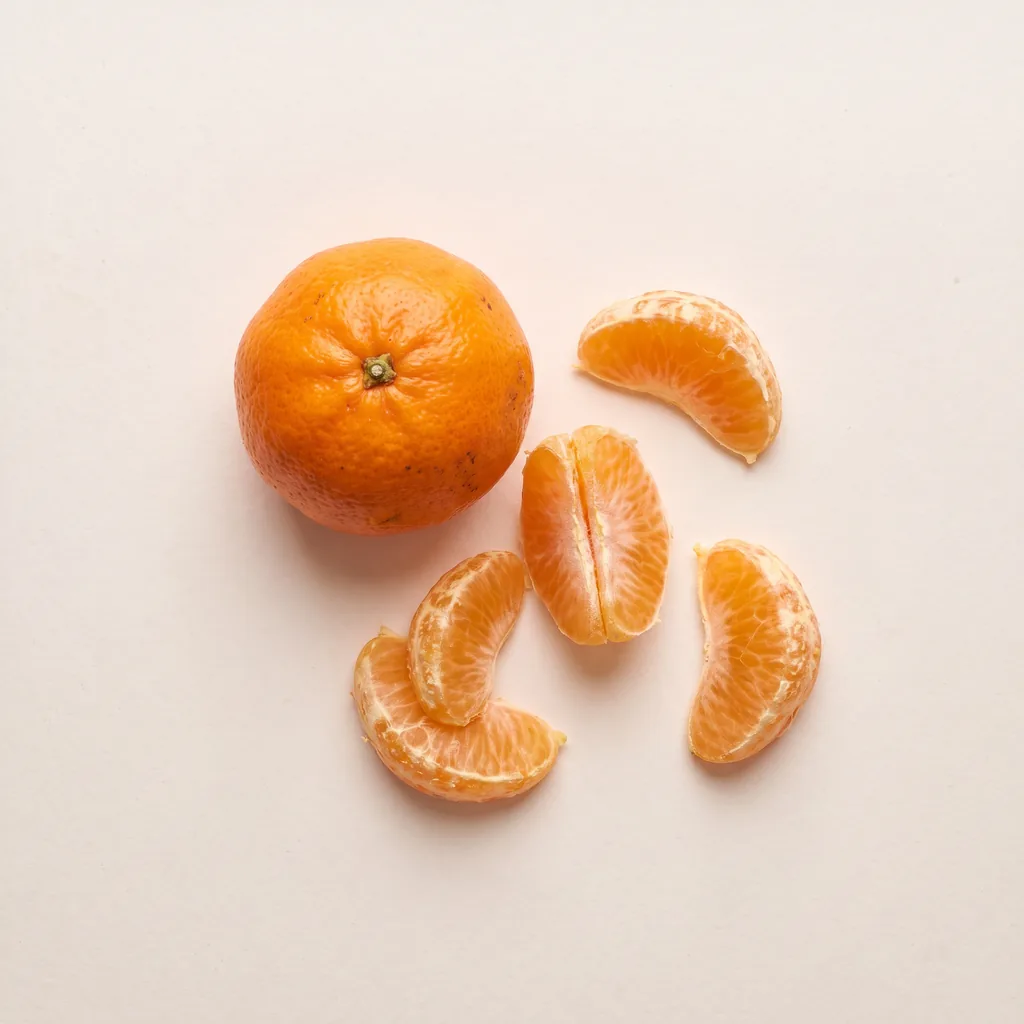
Mandarin is a small, juicy, sweet citrus. It is less acidic than a typical navel orange. The skin is very thin and peels easily. The color ranges from red to orange, yellow and green. It comes from China. With citron and pomelo, it is counted among the wild ancestors of all cultivated citrus.
It holds carbohydrate, fiber and fluid. It supplies vitamins A, B6 and C, potassium, folate and antioxidants such as flavonoids.
Also known as: klementin, mandalina, mandarin, tangerine
6 monthsMash
Cut: Fork mashed
Peel the membrane off the segments, mash the fruit with a fork and stir it into yogurt, porridge or soft vegetable purée. Pick out the seeds. Whole segments are not served at this age.
9 monthsCube
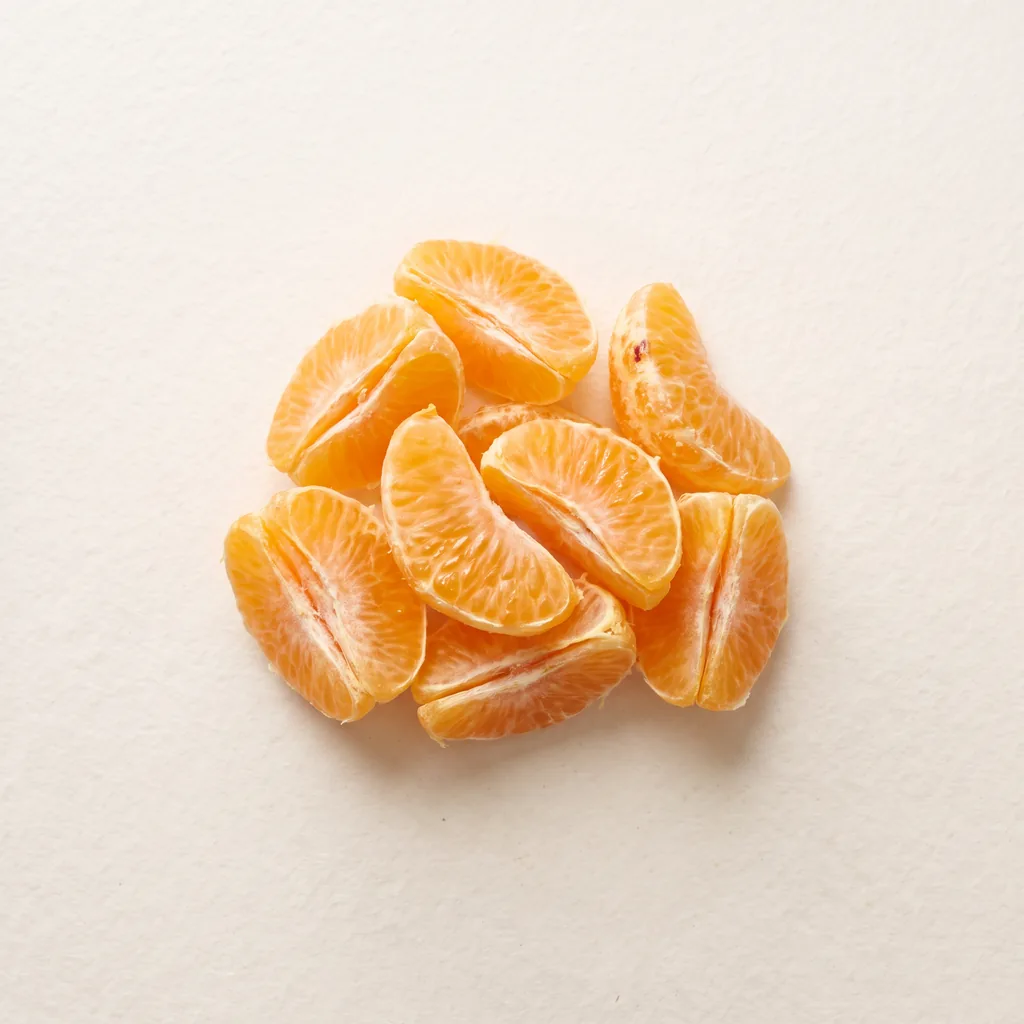
Peel the membrane off the segments and split them lengthwise into halves or quarters. Choose a seedless kind, or pick out any seeds one by one. Whole segments are not served because they are round and slippery.
12 monthsCube or slice
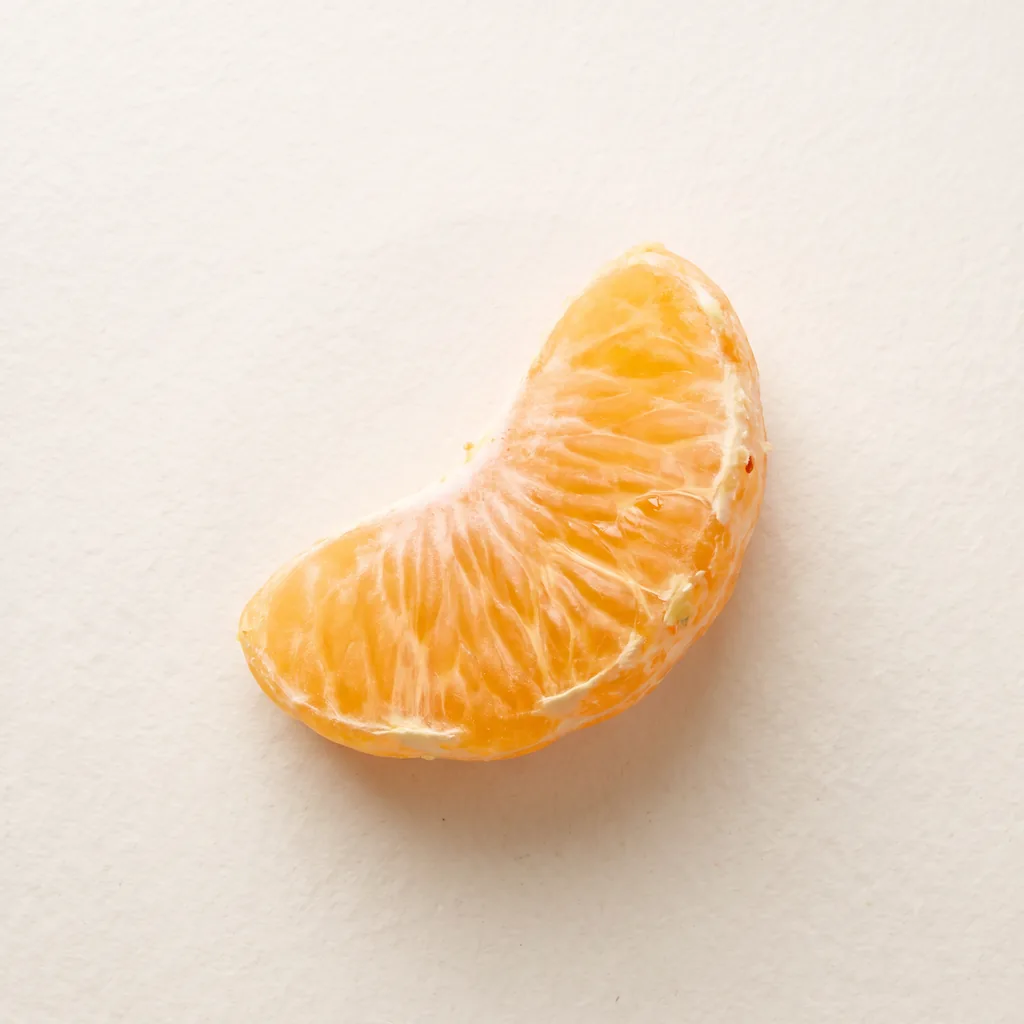
Cut: Halved
Serve the segments cut in half. If the membranes are thin, you can leave them on. Choose whole fruit over juice.
After 18 months, if your child chews and swallows well, move to halved segments with the membrane, then whole segments. Coach the child to bite instead of popping the segment in. Large pieces of orange still on the peel let a child practice biting and tearing. Around age 2, a child can learn to peel a mandarin, which builds fine motor skills.
Citrus segments left in their membrane have small, pointed ends. The texture is mixed and slippery. These traits raise choking risk.
Prepare mandarin to fit baby's age. Stay beside baby, within arm's reach, for the whole meal.
Mandarin is not a common allergen. Still, sensitivity to citrus is often reported worldwide. People with pollen food allergy syndrome, especially those sensitive to grass and some tree pollens, may react. The sign is usually short itching in the mouth. A dangerous reaction is not expected.
Sometimes an allergy to orange proteins can cause a serious reaction. There is evidence that the main allergens behind serious reactions sit in the seed. Rarely, chewing a seed may set off a reaction. So pick out the seeds.
The acid in citrus can cause a harmless, short-lived red patch around the mouth.
Start with a small amount for the first servings. If there is no reaction, raise the amount slowly.
Prepared by the Lokmini team | Last updated November 17, 2026
Join Lokmini to learn how this food is served at each age and to keep track of every food your baby tries.
Lokmini builds a day-by-day plan for your baby's age. Leave your email for new guides and our newsletter.
Start Your Journey