Skip to content

Dietitian's view

Tofu is a good option. Just pay attention to soy allergy.

Lokmini is not a healthcare provider and does not offer health services. For your baby's specific needs, talk to your doctor or a dietitian.

  • Soy allergen
  • Proteins
  • 6 mo+
  • Low choking risk

Tofu for babies: when to start

Tofu can be offered once your baby seems ready for solids, usually at 6 months. It contains soy, and some brands also hold other allergens such as sesame or wheat.

  • Protein
  • Iron
  • Zinc
  • Plant omega-3
  • Calcium
Tofu prepared for a babyAllergen, day 1/3

About tofu

Tofu is a soy food native to Asia. The method resembles cheesemaking. It uses soy milk from cooked soybeans instead of cow's milk.

Nutrition

It is rich in protein, plant omega-3 fats, iron and zinc. Some types are also high in calcium. For calcium, pick brands that list calcium sulfate in the ingredients. To boost iron absorption, serve it with vitamin C foods such as bell pepper, broccoli or citrus.

Also known as: soya lor peyniri, soya peyniri, tofu

  • Gluten-free
  • Vegan

Tofu is offered 3 days in a row

So that any reaction can be linked to the right food, tofu is offered 3 days in a row and no other new food is tried on those days.

  1. 1/3

    First taste

    Start with a small amount in the morning or around midday. Your baby is watched closely for 5 to 10 minutes after the first bite.

  2. 2/3

    Same food, same calm

    Tofu is offered again the same way. No other new food is tried today.

  3. 3/3

    Introduction done

    If no reaction was seen, tofu is now part of your baby's meals. It keeps being offered regularly.

Emergency

If your baby has trouble breathing or swelling of the face or tongue, call 911 (or your local emergency number) right away.

About tofu allergy

FPIES warning

It is one of the known triggers of FPIES (a delayed-onset food allergy). In this condition, repeated severe vomiting, pallor and lethargy may occur, usually 1-4 hours after the food is eaten. Diarrhea may appear later. These symptoms require urgent medical evaluation.

Tofu is made from soybeans. Soy is a common food allergen in infants. Fewer than 1 percent of children are allergic to soy, and reactions are usually mild, though severe ones have been reported. About 70 percent of children outgrow it by age 10. For these reasons the World Health Organization does not list soy as a Global Priority Allergen.

With a soy allergy, avoid soybeans and everything made from them, including edamame, tofu, tempeh, natto, miso, tamari, and soy sauce. Read labels.

Allergen label

This food contains soy. Some ready-made brands may also contain sesame and wheat.

Soy lecithin and heavily refined soy oil have almost no allergenic protein, which is why most people with soy allergy can tolerate them. Still, ask your provider before serving them.

Between 10 and 14 percent of people with cow's milk allergy also react to soy. This is more likely under 6 months. For babies with known milk allergy, many pediatricians suggest skipping cow's milk as well as soy until 6 months.

Soy is a known cause of FPIES, food protein-induced enterocolitis syndrome. Repeated vomiting and diarrhea start hours after eating. When soy is eaten regularly, the chronic form can look like reflux, weight loss and poor growth. FPIES that starts early usually clears by age 3 to 5.

People with birch pollen allergy may get brief itching, tingling or burning in the mouth. Serious reactions have been reported in these people, mostly when peanut allergy is also present.

FPIES

If repeated vomiting and diarrhea start hours after eating, see a doctor right away.

Soy products are often made with egg, fish, peanut and sesame. Introduce these allergens one at a time and rule out allergy before serving them together. To begin, pick a tofu and a recipe free of any other allergen. Give a small amount for the first servings and raise it slowly if there is no reaction. Once introduced, keep it in the diet twice a week if possible.

Soy and peanut can show sensitization together on tests, but this does not always mean true allergy. A child who eats peanut without trouble does not need to stop. A baby with peanut allergy who tolerates soy does not need to drop soy either.

How to prepare it by age

6 monthsStrip

Tofu prepared for 6 months

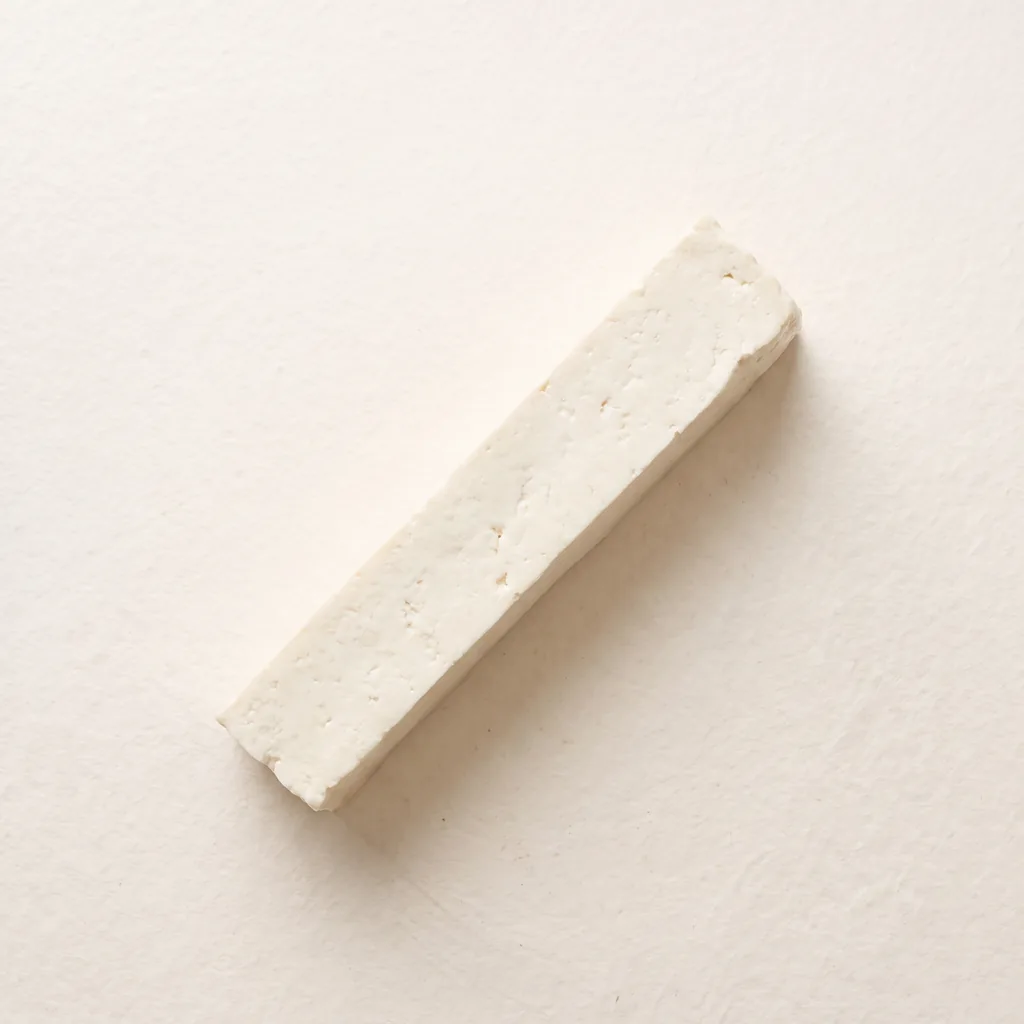
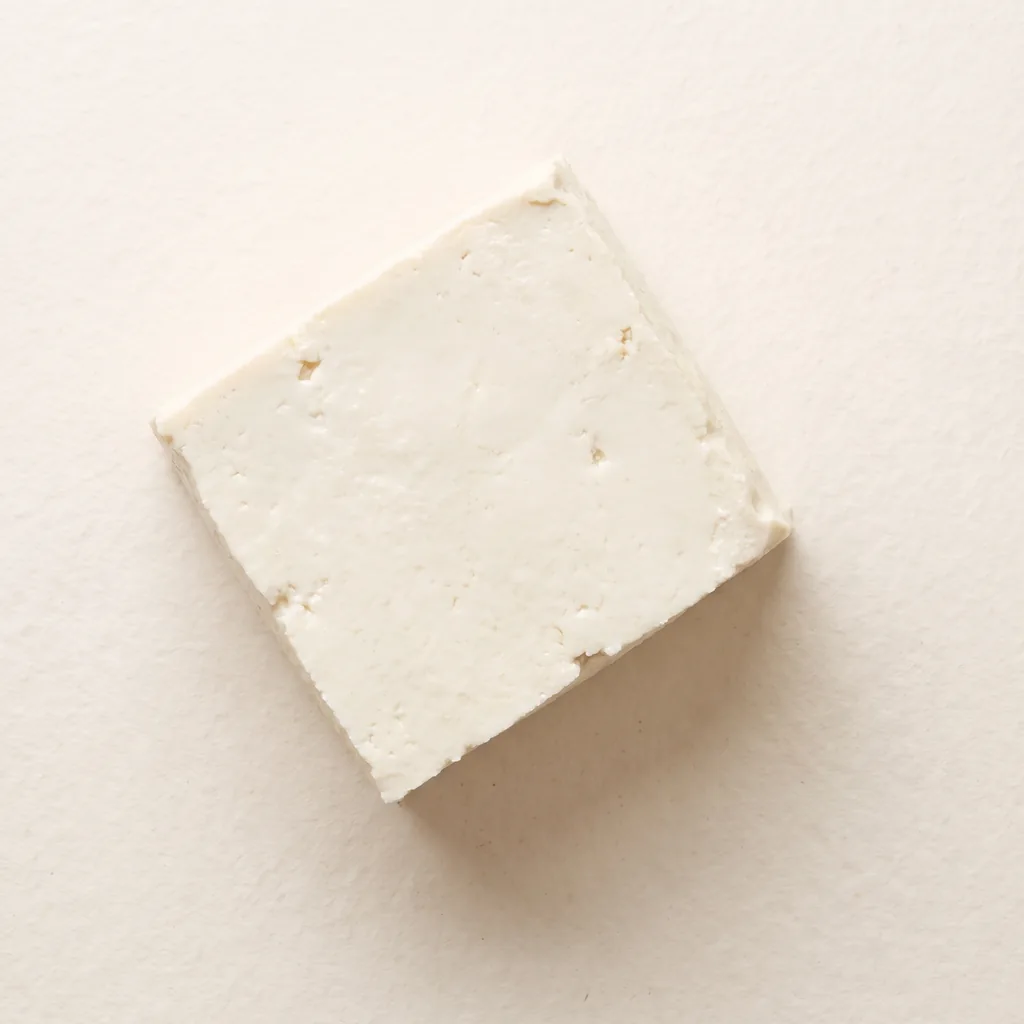
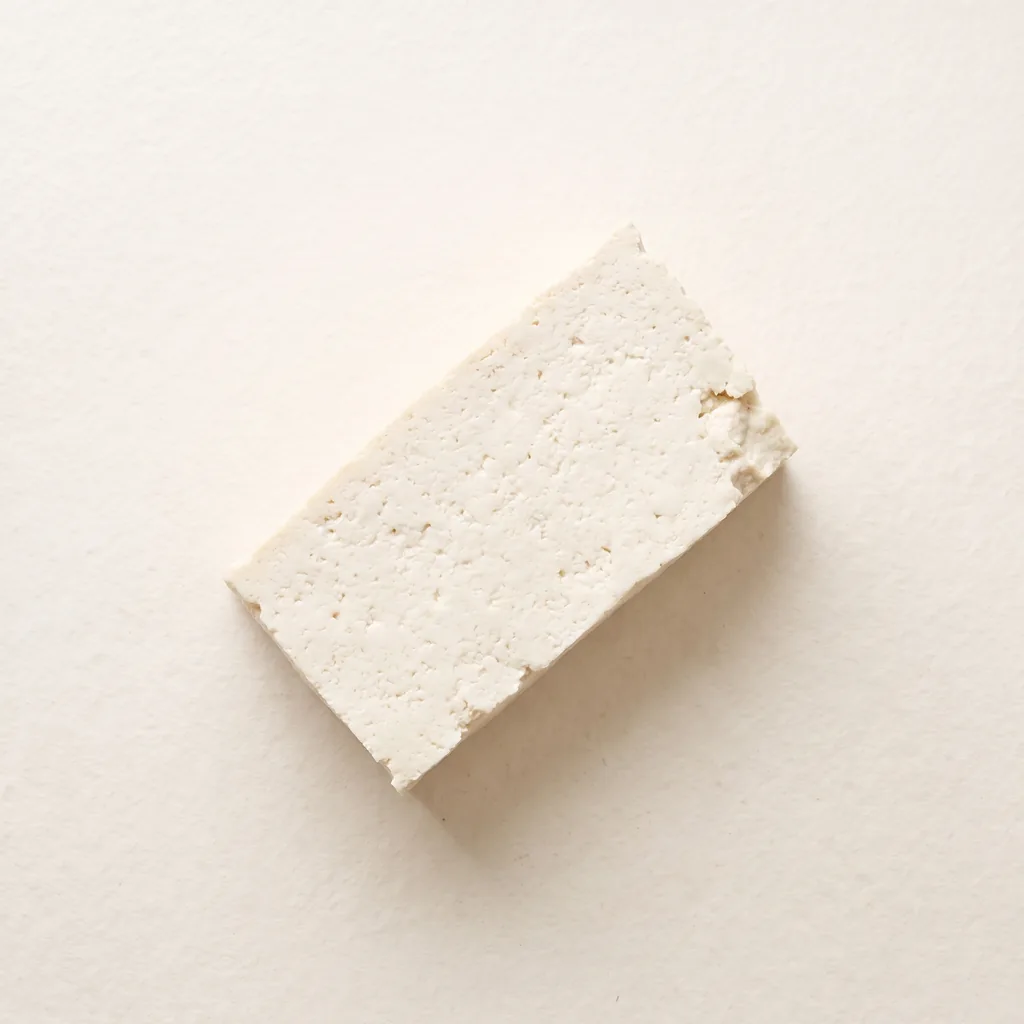
Cut: Finger strip

Cut firm or extra-firm tofu into long, thick strips and let your baby suck and chew on them. Silken tofu is smooth, so serve it alone on a spoon or stir it into soft dishes. Should a piece snap off, stay calm and give your baby time to chew it, or to push it out with the tongue. Stinky and brined or marinated fermented tofu types are not served at this age.
9 monthsCube

Tofu prepared for 9 months

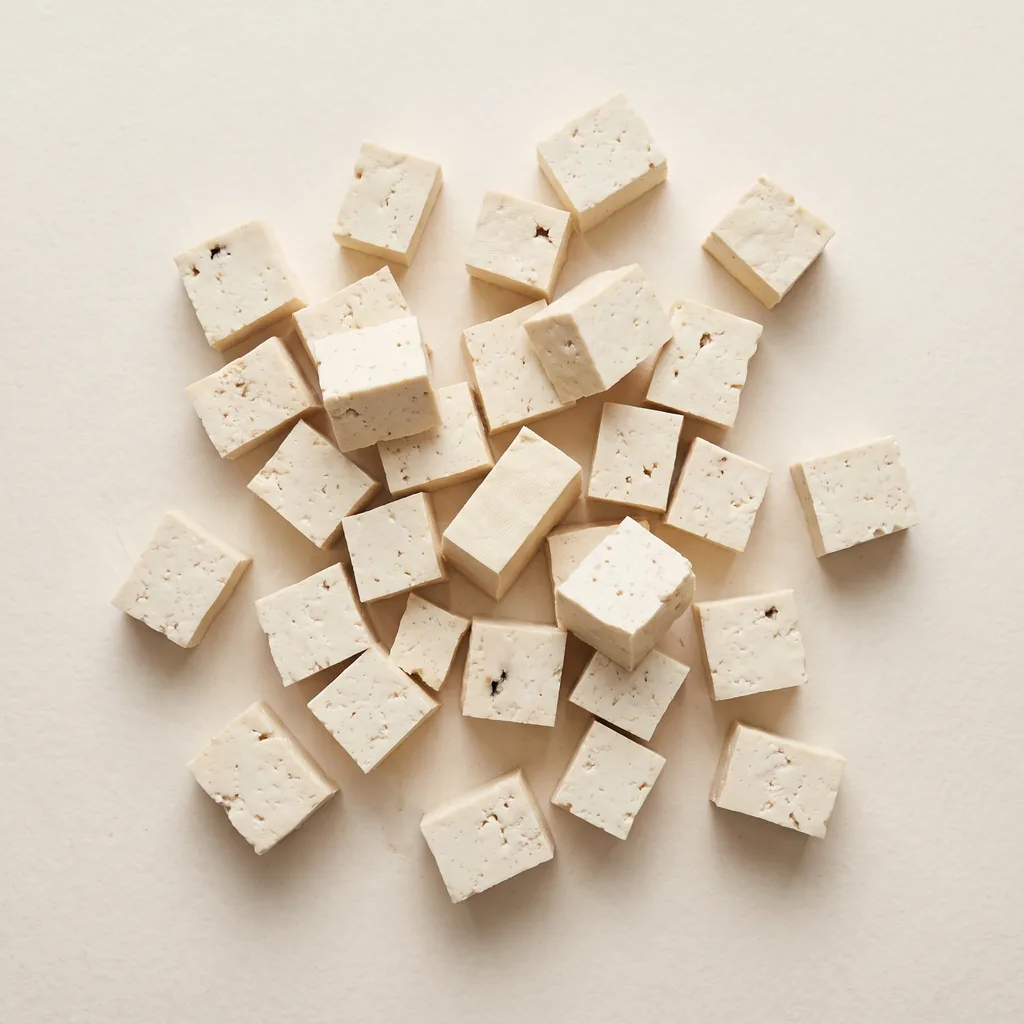
Cut: Bite sized piece

Once the pincer grasp develops, hand over firm tofu cut into small cubes, and strips for biting practice are still welcome. Silken tofu is a good choice for spoon practice now. Fill a spoon and let your baby reach for it.

12 monthsCube

Tofu prepared for 12 months

Cut: Bite sized piece

Give firm tofu in bite-sized cubes with a fork beside it. A spoon filled with silken tofu can lie beside the plate for your child to try. To boost iron absorption, serve tofu with vitamin C sources such as bell pepper, broccoli or citrus.

Choking risk

  1. Low
  2. Medium
  3. High

Tofu is considered low risk when prepared for your baby's age and skills. Any food can still cause choking. Prepare it for your baby's age and stay close during meals. If a piece breaks off in the mouth, stay calm and let your baby chew it or push it forward and spit it out.

Frequently asked questions

What age can babies eat tofu?

Tofu can be offered once your baby seems ready for solids, usually at 6 months. It contains soy, and some brands also hold other allergens such as sesame or wheat.

Is tofu a common allergen?

Tofu is made from soybeans. Soy is a common food allergen in infants. Fewer than 1 percent of children are allergic to soy, and reactions are usually mild, though severe ones have been reported. About 70 percent of children outgrow it by age 10. For these reasons the World Health Organization does not list soy as a Global Priority Allergen.

How do you prepare tofu for babies?

For a 6-month-old: Cut firm or extra-firm tofu into long, thick strips and let your baby suck and chew on them. Silken tofu is smooth, so serve it alone on a spoon or stir it into soft dishes. Should a piece snap off, stay calm and give your baby time to chew it, or to push it out with the tongue. Stinky and brined or marinated fermented tofu types are not served at this age.
Is tofu a choking hazard for babies?

Tofu is considered low risk when prepared for your baby's age and skills. Any food can still cause choking. Prepare it for your baby's age and stay close during meals. If a piece breaks off in the mouth, stay calm and let your baby chew it or push it forward and spit it out.

Can tofu be eaten raw?

Yes. Store-bought tofu is usually pasteurized and can be eaten straight from the package.

Are phytoestrogens a concern for babies?

There is no evidence that phytoestrogen intake needs limiting in babies and toddlers. A balanced diet of varied whole foods matters most.

Which tofu is best for babies?

All are nourishing. Firm and extra-firm give more protein, iron and zinc than silken. Silken works well stirred into soft foods.

Prepared by the Lokmini team | Last updated November 17, 2026

Share:WhatsApp

Want to add this food to your baby's solid food calendar?

Join Lokmini to learn how this food is served at each age and to keep track of every food your baby tries.

Join Lokmini

Starting Solids

When and how to start solids, and what happens in the first week?

Read the guide

Similar foods

Let's get ready for the first bite together

Lokmini builds a day-by-day plan for your baby's age. Leave your email for new guides and our newsletter.

Start Your Journey