Skip to content
  • Vegetables
  • 6 mo+
  • Medium choking risk

Turnip for babies: when to start

Turnip (Brassica rapa subsp. rapa) can be offered when your baby is about 6 months old and ready for solids. Especially at the start, serve it well cooked and soft.

  • Fiber
  • Vitamin B6
  • Omega-3 fatty acids
  • Glucosinolates
  • Vitamin A
  • Folate
Turnip prepared for a baby

About turnip

This entry covers turnip as a root vegetable. It is different from the fermented turnip juice drink that is well known in Türkiye.

Turnip is a root vegetable from the cruciferous family (Brassicaceae). It has long been grown in Europe and Asia. Its round or slightly flattened root is usually white, purple or both.

Both the root and the leaves are edible. The root tastes mildly sweet and slightly bitter. It is a close relative of napa cabbage and rapini (broccoli rabe).

Nutrition

Turnip root is high in water, low in energy density and provides fiber. It also contains vitamin C, potassium and small amounts of folate and vitamin B6.

Turnip contains natural plant compounds called glucosinolates, typical of the cruciferous family. Their breakdown products are being studied for various biological effects. However, they have not been shown to give babies specific health benefits.

Purple turnip varieties may contain color pigments such as anthocyanins. The amount and type of pigment vary by variety.

Turnip leaves have a different nutrient makeup from the root. They can be richer in vitamin K, provitamin A carotenoids, folate and calcium. They also contain vitamin C and fiber.

Turnip root is not a significant source of omega-3. The leaves may contain small amounts of alpha-linolenic acid (ALA), but turnip should not be counted on as a main source of omega-3 for your baby.

Shopping tip

When you can, choose firm, solid turnips with fresh leaves. The leaves spoil faster than the root, so use them first. Separate the leaves from the root before storing. Use the leaves soon, kept in the fridge. The roots keep longer in the fridge's vegetable drawer. Do not use turnips with soft, moldy or rotten spots.

Also known as: şalgam, salgam, şalgam kökü, şalgam yaprağı, şalgam yeşilliği

  • Gluten-free
  • Vegan

How to prepare it by age

6 monthsStrip or mash
Turnip prepared for 6 months

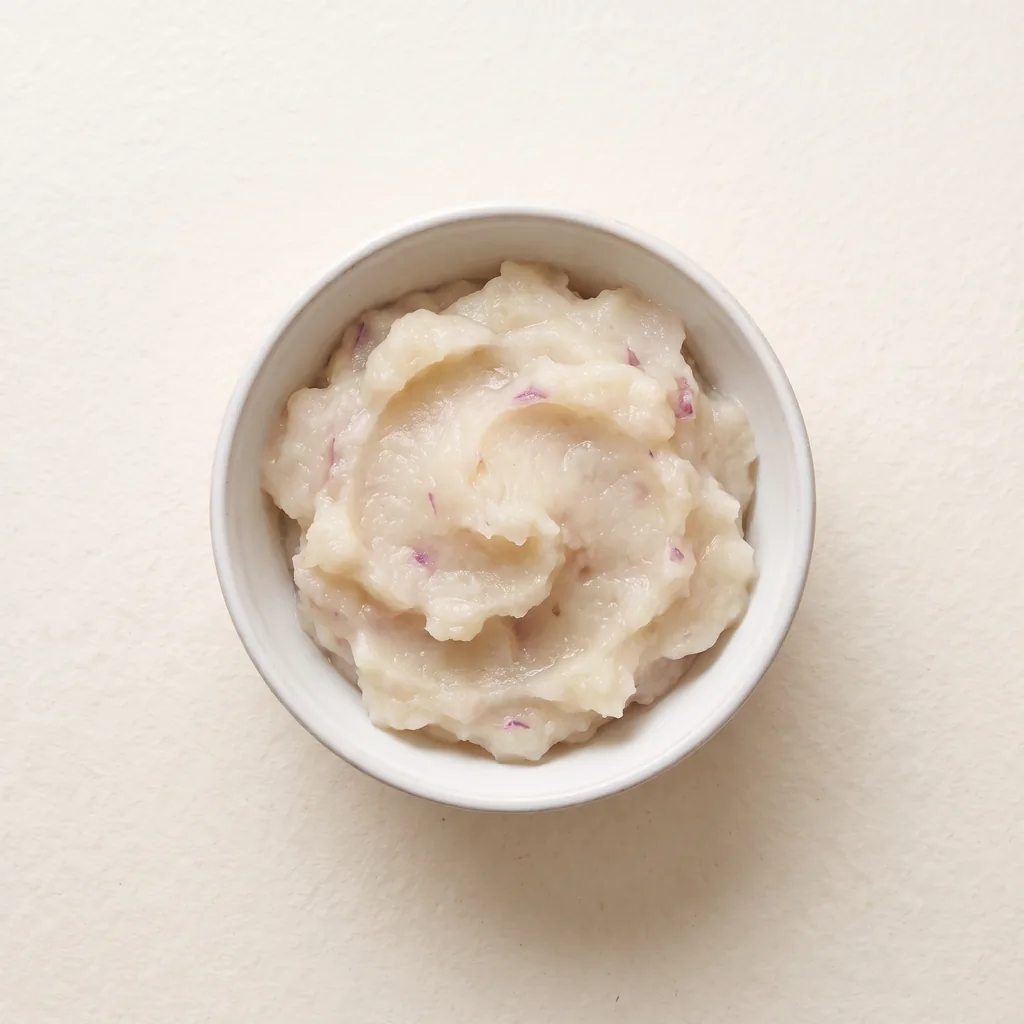
Cut: Thick wedge

Cook the turnip until soft and cut it into large wedges. Your baby can grip them in a fist and gnaw. Keep the wedges thick enough to hold easily.

Cut: Fork mashed

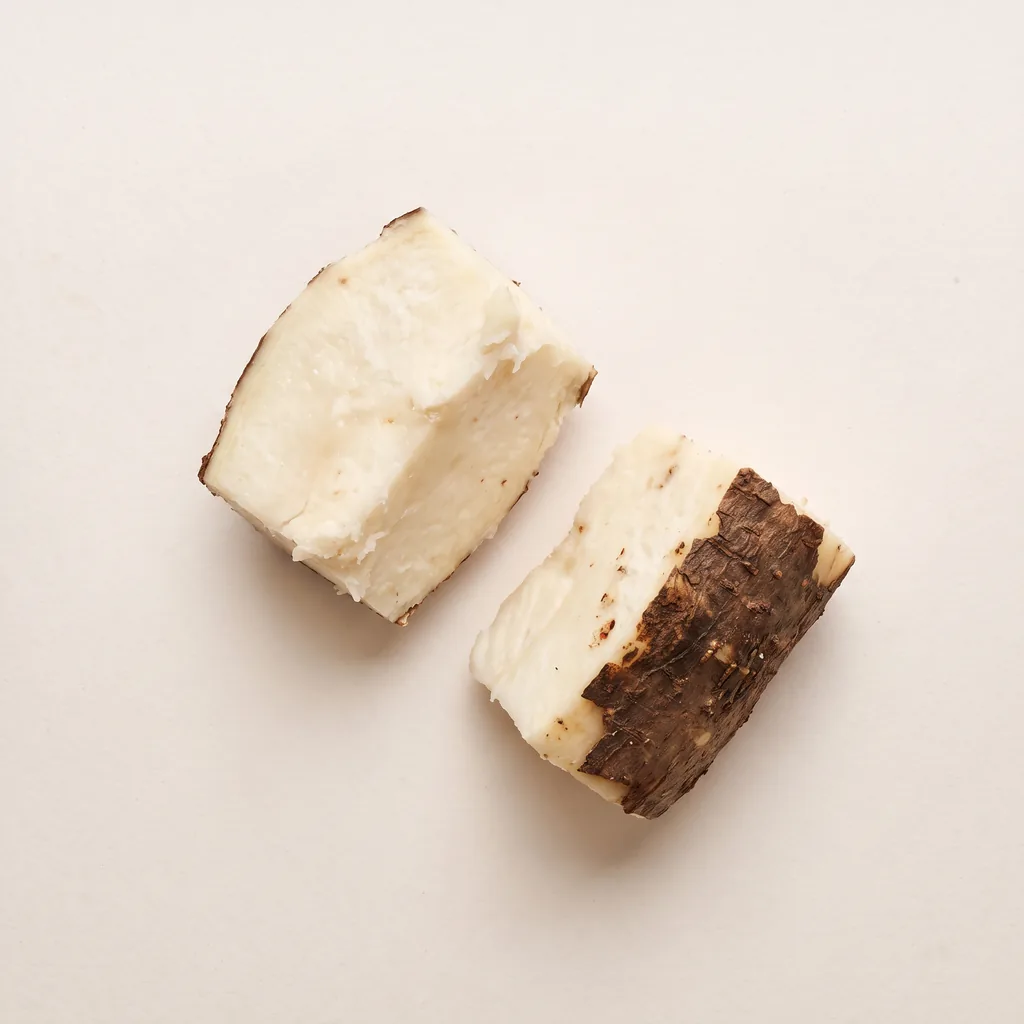
Mash cooked turnip so your baby can scoop it by hand or with a spoon. The mash glues together iron-rich foods that are hard to pick up alone, such as quinoa, lentils and seeds, which cuts the mess. The leaves are edible too. Chop cooked leaves very finely and stir them into the mash or yogurt.
9 monthsCube

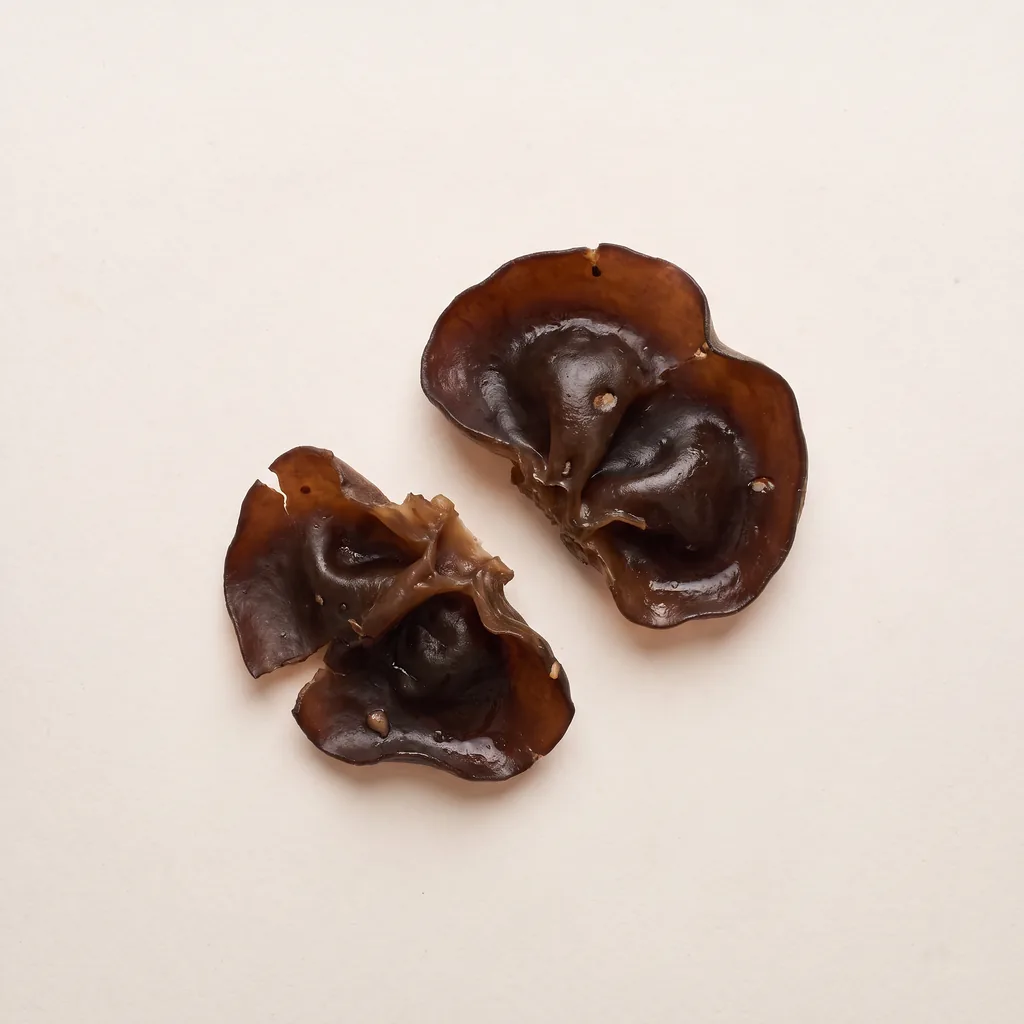
Cut: Bite sized piece

Cut soft, cooked turnip into bite-sized pieces. You can keep offering large wedges too. Bigger pieces give your baby practice at judging how much to bite off.

12 monthsCube

Cut: Bite sized piece

Keep serving cooked turnip in bite-sized pieces, on its own or in dishes. You can work mashed root into pancake batter, fritters, dumplings, meatballs, or bean patties. When your child is able to bite off and tear food with teeth or gums, raw turnip is possible if it is grated or sliced paper-thin.

Choking risk

  1. Low
  2. Medium
  3. High

Raw or undercooked turnip is firm, so it can be a choking risk for babies. Large, hard pieces are especially tough to chew and break apart.

Cook the turnip root until it is soft enough to squash easily between your fingers. Serve it mashed or in completely soft pieces that suit your baby's developmental skills.

Cook the turnip leaves well, remove the tough stems and chop them finely so no long, stringy pieces remain.

Make sure your baby sits upright during meals, and always stay close by to supervise.

Raw turnip

Offer raw turnip only after 12 months, when your child can bite off and tear food with teeth or gums, and grate it or slice it paper-thin.

Allergen information

Turnip is not a common food allergen. Allergic reactions to turnip have rarely been reported.

Turnip belongs to the cruciferous family (Brassicaceae), along with vegetables such as broccoli, cabbage and mustard. Some allergen proteins may be similar across these plants, but an allergy to one does not mean an allergy to the others. Clinical data on cross-allergy specific to turnip are limited.

People with a latex allergy can have cross-reactions with some plant foods. However, there is not enough evidence that turnip is a clinically important cross-allergen with latex.

When you offer turnip for the first time, start with a small amount and watch for possible signs of allergy.

If you see signs such as hives, repeated vomiting or swollen lips, stop giving turnip and get medical advice. For serious signs such as trouble breathing or swelling of the tongue or throat, call emergency services right away.

First try

As with any new food, start small for the first few servings. If there is no reaction, increase the amount gradually.

Frequently asked questions

What age can babies eat turnip?

Turnip (Brassica rapa subsp. rapa) can be offered when your baby is about 6 months old and ready for solids. Especially at the start, serve it well cooked and soft.

Is turnip a common allergen?

Turnip is not a common food allergen. Allergic reactions to turnip have rarely been reported.

How do you prepare turnip for babies?

For a 6-month-old: Cook the turnip until soft and cut it into large wedges. Your baby can grip them in a fist and gnaw. Keep the wedges thick enough to hold easily.

Is turnip a choking hazard for babies?

Raw or undercooked turnip is firm, so it can be a choking risk for babies. Large, hard pieces are especially tough to chew and break apart.

Can turnips help babies poop?

Its soluble and insoluble fiber can support regularity. It may cause gas, so start small. Ask your pediatrician if you are concerned.

Can babies eat turnip greens?

Yes. Turnip greens can be offered from about 6 months. Wash them well, remove the tough stems and cook until soft. Then chop them finely and add them to purees, vegetable dishes or plain yogurt your baby has already had.

Can turnip be served raw?

Raw turnip is firm, so it is a choking risk, especially when your baby is just starting solids. For babies, serve it cooked until completely soft. Older children with well-developed chewing skills can have it very finely grated or sliced paper-thin. Do not rely on age or number of teeth alone for this.

What can I cook with turnip?

You can steam and mash turnip, roast it so it stays completely soft, or add it to vegetable dishes with meat. You can cook the leaves and use them in soups and vegetable dishes. To balance its slightly bitter taste, you can serve it with cooked apple or carrot.

Prepared by the Lokmini team | Last updated November 19, 2026

Share:WhatsApp

Want to add this food to your baby's solid food calendar?

Join Lokmini to learn how this food is served at each age and to keep track of every food your baby tries.

Join Lokmini

Starting Solids

When and how to start solids, and what happens in the first week?

Read the guide

Similar foods

Let's get ready for the first bite together

Lokmini builds a day-by-day plan for your baby's age. Leave your email for new guides and our newsletter.

Start Your Journey