Skip to content

Dietitian's view

Wheat can be given when cooked properly.

Lokmini is not a healthcare provider and does not offer health services. For your baby's specific needs, talk to your doctor or a dietitian.

  • Wheat and gluten allergen
  • Grains
  • 6 mo+
  • Low choking risk

Wheat for babies: when to start

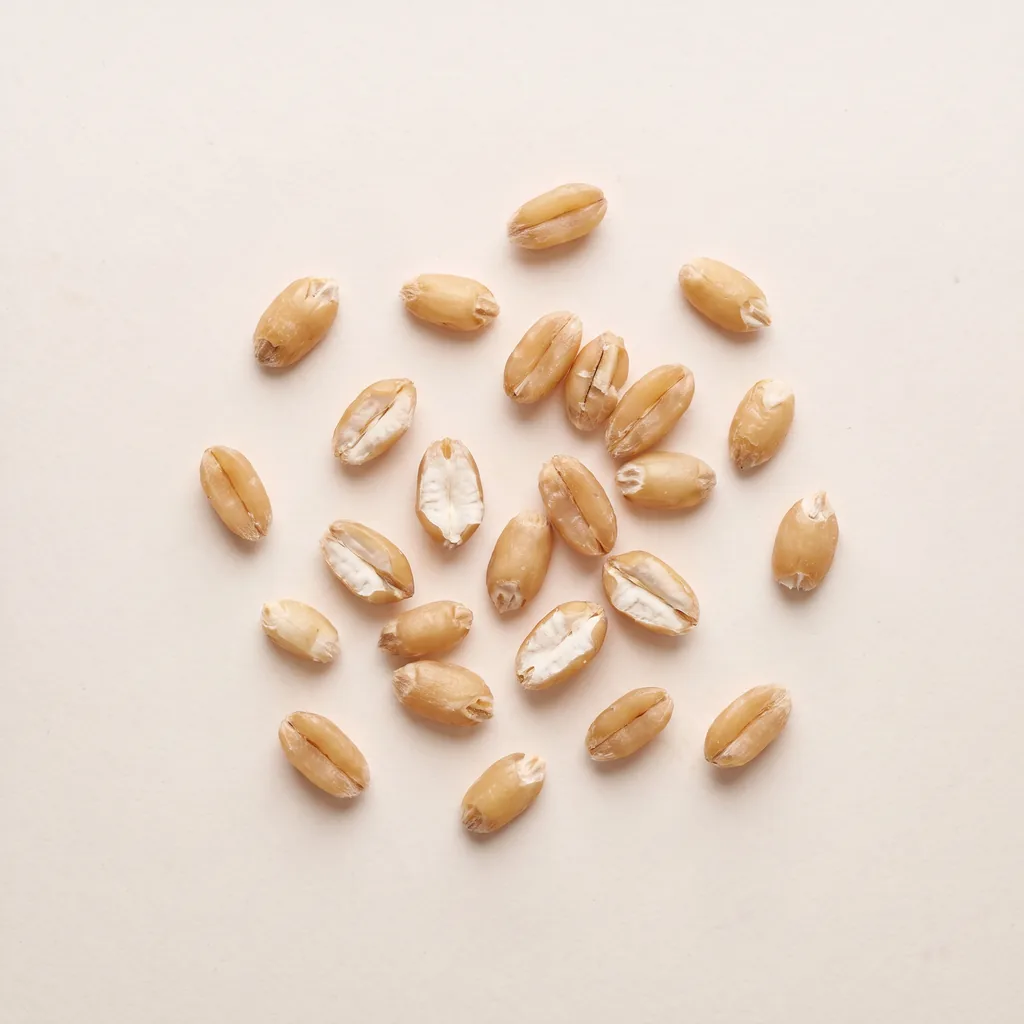
Wheat can start when your baby is ready for solids, at about 6 months. It is second only to corn among the most widely farmed cereals. The family has many members, including einkorn, emmer, farro, freekeh, semolina and spelt. One type rules the market: bread wheat. At harvest the seeds are separated from the stalks and the kernels are turned into hundreds of foods.

  • Carbohydrates
  • Fiber
  • Protein
  • Iron
  • Magnesium
  • Selenium
Wheat prepared for a babyAllergen, day 1/3

About wheat

Wheat gives plenty of carbohydrate with some fiber and protein. Its nutrition depends on the form. A wheat berry holds bran, a starchy middle and a nutrient-packed germ, so it is rich in fiber, protein, iron, magnesium, selenium and B vitamins. Whole wheat flour beats white flour gram for gram in protein, fiber, and iron, and in zinc and the B vitamins. Enriched white flour gives the most nutrition among white flours.

Also known as: buğday tanesi, buğday unu, irmik, buğday lapası, bulgur öncesi buğday

  • Vegan

Wheat is offered 3 days in a row

So that any reaction can be linked to the right food, wheat is offered 3 days in a row and no other new food is tried on those days.

  1. 1/3

    First taste

    Start with a small amount in the morning or around midday. Your baby is watched closely for 5 to 10 minutes after the first bite.

  2. 2/3

    Same food, same calm

    Wheat is offered again the same way. No other new food is tried today.

  3. 3/3

    Introduction done

    If no reaction was seen, wheat is now part of your baby's meals. It keeps being offered regularly.

Emergency

If your baby has trouble breathing or swelling of the face or tongue, call 911 (or your local emergency number) right away.

About wheat allergy

Along with other gluten-containing grains, wheat is a common allergen according to the World Health Organization. It is one of the most frequent food allergies in children, and two thirds outgrow it by age 12. Bread frequently combines several grains with further allergens, like milk, soy, and sesame.

Do not confuse wheat allergy with celiac disease. An allergy can fade, while celiac disease calls for a strict gluten-free diet for life. A so-called gluten allergy usually refers to celiac disease.

In the rare wheat-dependent, exercise-induced anaphylaxis, exercising within a few hours of eating wheat can set off a severe reaction. These people should skip wheat for four hours before hard exercise.

People with pollen food allergy, especially to grass pollen, may react to wheat. They get brief itching, tingling or burning in the mouth, and sometimes belly pain, cramps, bloating or diarrhea. A dangerous reaction is unlikely.

First try

If you suspect a wheat allergy, ask your pediatrician before offering wheat at home. As with any new food, start with a small amount for the first few servings. If there is no reaction, increase it gradually.

How to prepare it by age

6 monthsMash

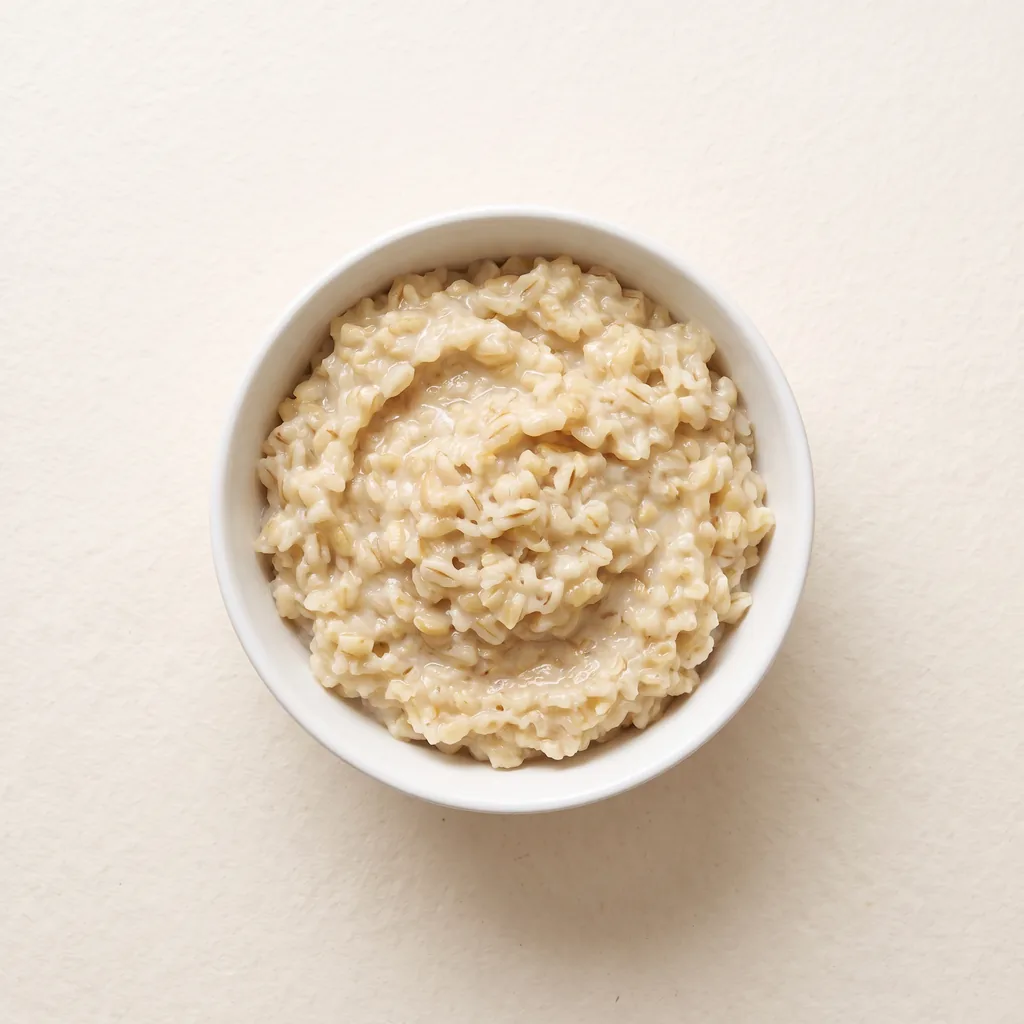
Wheat prepared for 6 months

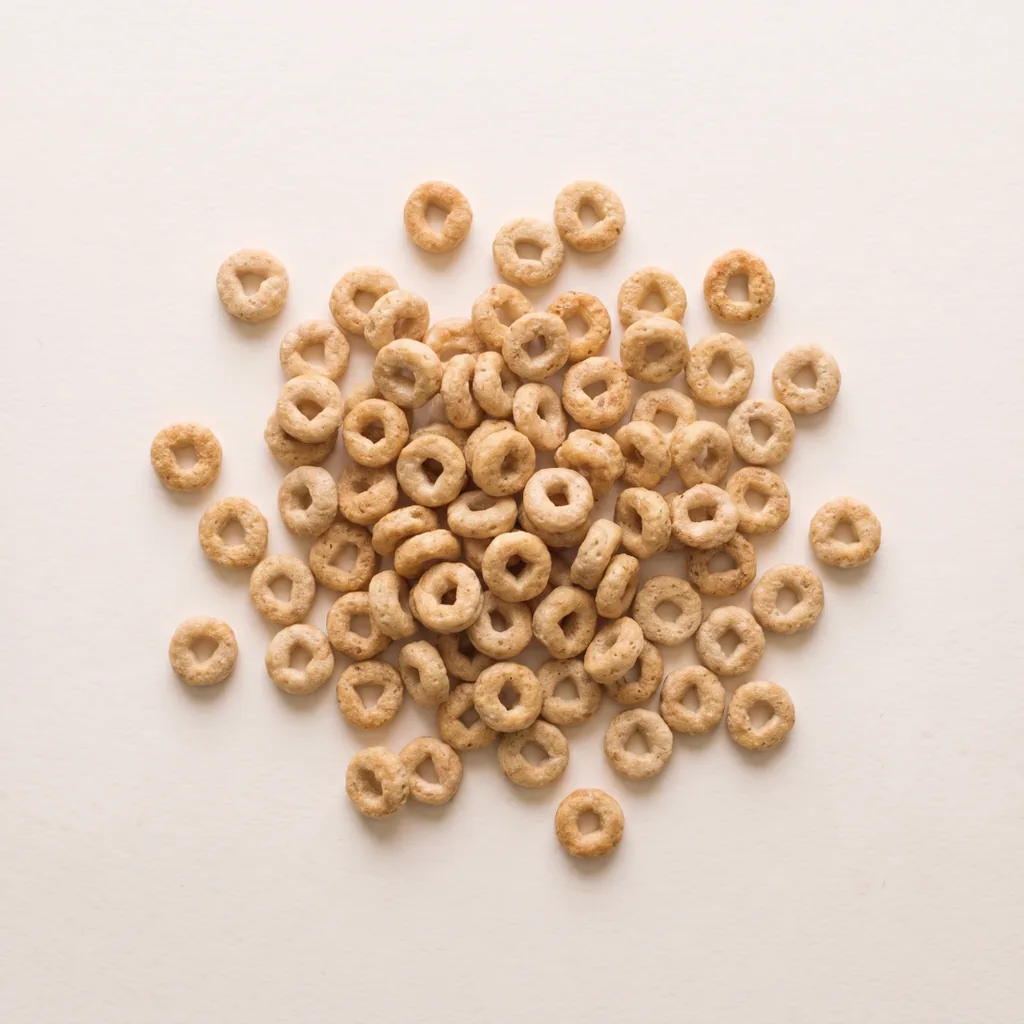
Wheat is easy to introduce as porridge, and new flavors blend in well. Use semolina, baby cereal or cracked wheat, and add spices, mashed fruit or vegetables, or very finely ground nut. Whole wheat berries work too if you simmer them in liquid until fully soft. Wheat flour can become pancakes or bread, and wheat pasta is another option. Wheat is a new allergen, so start with a small amount.
9 monthsCube

Cut: Bite sized piece

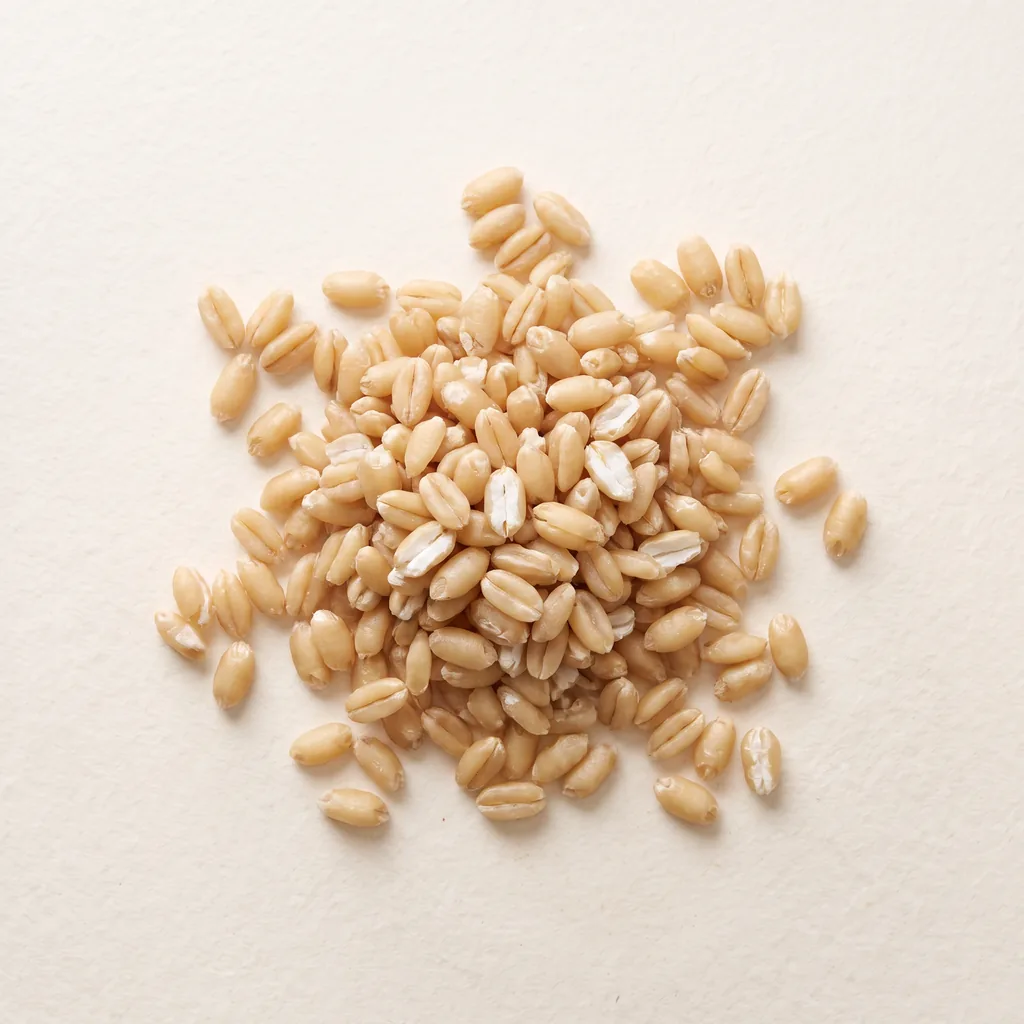
Keep serving porridge and pancakes. Cut meatballs and patties that have cooked wheat mixed in into bite-sized pieces to build the pincer grasp. You can offer cooked wheat berries alone or in a grain salad. Pressing the grains flat with a fork makes them easier to self-feed.

12 monthsCube

Wheat prepared for 12 months

Cooked wheat berries continue to work alone, in grain salads, in porridge, or in stews. Offer milled wheat as a warm cereal and use wheat flour in the family's favorite baking. You can add a toddler-sized fork for practice. Steady, accurate utensil use usually arrives after the second birthday.

Choking risk

  1. Low
  2. Medium
  3. High

Wheat's choking risk depends on how it is prepared and on the texture of the food.

Well-cooked, soft, mashed wheat grains carry a low choking risk when served properly. Hard or undercooked grains can make chewing and swallowing harder for your baby.

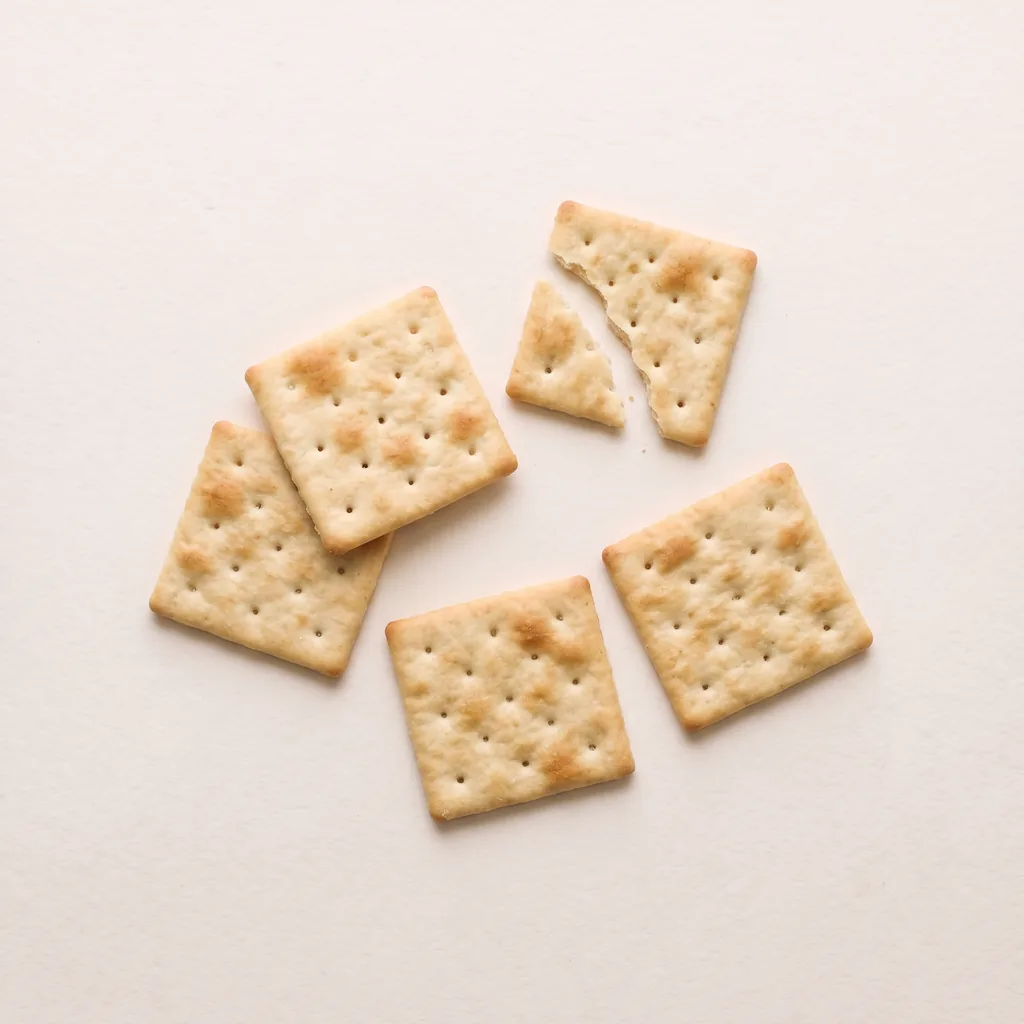
Very soft breads can form a sticky lump in the mouth. Very hard, dry or crunchy wheat products can also be a risk.

At first, mash whole grains and serve them as porridge. Prepare bread, pasta and other wheat products to suit your baby's chewing skills.

During meals your baby should sit upright with support, eat at their own pace and never be left unsupervised.

Frequently asked questions

Is wheat a common allergen?

Along with other gluten-containing grains, wheat is a common allergen according to the World Health Organization. It is one of the most frequent food allergies in children, and two thirds outgrow it by age 12. Bread frequently combines several grains with further allergens, like milk, soy, and sesame.

How do you prepare wheat for babies?

For a 6-month-old: Wheat is easy to introduce as porridge, and new flavors blend in well. Use semolina, baby cereal or cracked wheat, and add spices, mashed fruit or vegetables, or very finely ground nut. Whole wheat berries work too if you simmer them in liquid until fully soft. Wheat flour can become pancakes or bread, and wheat pasta is another option. Wheat is a new allergen, so start with a small amount.
Is wheat a choking hazard for babies?

Wheat's choking risk depends on how it is prepared and on the texture of the food.

When can babies have wheat?

Once your baby is ready for solids, usually around 6 months, wheat can be offered fully cooked and in soft forms.

Can babies eat gluten?

Yes. Grains with gluten can be introduced when your baby starts solids. Babies with diagnosed celiac disease should not be given foods with gluten.

Is wheat allergy the same as celiac disease?

No. Wheat allergy is an allergic reaction to wheat proteins. Celiac disease is an immune-mediated condition triggered by gluten.

Is whole wheat flour more nutritious than white flour?

Whole wheat flour usually contains more fiber and some minerals. But enriched white flours can also provide iron and B vitamins.

Can babies have whole wheat grains?

Yes, but cook the grains until completely soft. Serve them mashed or mixed into soft foods, to suit your baby's eating skills.

Are einkorn (siyez) and spelt gluten-free?

No. Einkorn (siyez) and spelt are also types of wheat and contain gluten. They are not suitable for babies with celiac disease.

Prepared by the Lokmini team | Last updated November 19, 2026

Share:WhatsApp

Want to add this food to your baby's solid food calendar?

Join Lokmini to learn how this food is served at each age and to keep track of every food your baby tries.

Join Lokmini

Starting Solids

When and how to start solids, and what happens in the first week?

Read the guide

Similar foods

Let's get ready for the first bite together

Lokmini builds a day-by-day plan for your baby's age. Leave your email for new guides and our newsletter.

Start Your Journey