Skip to content

Dietitian's view

Give walnut only finely ground.

Lokmini is not a healthcare provider and does not offer health services. For your baby's specific needs, talk to your doctor or a dietitian.

  • Tree nuts allergen
  • Nuts and seeds
  • 6 mo+
  • High choking risk

Walnut for babies: when to start

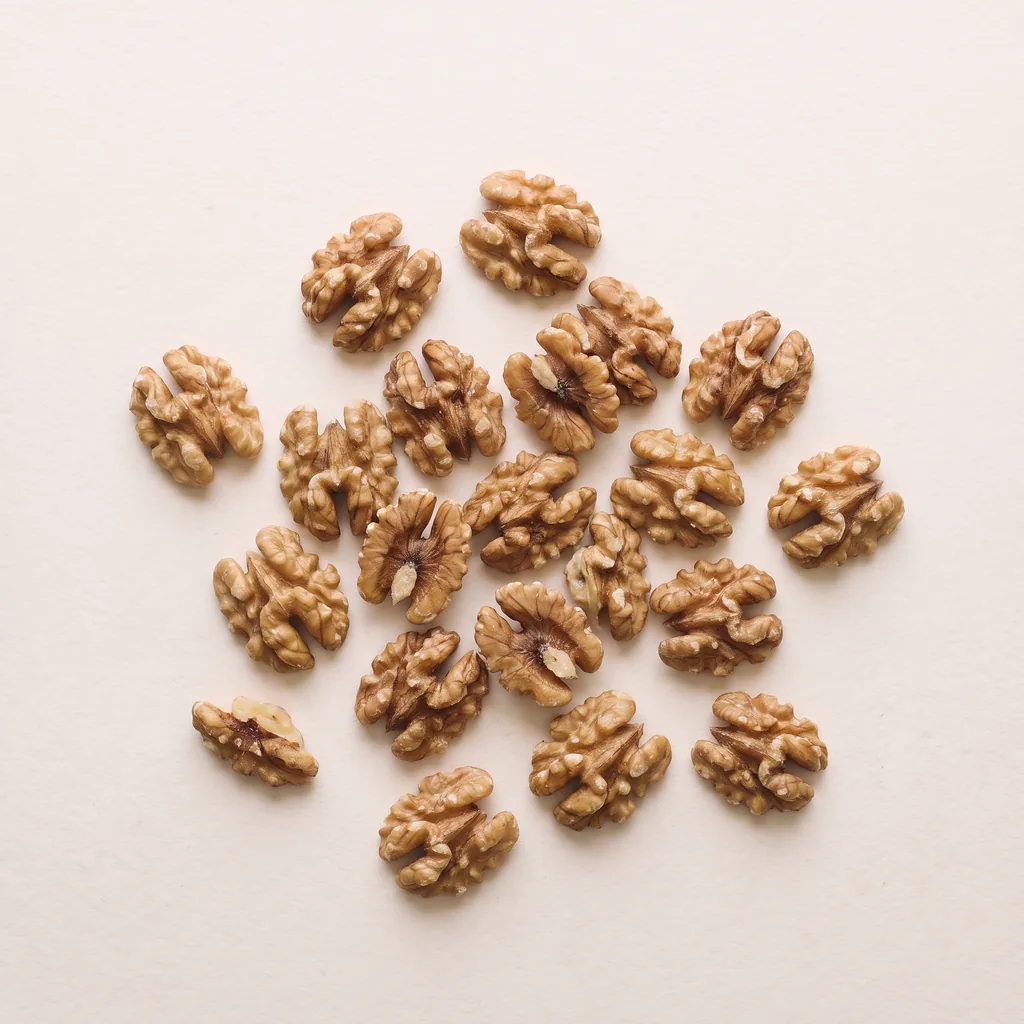
Walnut is the edible seed of the walnut tree, which grows in many temperate regions of the world. The kind widely eaten in Turkey is known as Juglans regia.

  • Omega-3 (ALA)
  • Healthy fats
  • Fiber
  • Folate
  • Zinc
  • Iron
Walnut prepared for a babyAllergen, day 1/3

About walnut

When your baby is ready for solids, usually around 6 months, you can offer walnut fully finely ground or as thinned smooth butter.

Walnut is an important food allergen. Whole walnuts, large walnut pieces and thick walnut butter can be a choking risk for young children.

Nutrition

Walnuts contain unsaturated fats, plant protein and fiber. They are especially rich in alpha-linolenic acid (ALA), a plant omega-3 fatty acid.

They also provide copper, manganese, magnesium, phosphorus, folate, zinc and some iron.

ALA is one of the essential fatty acids. The body converts only a limited amount of it to DHA, though. So walnut should not be seen as equal to foods that contain DHA.

The iron in walnuts comes from a plant source and may be poorly absorbed. Walnut can add to the diet of babies who eat mostly plant-based foods, but it should not be counted as a main iron source.

Also known as: ceviz ezmesi, ceviz içi, ceviz tozu, ceviz unu, cevizli

  • Gluten-free
  • Vegan

Walnut is offered 3 days in a row

So that any reaction can be linked to the right food, walnut is offered 3 days in a row and no other new food is tried on those days.

  1. 1/3

    First taste

    Start with a small amount in the morning or around midday. Your baby is watched closely for 5 to 10 minutes after the first bite.

  2. 2/3

    Same food, same calm

    Walnut is offered again the same way. No other new food is tried today.

  3. 3/3

    Introduction done

    If no reaction was seen, walnut is now part of your baby's meals. It keeps being offered regularly.

Emergency

If your baby has trouble breathing or swelling of the face or tongue, call 911 (or your local emergency number) right away.

About walnut allergy

The World Health Organization lists walnut as a global priority allergen. It counts as a tree nut, though it is technically a seed. About 70 percent of children allergic to walnut are also allergic to pecan. An allergy to tree nuts affects 0.5 to 1.2 percent of people. It usually stays for life, and just about 9 percent of children outgrow it.

Walnut reactions can be severe. Walnut also causes oral allergy syndrome, especially in people allergic to birch pollen, which usually means brief itching, tingling or burning in the mouth.

A child allergic to walnut can cross-react to other tree nuts and seeds. That does not mean all nuts must go. Work with an allergist.

Most babies do not need allergy testing before trying walnut. If your baby has severe eczema, has reacted to food before, or may have a nut allergy, check with your pediatrician or an allergist before the first taste. Evidence for protection from early introduction keeps growing, so do not delay longer than needed.

First try

Start with one pinch of powder-fine nut, or an eighth of a teaspoon of smooth butter loosened with water, breast milk or formula. If there is no reaction, increase the amount. Your baby need not finish it. Once introduced, keep the allergen in the diet, ideally twice a week.

How to prepare it by age

6 monthsMash

Walnut prepared for 6 months

Cut: Ground

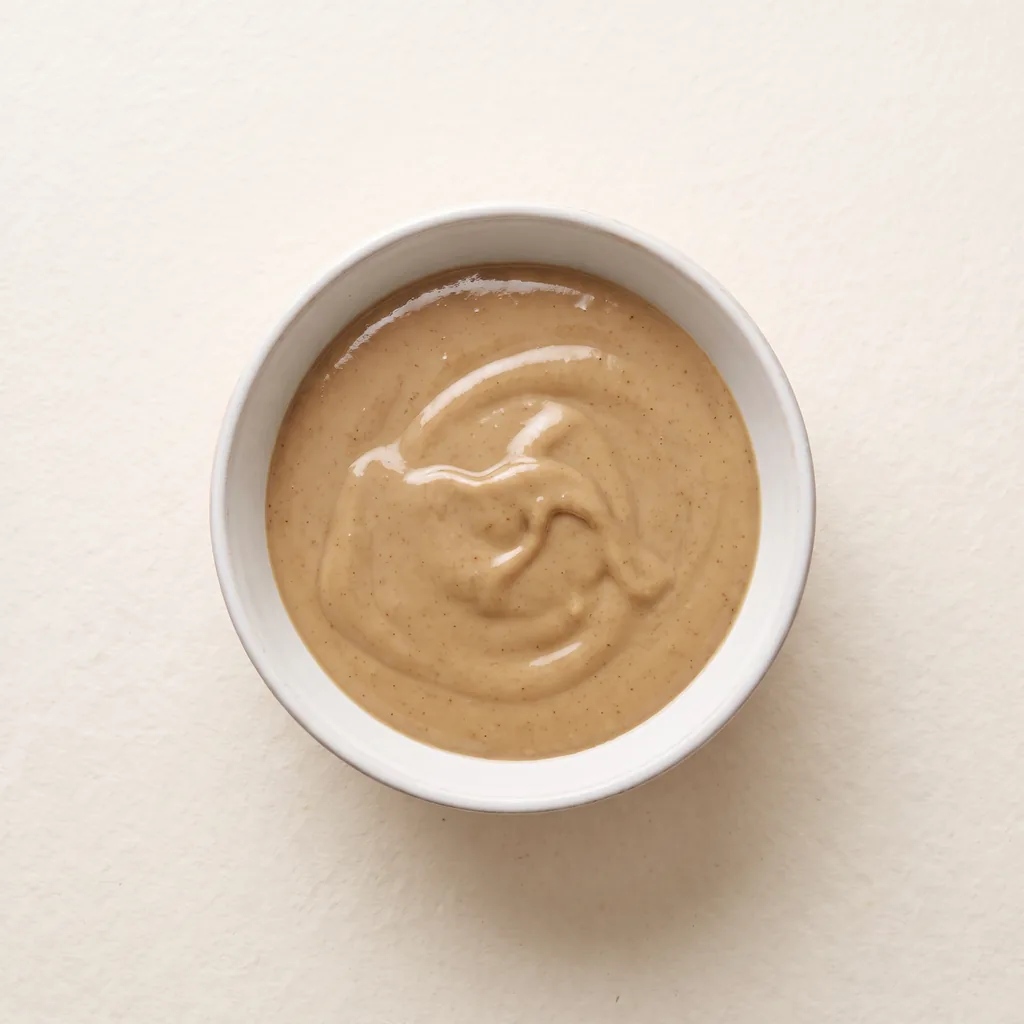
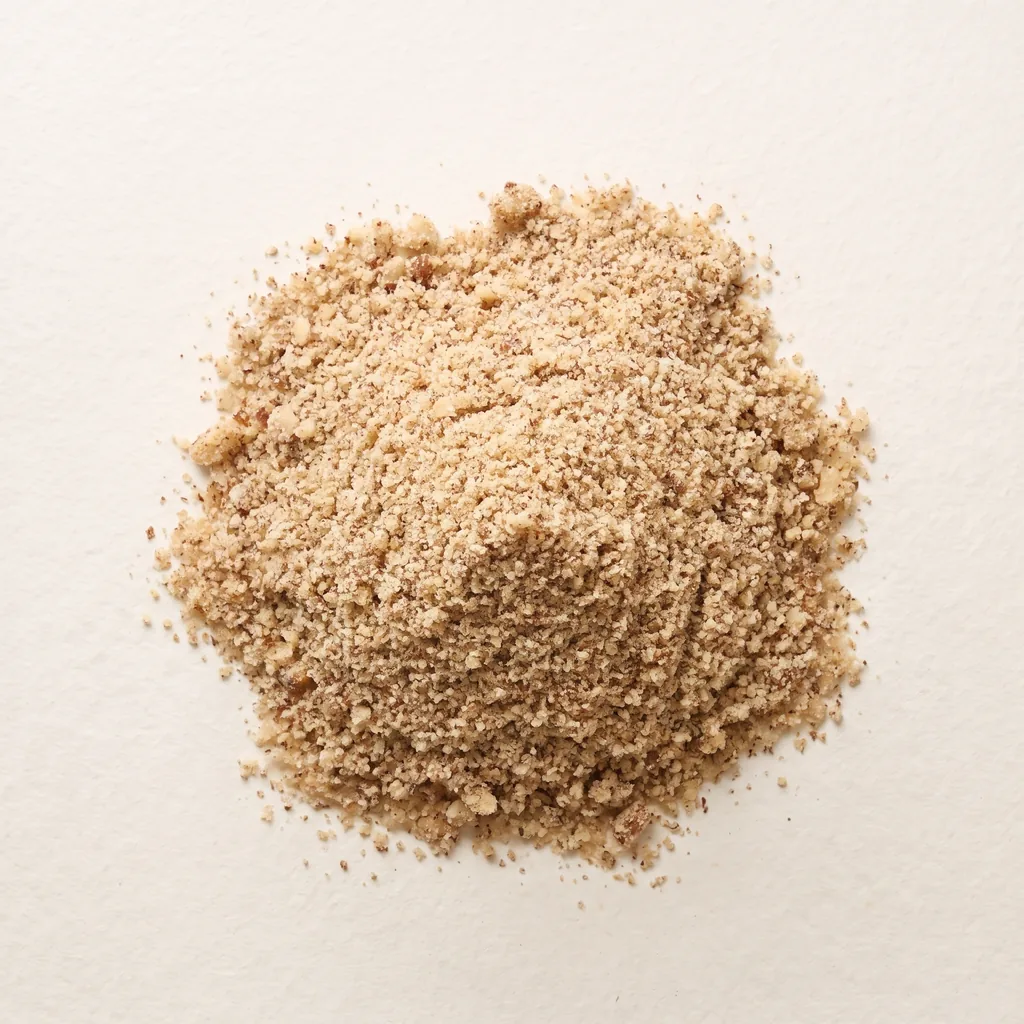
Grind walnuts to a flour-like powder and stir it into yogurt, oatmeal or fruit purée. You can also thin smooth walnut butter with water. Whole and broken walnuts are not served until age 4. Tree nuts are a new allergen, so offer them alone for the first time, in the morning and in a small amount.
9 monthsMash

Walnut prepared for 9 months

Cut: Ground

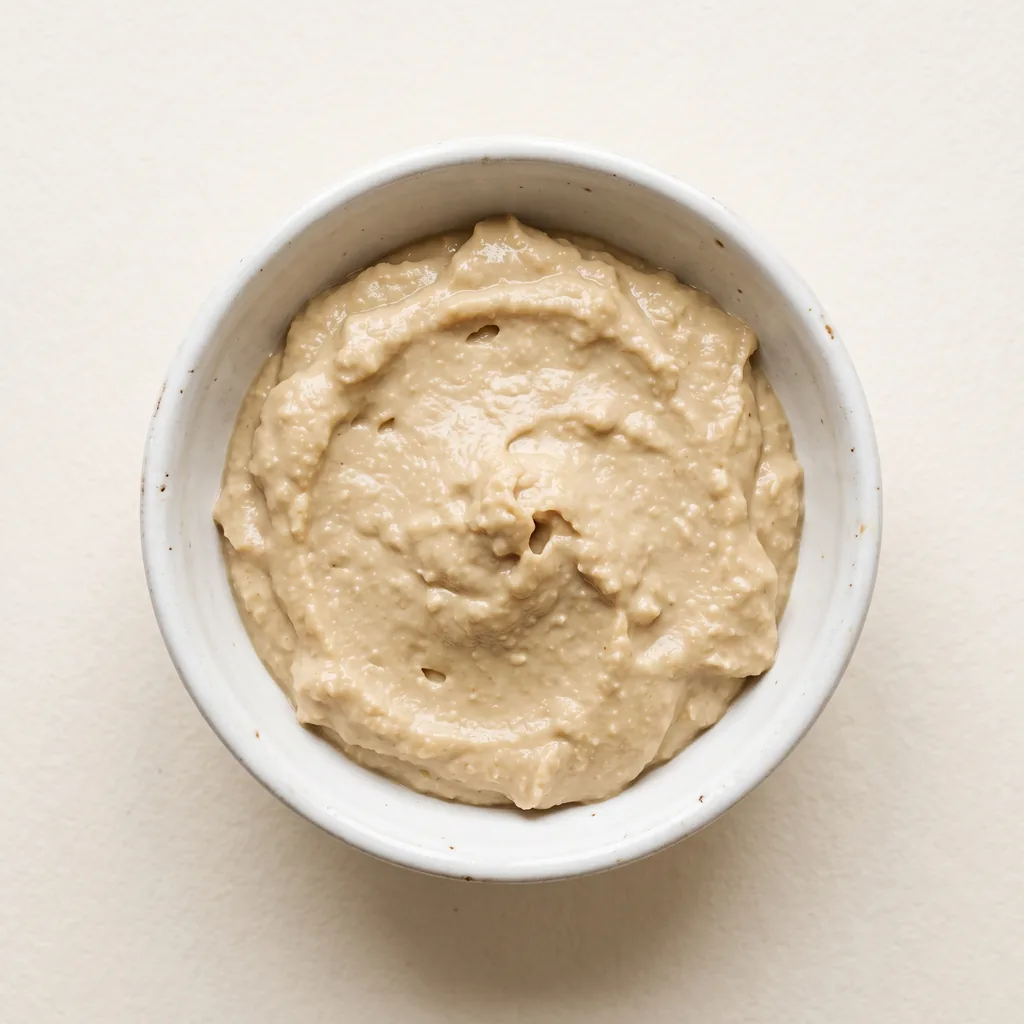
Sprinkle ground walnut over soft foods, or brush a whisper-thin film of walnut butter over pancakes and bread strips. Thick butter can stick in the mouth, so always thin it.

12 monthsMash

Walnut prepared for 12 months

Cut: Ground

Keep using ground walnut and thinned walnut butter in meals. In walnut tarhana and vegetable dishes, the walnut should be ground. Whole walnuts are not served until age 4.

Choking risk

  1. Low
  2. Medium
  3. High

Whole walnuts and large walnut pieces can be a serious choking risk for young children.

Thick walnut butter can also form a sticky lump in the mouth that makes swallowing hard.

Grind walnuts completely fine and mix them into moist foods. Thin smooth walnut butter well before serving.

Do not give whole walnuts to children under 5 years old. Good chewing skills at 2 or 3 years do not make whole walnuts safe.

Your child should sit upright for the whole meal and be under your constant supervision.

Frequently asked questions

What age can babies eat walnut?

Walnut is the edible seed of the walnut tree, which grows in many temperate regions of the world. The kind widely eaten in Turkey is known as Juglans regia.

Is walnut a common allergen?

The World Health Organization lists walnut as a global priority allergen. It counts as a tree nut, though it is technically a seed. About 70 percent of children allergic to walnut are also allergic to pecan. An allergy to tree nuts affects 0.5 to 1.2 percent of people. It usually stays for life, and just about 9 percent of children outgrow it.

How do you prepare walnut for babies?

For a 6-month-old: Grind walnuts to a flour-like powder and stir it into yogurt, oatmeal or fruit purée. You can also thin smooth walnut butter with water. Whole and broken walnuts are not served until age 4. Tree nuts are a new allergen, so offer them alone for the first time, in the morning and in a small amount.
Is walnut a choking hazard for babies?

Whole walnuts and large walnut pieces can be a serious choking risk for young children.

Can babies have walnut butter?

Yes. When your baby is ready for solids, usually around 6 months, they can have smooth walnut butter with no added sugar, salt or honey. Thin the butter with water, breast milk or prepared formula. Do not give thick butter by the spoonful.

Can babies drink walnut milk?

It is not given in place of breast milk or formula in the first 12 months. It can be used in small amounts in foods. After the first birthday too, it is usually not suitable as a main milk alternative because it is low in protein.

If my child is allergic to walnut, will other nuts cause reactions?

Cross-reactions can happen, but that does not mean every nut must go. An allergist can help decide which are safe.

How should I store walnuts?

Keep shelled walnuts and opened walnut butter in airtight containers, ideally in the fridge. You can use the freezer for longer storage. Do not eat walnuts that have turned rancid or moldy.

Prepared by the Lokmini team | Last updated November 19, 2026

Share:WhatsApp

Want to add this food to your baby's solid food calendar?

Join Lokmini to learn how this food is served at each age and to keep track of every food your baby tries.

Join Lokmini

Starting Solids

When and how to start solids, and what happens in the first week?

Read the guide

Similar foods

Let's get ready for the first bite together

Lokmini builds a day-by-day plan for your baby's age. Leave your email for new guides and our newsletter.

Start Your Journey