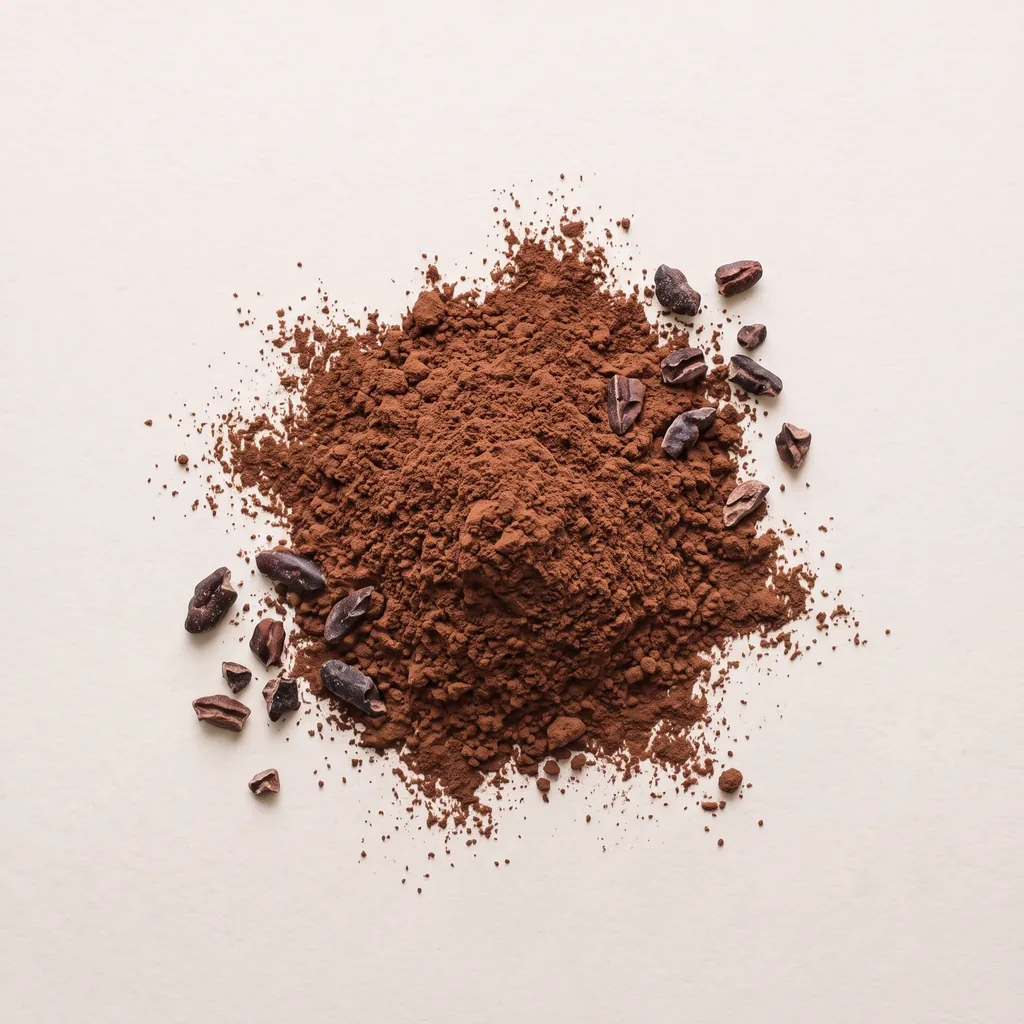
12 monthsMash
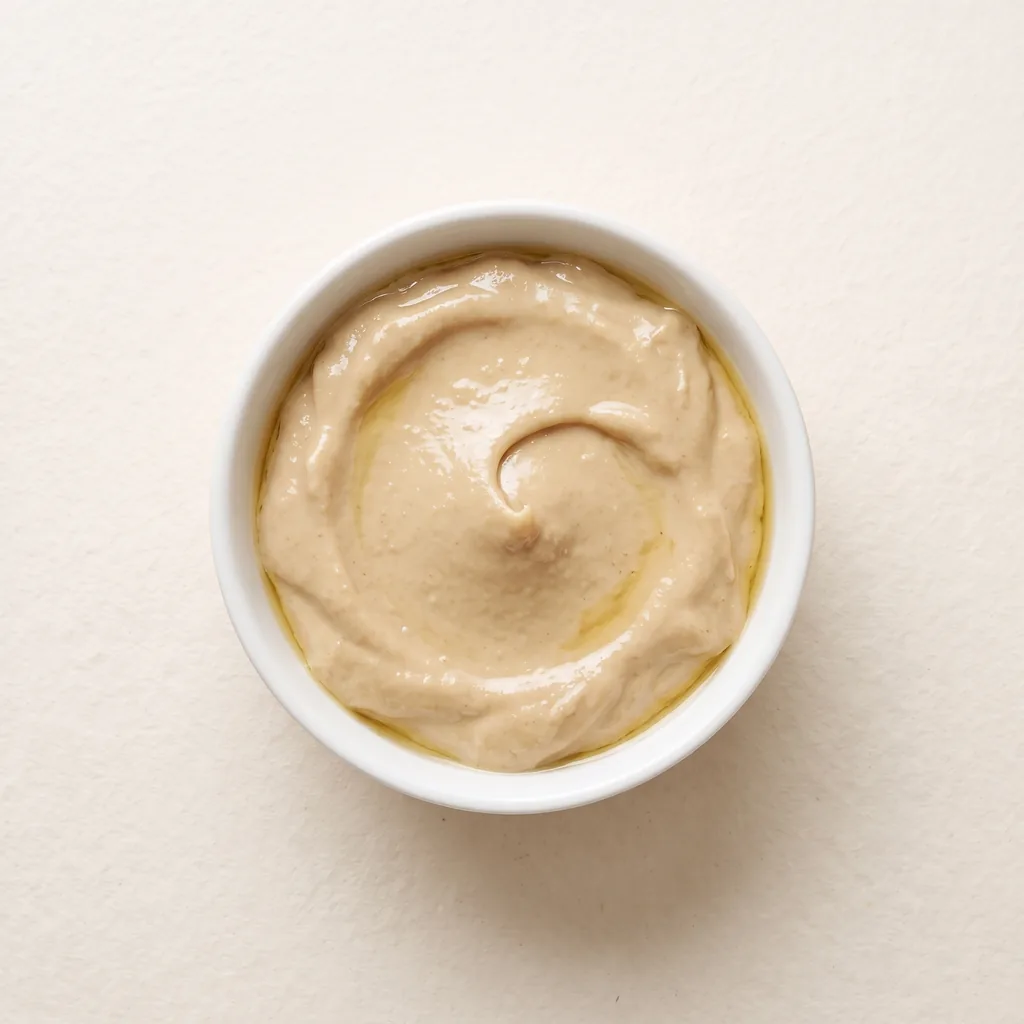
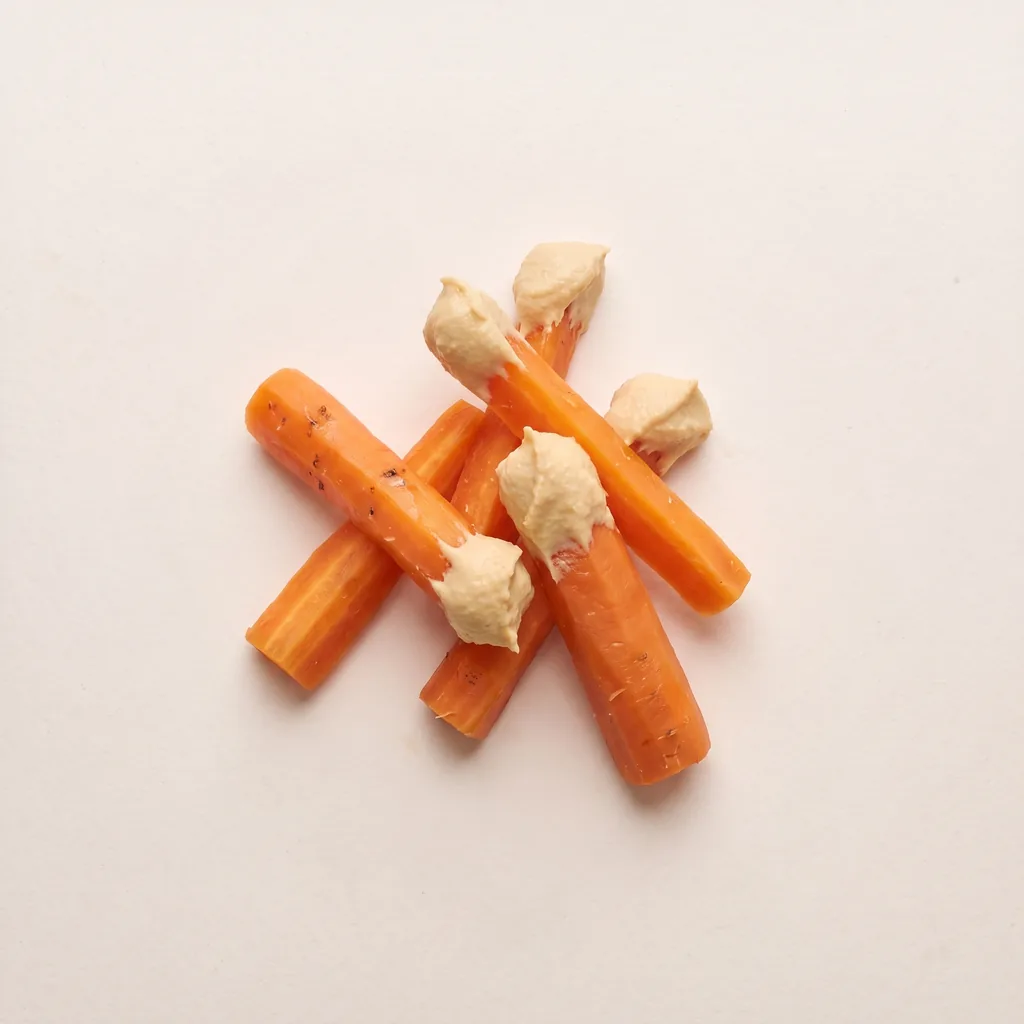
Mix tahini into oatmeal or yogurt, or smear a thin layer over bread or toast. At this age thinning first is not needed, but keep spreading thinly and avoid big clumps. Tahini dips such as hummus and baba ghanoush also work.
Dietitian's view
You can give tahini from the 8th month.
Lokmini is not a healthcare provider and does not offer health services. For your baby's specific needs, talk to your doctor or a dietitian.
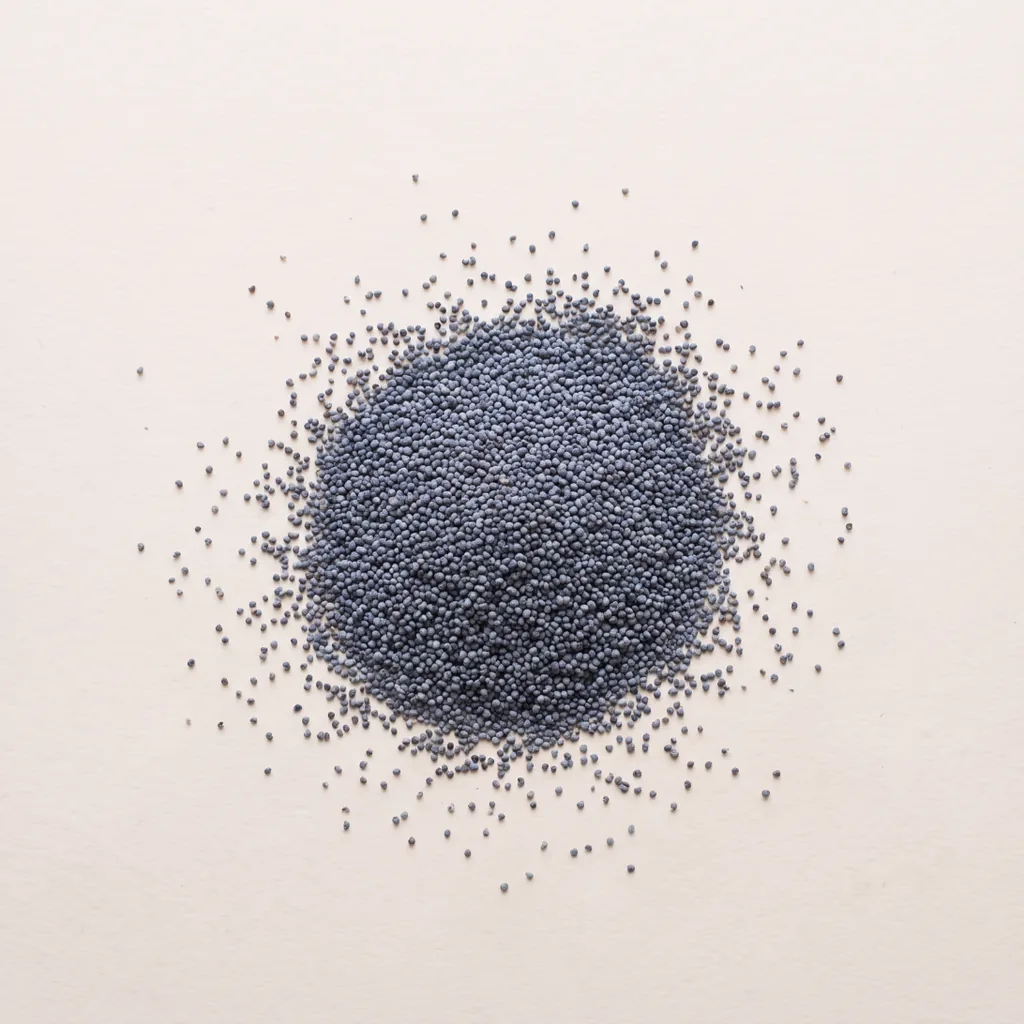
Tahini is a thick food made by grinding sesame seeds. It can be made from hulled or unhulled, roasted or raw sesame.
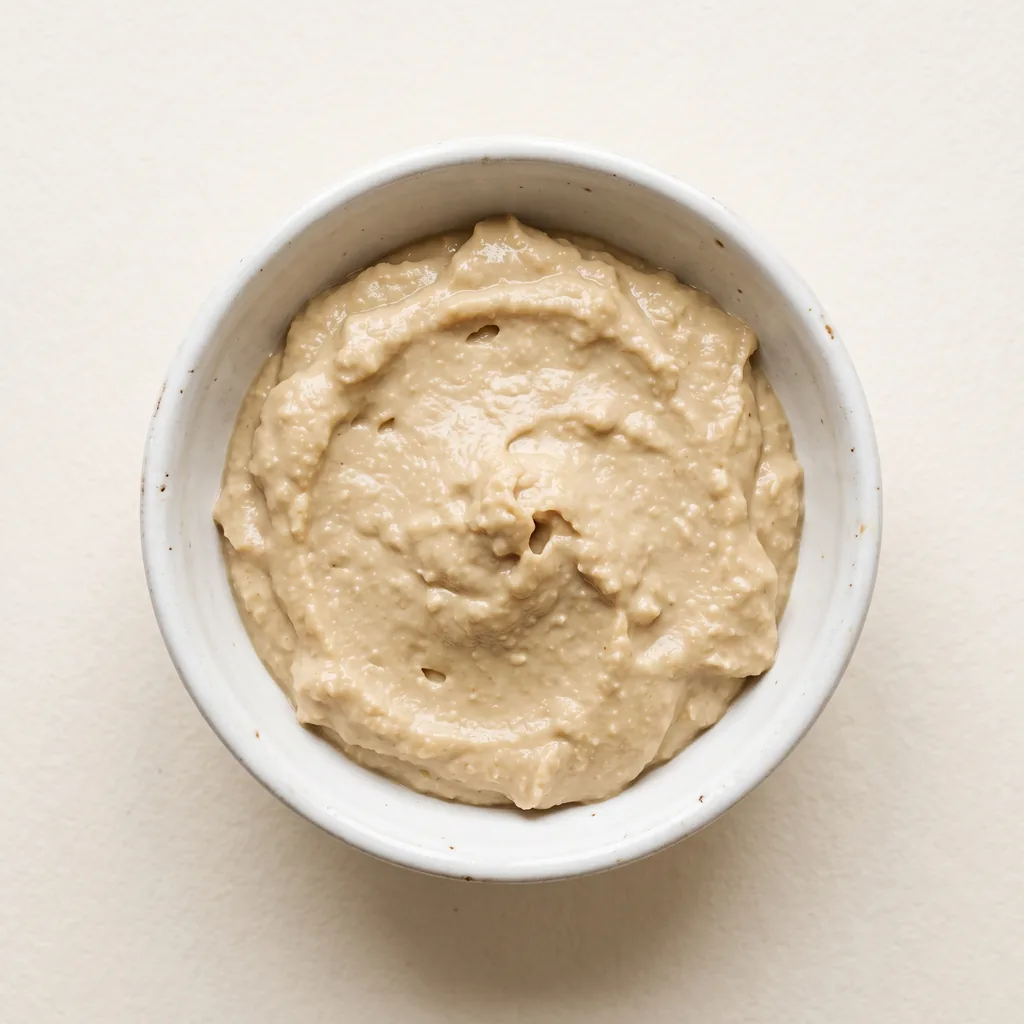 Allergen, day 1/3
Once your baby is ready for solids, usually around 6 months, you can serve tahini at a suitable texture. Tahini contains sesame, a major allergen. Introducing sesame without delay when starting solids is recommended.
Tahini is thick and sticky, so do not give it straight by the spoonful. Serve it thinned with water, breast milk, prepared infant formula or a puree.
Tahini is rich in unsaturated fats, protein and fiber. It also contains calcium, iron, zinc, magnesium and some B vitamins.
Tahini also contains lignans such as sesamin and sesamolin. But there is not enough clinical evidence that these compounds have a direct health benefit in babies.
The mineral content of tahini can vary depending on whether the sesame is hulled or unhulled. Also, the phytates it contains can reduce the absorption of some minerals.
No tahini with honey before 12 months
Because of the risk of infant botulism, honey must not be given in any form to babies under 12 months. Choose plain tahini with no added sugar, salt or honey for your baby. You do not need to sweeten it with molasses either.
Also known as: susam ezmesi, susam tahini, tahin, tahina
So that any reaction can be linked to the right food, tahini is offered 3 days in a row and no other new food is tried on those days.
Start with a small amount in the morning or around midday. Your baby is watched closely for 5 to 10 minutes after the first bite.
Tahini is offered again the same way. No other new food is tried today.
If no reaction was seen, tahini is now part of your baby's meals. It keeps being offered regularly.
Emergency
If your baby has trouble breathing or swelling of the face or tongue, call 911 (or your local emergency number) right away.
Tahini is made from sesame, and sesame is a common allergen. Anaphylaxis from it is common across North Africa and Southwest Asia. In Israel it ranks third among food allergens, and in the US ninth.
To introduce sesame, use ground sesame or tahini. Whole seeds are often not chewed enough, so the proteins never reach your baby. For introduction, tahini from unhulled seeds holds more protein and offers a wider range of allergens.
Allergen label
This food contains sesame.
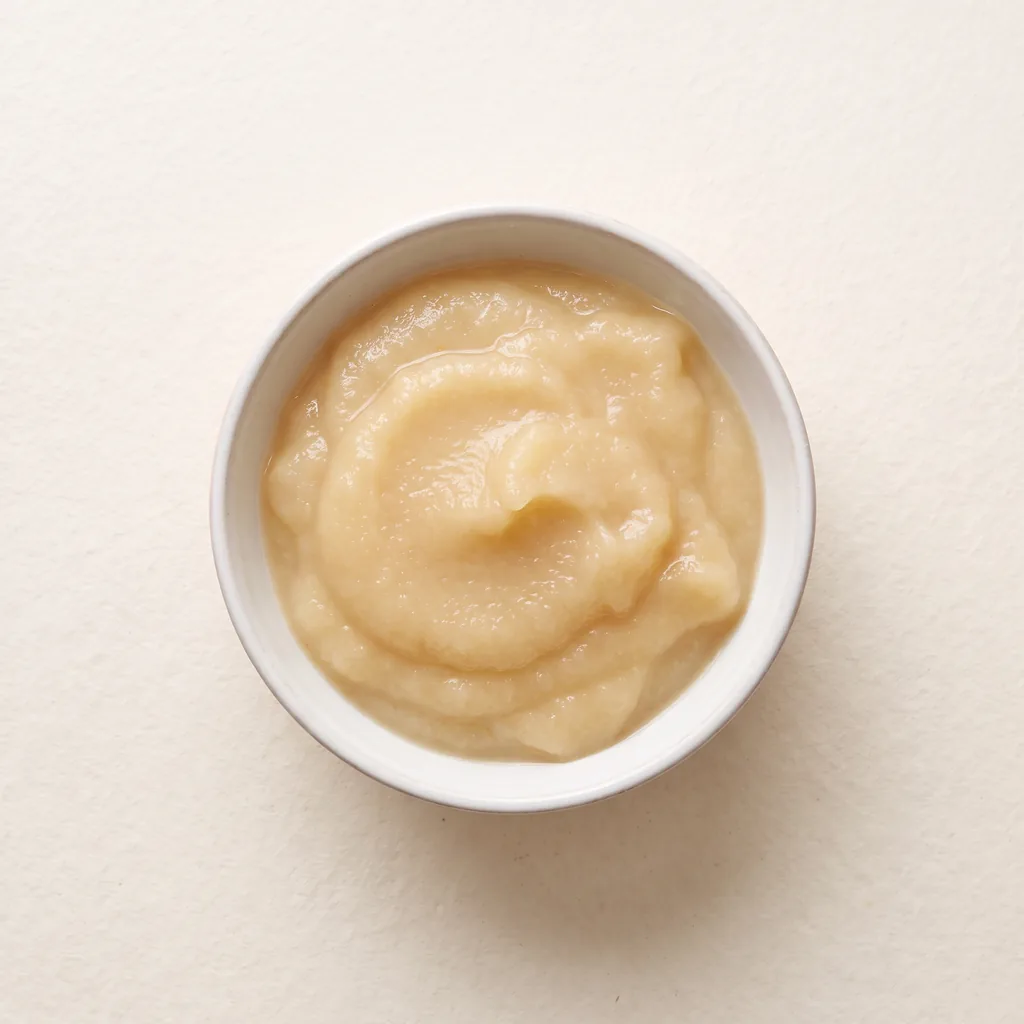
As with every new allergen, begin with a very small amount. For example, one eighth of a teaspoon stirred into applesauce is enough. If the first servings go well, increase slowly. After the allergen is introduced, it matters to keep it in the diet, twice a week if possible. Keep offering it unless a reaction appears. The goal is not to fill the belly with tahini.
12 monthsMash
Mix tahini into oatmeal or yogurt, or smear a thin layer over bread or toast. At this age thinning first is not needed, but keep spreading thinly and avoid big clumps. Tahini dips such as hummus and baba ghanoush also work.
Tahini is thick and sticky, so it can make swallowing harder for babies and can be a choking risk.
To lower the risk, thin tahini with water, breast milk, prepared infant formula or a puree. You can mix it into soft foods or spread it very thinly on bread.
Do not serve tahini by the spoonful or in big clumps. Your baby should sit upright throughout the meal and be watched at all times.
Prepared by the Lokmini team | Last updated November 19, 2026
Join Lokmini to learn how this food is served at each age and to keep track of every food your baby tries.
Lokmini builds a day-by-day plan for your baby's age. Leave your email for new guides and our newsletter.
Start Your Journey