Skip to content

Dietitian's view

You can give mung bean from the 8th month. Be careful about its sprouts.

Lokmini is not a healthcare provider and does not offer health services. For your baby's specific needs, talk to your doctor or a dietitian.

  • Legumes
  • 8 mo+
  • Low choking risk

Mung bean for babies: when to start

You can serve mung beans from 8 months. Take care with the sprouts, though. Raw sprouts are not for babies.

  • Carbohydrate
  • Fiber
  • Protein
  • Iron
  • Folate
  • Zinc
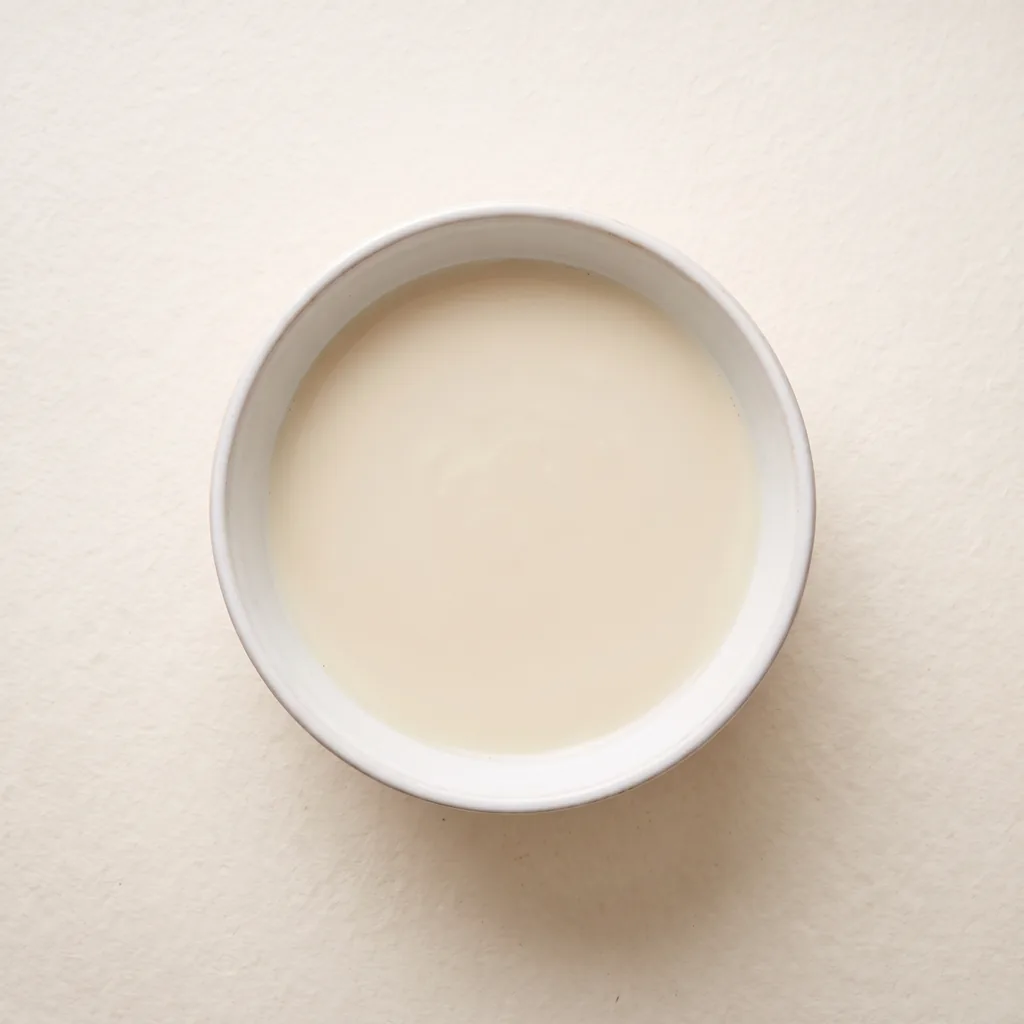
Mung bean prepared for a baby

About mung bean

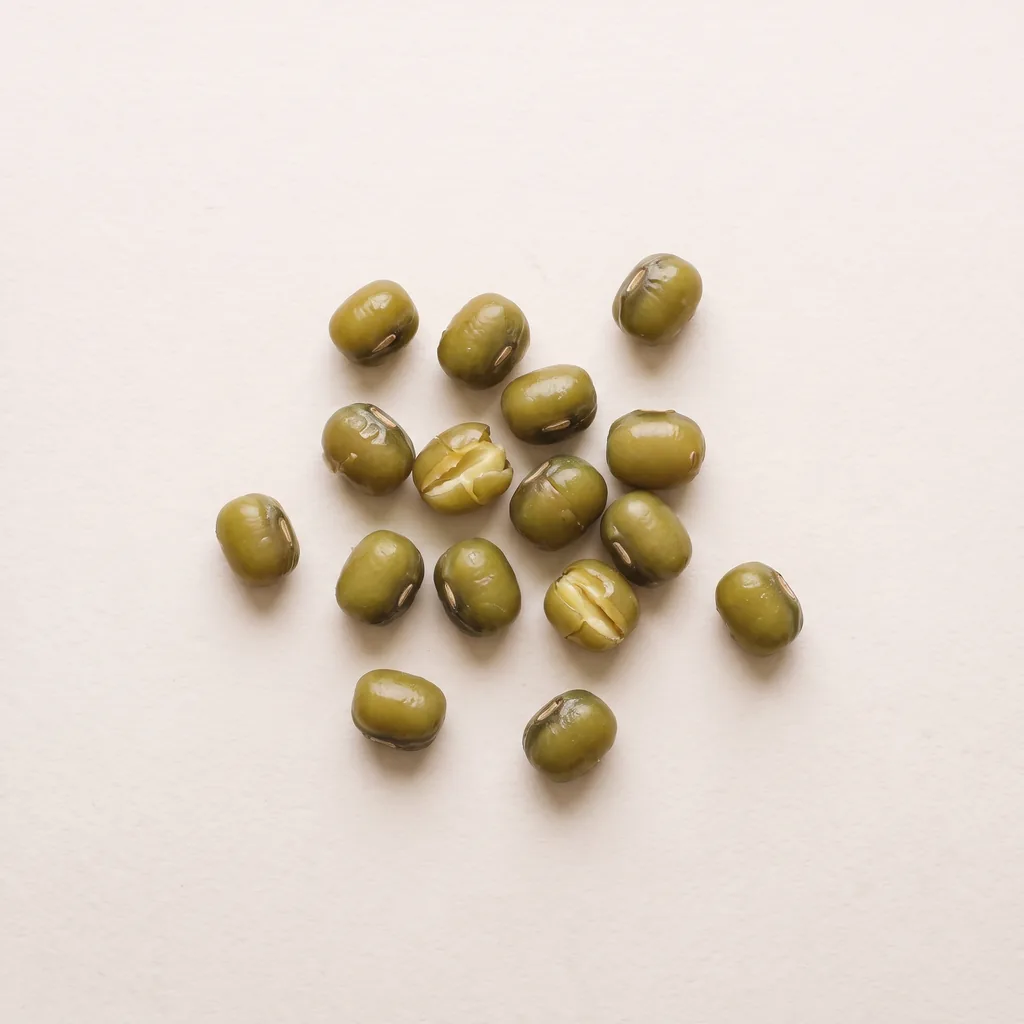
Mung beans are native to South Asia. This small green legume is also called green gram, maash, moong and munggo. Many forms exist. Skinned and split, it is moong dal. Crushed to a paste, it fills sweets such as mooncakes. Ground to flour, it makes dosa or bindae-tteok. Left whole, it is simmered in curries, pilafs and stews. Once sprouted, it brings crunch and juiciness to salads and stir-fries.

Carbohydrate, fiber and protein are plentiful. It also brings iron, zinc, folate, choline, selenium, potassium and the vitamins B6 and K. Folate contributes to normal blood formation.

Also known as: maş fasulyesi, mung fasulyesi, mung, moong, yeşil mercimek benzeri, maş filizi

  • Gluten-free
  • Vegan

How to prepare it by age

9 monthsCube

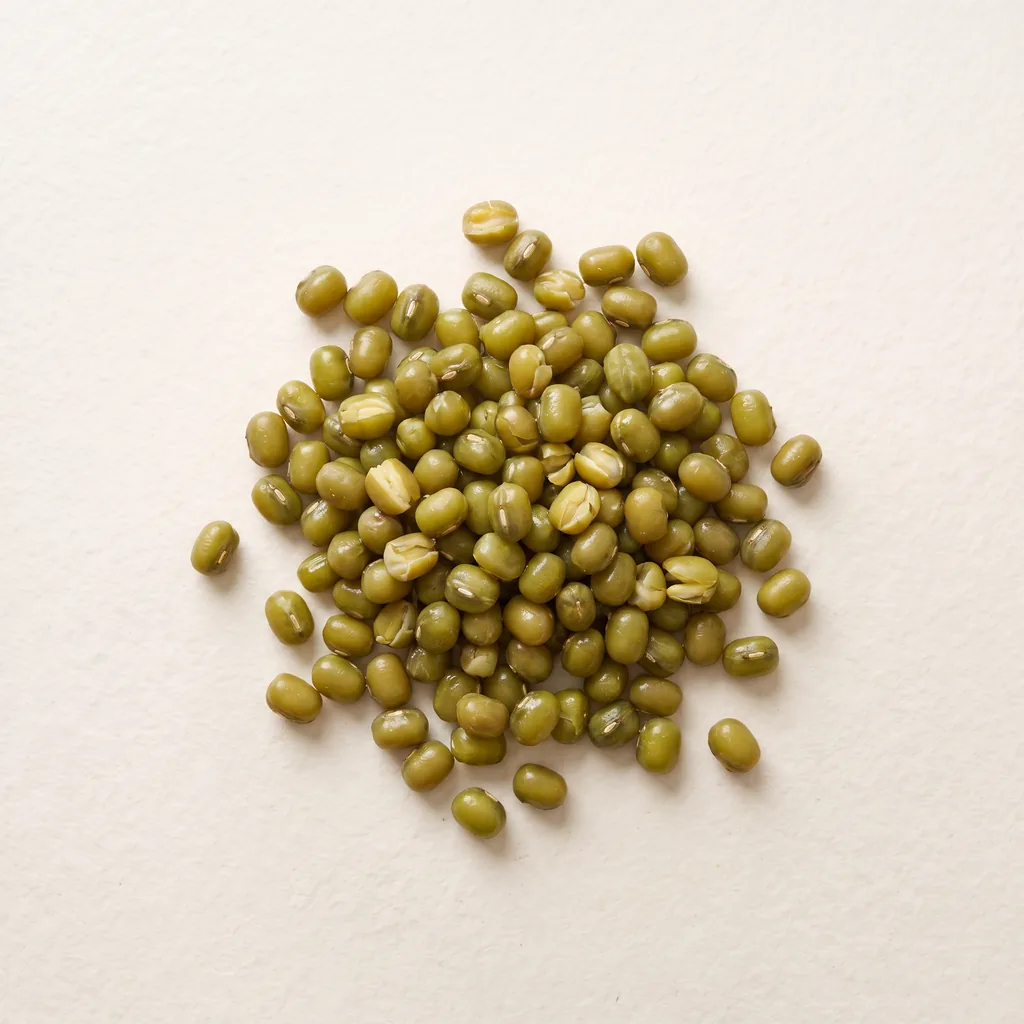
Continue mixing mung beans into scoopable foods, and let baby feed themselves with their hands or a spoon you have loaded. A baby whose pincer grasp is emerging might try to pick up cooked beans, but they are tiny, and that can be frustrating. Flattening the beans with a fork back or shaping them into a ball helps. You can also tear mung flour dosa, idli or pancakes into bite-sized pieces. Dal and purée are still fine.
12 monthsCube

Mung bean prepared for 12 months

Keep serving cooked mung beans and thoroughly cooked sprouts alone or in dishes like curry and salad. You can offer a spoon or fork for practice, but picking the beans up with a utensil can be hard until the child is older. Keep mashing or rolling them into balls if you like.

Choking risk

  1. Low
  2. Medium
  3. High

Mung beans are a small legume. When fully cooked and served in a suitable texture, their choking risk is usually low.

But hard or undercooked beans can make chewing harder for your baby.

At first, serve mung beans pureed or well mashed. As your baby's chewing skills develop, you can move on to a soft, moist, slightly lumpy texture.

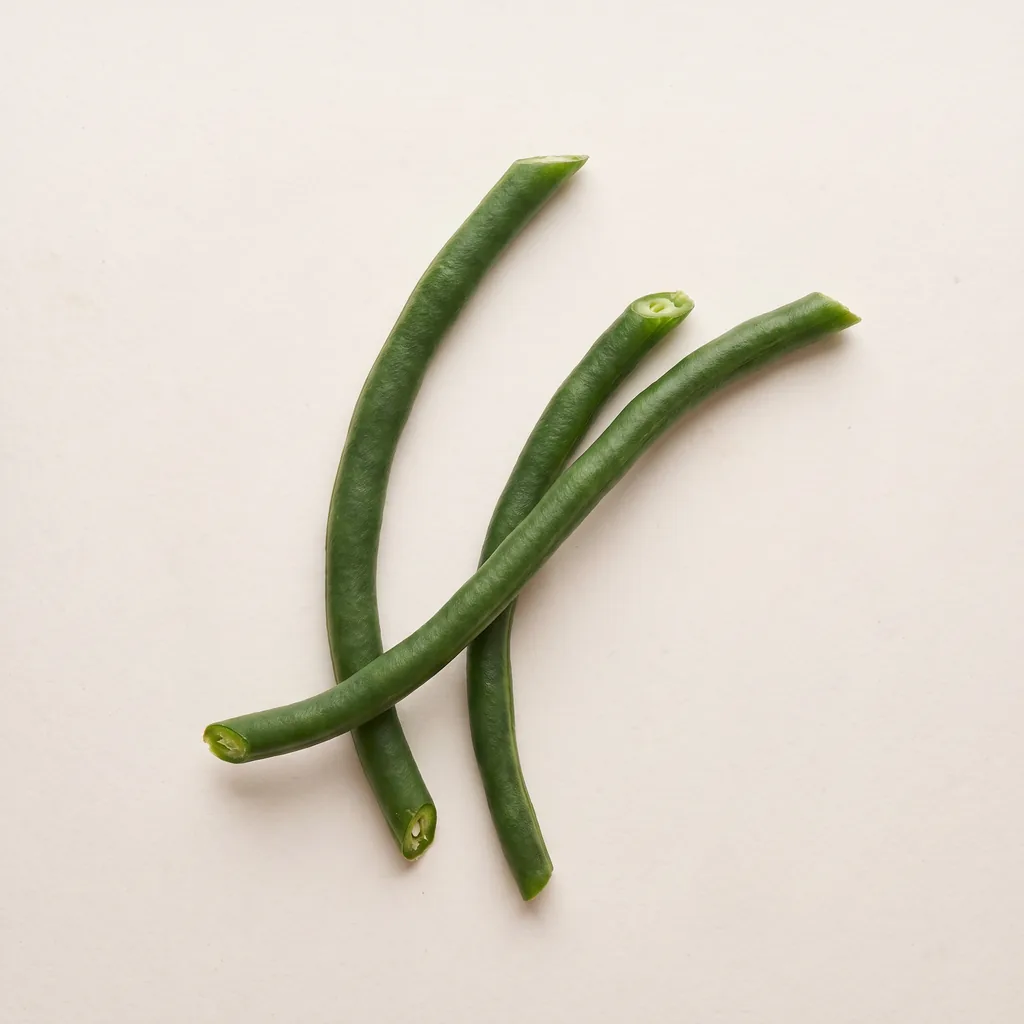
The long, stringy shape of mung bean sprouts can also make chewing harder. Cook sprouts fully and cut them down to a suitable size.

Your baby should sit upright throughout the meal and be under your constant supervision.

Allergen information

Mung beans are not among the common, priority food allergens, but they can cause allergic reactions.

Allergic cross-reactions are possible between mung beans and peanut, soy, lentils and other legumes. Still, an allergy to one legume does not mean an allergy to the others will always develop.

Pollen-related cross-reactions can cause itching or tingling in the mouth in some people. But do not assume these symptoms will always be mild.

First try

Start with a small amount of fully cooked, mashed mung beans.

Watch for possible signs of allergy. If no problems develop, you can increase the amount gradually.

If your baby has reacted to mung beans before or has a known serious legume allergy, a doctor's assessment is recommended.

If widespread hives, swelling of the lips or tongue, repeated vomiting, wheezing or trouble breathing develop after eating, stop giving it. For signs of a serious reaction, call emergency services right away.

Frequently asked questions

What age can babies eat mung bean?

You can serve mung beans from 8 months. Take care with the sprouts, though. Raw sprouts are not for babies.

Is mung bean a common allergen?

Mung beans are not among the common, priority food allergens, but they can cause allergic reactions.

How do you prepare mung bean for babies?

For a 9-month-old: Continue mixing mung beans into scoopable foods, and let baby feed themselves with their hands or a spoon you have loaded. A baby whose pincer grasp is emerging might try to pick up cooked beans, but they are tiny, and that can be frustrating. Flattening the beans with a fork back or shaping them into a ball helps. You can also tear mung flour dosa, idli or pancakes into bite-sized pieces. Dal and purée are still fine.
Is mung bean a choking hazard for babies?

Mung beans are a small legume. When fully cooked and served in a suitable texture, their choking risk is usually low.

Can babies eat raw mung sprouts?

No. Raw sprouts can be contaminated with microorganisms such as Salmonella and E. coli. Cook sprouts thoroughly and serve them in a suitable texture.

Can I give canned mung beans?

Yes. Choose types with no added salt or low sodium. Drain and rinse them, make sure they are completely soft, and mash them to suit your baby's chewing skills.

Do I need to soak the beans?

It is not required. Soaking can shorten cooking time and reduce some gas-causing carbohydrates. What matters is cooking the beans until they are completely soft.

Do mung beans contain iron?

Evet. Bitkisel demir içerir ancak emilimi sınırlı olabilir. Brokoli veya kırmızı biber gibi C vitamini kaynaklarıyla birlikte sunmak demir emilimini destekleyebilir.

Prepared by the Lokmini team | Last updated November 19, 2026

Share:WhatsApp

Want to add this food to your baby's solid food calendar?

Join Lokmini to learn how this food is served at each age and to keep track of every food your baby tries.

Join Lokmini

Starting Solids

When and how to start solids, and what happens in the first week?

Read the guide

Similar foods

Let's get ready for the first bite together

Lokmini builds a day-by-day plan for your baby's age. Leave your email for new guides and our newsletter.

Start Your Journey