9 monthsCube
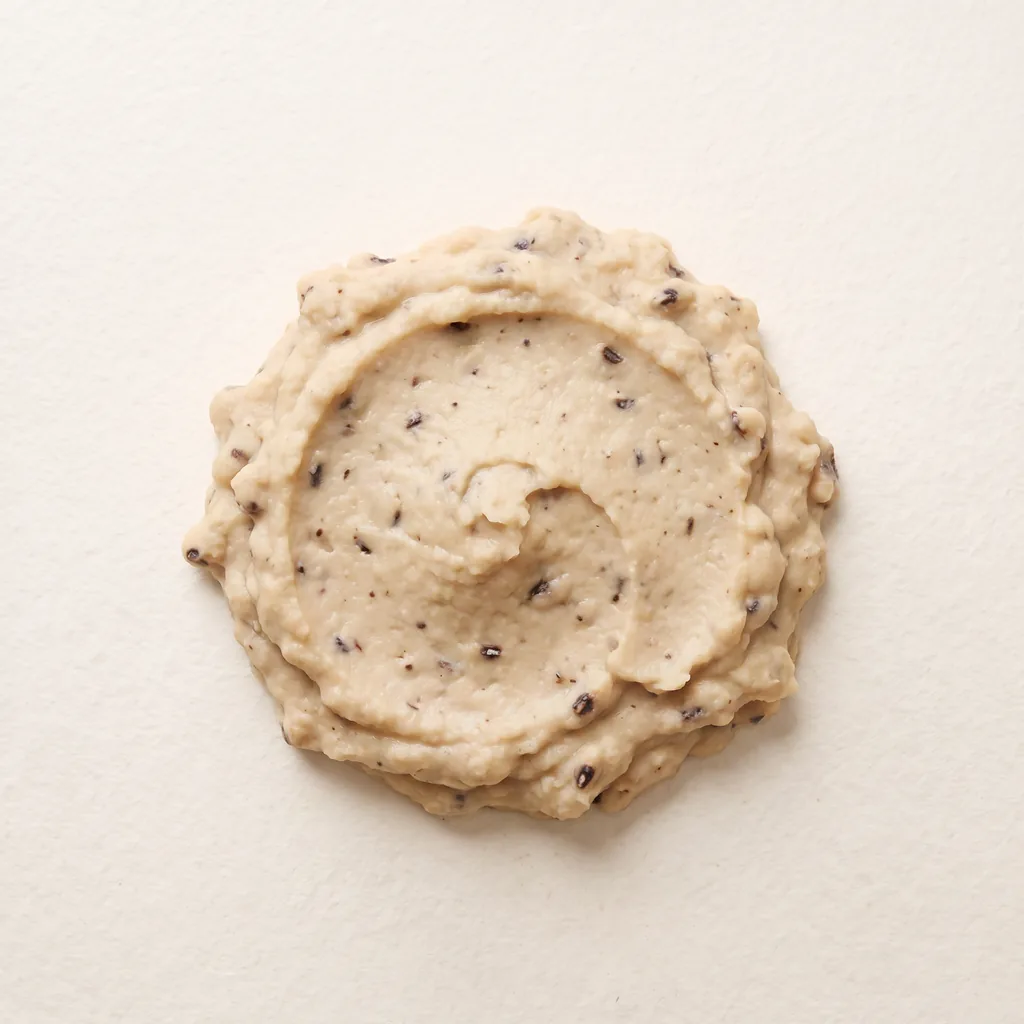
Cut: Flattened
Press each boiled pea flat with a finger before serving. Cook fresh pods and serve in small pieces. Unsalted olive oil black-eyed peas suit this age, with the peas mashed.
Dietitian's view
Give black-eyed peas from the 8th month, well cooked and mashed.
Lokmini is not a healthcare provider and does not offer health services. For your baby's specific needs, talk to your doctor or a dietitian.
Black-eyed peas can start from 8 months. Cook them well and mash them.
 Allergen, day 1/3
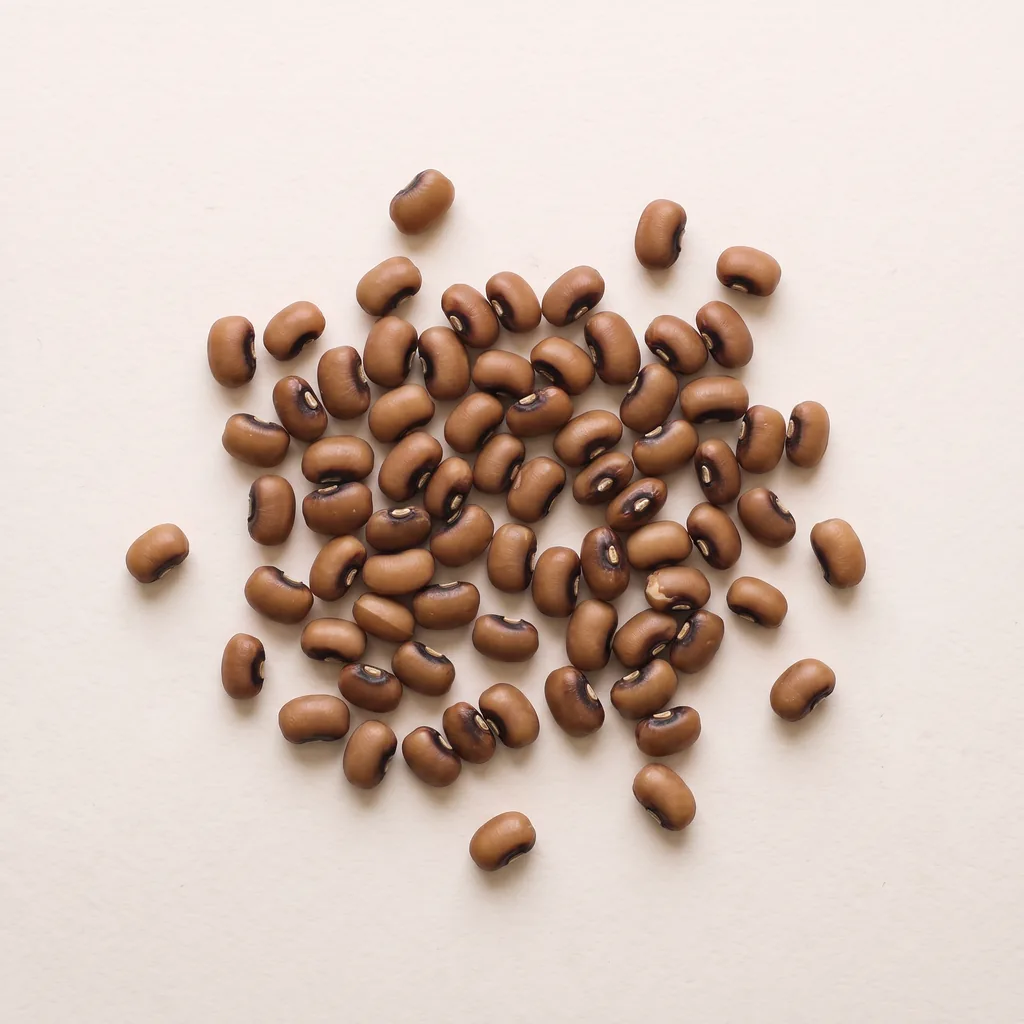
This small cream bean with a dark spot belongs to the large legume family. It is also known as cowpea and field pea. Its homeland is West Africa. Today it is a staple in many cuisines.
Black-eyed peas offer plenty of carbohydrate, fiber and protein. They supply calcium and iron, along with potassium, zinc, selenium, folate, vitamin K and B vitamins.
Boost the iron
Serving with vitamin C rich foods such as tomato and bell pepper helps the body absorb the iron.
Also known as: kara gözlü fasulye, karagöz fasulyesi, tarla börülcesi
So that any reaction can be linked to the right food, black-eyed peas is offered 3 days in a row and no other new food is tried on those days.
Start with a small amount in the morning or around midday. Your baby is watched closely for 5 to 10 minutes after the first bite.
Black-eyed peas is offered again the same way. No other new food is tried today.
If no reaction was seen, black-eyed peas is now part of your baby's meals. It keeps being offered regularly.
Emergency
If your baby has trouble breathing or swelling of the face or tongue, call 911 (or your local emergency number) right away.
Black-eyed peas are not among the common, priority food allergens, but they can cause allergic reactions in some people.
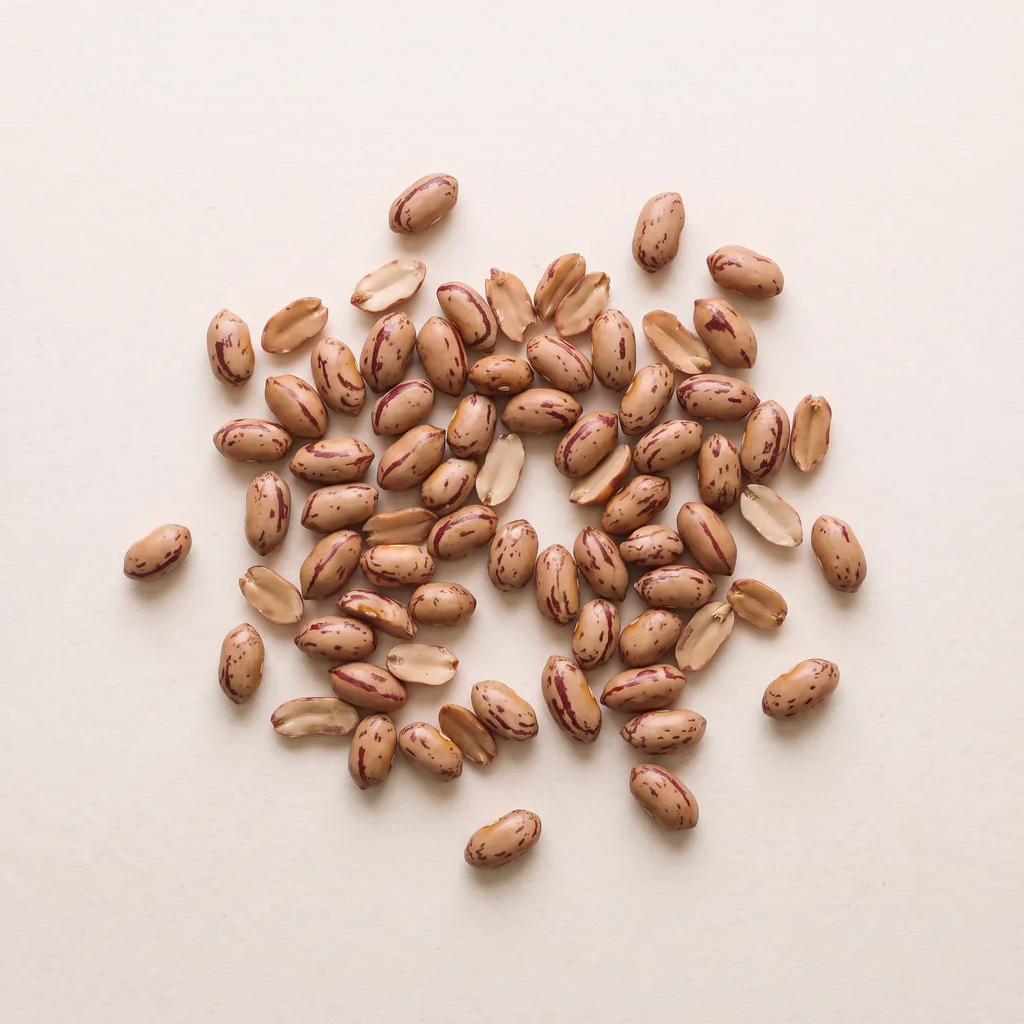
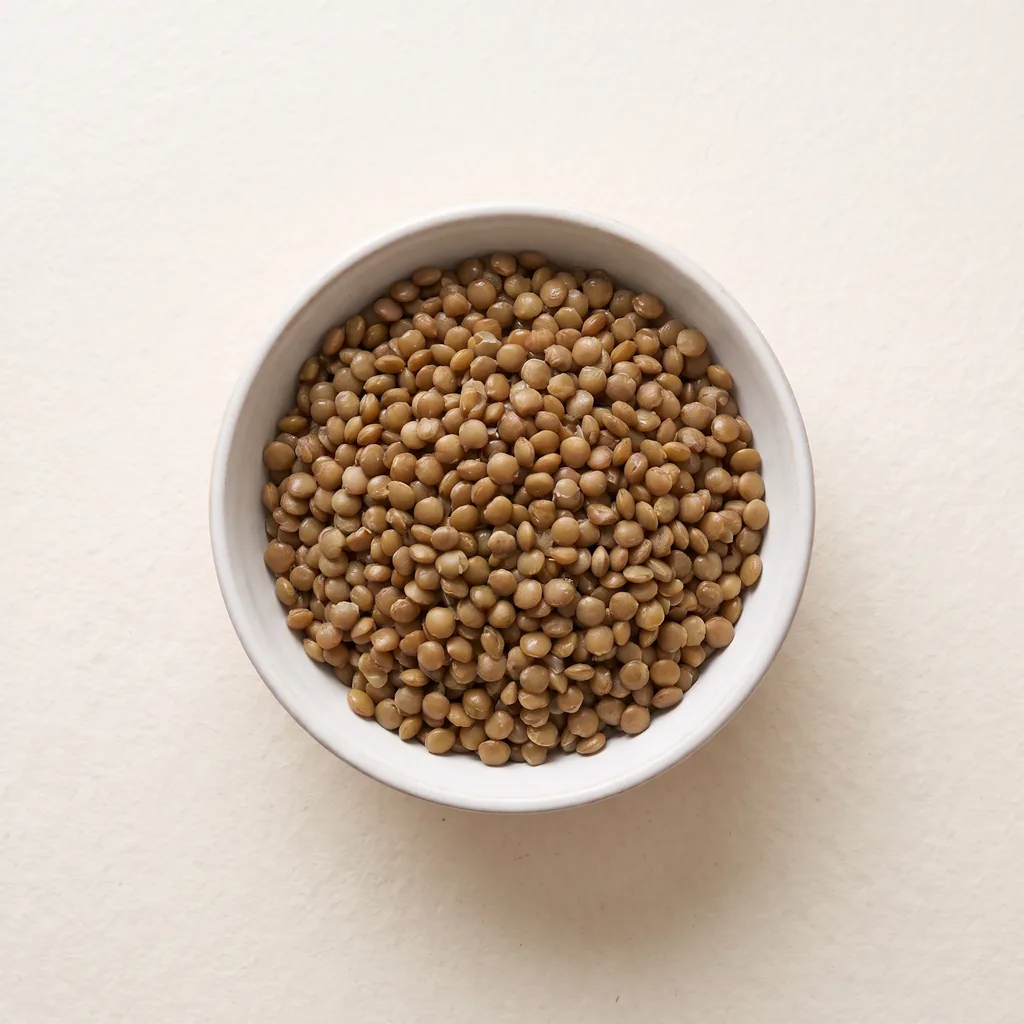
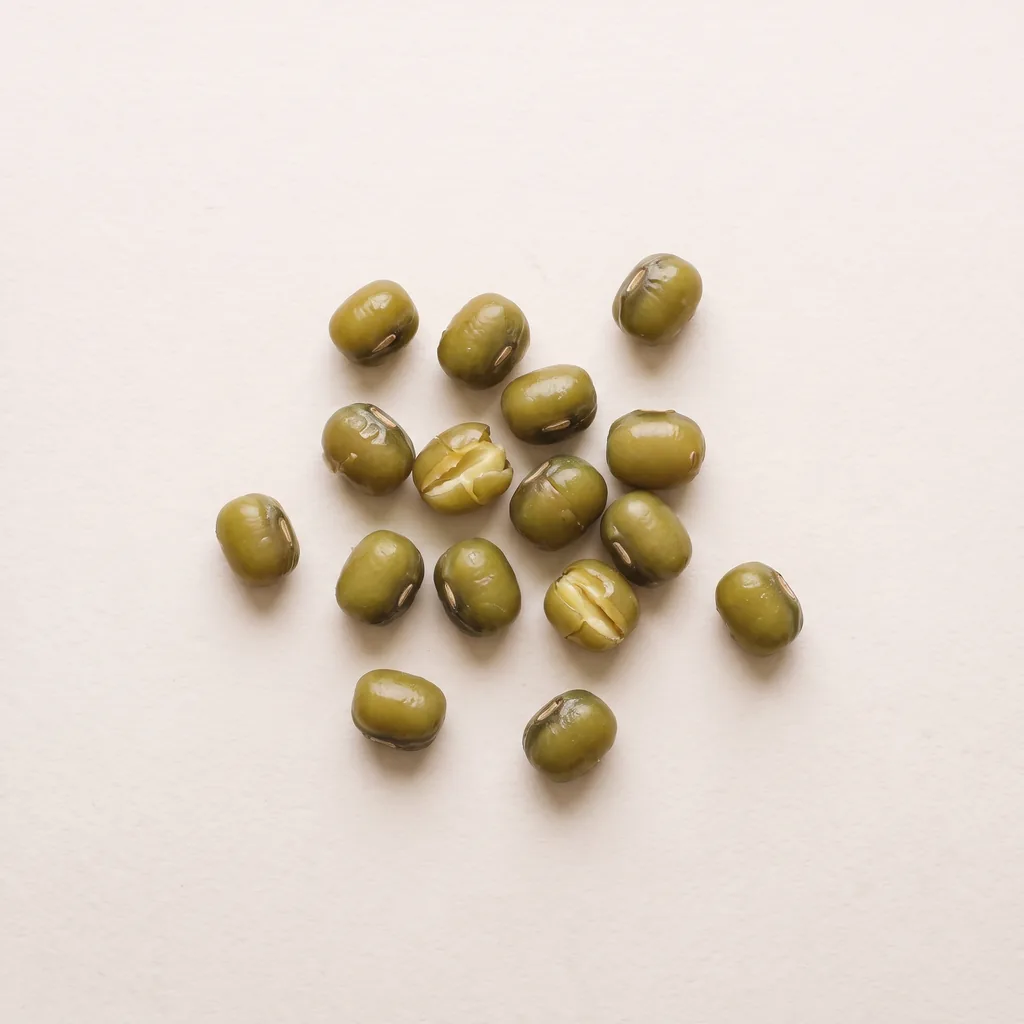
Allergic cross-reactions are possible between black-eyed peas and peanut, soy, chickpea, lentil and other legumes. But being allergic to one legume does not mean an allergy to the others will always develop.
Pollen-related cross-reactions can cause itching or tingling in the mouth in some people. Even so, do not assume that symptoms will always be mild.
Start with a small amount of fully cooked, mashed black-eyed peas.
Watch for possible signs of allergy. If there are no problems, you can increase the amount gradually.
If your baby has reacted to black-eyed peas before or has a known serious legume allergy, a doctor's assessment is recommended.
If widespread hives, swelling of the lips or tongue, repeated vomiting, wheezing or trouble breathing develop after eating, stop giving them. If you see signs of a serious reaction, call emergency services right away.
9 monthsCube
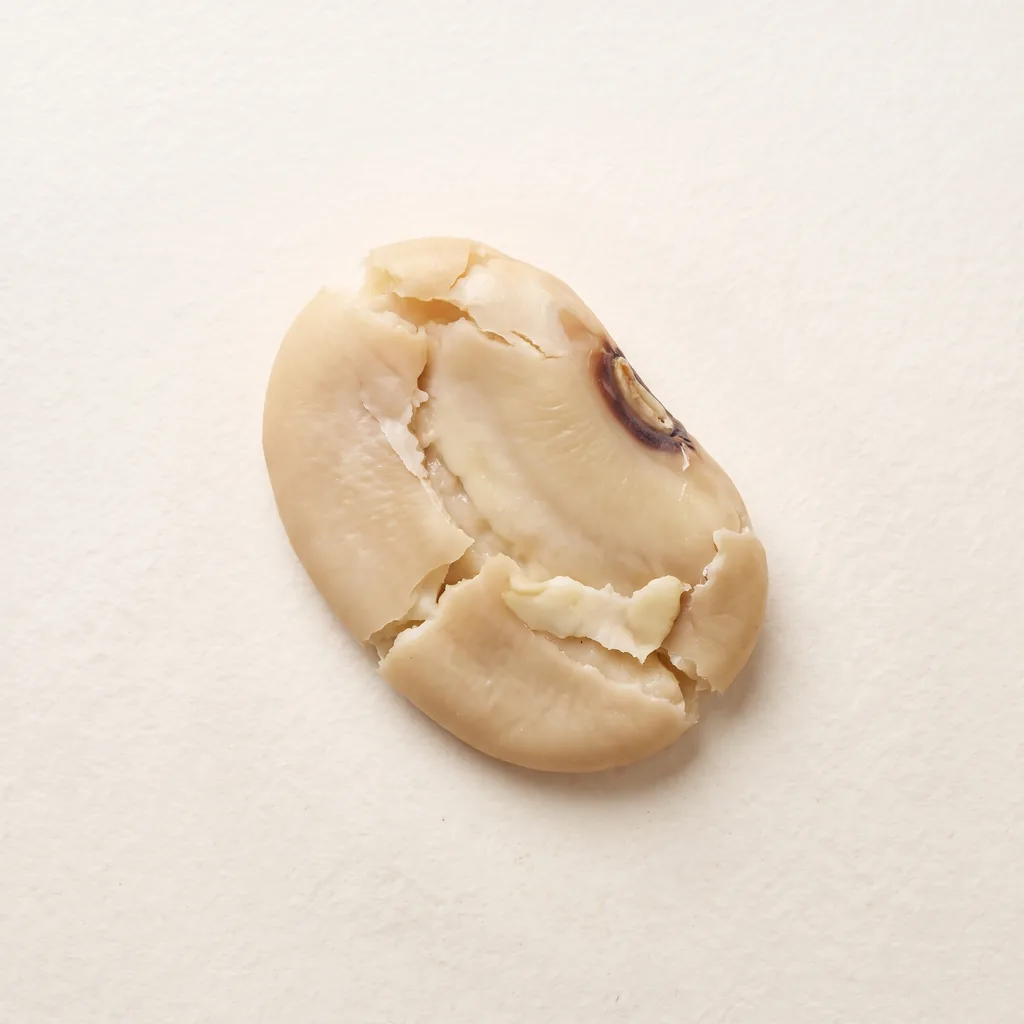
Cut: Flattened
Press each boiled pea flat with a finger before serving. Cook fresh pods and serve in small pieces. Unsalted olive oil black-eyed peas suit this age, with the peas mashed.
12 monthsCube
Cut: Flattened
Keep serving flattened peas, lightly salted black-eyed pea salad, and olive oil black-eyed peas. Whole peas are given mashed until age 4.
Whole black-eyed peas are small, round and slippery, so they can be a choking risk for babies. The risk is higher with firm or undercooked peas.
Cook black-eyed peas until fully soft.
At first, you can serve them well mashed or puréed. As your baby's chewing skills develop, you can flatten the peas with a fork.
Starting with purée is not required. What matters is that the peas are soft and prepared to suit your baby's skills.
Turning 1 year old does not automatically make whole black-eyed peas safe.
Your baby should sit upright and be watched by you throughout the meal.
Prepared by the Lokmini team | Last updated November 19, 2026
Join Lokmini to learn how this food is served at each age and to keep track of every food your baby tries.
Lokmini builds a day-by-day plan for your baby's age. Leave your email for new guides and our newsletter.
Start Your Journey