Skip to content

Dietitian's view

You can give yardlong bean well cooked from the 8th month.

Lokmini is not a healthcare provider and does not offer health services. For your baby's specific needs, talk to your doctor or a dietitian.

  • Legumes allergen
  • Legumes
  • 8 mo+
  • Medium choking risk

Yardlong bean for babies: when to start

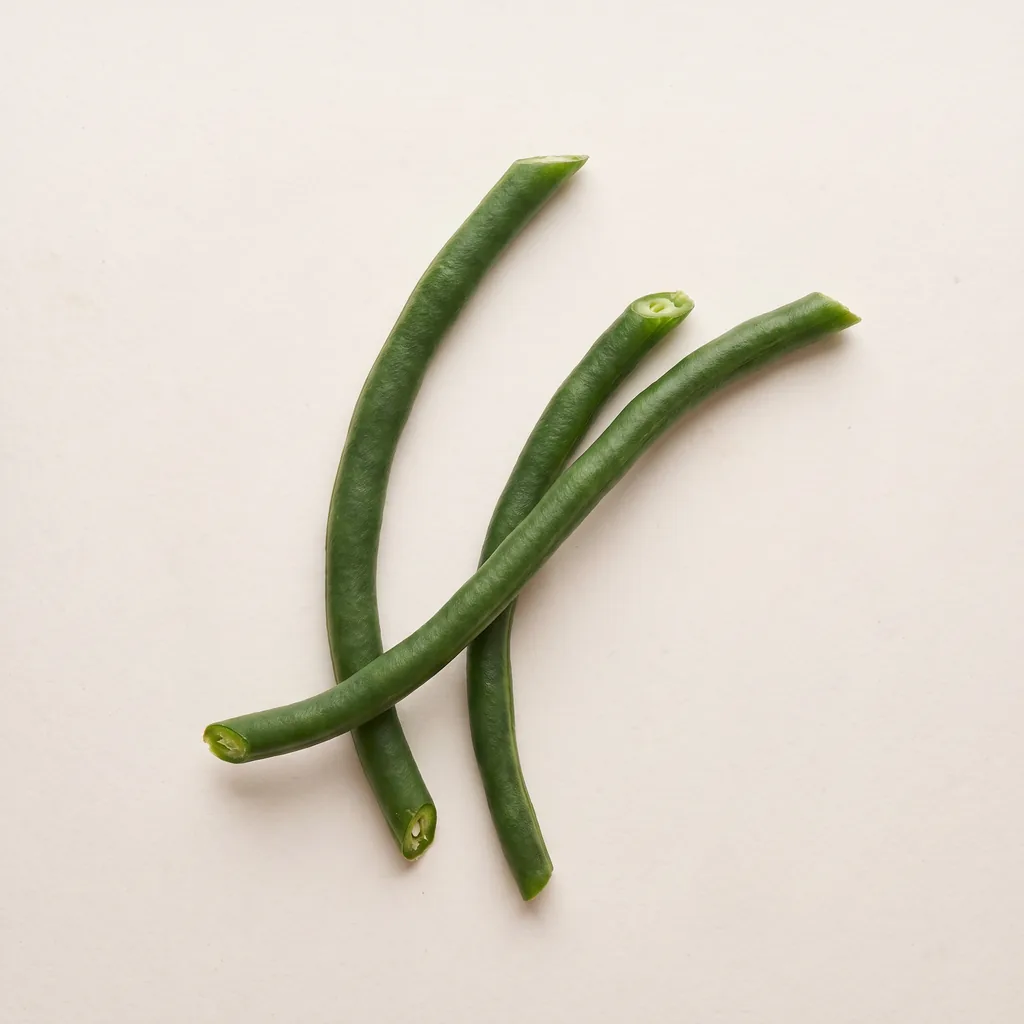
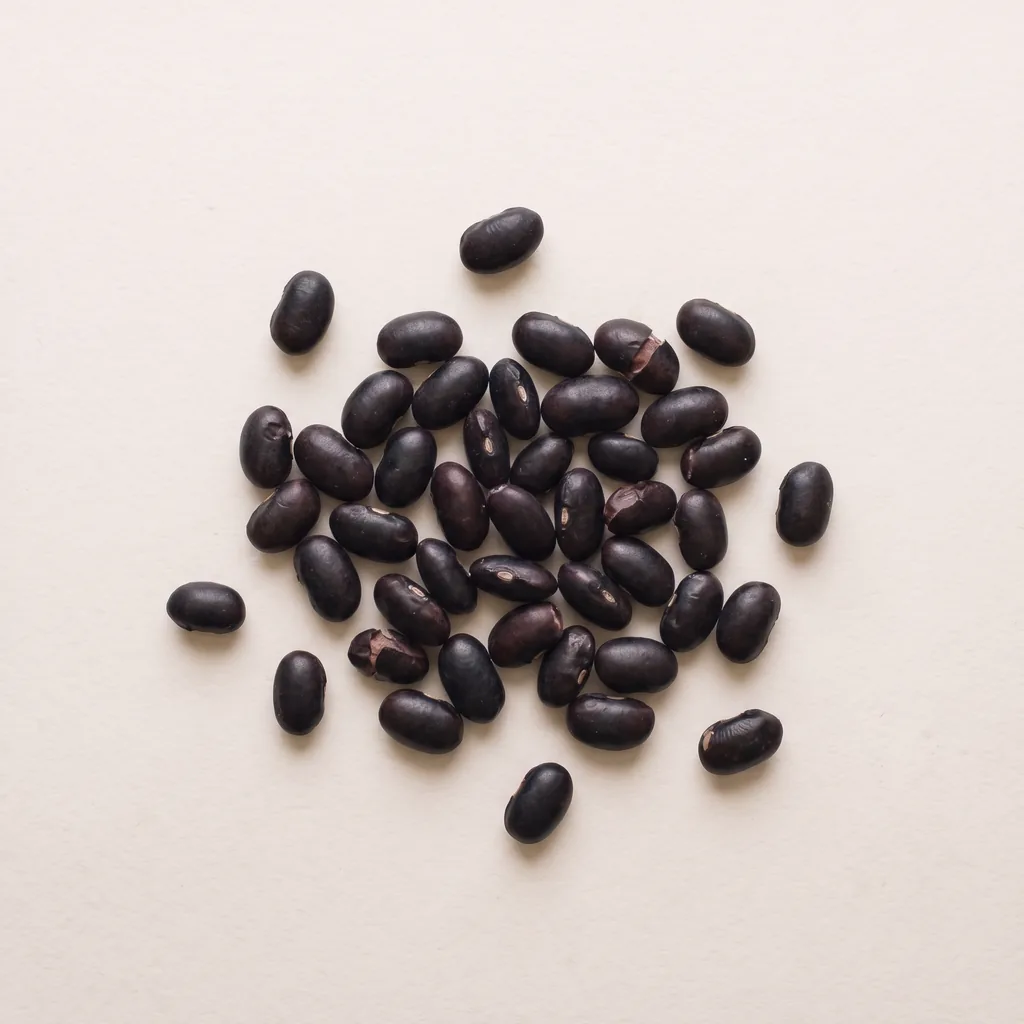
The yardlong bean (Vigna unguiculata subsp. sesquipedalis) is a variety of cowpea that grows long, thin pods. It is also known as Chinese long bean or snake bean.

  • Folate
  • Vitamin C
  • Fiber
  • Vitamin A
  • Omega-3 (plant-based)
Yardlong bean prepared for a babyAllergen, day 1/3

About yardlong bean

This variety of the cowpea plant, which traces back to Africa, is especially common in Asian cooking. Its pods can reach 30 to 90 cm long.

When your baby is ready for solids, usually around 6 months, you can serve yardlong beans well cooked and in a suitable texture.

Nutrition

Fresh yardlong bean pods contain vitamin C, folate and fiber. They also provide some potassium, magnesium and provitamin A carotenoids.

Compared with mature, dried cowpeas, yardlong beans contain more water, less protein and less energy. So fresh yardlong beans are not equal in nutrient value to dried legumes.

Cooking can lower the amount of vitamin C in particular. Yardlong beans should not be counted on as your baby's main source of protein or iron.

Also known as: yardlong bean, asparagus bean, Çin uzun fasulyesi, yılan fasulyesi, bodi, uzun börülce

  • Gluten-free
  • Vegan

Yardlong bean is offered 3 days in a row

So that any reaction can be linked to the right food, yardlong bean is offered 3 days in a row and no other new food is tried on those days.

  1. 1/3

    First taste

    Start with a small amount in the morning or around midday. Your baby is watched closely for 5 to 10 minutes after the first bite.

  2. 2/3

    Same food, same calm

    Yardlong bean is offered again the same way. No other new food is tried today.

  3. 3/3

    Introduction done

    If no reaction was seen, yardlong bean is now part of your baby's meals. It keeps being offered regularly.

Emergency

If your baby has trouble breathing or swelling of the face or tongue, call 911 (or your local emergency number) right away.

About yardlong bean allergy

Yardlong bean is not a common allergen. Because it is a kind of cowpea, though, cowpea allergy has been reported, rarely. Bean and pea allergy has also appeared in some people allergic to other legumes. Being allergic to one legume does not automatically mean being allergic to all of them, but it does raise the odds of reacting to more than one. Most people allergic to peanut or soy can eat other legumes such as yardlong beans without trouble.

People with birch pollen allergy and oral allergy syndrome may react to legumes, usually with brief itching, tingling or burning in the mouth, and a dangerous reaction is unlikely. Cooking lowers or removes the reaction.

First try

As with any new food, start with a small amount for the first few servings. If there is no reaction, increase it gradually.

How to prepare it by age

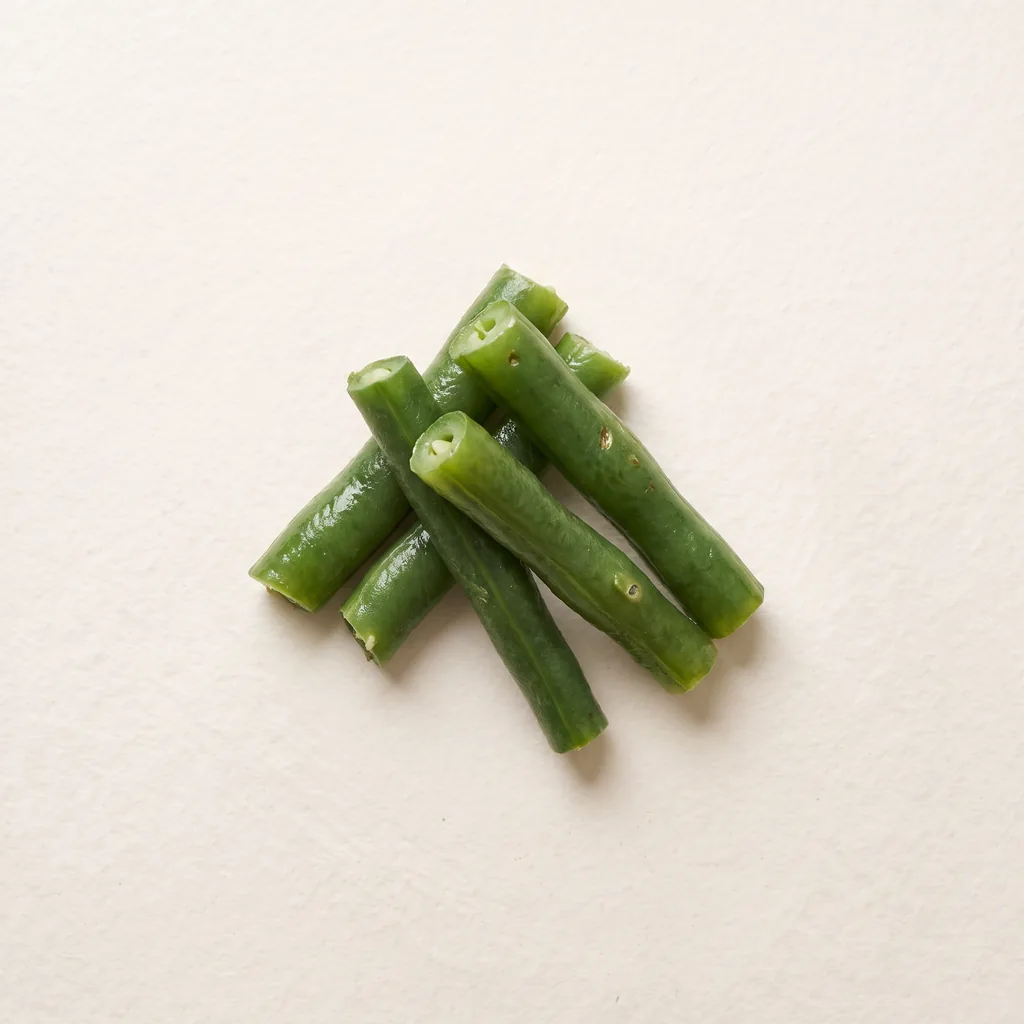
12 monthsCube

Yardlong bean prepared for 12 months

Cut: Bite sized piece

Serve cooked beans in bite-sized pieces, alone or within a family meal. Let your child eat with fingers or practice with a fork. After 18 months, long sections raw or cooked can be offered for biting and tearing practice.
Choking risk

  1. Low
  2. Medium
  3. High

The firm, stringy texture of yardlong beans can make them hard for young babies to chew.

Pieces that are not cooked enough may not squash easily in the mouth. Small, hard, round pieces can also be swallowed without chewing.

Cook the beans until completely soft. At first, you can serve them pureed or well mashed.

If you offer long pieces to a baby who feeds themselves, the pieces must squash easily and have no stringy fibers. Being long does not by itself make a piece safe.

Your baby should sit upright throughout the meal and stay under your constant supervision.

Frequently asked questions

What age can babies eat yardlong bean?

The yardlong bean (Vigna unguiculata subsp. sesquipedalis) is a variety of cowpea that grows long, thin pods. It is also known as Chinese long bean or snake bean.

Is yardlong bean a common allergen?

Yardlong bean is not a common allergen. Because it is a kind of cowpea, though, cowpea allergy has been reported, rarely. Bean and pea allergy has also appeared in some people allergic to other legumes. Being allergic to one legume does not automatically mean being allergic to all of them, but it does raise the odds of reacting to more than one. Most people allergic to peanut or soy can eat other legumes such as yardlong beans without trouble.

How do you prepare yardlong bean for babies?

For a 12-month-old: Serve cooked beans in bite-sized pieces, alone or within a family meal. Let your child eat with fingers or practice with a fork. After 18 months, long sections raw or cooked can be offered for biting and tearing practice.
Is yardlong bean a choking hazard for babies?

The firm, stringy texture of yardlong beans can make them hard for young babies to chew.

Can a child with peanut or soy allergy eat yardlong beans?

Most can, but it is an individual decision. Ask your pediatrician or an allergist.

Why serve long pieces?

Some babies find long, soft pieces easier to grasp and hold. But a long shape alone does not lower the choking risk. The beans need to be completely soft and prepared to suit your baby's feeding skills.

Prepared by the Lokmini team | Last updated November 19, 2026

Share:WhatsApp

Want to add this food to your baby's solid food calendar?

Join Lokmini to learn how this food is served at each age and to keep track of every food your baby tries.

Join Lokmini

Starting Solids

When and how to start solids, and what happens in the first week?

Read the guide

Similar foods

Let's get ready for the first bite together

Lokmini builds a day-by-day plan for your baby's age. Leave your email for new guides and our newsletter.

Start Your Journey