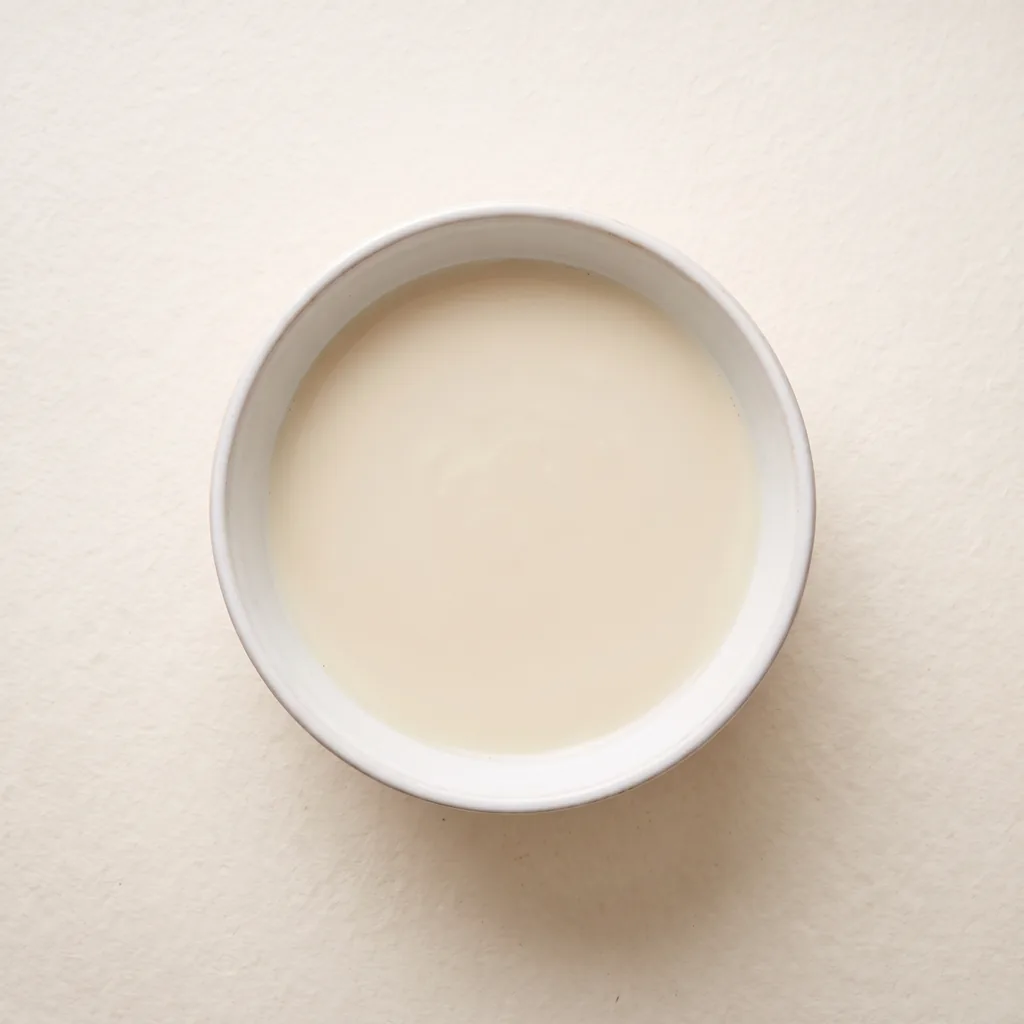
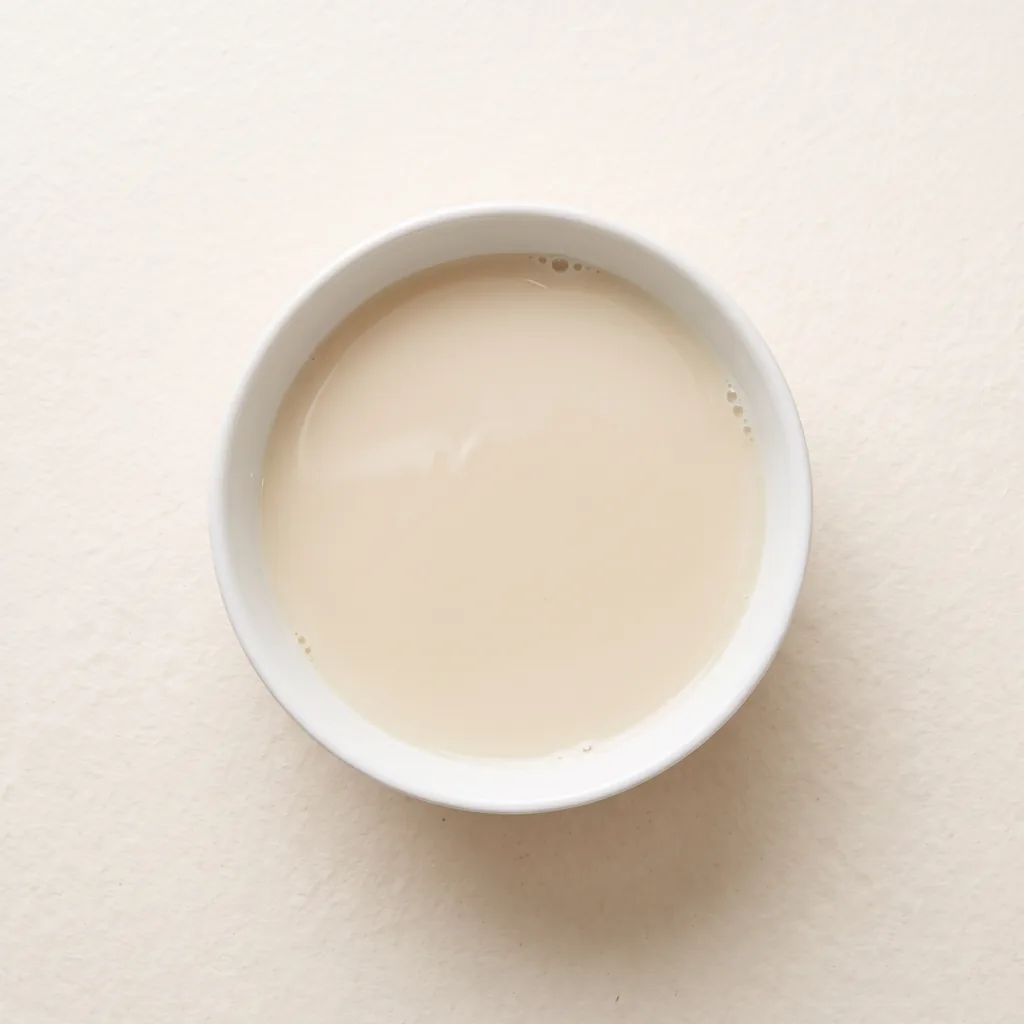
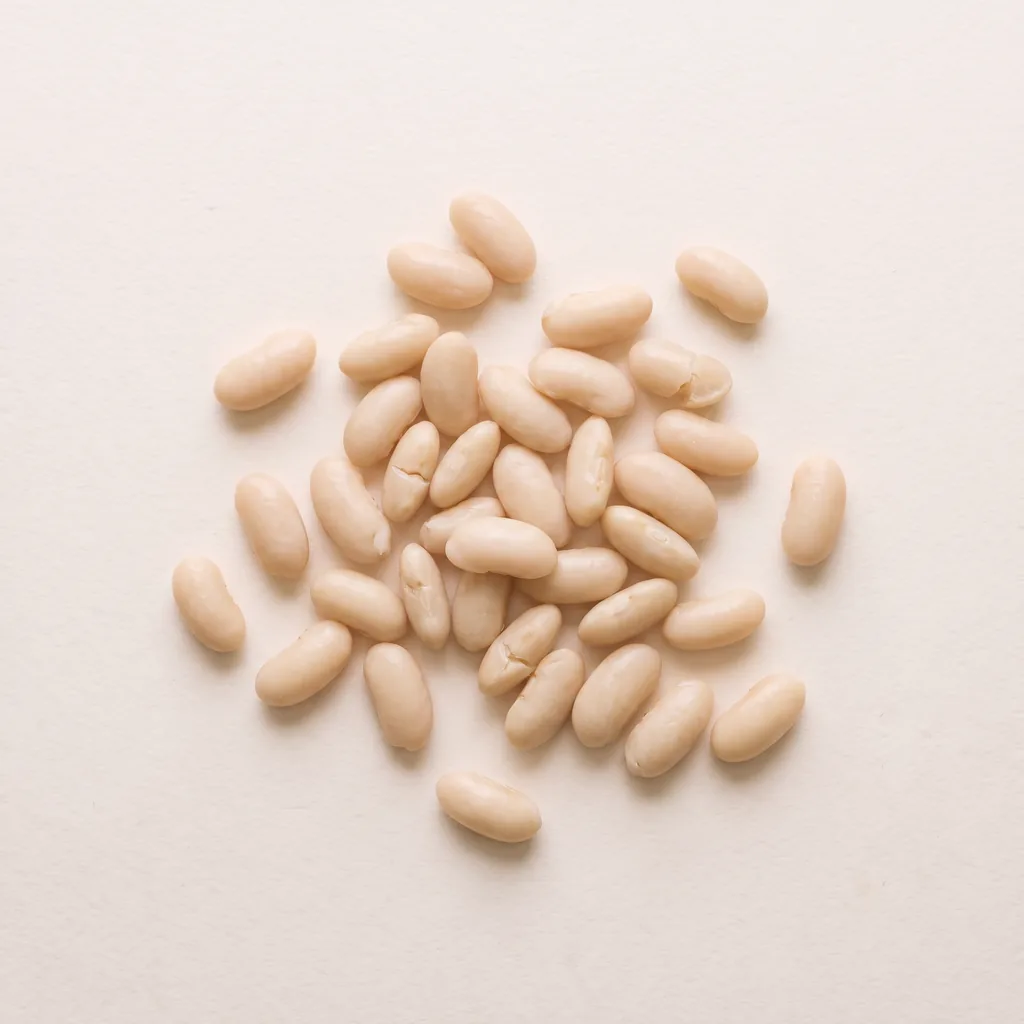
Soy is one of the major food allergens that can cause allergic reactions in babies. Soy milk also contains allergenic soy proteins.
Soy allergy can show up as hives, vomiting, swelling of the lips or breathing symptoms.
In some babies, soy can also cause food protein-induced enterocolitis syndrome (FPIES). In FPIES, repeated vomiting can occur, usually starting 1 to 4 hours after eating.
Some babies with cow's milk protein allergy may also have a soy allergy. So the use of soy products in babies with a milk allergy should be assessed individually.
Soy and peanut belong to the same legume family. However, a soy allergy does not necessarily mean a peanut allergy too.
First try
To introduce soy, you can use a small amount of plain soy yogurt, tofu in a suitable texture or soy milk mixed into food.
If possible, do not add other new allergens at the first try. Watch for possible symptoms, and if no problems appear, increase the amount gradually.
Once soy is tolerated, it can be a regular part of the diet. However, no exact weekly frequency has been established for lowering the chance of soy allergy.
If your baby has a known soy allergy, has reacted to soy before or has a history of soy-related FPIES, do not give soy milk without a doctor's assessment.
If widespread hives, swelling of the lips or tongue, wheezing or trouble breathing develop after eating, stop giving it. For signs of a serious reaction, call emergency services right away. Repeated vomiting, marked weakness or paleness that develop a few hours later also need urgent medical attention.
Soy milk cannot replace breast milk in the first year
Soy milk can be used in small amounts in recipes from about 6 months.
However, it should be offered as a drink only after 12 months. After 1 year, choose unsweetened kinds fortified with calcium and vitamin D.