Skip to content

Dietitian's view

String cheese is not a necessary food when there are other cheese options.

Lokmini is not a healthcare provider and does not offer health services. For your baby's specific needs, talk to your doctor or a dietitian.

  • Cow's milk allergen
  • Dairy
  • 12 mo+
  • High choking risk

String cheese for babies: when to start

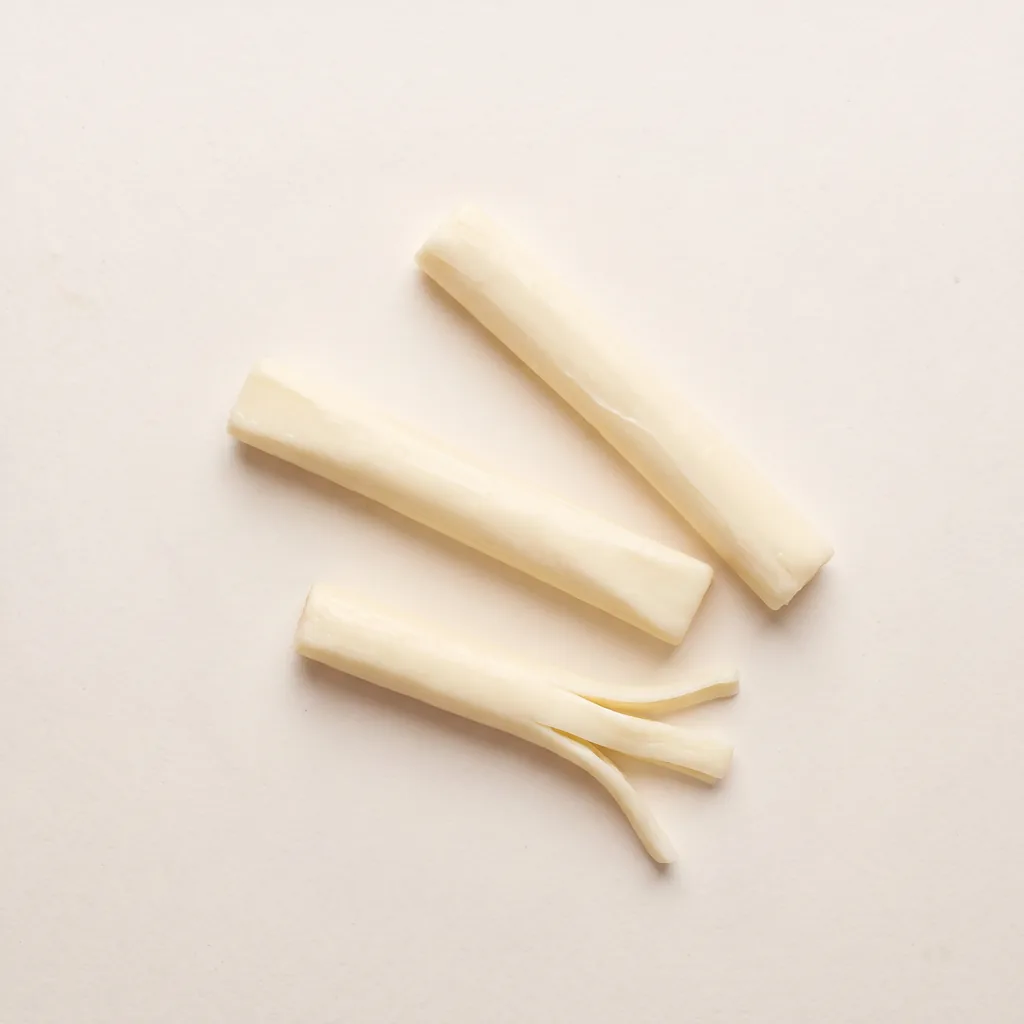
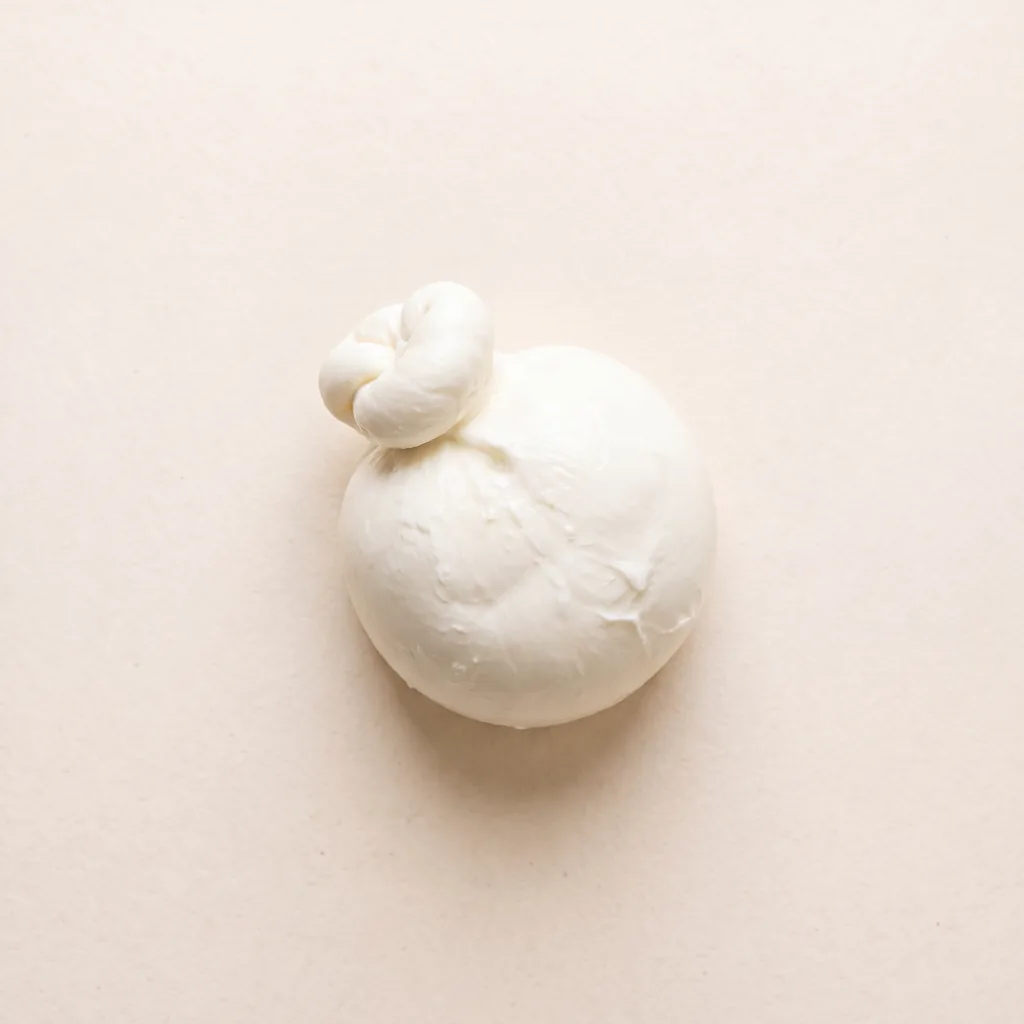
String cheese is a mild, salty cheese sold in sticks that you pull apart into fibers. It is best introduced after your baby's first birthday. Its rubbery texture, slick surface and round shape make choking risk very high. That is why you must change its form before serving.

  • Calcium
  • Protein
  • Vitamin B12
  • Zinc
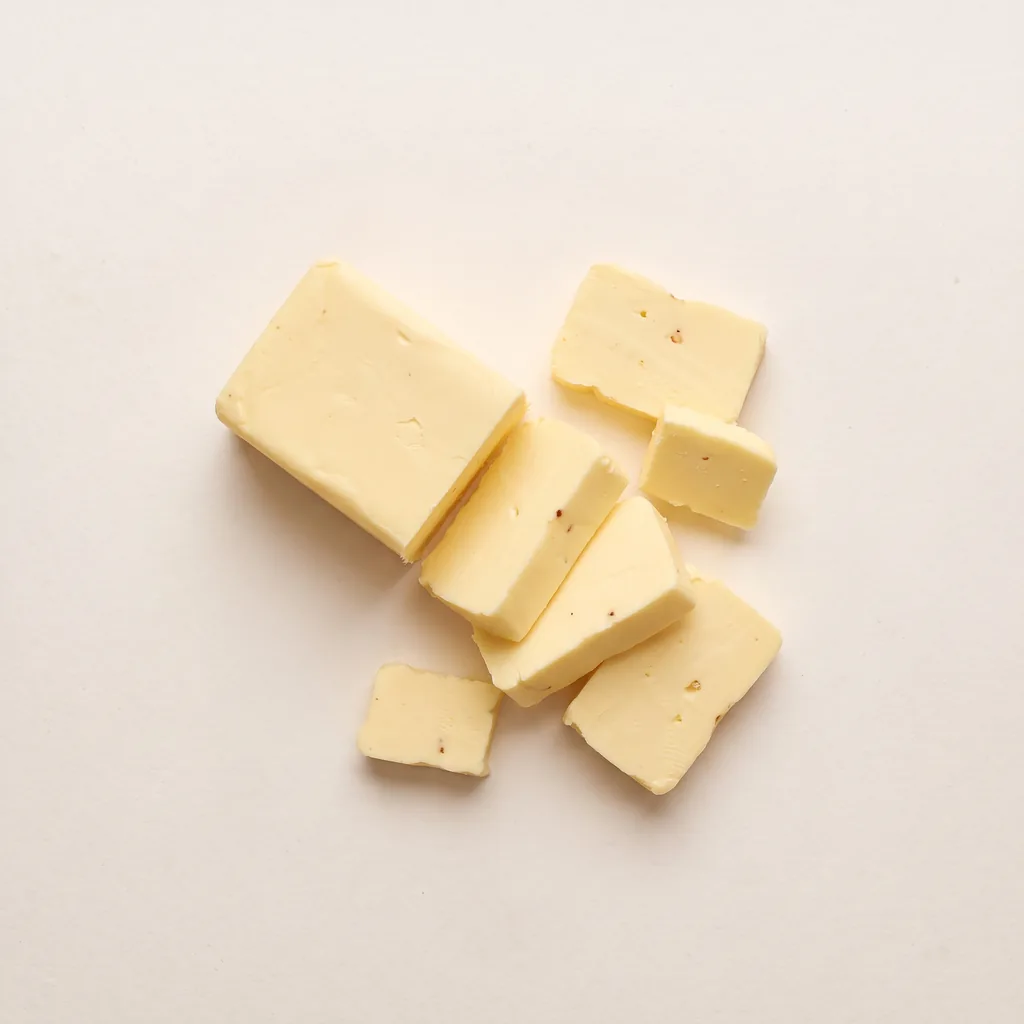
String cheese prepared for a babyAllergen, day 1/3

About string cheese

For babies under 12 months, pasteurized, low-salt cheeses suit better.

Not before 12 months

The choking risk is high, and the salt level is above what infant diets should carry.

Nutrition

Packaged sticks can provide good amounts of calcium, depending on the brand. They also bring vitamin B12, zinc, protein and fat. Salt can run high. Read the label.

How it is made

Milk is warmed and then curdled with an agent like rennet or lemon juice. The curds are drained, pressed and shaped into sticks. The method of turning milk into stretchy cheese is far older than packaged sticks. Braided, ball and round versions exist in Russia, Mexico and Georgia.

Also known as: string cheese, string peynir, lifli peynir, çubuk peynir, çekme peynir

  • Gluten-free
  • Vegetarian
  • Contains dairy

String cheese is offered 3 days in a row

So that any reaction can be linked to the right food, string cheese is offered 3 days in a row and no other new food is tried on those days.

  1. 1/3

    First taste

    Start with a small amount in the morning or around midday. Your baby is watched closely for 5 to 10 minutes after the first bite.

  2. 2/3

    Same food, same calm

    String cheese is offered again the same way. No other new food is tried today.

  3. 3/3

    Introduction done

    If no reaction was seen, string cheese is now part of your baby's meals. It keeps being offered regularly.

Emergency

If your baby has trouble breathing or swelling of the face or tongue, call 911 (or your local emergency number) right away.

About string cheese allergy

FPIES warning

It is one of the known triggers of FPIES (a delayed-onset food allergy). In this condition, repeated severe vomiting, pallor and lethargy may occur, usually 1-4 hours after the food is eaten. Diarrhea may appear later. These symptoms require urgent medical evaluation.

String cheese is usually made from cow's milk. Cow's milk is a frequent food allergen in young children. Dairy from sheep, goat and buffalo can cause similar reactions. The good news is that most children outgrow milk allergy by age six. Many babies with mild milk protein allergy can retry cow's milk from the first birthday with a doctor's guidance.

Milk can also trigger a delayed allergy called FPIES. Repeated vomiting and diarrhea start a few hours after eating. Without treatment, fluid loss becomes serious. FPIES that starts early is usually outgrown between ages 3 and 5.

Lactose intolerance is not an allergy. It causes stomach pain, bloating and diarrhea. It is uncommon in babies and toddlers. Aged cheeses hold less lactose.

If you suspect a milk allergy, talk to an allergist before offering cheese. The allergist may order testing or supervise the first taste at the clinic. For low-risk babies, trying it at home may be advised. Offer a small amount alone for the first servings. If there is no reaction, increase it slowly.

Allergen label

This food contains cow's milk.

How to prepare it by age

12 monthsStrip or cube
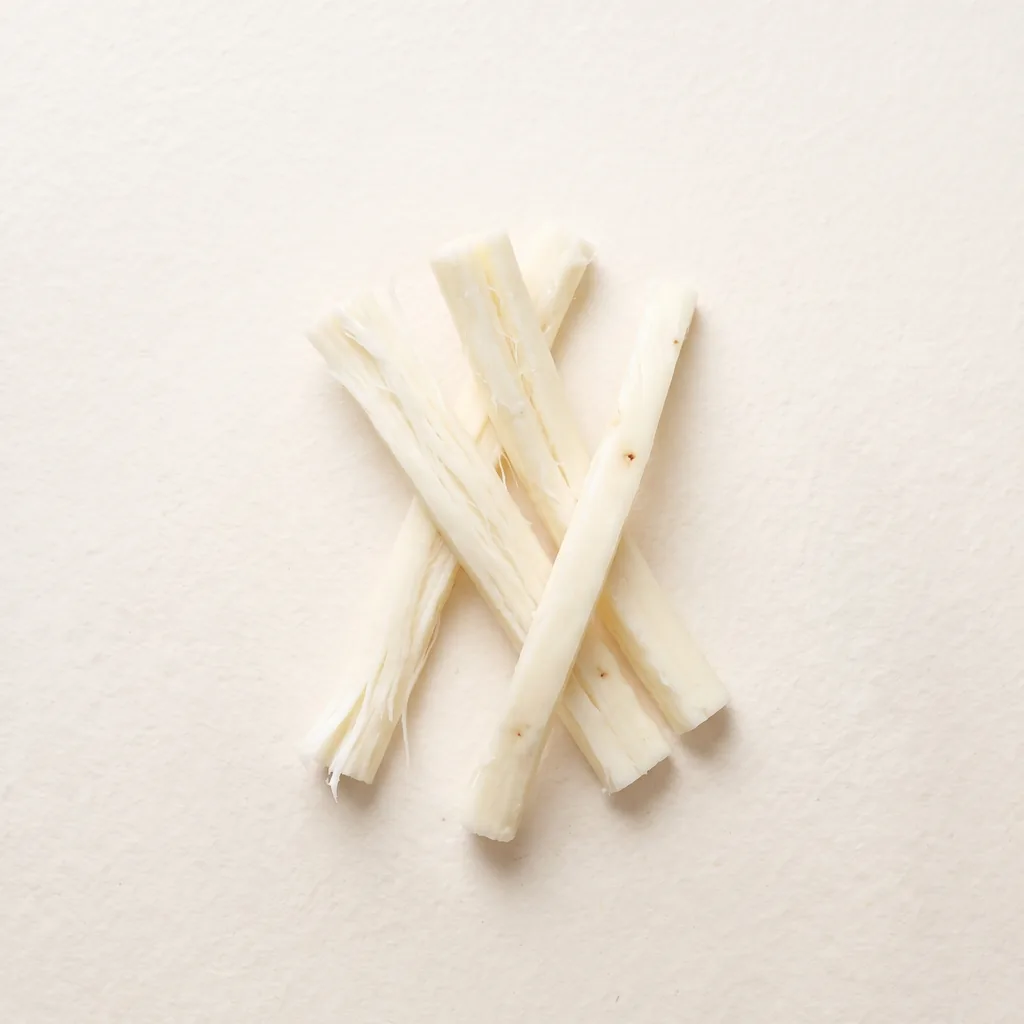
String cheese prepared for 12 months

Cut: Shredded

Pull the cheese lengthwise into thin strands with your hands. The cylinder shape should be gone. Long strands give practice in biting and tearing. Show your child how you pull it apart. Serve only while your child sits and you are beside them.

Cut: Bite sized piece

Pull the cheese into thin strands first, then tear small bites from the strands. This shape helps children who tend to overstuff their mouths. Do not cut cubes or round coins. These shapes raise the risk.
Choking risk

  1. Low
  2. Medium
  3. High

Cheese in general carries a choking risk. String cheese carries more, because it is rubbery, slick and round. Pull it into long, thin strands before serving. Avoid cubes and round coins.

Stay within arm's reach during meals and set up a safe eating space.

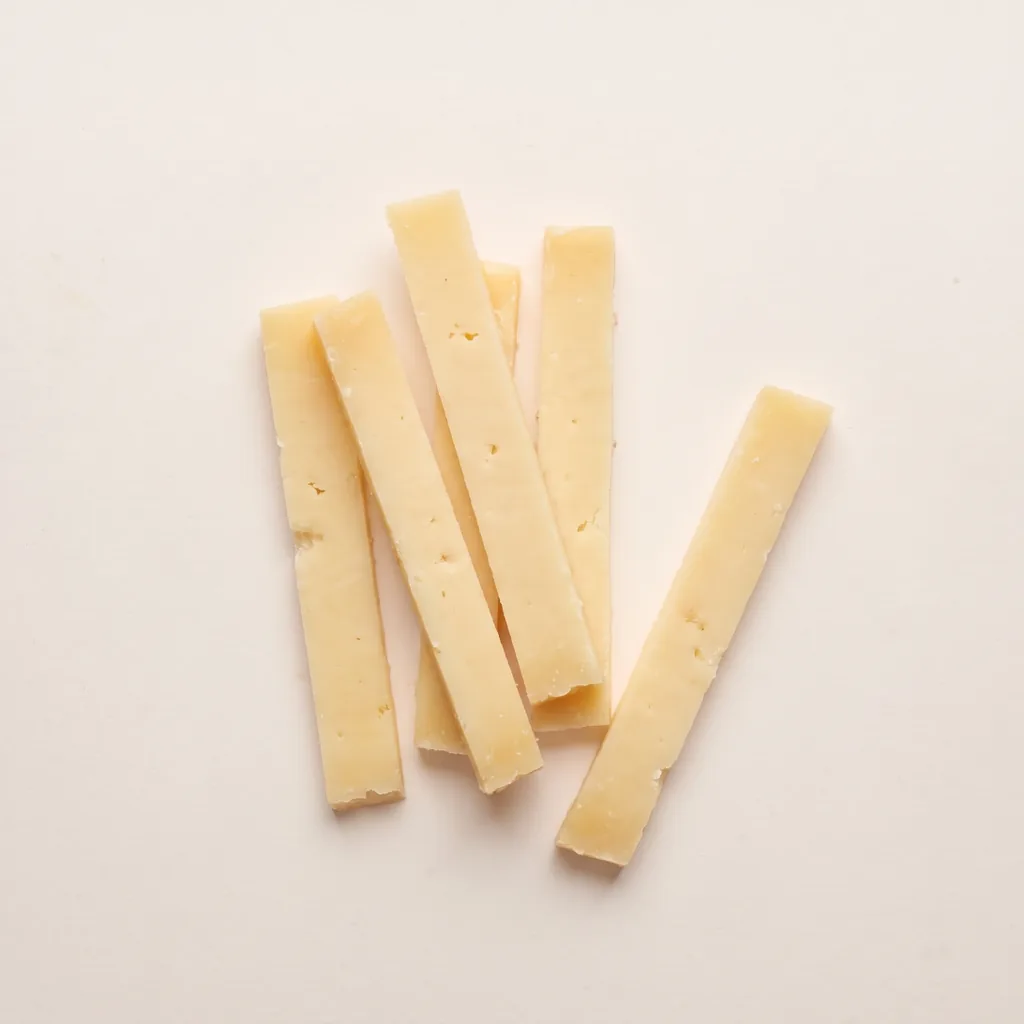
Riskiest forms

Whole sticks, cubes and round coins can block the airway.

Frequently asked questions

Is string cheese a common allergen?

String cheese is usually made from cow's milk. Cow's milk is a frequent food allergen in young children. Dairy from sheep, goat and buffalo can cause similar reactions. The good news is that most children outgrow milk allergy by age six. Many babies with mild milk protein allergy can retry cow's milk from the first birthday with a doctor's guidance.

How do you prepare string cheese for babies?

For a 12-month-old: Pull the cheese lengthwise into thin strands with your hands. The cylinder shape should be gone. Long strands give practice in biting and tearing. Show your child how you pull it apart. Serve only while your child sits and you are beside them.

Is string cheese a choking hazard for babies?

Cheese in general carries a choking risk. String cheese carries more, because it is rubbery, slick and round. Pull it into long, thin strands before serving. Avoid cubes and round coins.

When can a baby eat string cheese?

After the first birthday, pulled into thin strands. In younger babies the choking risk and the salt level are high.

Why shouldn't I cut it into coins?

A round coin can lodge in the airway and raises the risk. Pulling the cheese into long, thin strands is safer.

Is string cheese healthy?

It depends on the product. For children it gives calcium, vitamin B12, zinc and protein. The salt can be high. Read the label and skip it for babies.

Is it the same as Turkish tel peyniri?

No. This page covers a packaged, stick-shaped cheese. Turkish tel peyniri is a different product and is usually saltier.

Prepared by the Lokmini team | Last updated November 17, 2026

Share:WhatsApp

Want to add this food to your baby's solid food calendar?

Join Lokmini to learn how this food is served at each age and to keep track of every food your baby tries.

Join Lokmini

Starting Solids

When and how to start solids, and what happens in the first week?

Read the guide

Similar foods

Let's get ready for the first bite together

Lokmini builds a day-by-day plan for your baby's age. Leave your email for new guides and our newsletter.

Start Your Journey