Skip to content

Dietitian's view

Give butter unsalted and in a very small amount.

Uzm. Dyt. Berk AysanPrepared the latest update, November 14, 2026

Lokmini is not a healthcare provider and does not offer health services. For your baby's specific needs, talk to your doctor or a dietitian.

  • Cow's milk allergen
  • Dairy
  • 6 mo+
  • Low choking risk

Butter for babies: when to start

Butter can be used in small amounts in meals once your baby is ready for solids, usually around 6 months. It is a dairy product, so watch for milk allergy.

  • Healthy fats
  • Vitamin A
  • Vitamin D
  • Vitamin E
  • Vitamin K
  • Omega-3
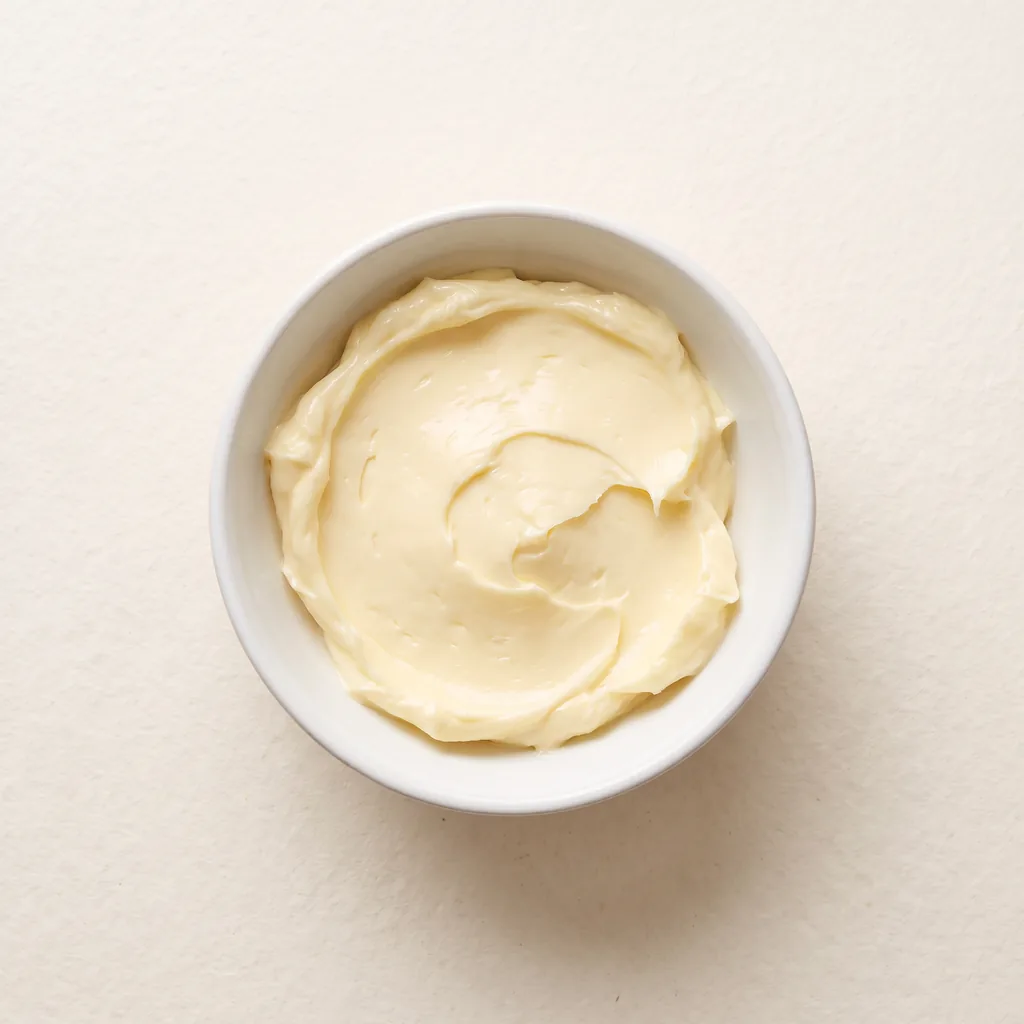
Butter prepared for a babyAllergen, day 1/3

About butter

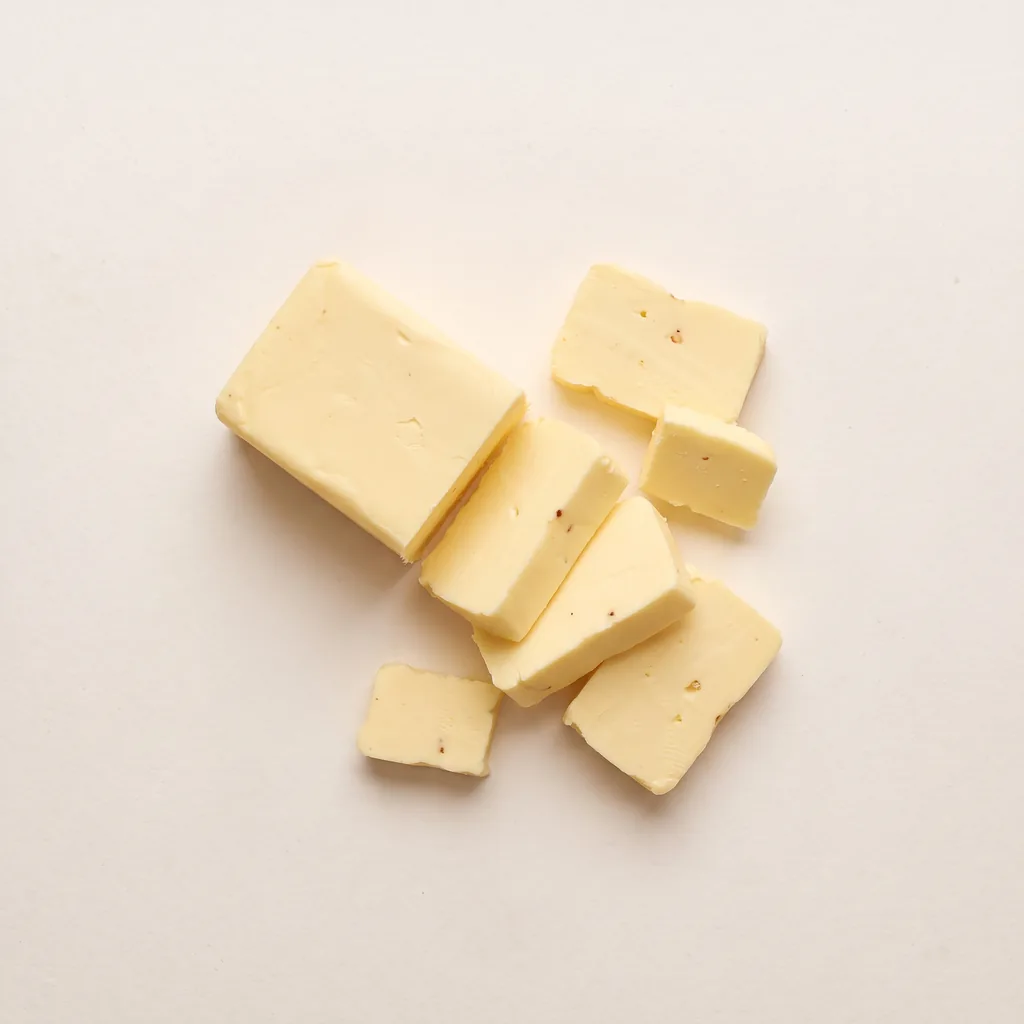
Butter is made by churning milk or cream so the fat separates. It is usually made from cow's milk, but it can also be made from sheep, goat or buffalo milk.

It is used in many cuisines around the world to add flavor and texture to food. There are also types such as ghee.

In a baby's diet, butter can be added in small amounts to vegetable purees, cereal porridges and various dishes. But it is not recommended as the only main fat source.

Nutrition

Butter is high in fat, so it is an energy-dense food. About 5 grams of butter contains 36 kilocalories.

Most of the fat in butter is saturated fatty acids. It also contains monounsaturated and small amounts of polyunsaturated fatty acids.

Butter contains vitamin A.

Vitamins D, E and K and omega-3 fatty acids can also be found in butter, but the amounts vary and butter should not be seen as a main source of these nutrients.

Babies need enough fat while they grow and develop. Still, the type of fat matters too. Adding variety with olive oil and other suitable unsaturated fat sources is better than relying on butter alone.

Also known as: ghee, sade yağ, tereyag

  • Gluten-free
  • Vegetarian
  • Contains dairy

Butter is offered 3 days in a row

So that any reaction can be linked to the right food, butter is offered 3 days in a row and no other new food is tried on those days.

  1. 1/3

    First taste

    Start with a small amount in the morning or around midday. Your baby is watched closely for 5 to 10 minutes after the first bite.

  2. 2/3

    Same food, same calm

    Butter is offered again the same way. No other new food is tried today.

  3. 3/3

    Introduction done

    If no reaction was seen, butter is now part of your baby's meals. It keeps being offered regularly.

Emergency

If your baby has trouble breathing or swelling of the face or tongue, call 911 (or your local emergency number) right away.

About butter allergy

FPIES warning

It is one of the known triggers of FPIES (a delayed-onset food allergy). In this condition, repeated severe vomiting, pallor and lethargy may occur, usually 1-4 hours after the food is eaten. Diarrhea may appear later. These symptoms require urgent medical evaluation.

Butter is a dairy product and can contain milk proteins, even in trace amounts. So it should be treated as a milk allergen.

Butter being mostly fat does not make it safe for babies with cow's milk allergy.

Butter made from goat, sheep or buffalo milk is not automatically a safe alternative for babies with cow's milk allergy either.

When ghee is made, most of the milk proteins are removed, but traces can remain. So with a diagnosed milk allergy, do not use it without talking to your doctor or a dietitian.

Milk allergy and lactose intolerance are different conditions. Butter usually contains very little lactose, but low lactose does not mean it is safe with a milk allergy.

When you offer it for the first time, start with a small amount and watch how your baby responds.

Signs of an allergic reaction can include hives, lip swelling, vomiting, coughing or wheezing. For serious signs such as trouble breathing or swelling of the tongue or throat, call emergency services right away.

If your baby has a diagnosed milk allergy or has reacted to dairy before, do not try butter before talking to your doctor or a dietitian.

How to prepare it by age

6 monthsMash

Butter prepared for 6 months

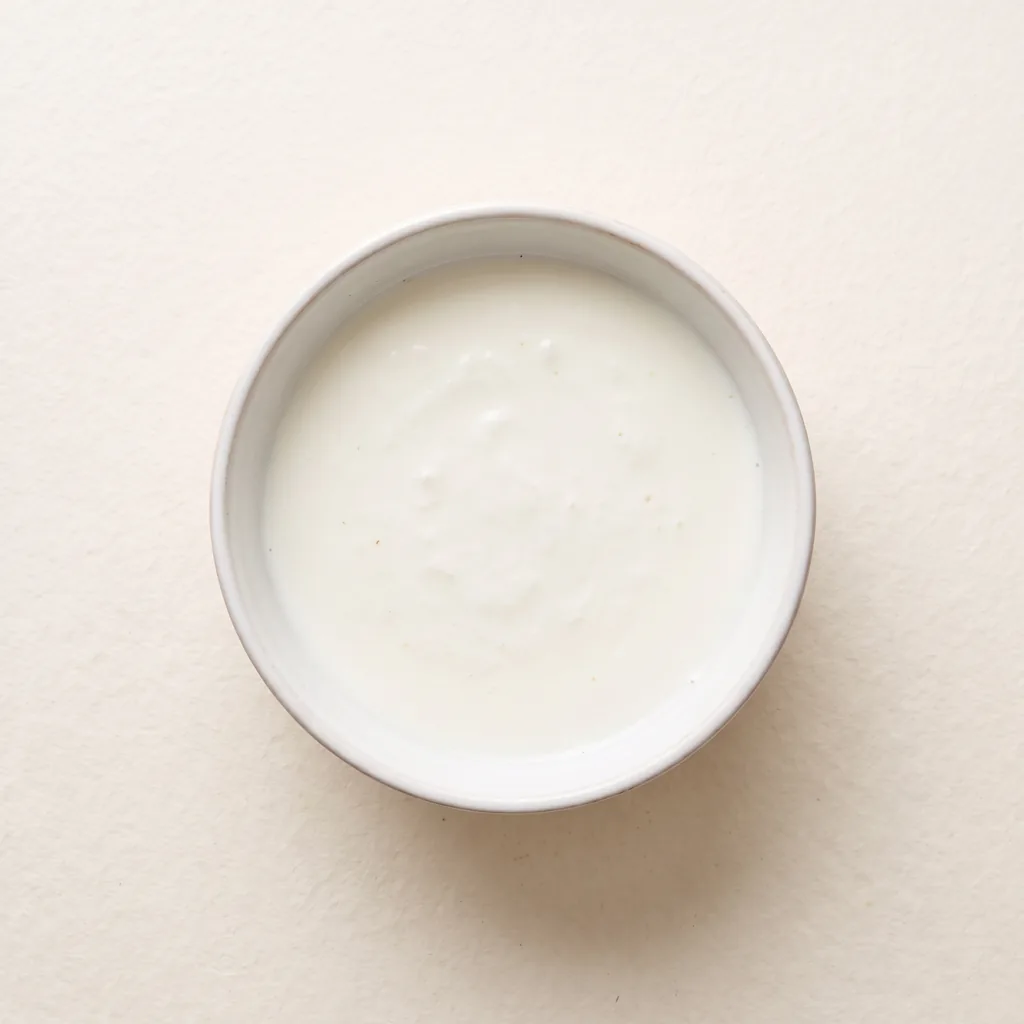
Stir a small piece of unsalted butter into vegetable purée, bulgur or oat porridge and let it melt. Fat matters for your baby's energy needs. The measure is half a teaspoon per serving. It contains traces of cow's milk protein, so ask the doctor if your baby has a milk allergy.

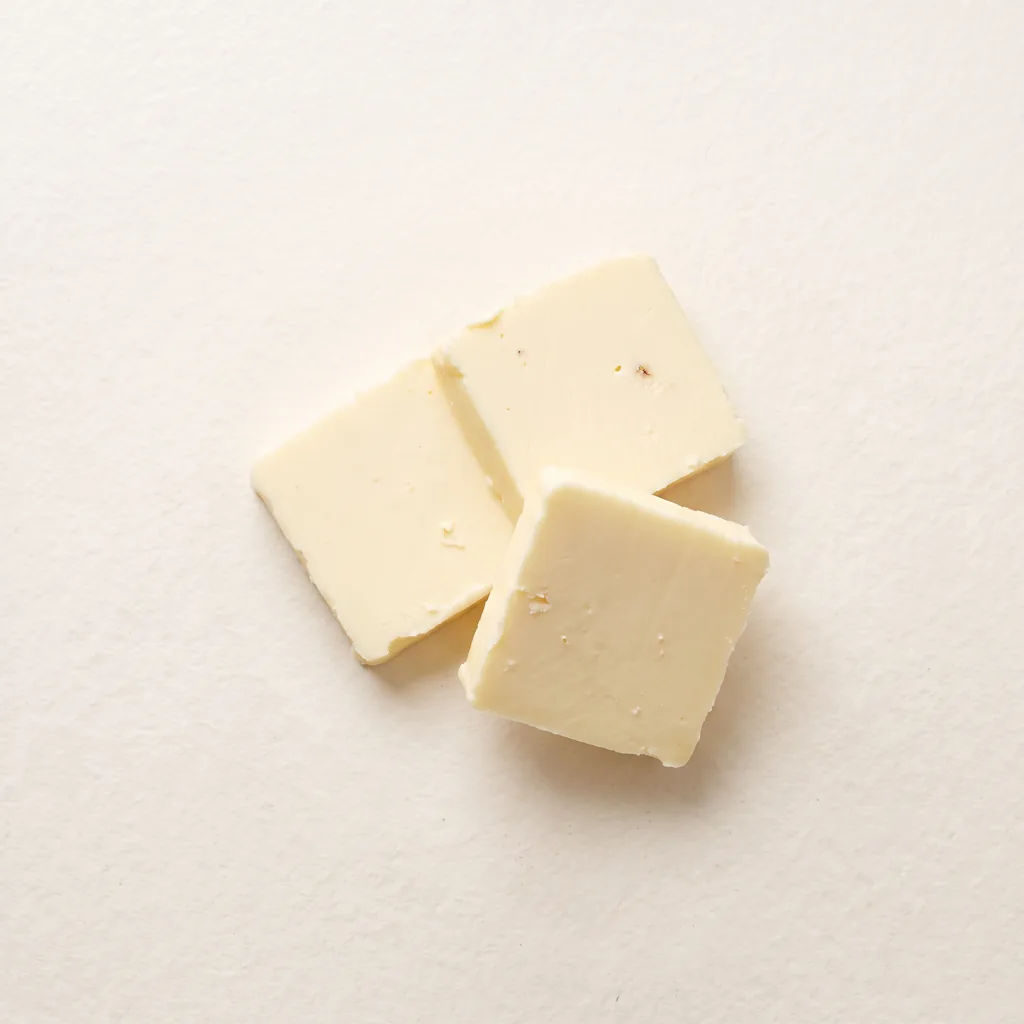
9 monthsMash

Butter prepared for 9 months

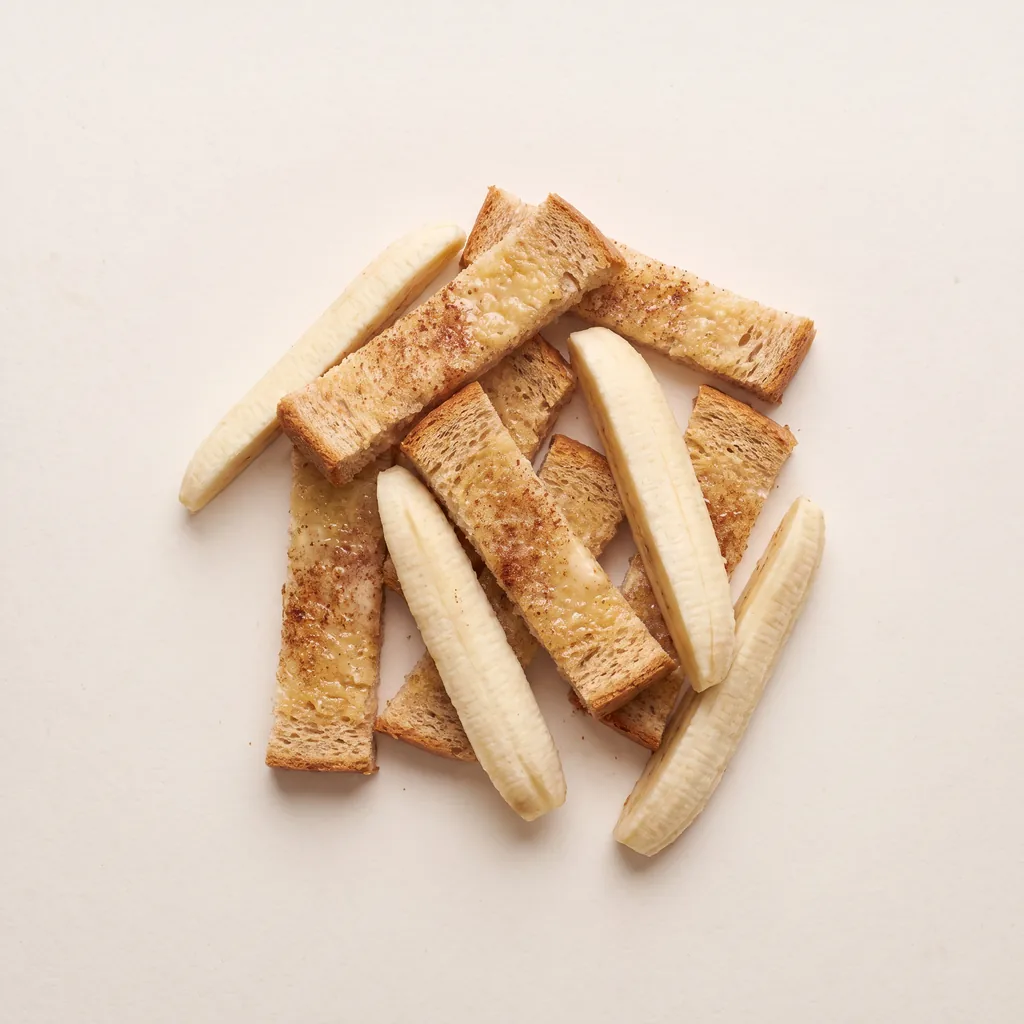
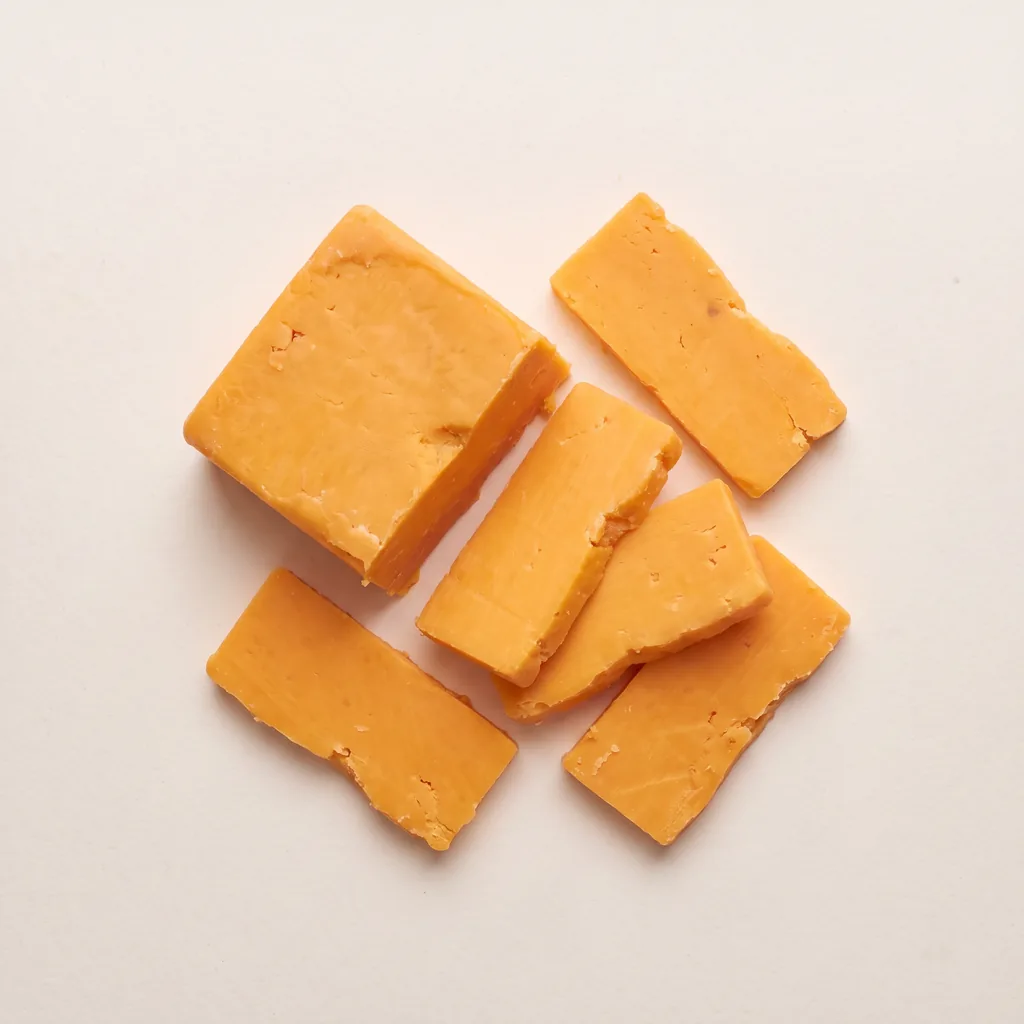
Keep using a small amount of unsalted butter when cooking vegetables and grains, or spread it very thinly on a soft strip of bread. Thick butter is never served alone as a bite.

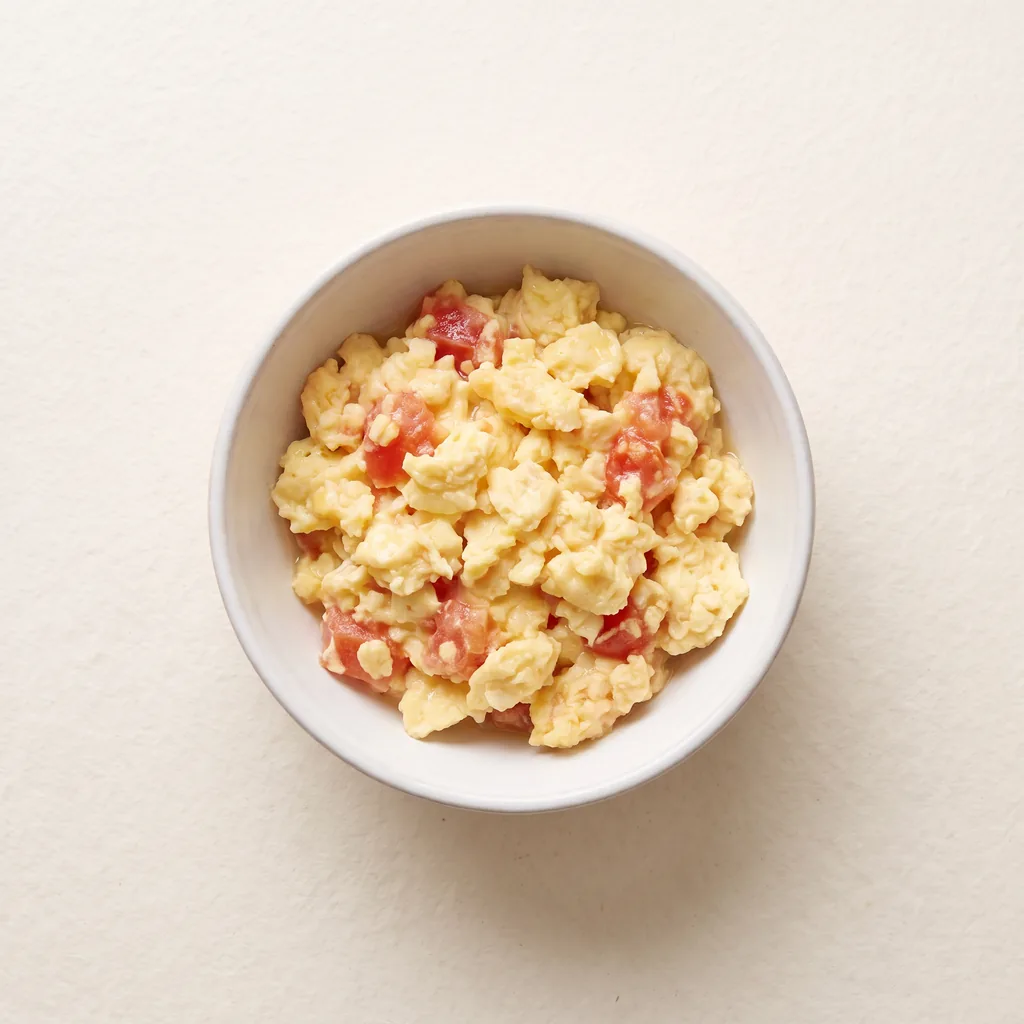
12 monthsMash

Butter prepared for 12 months

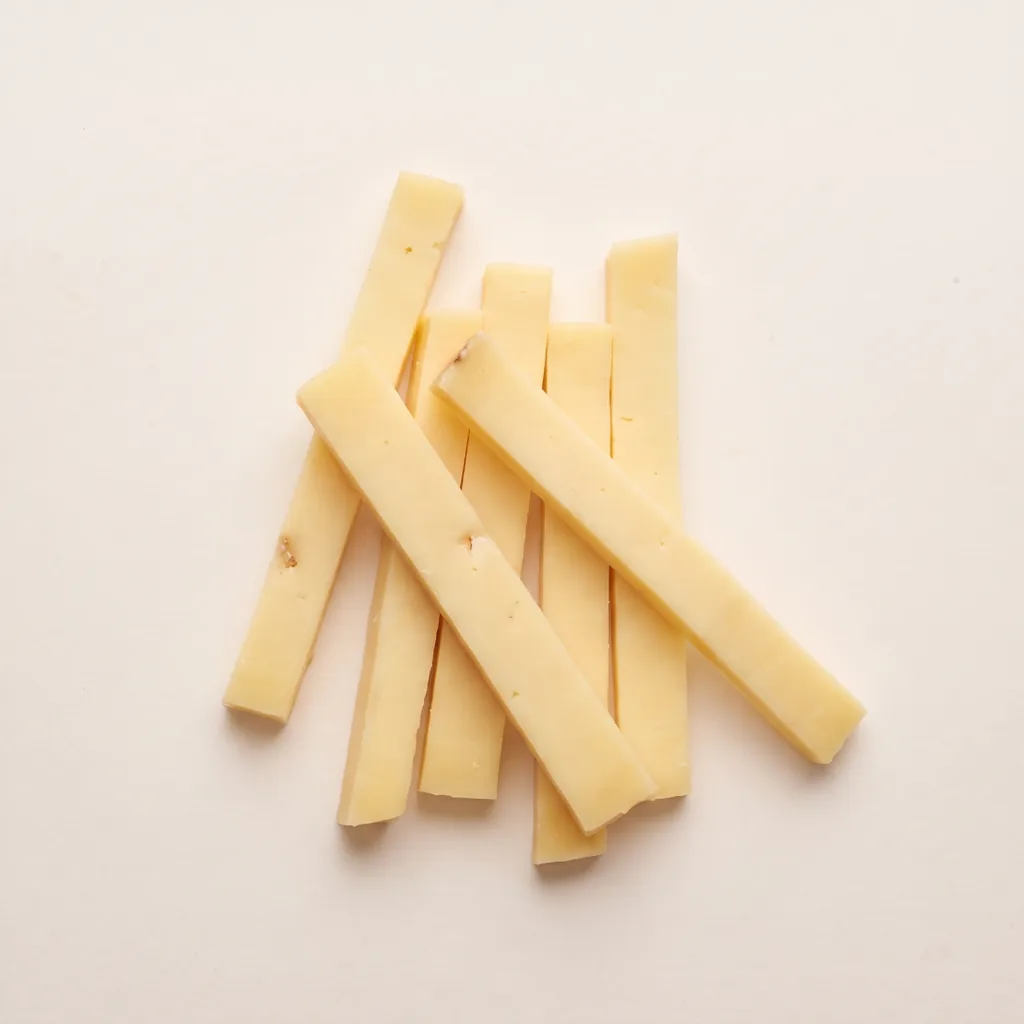
Keep using unsalted butter in moderation in meals and on bread. Choose unsalted butter and olive oil over salted butter and margarine.

Choking risk

  1. Low
  2. Medium
  3. High

Butter carries a low choking risk when it is soft or melted and mixed into food.

But hard pieces of butter straight from the fridge can be hard for your baby to manage in the mouth.

Mix butter evenly into food or spread it in a thin layer on suitable bread.

The safety of dishes made with butter also depends on the texture of the other ingredients.

Your baby should sit upright and supported during meals, eat at their own pace and never be left unattended.

Frequently asked questions

Is butter a common allergen?

Butter is a dairy product and can contain milk proteins, even in trace amounts. So it should be treated as a milk allergen.

How do you prepare butter for babies?

For a 6-month-old: Stir a small piece of unsalted butter into vegetable purée, bulgur or oat porridge and let it melt. Fat matters for your baby's energy needs. The measure is half a teaspoon per serving. It contains traces of cow's milk protein, so ask the doctor if your baby has a milk allergy.

Is butter a choking hazard for babies?

Butter carries a low choking risk when it is soft or melted and mixed into food.

When can babies have butter?

Once your baby is ready for solids, usually around 6 months, it can be used in small amounts in meals.

How much butter can I give my baby?

There is no single amount that applies to every baby. Use butter in small amounts, and include different fat sources in your baby's total fat intake.

Can I use salted butter?

Choose unsalted butter for babies. This helps cut down on sodium they do not need.

Can babies have ghee (clarified butter)?

Yes, it can be used in small amounts in meals. But milk proteins may remain, so it should not be considered safe for babies with a milk allergy.

Is butter a source of vitamin D?

It can contain a small amount of vitamin D, but it is not a reliable source for meeting your baby's vitamin D needs.

Should I choose butter or olive oil?

Both can be used in meals. But in terms of fatty acid makeup, olive oil contains more monounsaturated fat. So rather than making butter the only fat source, it is good to include olive oil too.

Can a baby with a milk allergy eat butter?

Do not give it without talking to your doctor or a dietitian first. Butter can contain small amounts of milk protein and can cause an allergic reaction.
Share:WhatsApp

Want to add this food to your baby's solid food calendar?

Join Lokmini to learn how this food is served at each age and to keep track of every food your baby tries.

Join Lokmini

Starting Solids

When and how to start solids, and what happens in the first week?

Read the guide

Similar foods

Let's get ready for the first bite together

Lokmini builds a day-by-day plan for your baby's age. Leave your email for new guides and our newsletter.

Start Your Journey