9 monthsCube
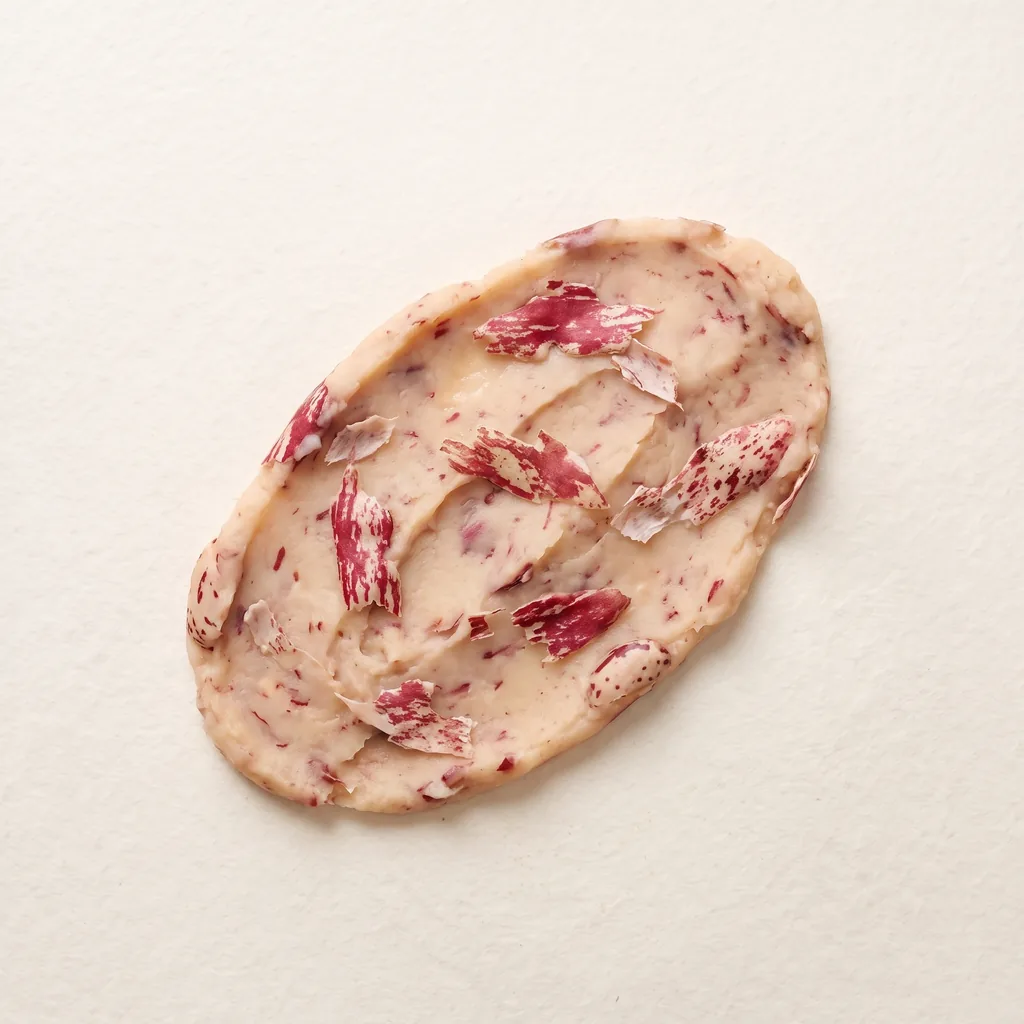
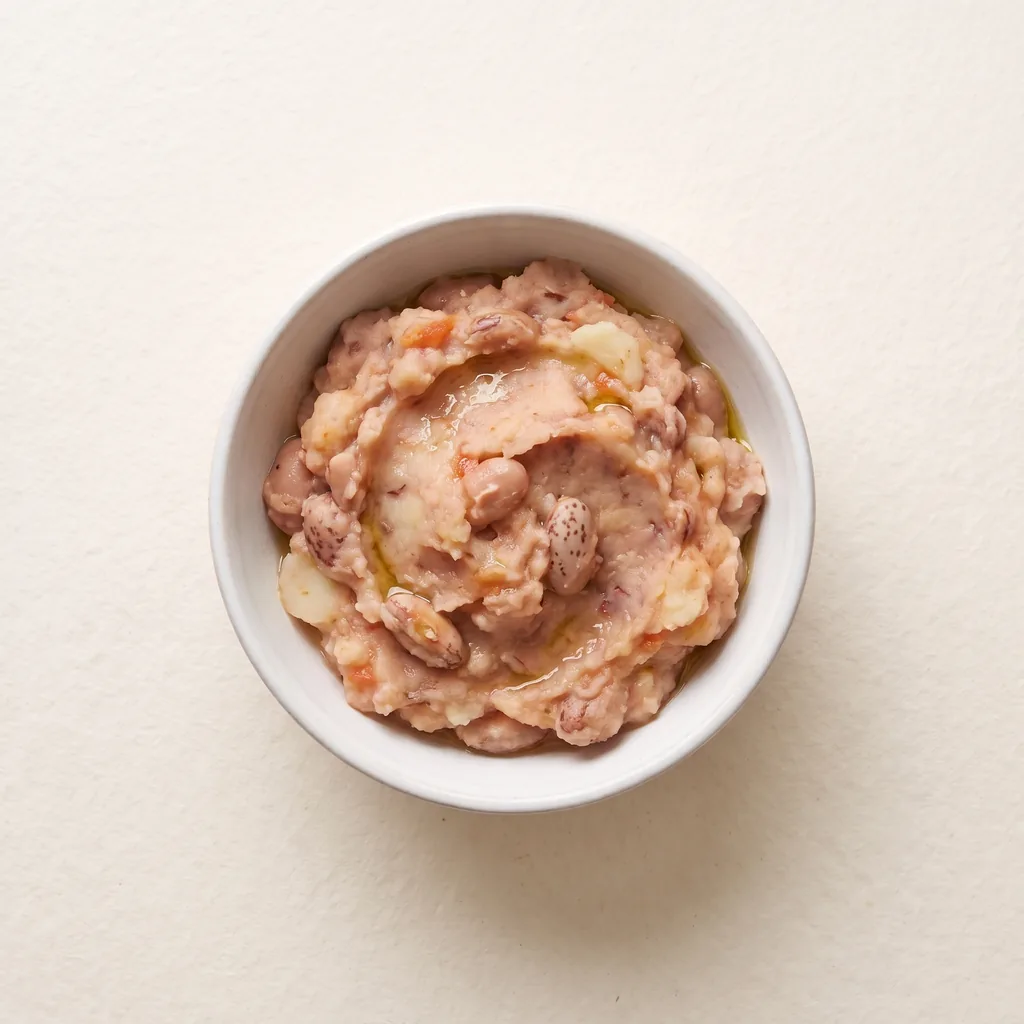
Flatten soft-cooked borlotti beans one by one with your finger, or take an unsalted portion of beans cooked in olive oil and mash them. Whole beans are round and slippery, so never serve them unmashed.
Dietitian's view
Give borlotti beans from the 8th month, well cooked, mashed and without salt.
Lokmini is not a healthcare provider and does not offer health services. For your baby's specific needs, talk to your doctor or a dietitian.
Cranberry beans can start from 8 months. Cook them well, mash them and add no salt.
 Allergen, day 1/3
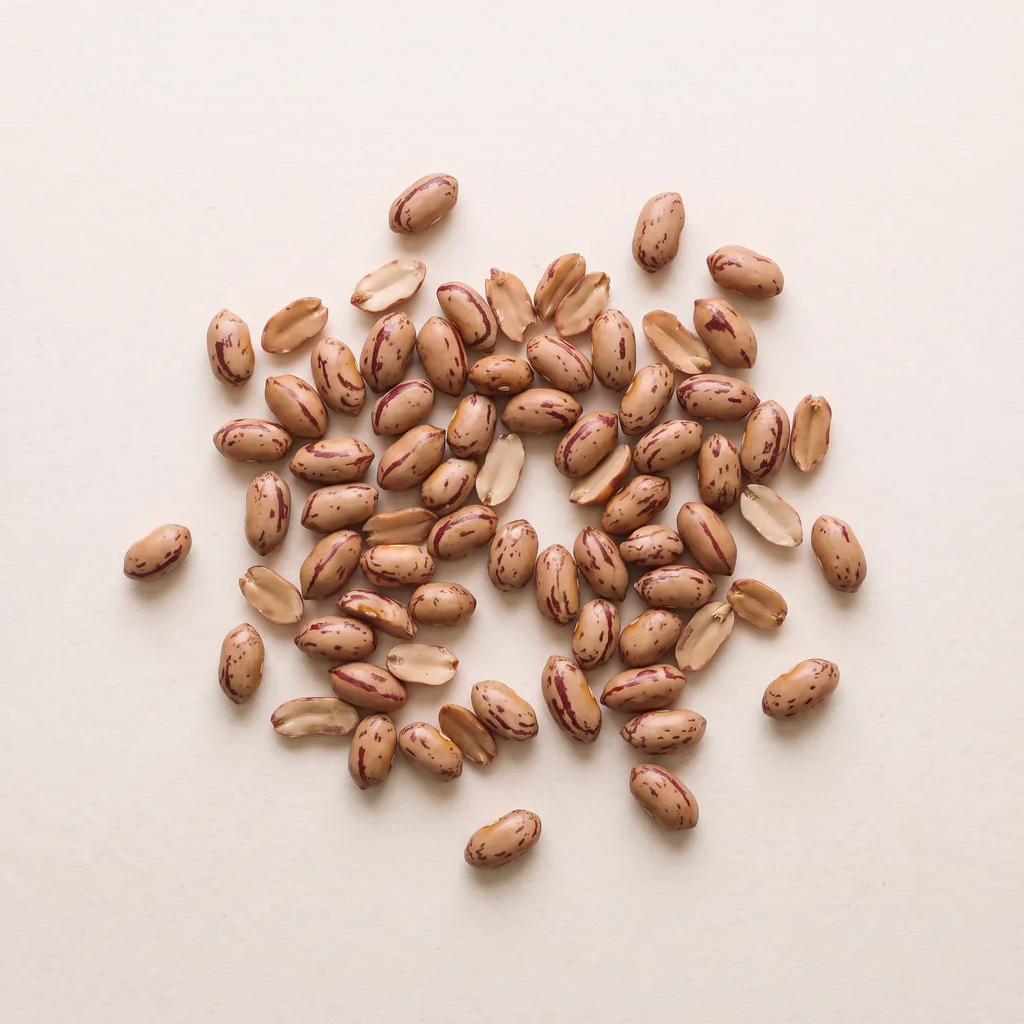
The bean is thought to come from South America. Today it has many varieties. Among them are borlotti, barbunya, rosecoco, saluggia, gadra, alubia pinta and frijoles romanos.
Cranberry beans are rich in protein, carbohydrates and fiber. They supply folate, choline, iron, zinc and vitamin B6. Young children often get too little of these. They are also rich in antioxidants.
Also known as: barbunya fasulye, borlotti, kuru barbunya, kızılcık fasulyesi, rosecoco, taze barbunya
So that any reaction can be linked to the right food, borlotti beans is offered 3 days in a row and no other new food is tried on those days.
Start with a small amount in the morning or around midday. Your baby is watched closely for 5 to 10 minutes after the first bite.
Borlotti beans is offered again the same way. No other new food is tried today.
If no reaction was seen, borlotti beans is now part of your baby's meals. It keeps being offered regularly.
Emergency
If your baby has trouble breathing or swelling of the face or tongue, call 911 (or your local emergency number) right away.
Borlotti beans are not among the common or priority food allergens, but they can cause allergic reactions in some people.
Allergic cross-reactions between borlotti beans and peanut, soy, chickpea, lentil and other legumes are possible. Still, being allergic to one legume does not mean an allergy to the others will develop.
Pollen-related cross-reactions can cause itching or tingling in the mouth in some people. Even so, do not assume symptoms will always be mild.
Start with a small amount of fully cooked, mashed borlotti beans.
Watch for any allergy signs. If there is no problem, you can increase the amount step by step.
If your baby has reacted to borlotti beans before or has a known serious legume allergy, talk to your doctor first.
If widespread hives, swelling of the lips or tongue, repeated vomiting, wheezing or trouble breathing appear after eating, stop giving them. If there are signs of a serious reaction, call emergency services right away.
9 monthsCube
Flatten soft-cooked borlotti beans one by one with your finger, or take an unsalted portion of beans cooked in olive oil and mash them. Whole beans are round and slippery, so never serve them unmashed.
12 monthsCube
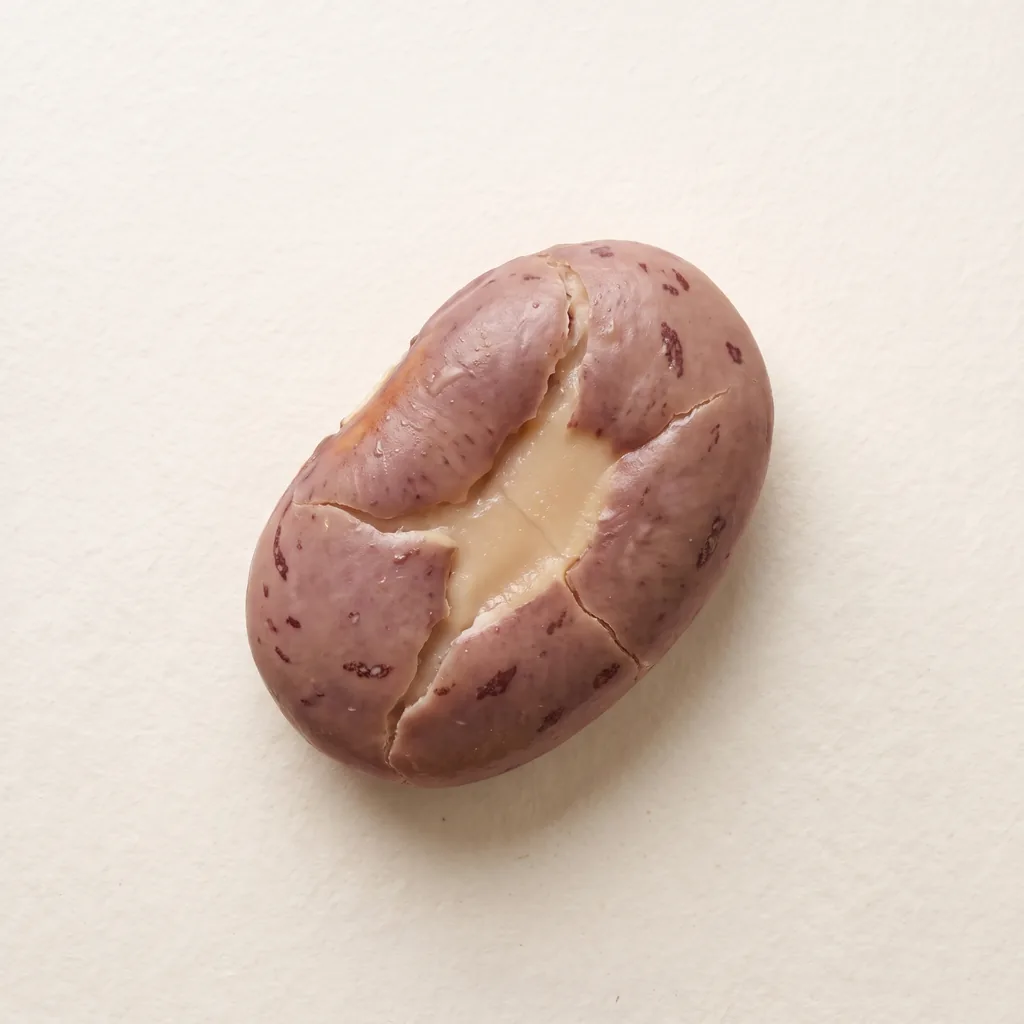
Cut: Flattened
Keep offering borlotti beans flattened, or in a low-salt bean dish. Until age 4, mash or flatten whole beans before serving.
Whole borlotti beans are round and slippery, so they can be a choking risk for babies. The risk is higher with firm or undercooked beans.
Cook borlotti beans until fully soft.
At first, you can serve them well mashed or puréed. As your baby's chewing skills grow, you can flatten the beans with a fork.
Turning 12 months does not automatically make whole borlotti beans safe. Keep preparing them to suit your child's chewing skills.
Your baby should sit upright during meals and be watched the whole time.
Prepared by the Lokmini team | Last updated November 19, 2026
Join Lokmini to learn how this food is served at each age and to keep track of every food your baby tries.
Lokmini builds a day-by-day plan for your baby's age. Leave your email for new guides and our newsletter.
Start Your Journey