Dietitian's view
Cacao contains caffeine. Do not give it regularly before age 2.
Lokmini is not a healthcare provider and does not offer health services. For your baby's specific needs, talk to your doctor or a dietitian.
- Nuts and seeds
- 24 mo+
- High choking risk
Cacao for babies: when to start
Cacao contains caffeine. Caffeine should be limited for babies and toddlers. A baby does not need cacao. When and how much to offer differs from country to country. Follow the market note on this page.
- Carbohydrates
- Fiber
- Iron
- Magnesium
- Potassium
- Zinc
About cacao
Note
CDC advises no caffeinated drinks or added sugars under 2 years. Do not give cocoa or chocolate regularly before age 2.
Cacao grows on a tropical tree native to the Amazon region. Today cacao atole is a daily drink for many families in Central America.
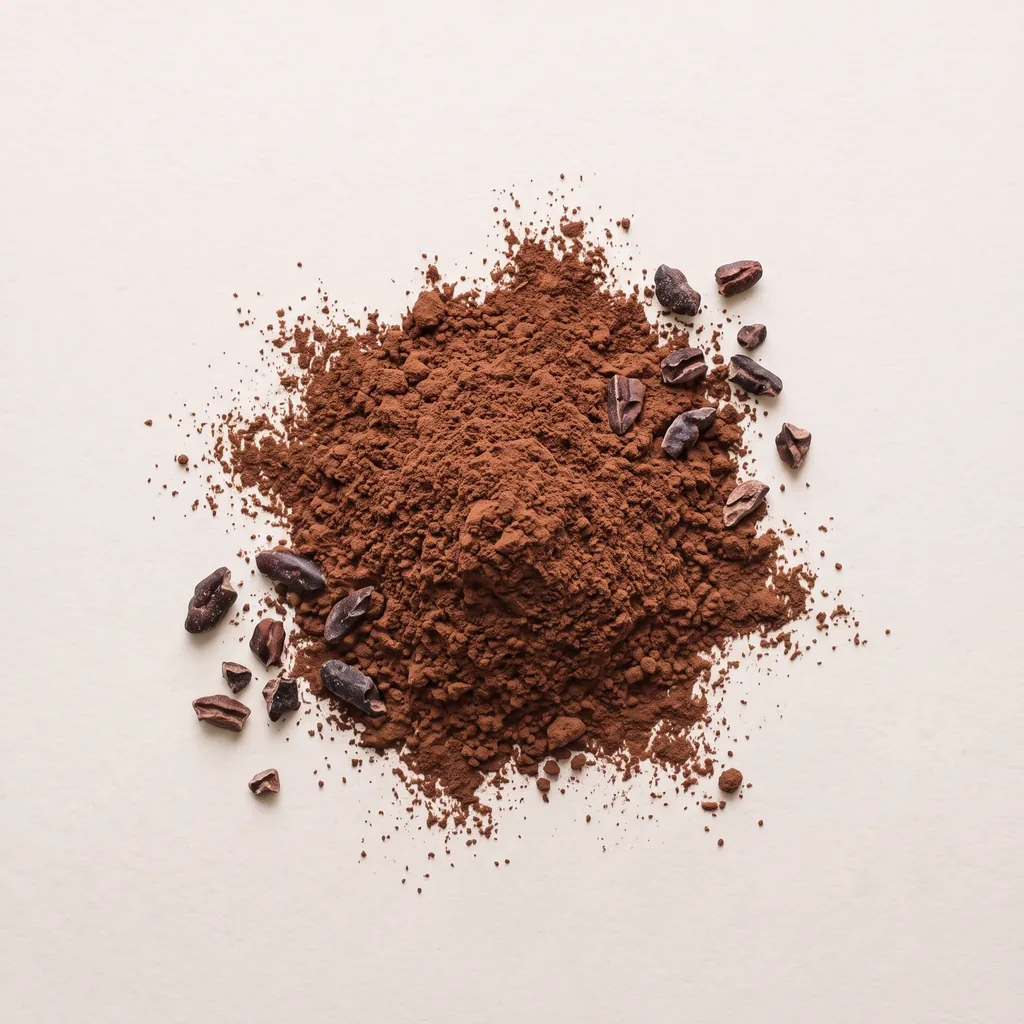
Cacao offers carbohydrates and fiber. Zinc, iron, potassium and magnesium come along, and so do antioxidants. Roasting sets them apart: cocoa beans are roasted and cacao beans are raw. Dutch cocoa also has potassium carbonate added to soften the acidity.
Also known as: kakao, ham kakao, kakao çekirdeği, kakao nibs, kakao tozu, kakao meyvesi
- Gluten-free
- Vegan
Choking risk
- Low
- Medium
- High
Cacao beans are very hard and round, which makes the choking risk high. Do not serve a baby whole nibs, beans or chocolate candy. Prepare it for your baby's age and stay with your baby during meals.
If a child will eat whole cacao fruit, first show that the bean inside is not eaten. If a bean gets into the mouth, do not panic. Say 'spit that out please' and hold your hand under the chin.
Allergen information
Cacao is not a common allergen. Allergy to cacao itself is uncommon but not unheard of. Chocolate and cacao products may contain egg, wheat, sesame, tree nuts, soy or milk. Some are also made in facilities that process these foods. Check every ingredient list.
Some cacao products contain honey. Honey is never given before 12 months because of the risk of infant botulism.
Offer a small amount alone for the first few meals. If there is no reaction, increase gradually.
Frequently asked questions
What age can babies eat cacao?
Is cacao a common allergen?
Is cacao a choking hazard for babies?
Is cacao safe for babies?
Are cacao and cocoa the same?
Can I give chocolate?
Sources
- Frontiers in Psychiatry, Temple JL, et al. The safety of ingested caffeine: a comprehensive review (2017)
- Advances in Nutrition, Caffeine Intake from Food and Beverage Sources and Trends among Children and Adolescents in the United States: Review of National Quantitative Studies from 1999 to 2011 (2015)
- The Scientific World Journal, Potential Applicability of Cocoa Pulp (Theobroma cacaoL) as an Adjunct for Beer Production (2020)
- World Health Organization (WHO), Guideline: sugars intake for adults and children / complementary feeding 6-23 months (2023)
- CDC, Infant and Toddler Nutrition, Choking Hazards
Prepared by the Lokmini team | Last updated November 17, 2026
Want to add this food to your baby's solid food calendar?
Join Lokmini to learn how this food is served at each age and to keep track of every food your baby tries.