Dietitian's view
Do not give chocolate to your baby.

Uzm. Dyt. Berk AysanPrepared the latest update, November 14, 2026
Lokmini is not a healthcare provider and does not offer health services. For your baby's specific needs, talk to your doctor or a dietitian.
- Sweeteners
- 24 mo+
- Medium choking risk
Chocolate for babies: when to start
Chocolate is a food made from cacao beans. Depending on the kind, it can contain sugar, milk and other ingredients. Cocoa naturally contains caffeine and theobromine.
- Carbohydrates
- Fiber
- Iron
- Magnesium
- Potassium
- Zinc
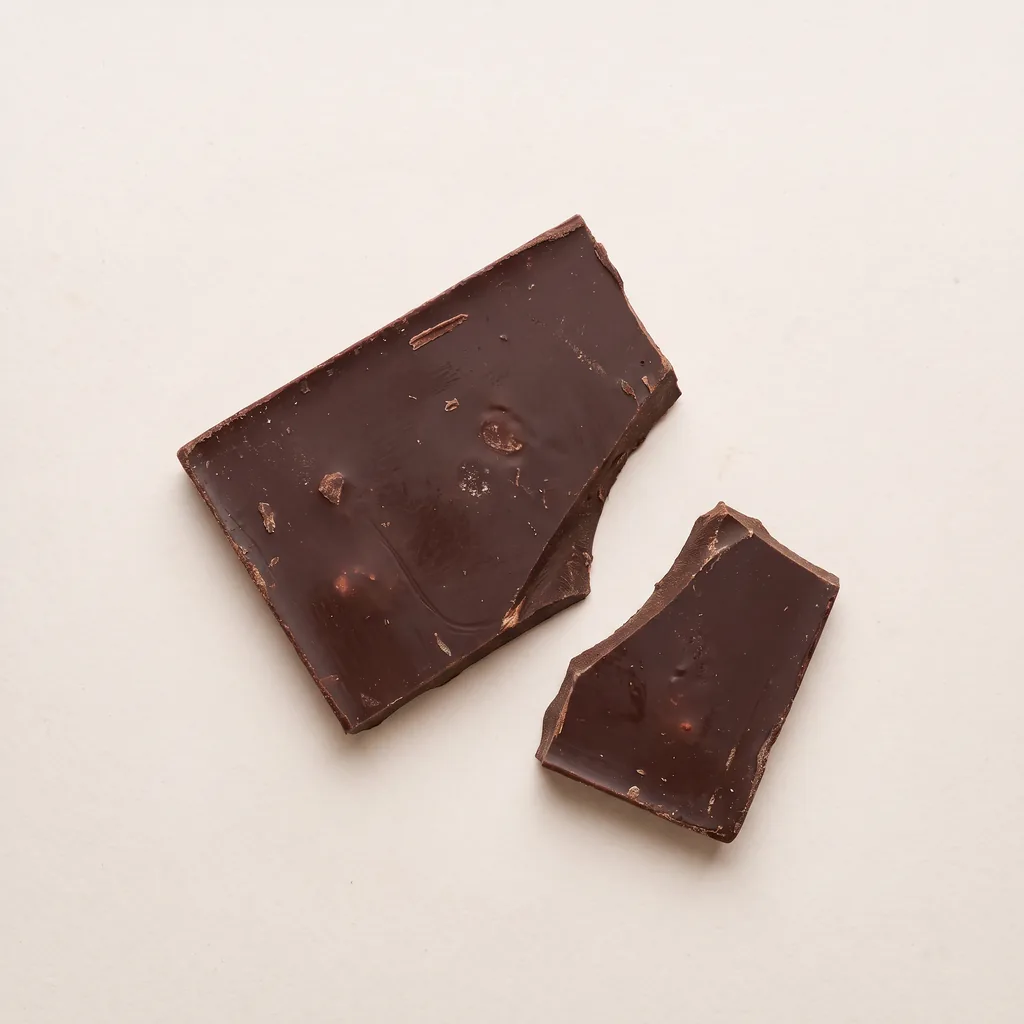
About chocolate
Note
CDC advises no caffeinated drinks or added sugars under 2 years. Do not give cocoa or chocolate regularly before age 2.
Babies do not need chocolate in their diet. It is recommended to avoid added sugar, especially before age 2, and not to give young children foods and drinks that contain caffeine.
Chocolate products can contain allergens such as milk, soy, peanut and tree nuts. Some chocolate candies carry a choking risk because they are hard, round or sticky.
How it is made and nutrition
Chocolate is made by fermenting, drying, usually roasting and grinding the beans taken from the cacao fruit. The resulting cocoa mass is processed with ingredients such as cocoa butter, sugar and milk, depending on the type of product, to make chocolate.
Cocoa contains magnesium, iron, potassium and plant compounds called flavanols. The nutritional value of chocolate varies a lot, though, depending on the cocoa content and added ingredients.
Dark chocolate with a high cocoa content usually contains more cocoa compounds. Its caffeine and theobromine levels can also be higher, though. So dark chocolate should not be seen as a healthier choice for babies.
Also known as: çikolata, kakao, bitter çikolata, sütlü çikolata, beyaz çikolata, çikolatalı süt
- Vegan
Choking risk
- Low
- Medium
- High
Chocolate can carry a choking risk. Lots of bars and candies are hard or tough to chew, and some are small and round. These traits raise risk. Prepare it for your child's age and stay within arm's reach at meals.
Chocolates that carry a choking risk
Hard, round or very sticky chocolate candies can be a choking hazard for young children. Avoid chocolates with whole hazelnuts, peanuts or hard candy pieces in particular. Think about your child's chewing and swallowing skills more than their age.
Allergen information
Cocoa is not a common food allergen. True allergic reactions to cocoa have been reported only rarely.
However, chocolate products can contain common allergens such as milk, soy, peanut, tree nuts, wheat, egg and sesame. Some products also carry a risk of cross-contact during production.
Check the ingredient and allergen labels of ready-made chocolate. You do not need to use chocolate to introduce common allergens to your baby. These foods can be offered one by one during the solids stage, in forms that are safe and suit your baby's development.
Having eaten an allergen without problems before does not fully guarantee that an allergic reaction will not develop in the future.
Frequently asked questions
What age can babies eat chocolate?
Is chocolate a common allergen?
Is chocolate a choking hazard for babies?
Can babies have chocolate?
Does chocolate keep babies awake?
When can babies have chocolate milk?
Sources
- World Health Organization (WHO), Guideline for complementary feeding of infants and young children 6-23 months of age (2023)
- CDC, Infant and Toddler Nutrition, Choking Hazards
- Journal of Pediatric Gastroenterology and Nutrition, Sugar in Infants, Children and Adolescents (2017)
- Advances in Nutrition, Caffeine Intake from Food and Beverage Sources and Trends among Children and Adolescents in the United States: Review of National Quantitative Studies from 1999 to 2011 (2015)
- Dental Clinics of North America, Added Sugar and Dental Caries in Children (2019)
Want to add this food to your baby's solid food calendar?
Join Lokmini to learn how this food is served at each age and to keep track of every food your baby tries.