Uzm. Dyt. Berk AysanPrepared the latest update, November 14, 2026
Lokmini is not a healthcare provider and does not offer health services. For your baby's specific needs, talk to your doctor or a dietitian.
- Sweeteners
- 24 mo+
- Low choking risk
Stevia for babies: when to start
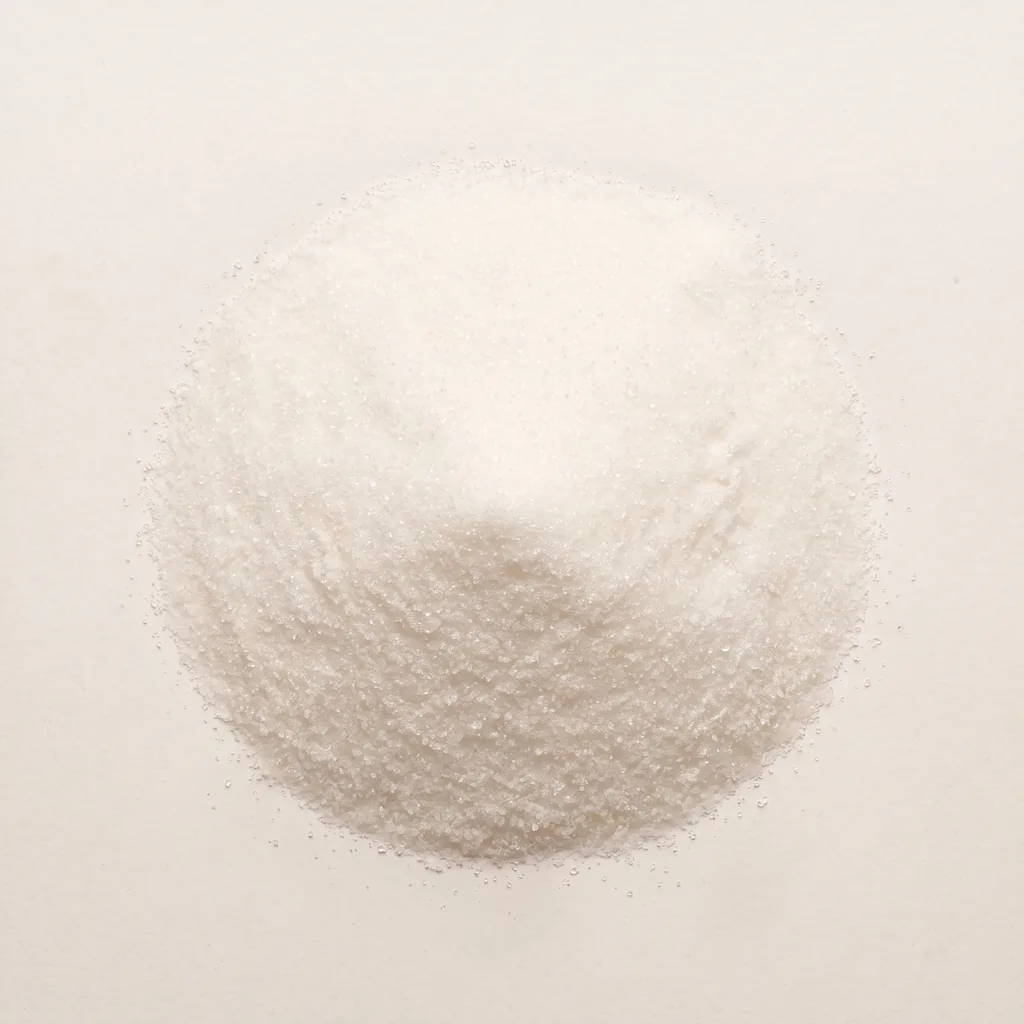
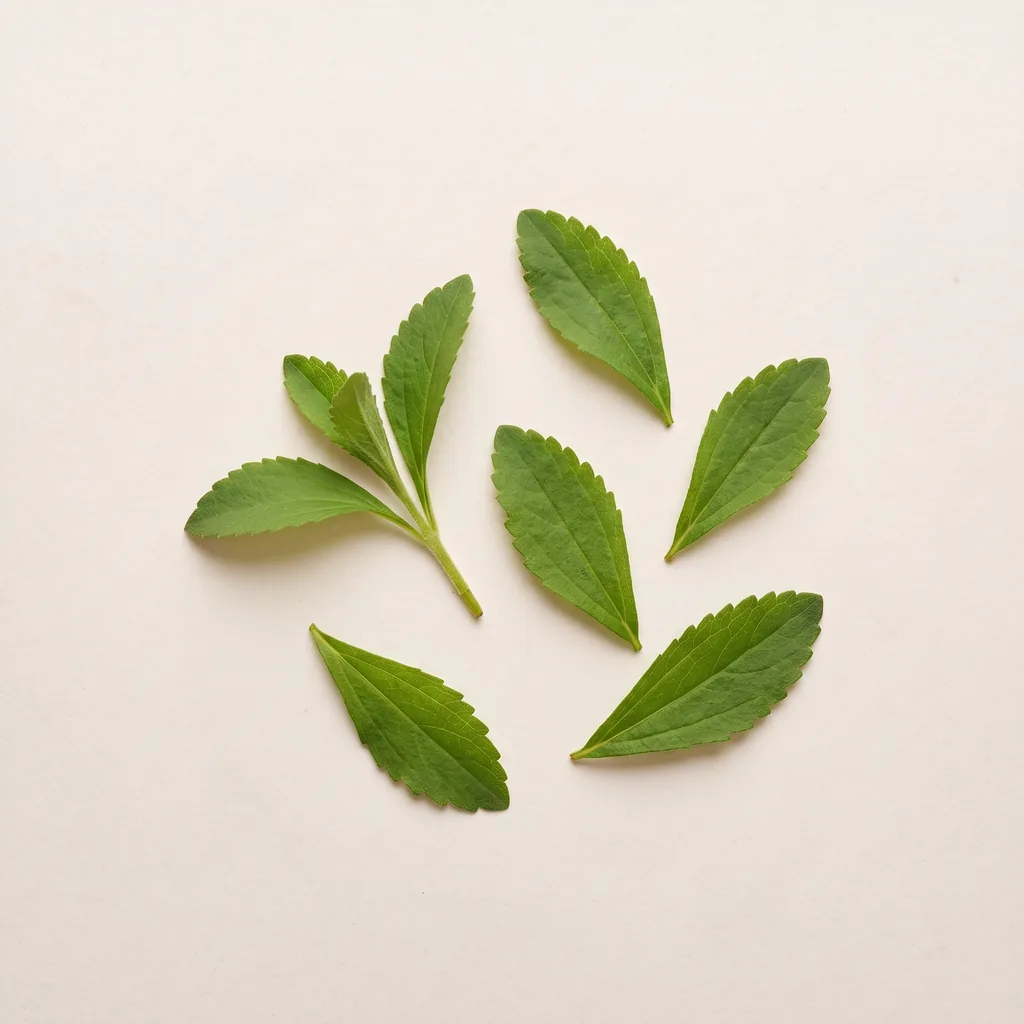
Stevia is a sweetener made from the Stevia rebaudiana plant, which comes from South America. The plant's leaves contain intensely sweet compounds called steviol glycosides. Purified steviol glycosides are about 200 to 400 times sweeter than table sugar.
- Sugar-free (steviol glycosides)
About stevia
Note
FDA does not approve stevia leaf or crude extract in food; only purified extract is GRAS. CDC advises against sweetened foods under 2 years.
The leaves of the stevia plant and the purified steviol glycosides used in foods are not the same product. In the US, steviol glycosides that meet certain purity standards can be used in foods, while whole stevia leaves are not approved as a sweetener.
Stevia is not recommended for babies and young children. There is no need to sweeten food and drinks, especially in the first 2 years. Research on stevia's long-term effects in young children is limited.
Is stevia safe for babies?
High-purity steviol glycosides have passed food safety assessments under set conditions of use. But these assessments do not mean that stevia is a necessary or recommended part of a baby's diet. Not using high-intensity sweeteners, including stevia, in the first 2 years is a cautious approach that helps your baby get to know the natural flavors of different foods.
Also known as: stevia, tatlı yaprak, stevya, steviol glikozit, stevia özütü, tatlı yaprak otu
- Gluten-free
- Vegan
Choking risk
- Low
- Medium
- High
Stevia as a powder or mixed into food is not a common choking hazard on its own. But hard, round or sticky pieces of foods that contain stevia can pose a choking risk.
Prepare food to suit your child's developmental skills. Make sure your child sits upright during meals and watch them at all times.
Allergen information
Stevia is not a common food allergen. Allergic reactions to the stevia plant have rarely been reported.
Stevia belongs to the daisy family (Asteraceae). A possible cross-reaction has been suggested in people sensitive to the pollen of ragweed, which is in the same plant family. But there is not enough evidence that everyone with a ragweed allergy will also react to stevia.
Data on purified steviol glycosides causing allergic reactions are very limited. Still, no product can be said to carry zero allergy risk.
If hives, swelling or other signs of allergy appear after eating a product that contains stevia, get medical advice. For serious signs such as trouble breathing, call emergency services right away.
Frequently asked questions
What age can babies eat stevia?
Is stevia a common allergen?
Is stevia a choking hazard for babies?
Is stevia safe for babies?
How can I sweeten baby food?
How much stevia after 24 months?
Sources
- World Health Organization (WHO), Guideline for complementary feeding of infants and young children 6-23 months of age (2023)
- National Health Service (NHS), Preparing food safely for babies
- CDC, Infant and Toddler Nutrition, Choking Hazards
- Journal of Pediatric Gastroenterology and Nutrition, Sugar in Infants, Children and Adolescents (2017)
- Nutrients, Effects of Stevia Extract on Postprandial Glucose Response, Satiety and Energy Intake: A Three-Arm Crossover Trial (2019)
- Food and Chemical Toxicology, Steviol glycoside safety: Are highly purified steviol glycoside sweeteners food allergens? (2015)
Want to add this food to your baby's solid food calendar?
Join Lokmini to learn how this food is served at each age and to keep track of every food your baby tries.