Skip to content
  • Sweeteners
  • 12 mo+
  • Low choking risk

Honey for babies: when to start

Honey is a naturally sugar-rich food that bees make from flower nectar.

  • Simple sugars
  • Antioxidants
  • Trace minerals
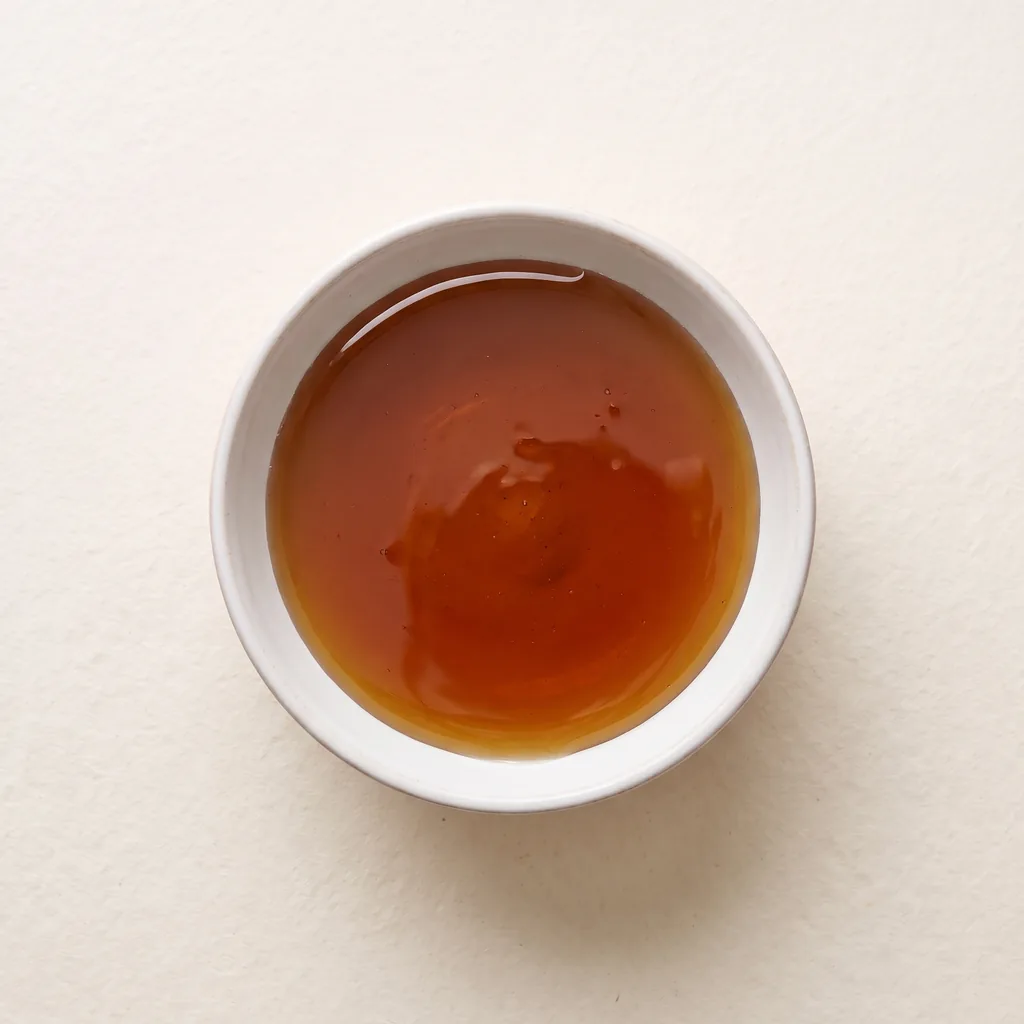
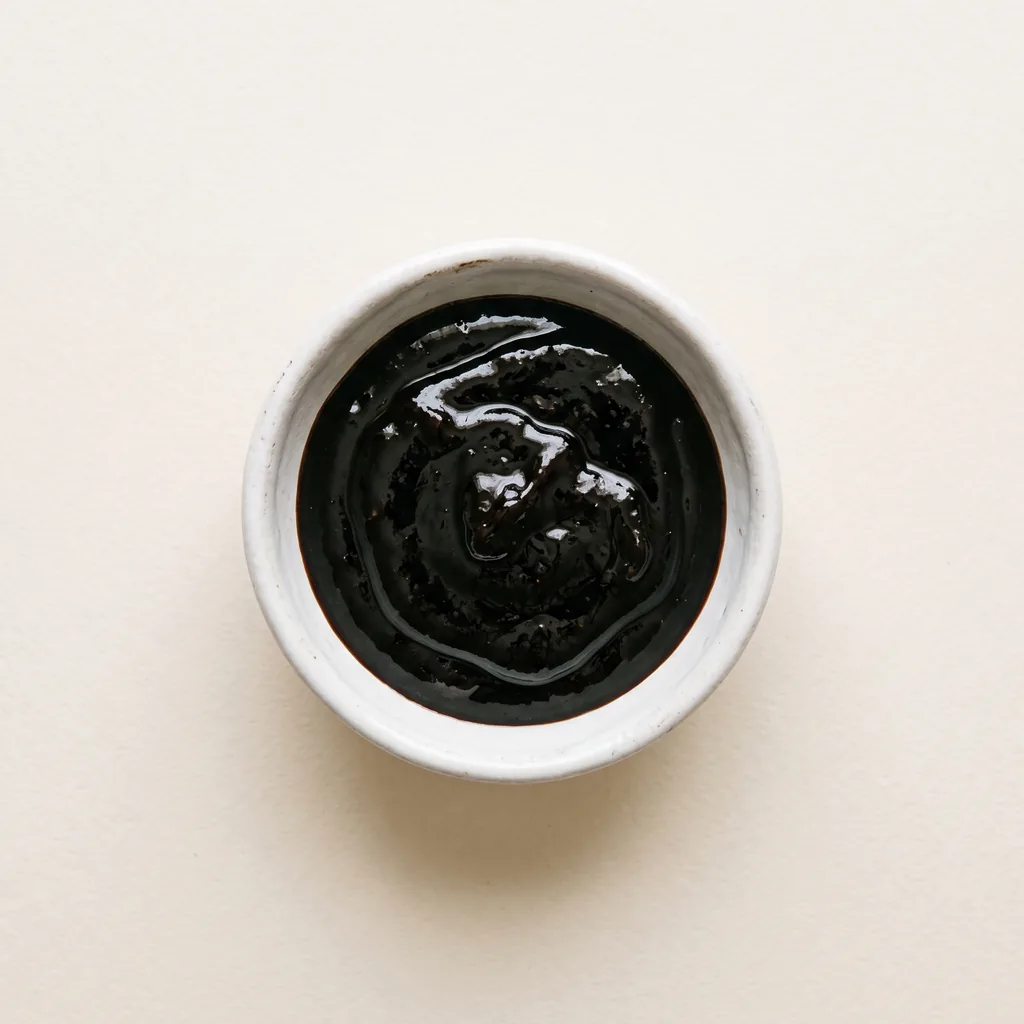
Honey prepared for a baby

About honey

When to start

Never give honey to babies under 12 months. Honey can contain spores of Clostridium botulinum, which can cause infant botulism. This illness is rare, but it can lead to severe muscle weakness and breathing failure.

Cooking or baking honey does not reliably destroy the spores. So in the first 12 months, avoid honey whether raw, cooked or added to other foods.

After 12 months the risk of botulism drops considerably. But honey is a source of free sugar, so adding it to your child's diet before 2 years is not recommended.

No form of honey is safe before 12 months

Raw, pasteurized, cooked or baked honey is not considered safe when it comes to infant botulism. In the first 12 months, do not give bread, cookies, desserts or other ready-made products that contain honey either.

Also known as: bal peteği, petek bal, süzme bal, çiçek balı

  • Gluten-free
  • Vegetarian
  • Contains honey

How to prepare it by age

12 monthsMash or slice
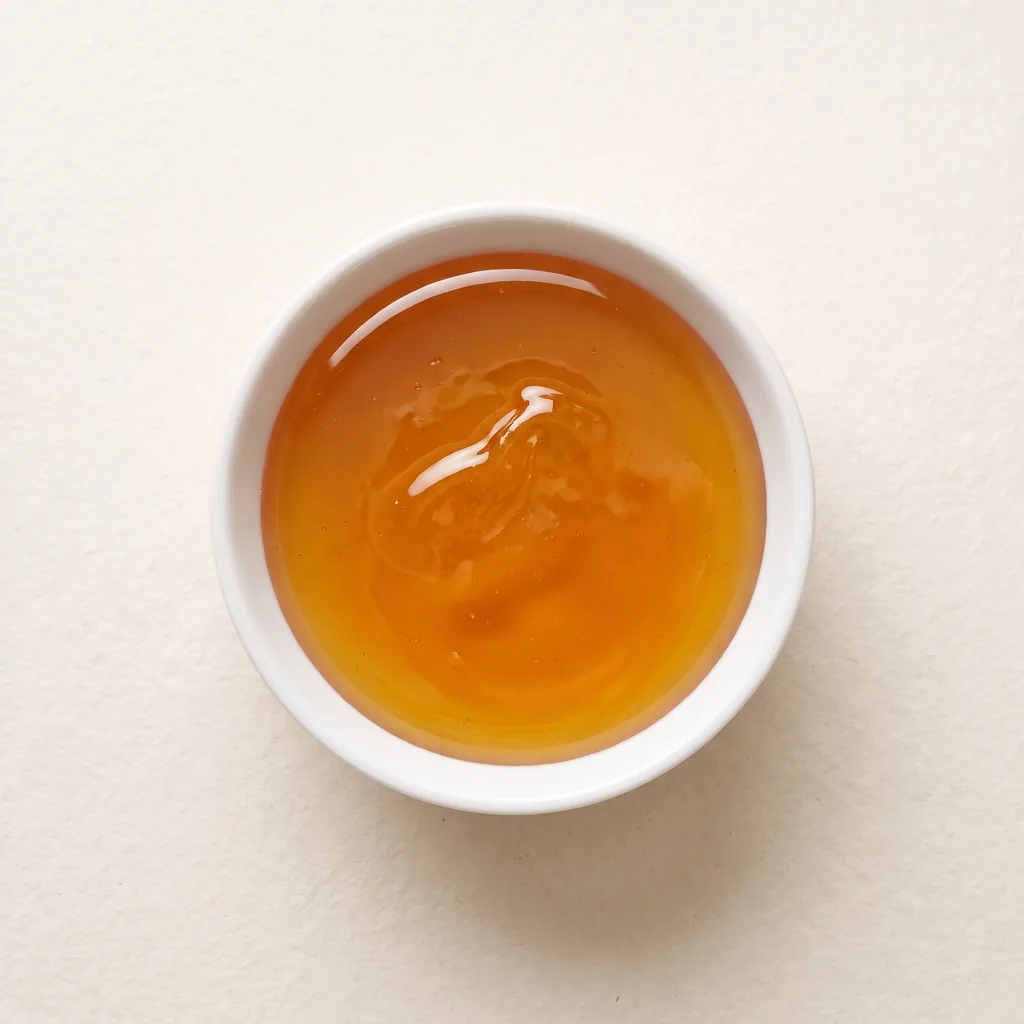
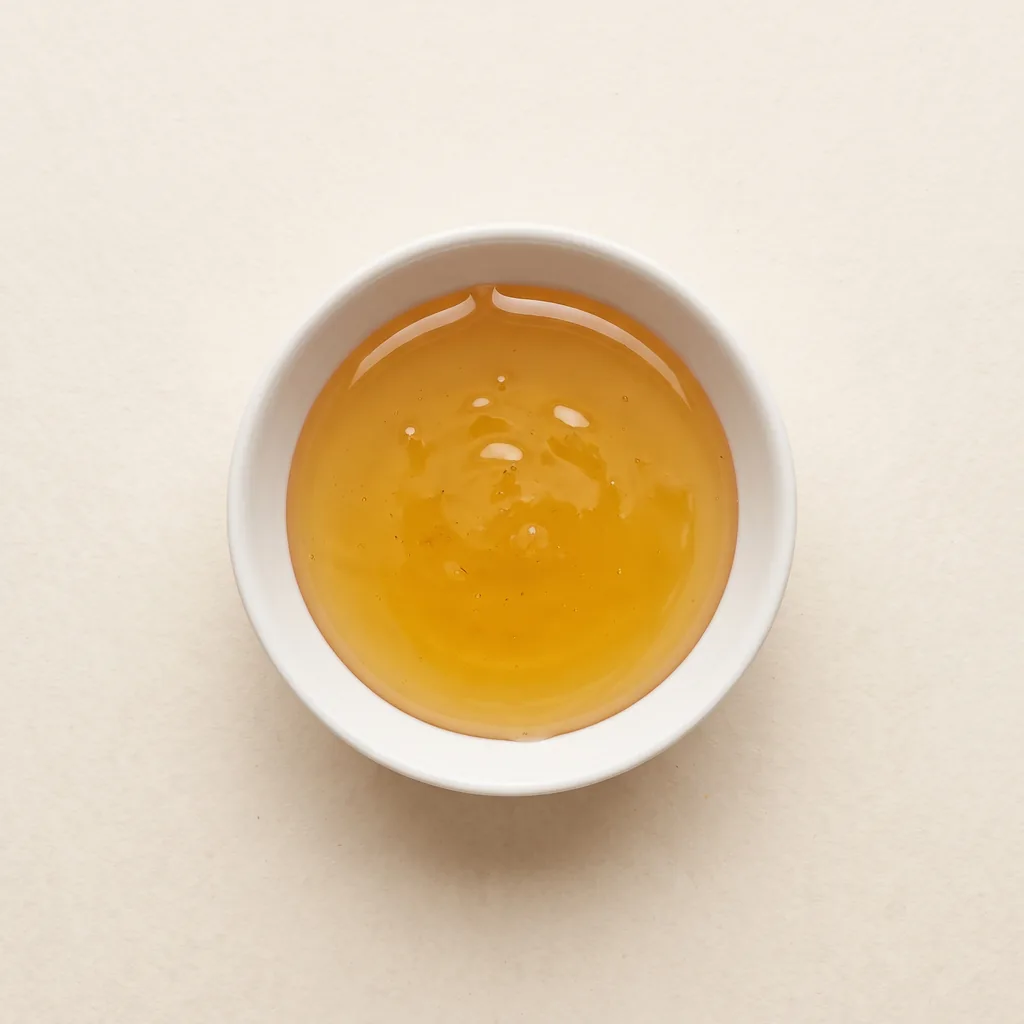
Honey prepared for 12 months

Do not give honey before the first birthday, because of the risk of infant botulism. Cooking or baking does not destroy the spores, so ready-made products containing honey wait until 12 months too. After 12 months you can use honey in moderation in family meals, baked goods, and sauces. For a cough, you can dissolve one spoon of honey in lukewarm water and give it.

Cut: Bite sized piece

If you are sure there is no pollen or bee product allergy, you can offer a small piece of honeycomb. Cut the comb into small pieces. Do not give the next bite until your child has chewed and swallowed the last one. Honeycomb turns gummy in the mouth and can be a choking risk. Do not give large amounts or give it often.
Choking risk

  1. Low
  2. Medium
  3. High

Because it is runny, honey on its own is not a common choking hazard. But hard candies, sticky sweets and foods in large pieces that contain honey can be a choking risk.

Honeycomb is waxy and hard to chew, so it is not suitable for young children. Cutting it into small pieces does not remove the risk completely.

Offer foods that suit your child's developmental skills and watch them throughout the meal.

Allergen information

Honey is not a common food allergen. Rarely, though, allergic reactions to the pollen or other bee-derived parts of honey can happen.

Take care with children who have a known allergy to pollen or bee products. Still, not everyone with a pollen allergy will react to honey.

Ready-made foods with honey can also contain other allergens, such as milk, egg, wheat and tree nuts. Check the ingredient labels.

There is not enough scientific evidence that honey helps with seasonal allergies.

Honeycomb is not the same as other bee products such as propolis and royal jelly. Their allergy risks can differ, and offering them routinely to young children is not recommended.

Frequently asked questions

What age can babies eat honey?

Honey is a naturally sugar-rich food that bees make from flower nectar.

Is honey a common allergen?

Honey is not a common food allergen. Rarely, though, allergic reactions to the pollen or other bee-derived parts of honey can happen.

How do you prepare honey for babies?

For a 12-month-old: Do not give honey before the first birthday, because of the risk of infant botulism. Cooking or baking does not destroy the spores, so ready-made products containing honey wait until 12 months too. After 12 months you can use honey in moderation in family meals, baked goods, and sauces. For a cough, you can dissolve one spoon of honey in lukewarm water and give it.

Is honey a choking hazard for babies?

Because it is runny, honey on its own is not a common choking hazard. But hard candies, sticky sweets and foods in large pieces that contain honey can be a choking risk.

Is cooked honey safe for babies?

No. Clostridium botulinum spores can survive normal cooking and baking. So babies under 12 months should not have cooked honey or ready-made foods that contain honey.

My baby ate something with honey. What should I do?

Eating honey once does not mean your baby will get botulism. But if your baby is under 12 months, stop giving honey and talk to your doctor. Signs can appear days or weeks after exposure. Constipation, trouble feeding, a weak cry, drooping eyelids and muscle weakness are important signs. If any of these appear, get emergency medical care. If there is trouble breathing or marked floppiness, call emergency services right away.

Does honey help a cough?

Honey is not given to babies under 12 months. If the cough continues, see your doctor.

Prepared by the Lokmini team | Last updated November 19, 2026

Share:WhatsApp

Want to add this food to your baby's solid food calendar?

Join Lokmini to learn how this food is served at each age and to keep track of every food your baby tries.

Join Lokmini

Starting Solids

When and how to start solids, and what happens in the first week?

Read the guide

Similar foods

Let's get ready for the first bite together

Lokmini builds a day-by-day plan for your baby's age. Leave your email for new guides and our newsletter.

Start Your Journey