Skip to content

Dietitian's view

Octopus is not a basic food, but it can be given when cooked very well.

Lokmini is not a healthcare provider and does not offer health services. For your baby's specific needs, talk to your doctor or a dietitian.

  • Shellfish allergen
  • Proteins
  • 12 mo+
  • High choking risk

Octopus for babies: when to start

Octopus is a mollusk and a cephalopod. Protein and omega-3 fats are its strong points. It carries vitamin B12, iron and selenium.

  • Protein
  • Omega-3
  • Vitamin B12
  • Iron
  • Selenium
Octopus prepared for a babyAllergen, day 1/3

About octopus

Wait until closer to 12 months before serving it regularly. It holds a moderate amount of mercury and a good deal of sodium. Octopus is a very intelligent sea creature. Several hundred species live from coral reefs to the deep ocean. In Greece it is sun-dried and grilled over coals. In Japan it is eaten as tako, in sashimi and sushi.

Mercury and salt

Octopus has moderate mercury and plenty of salt. Wait until closer to 12 months before offering it regularly. The Environmental Defense Fund in the US considers up to 3 servings a month safe for children up to age 5, assuming no other fish is eaten.

Also known as: ahtapot, ahtapot kolu, ahtapot salatası

  • Gluten-free
  • Contains shellfish

Octopus is offered 3 days in a row

So that any reaction can be linked to the right food, octopus is offered 3 days in a row and no other new food is tried on those days.

  1. 1/3

    First taste

    Start with a small amount in the morning or around midday. Your baby is watched closely for 5 to 10 minutes after the first bite.

  2. 2/3

    Same food, same calm

    Octopus is offered again the same way. No other new food is tried today.

  3. 3/3

    Introduction done

    If no reaction was seen, octopus is now part of your baby's meals. It keeps being offered regularly.

Emergency

If your baby has trouble breathing or swelling of the face or tongue, call 911 (or your local emergency number) right away.

About octopus allergy

Octopus is a mollusk. The World Health Organization counts only crustaceans, such as shrimp and crab, as priority allergens. Many countries do label mollusks as allergens too. In this app we treat octopus as a shellfish allergen.

Someone allergic to octopus may also react to other mollusks, such as mussels, oysters, squid and snails. The chance of reacting to crustaceans like shrimp and crab is above 70 percent. Shellfish allergy is uncommon in childhood and usually starts in adulthood. When it starts in childhood, it often lasts.

A shellfish allergy does not mean a fish allergy. Still, cross-contact can happen in facilities that process both.

If you suspect your baby may be allergic, talk to an allergist before offering octopus. For the first try, give a very small amount.

How to prepare it by age

12 monthsStrip or cube
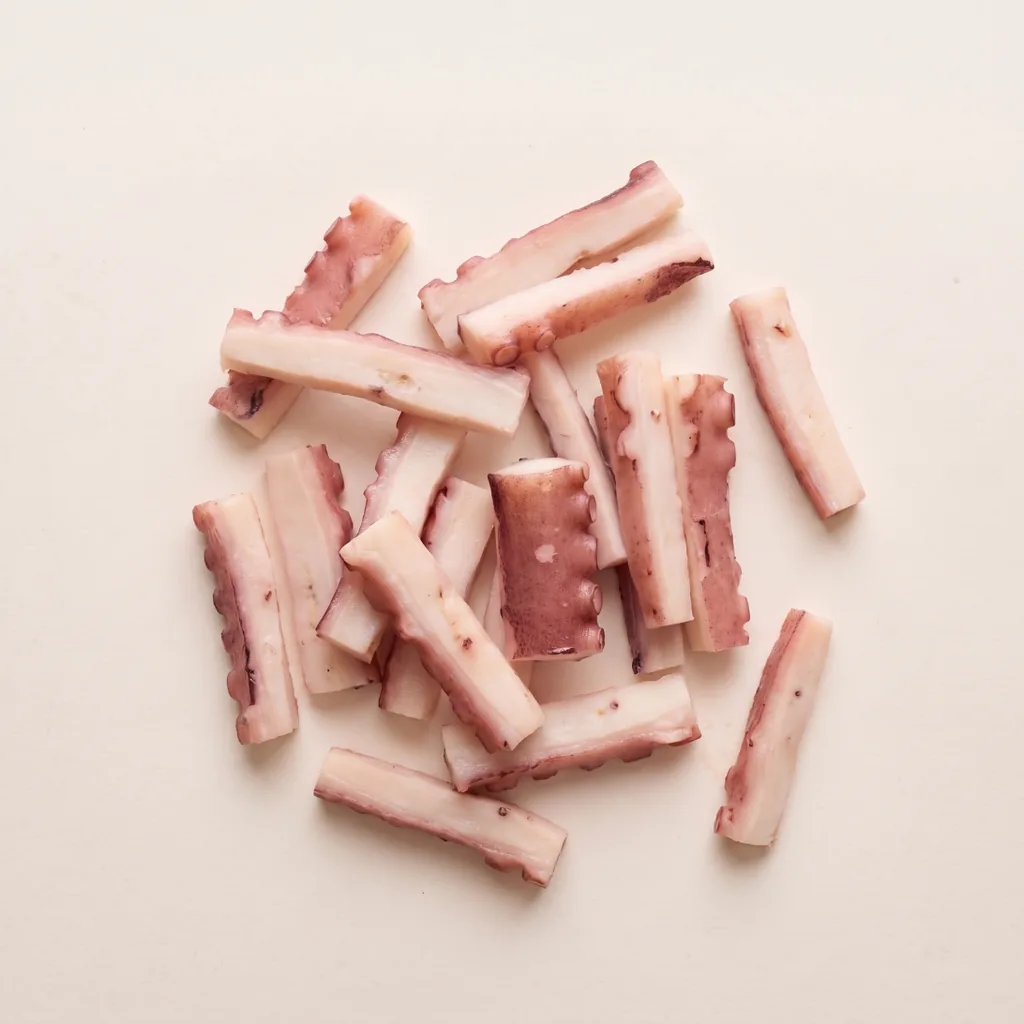
Octopus prepared for 12 months

Cut: Finger strip

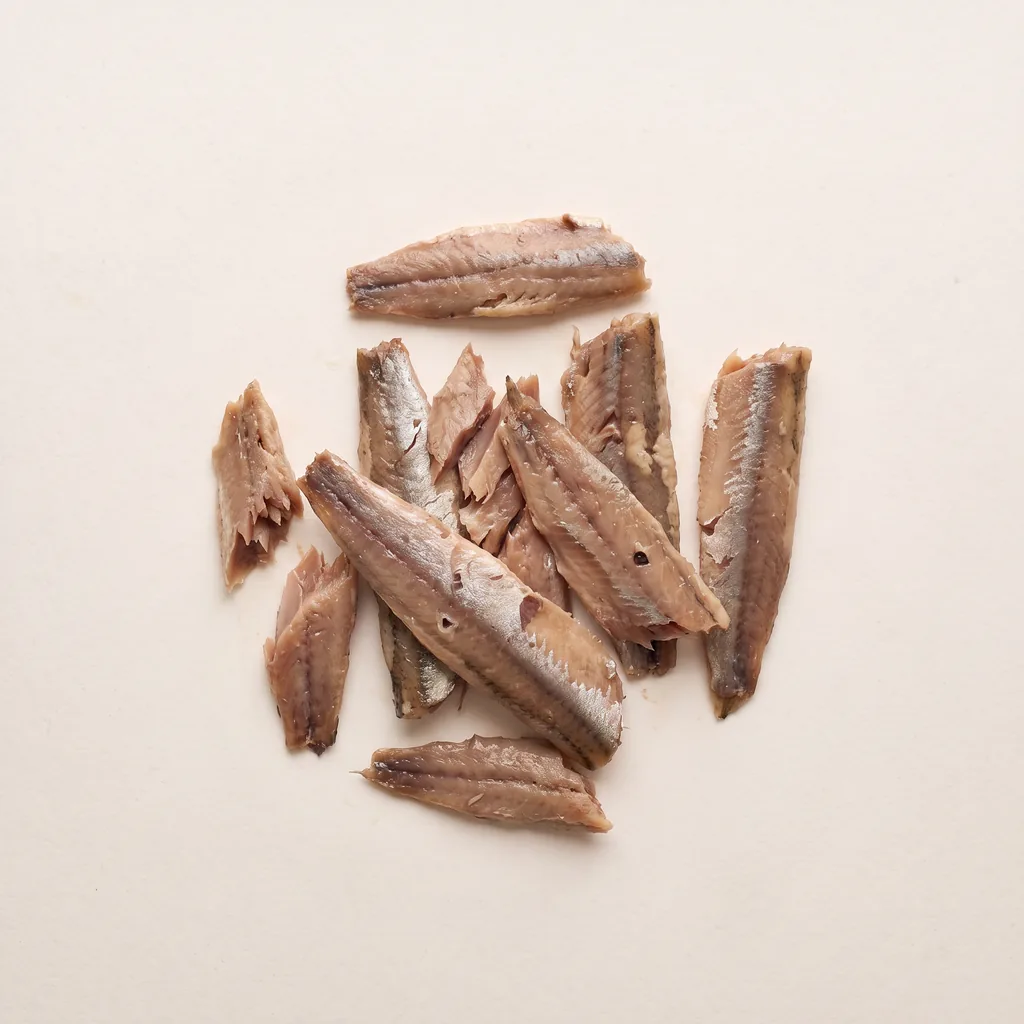
Slice a cooked arm lengthwise into matchstick strips. If it is rubbery, slice again. Expect plenty of spitting, since octopus is hard to chew and children this age have no molars yet. Do not serve whole arms or round pieces.

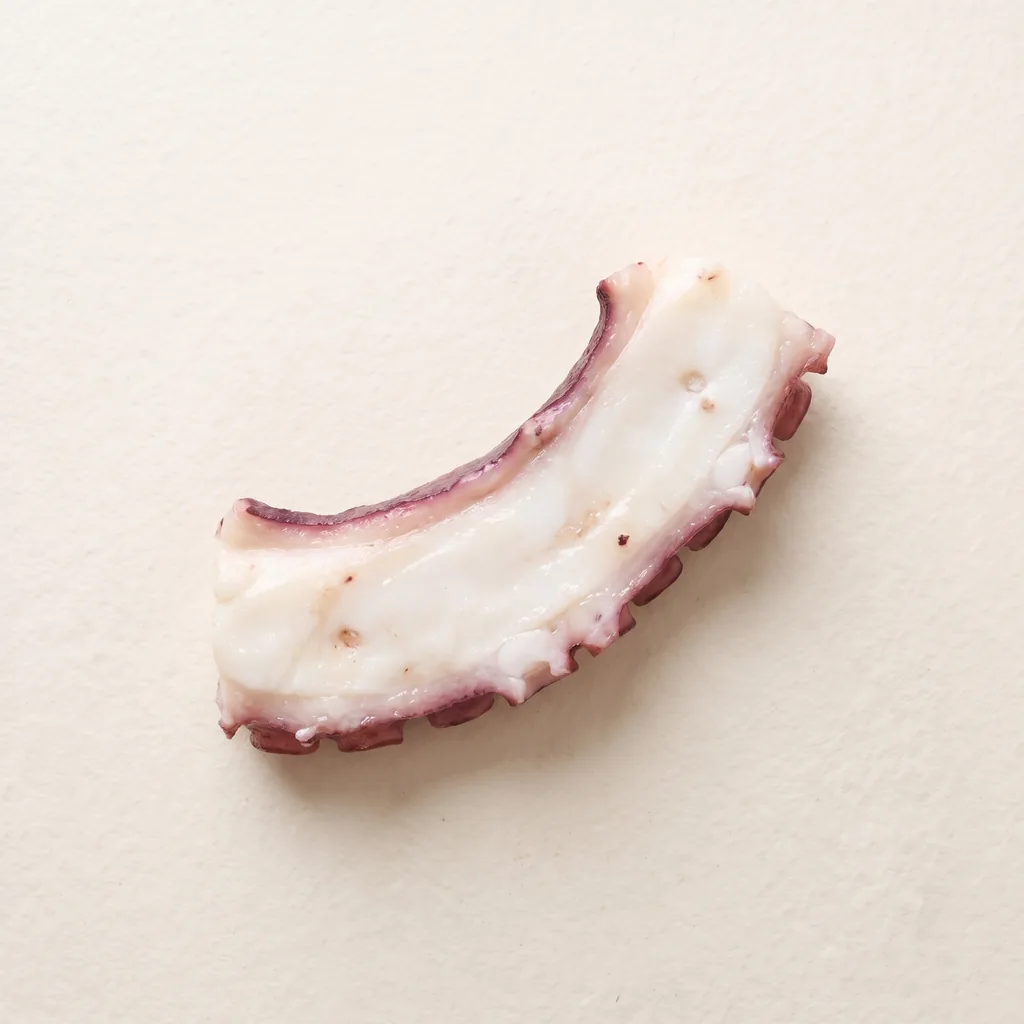
After 18 months, offer cooked octopus cut lengthwise into bite-sized pieces that are not round or cylindrical. Around age 3 some children can learn to bite a whole arm. If your child is not ready, slice it lengthwise as finger food.
Choking risk

  1. Low
  2. Medium
  3. High

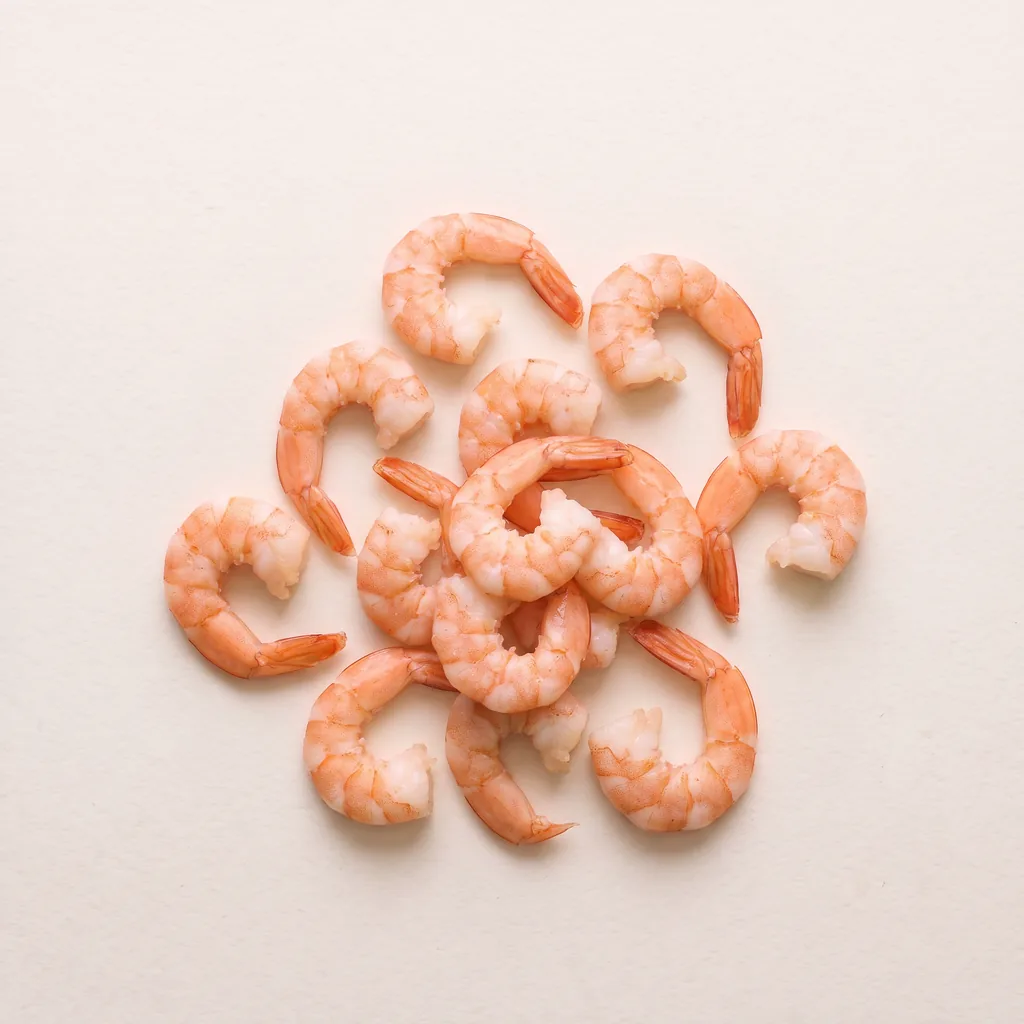
Cooked octopus is firm and rubbery if not cooked right. That is hard for children whose chewing skills are still developing. Do not serve whole arms or round pieces. Rubbery, cylindrical foods like shrimp carry a choking risk.

Seat your child next to you for meals and stay within arm's reach.

No round pieces

Cylindrical and round octopus pieces are a choking risk. Always cut them lengthwise.

Frequently asked questions

What age can babies eat octopus?

Octopus is a mollusk and a cephalopod. Protein and omega-3 fats are its strong points. It carries vitamin B12, iron and selenium.

Is octopus a common allergen?

Octopus is a mollusk. The World Health Organization counts only crustaceans, such as shrimp and crab, as priority allergens. Many countries do label mollusks as allergens too. In this app we treat octopus as a shellfish allergen.

How do you prepare octopus for babies?

For a 12-month-old: Slice a cooked arm lengthwise into matchstick strips. If it is rubbery, slice again. Expect plenty of spitting, since octopus is hard to chew and children this age have no molars yet. Do not serve whole arms or round pieces.

Is octopus a choking hazard for babies?

Cooked octopus is firm and rubbery if not cooked right. That is hard for children whose chewing skills are still developing. Do not serve whole arms or round pieces. Rubbery, cylindrical foods like shrimp carry a choking risk.

Are octopus and calamari the same?

No. Calamari is squid, a different mollusk. Both are cephalopods but they are different animals.

How often can octopus be served?

The Environmental Defense Fund in the US considers up to 3 servings a month safe for children up to age 5, if no other fish is eaten. Ask a professional for Turkey-specific advice.

Can I give canned octopus?

Fresh or frozen is better, since cans may contain BPA. If you buy canned, pick one packed in oil or water and rinse it.

Prepared by the Lokmini team | Last updated November 17, 2026

Share:WhatsApp

Want to add this food to your baby's solid food calendar?

Join Lokmini to learn how this food is served at each age and to keep track of every food your baby tries.

Join Lokmini

Starting Solids

When and how to start solids, and what happens in the first week?

Read the guide

Similar foods

Let's get ready for the first bite together

Lokmini builds a day-by-day plan for your baby's age. Leave your email for new guides and our newsletter.

Start Your Journey