Skip to content
  • Cow's milk allergen
  • Dairy
  • 12 mo+
  • Medium choking risk

Queso fresco for babies: when to start

Wait until after the first birthday to start queso fresco, since it has a moderate amount of sodium and can carry a foodborne illness risk. It is not advised for babies under 12 months.

  • Protein
  • Calcium
  • Vitamin B12
  • Zinc
  • Selenium
Queso fresco prepared for a babyAllergen, day 1/3

About queso fresco

Note

Buy only labelled cheese made from pasteurised milk. FDA has issued Listeria outbreak warnings for this type of fresh cheese in the US.

Queso fresco is a mild cheese that comes from Central and South America and is eaten fresh, not aged. In Mexican cooking it flavors chilaquiles, pozole and tacos. Most is pasteurized, but raw milk versions exist.

Nutrition

Queso fresco has protein and plenty of saturated fat. It is high in calcium and B12, and also supplies zinc and selenium.

But its sodium is high, and too much is harmful. Even when pasteurized it carries a foodborne illness risk.

Also known as: queso fresco peyniri, taze ufalanan peynir

  • Gluten-free
  • Vegetarian
  • Contains dairy

Queso fresco is offered 3 days in a row

So that any reaction can be linked to the right food, queso fresco is offered 3 days in a row and no other new food is tried on those days.

  1. 1/3

    First taste

    Start with a small amount in the morning or around midday. Your baby is watched closely for 5 to 10 minutes after the first bite.

  2. 2/3

    Same food, same calm

    Queso fresco is offered again the same way. No other new food is tried today.

  3. 3/3

    Introduction done

    If no reaction was seen, queso fresco is now part of your baby's meals. It keeps being offered regularly.

Emergency

If your baby has trouble breathing or swelling of the face or tongue, call 911 (or your local emergency number) right away.

About queso fresco allergy

FPIES warning

It is one of the known triggers of FPIES (a delayed-onset food allergy). In this condition, repeated severe vomiting, pallor and lethargy may occur, usually 1-4 hours after the food is eaten. Diarrhea may appear later. These symptoms require urgent medical evaluation.

Milk is a common allergen in young children. In the United States about one in five childhood food allergies comes from milk. The good news is that milk allergy often passes with time. Most children with cow's milk allergy outgrow it by age 6. Many babies with mild milk protein allergy symptoms can restart cow's milk around the first birthday, with a doctor's guidance. Sheep, goat and buffalo milk products may trigger a similar reaction to cow's milk.

FPIES

Cow's milk can set off food protein-induced enterocolitis syndrome (FPIES). This allergy is a delayed one. Some hours after a meal, sudden and repeated vomiting and diarrhea set in, and without treatment the body loses a dangerous amount of fluid. When FPIES begins in infancy, children usually outgrow it between ages 3 and 5. How often it occurs is not known, but it is believed to be rare.

Repeated vomiting

If repeated vomiting and diarrhea start hours after eating, see your pediatrician.

If you suspect baby has a milk allergy, talk to an allergist before giving cheese. Depending on risk, the allergist may suggest testing or a supervised trial in the office. Your doctor may say that home is fine for the first taste when the risk is low. Give a small amount at the first servings. If there is no reaction, raise it slowly.

How to prepare it by age

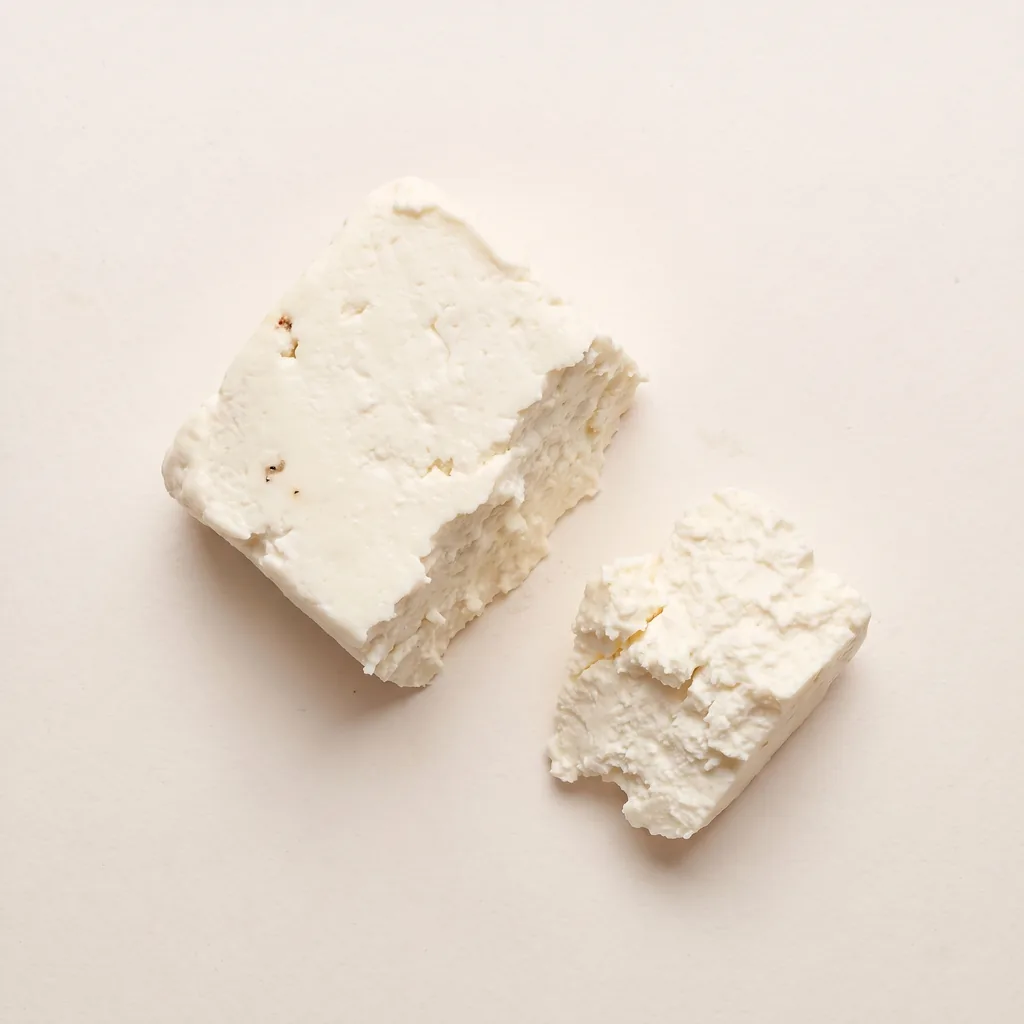
12 monthsSlice

Queso fresco prepared for 12 months

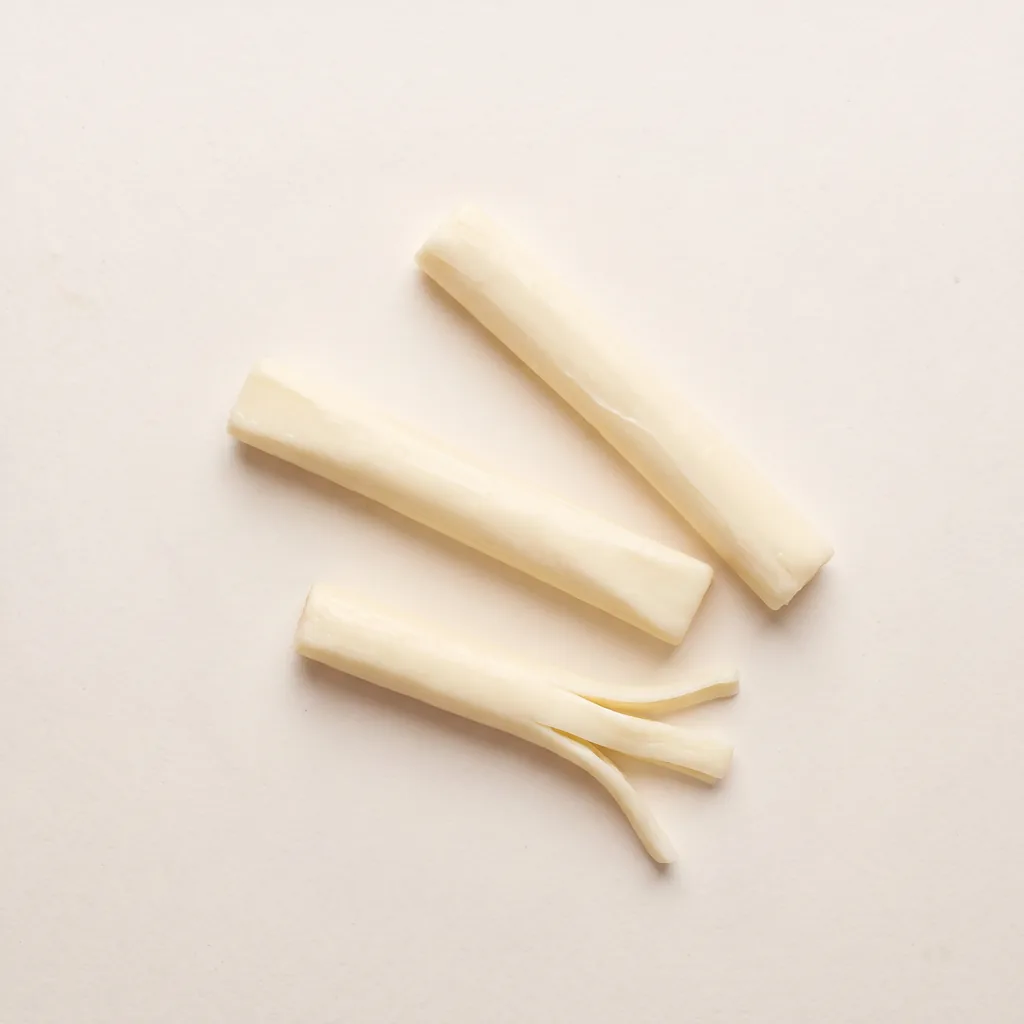
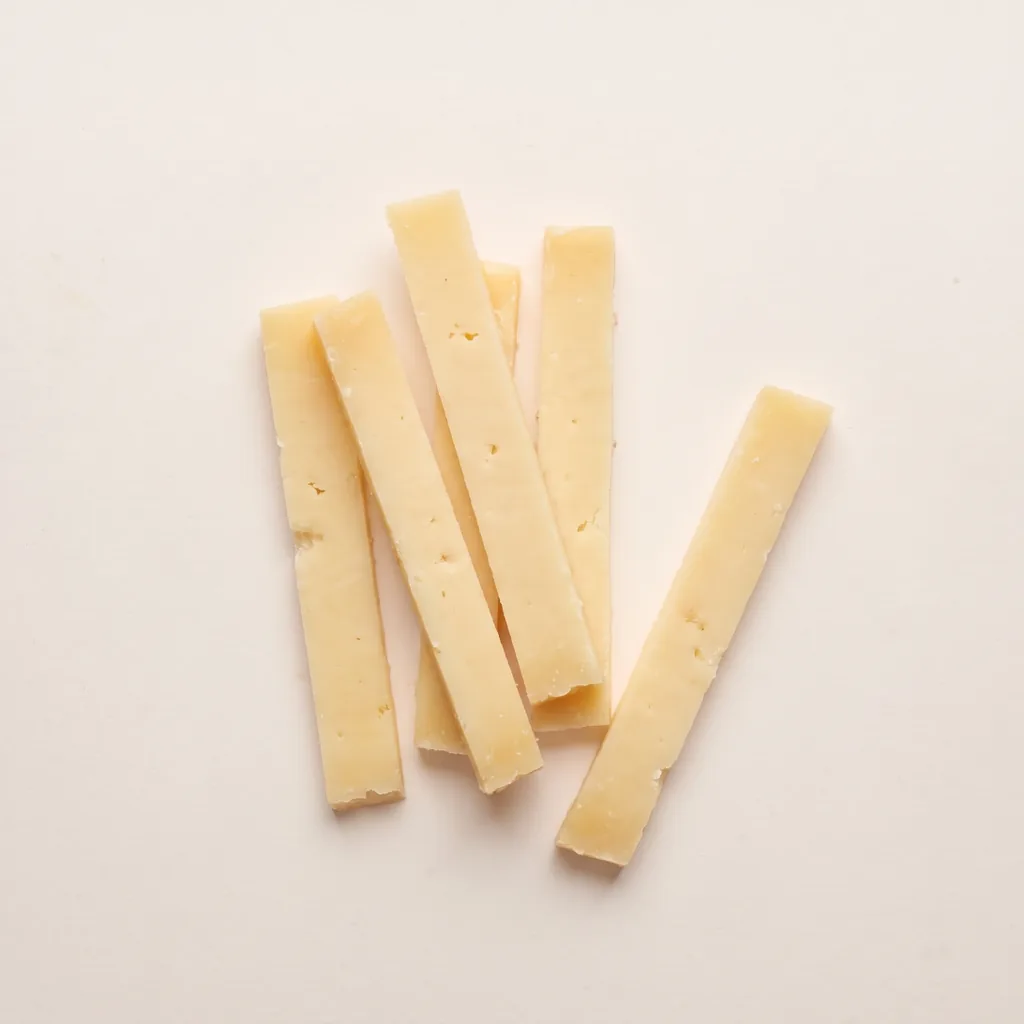
Offer pasteurized queso fresco as small crumbles or thin slices, in moderation. Serve alone or sprinkled over a meal. Some types are firmer, but whichever it is, do not give big pieces or cubes. Do not serve unpasteurized queso fresco.
Choking risk

  1. Low
  2. Medium
  3. High

Queso fresco can be a choking hazard, though its crumbly texture makes it less risky than some cheeses.

Serve small crumbles or thin slices that fall apart when touched. Do not give big chunks or cubes. Stay beside baby during meals.

Frequently asked questions

What age can babies eat queso fresco?

Wait until after the first birthday to start queso fresco, since it has a moderate amount of sodium and can carry a foodborne illness risk. It is not advised for babies under 12 months.

Is queso fresco a common allergen?

Milk is a common allergen in young children. In the United States about one in five childhood food allergies comes from milk. The good news is that milk allergy often passes with time. Most children with cow's milk allergy outgrow it by age 6. Many babies with mild milk protein allergy symptoms can restart cow's milk around the first birthday, with a doctor's guidance. Sheep, goat and buffalo milk products may trigger a similar reaction to cow's milk.

How do you prepare queso fresco for babies?

For a 12-month-old: Offer pasteurized queso fresco as small crumbles or thin slices, in moderation. Serve alone or sprinkled over a meal. Some types are firmer, but whichever it is, do not give big pieces or cubes. Do not serve unpasteurized queso fresco.
Is queso fresco a choking hazard for babies?

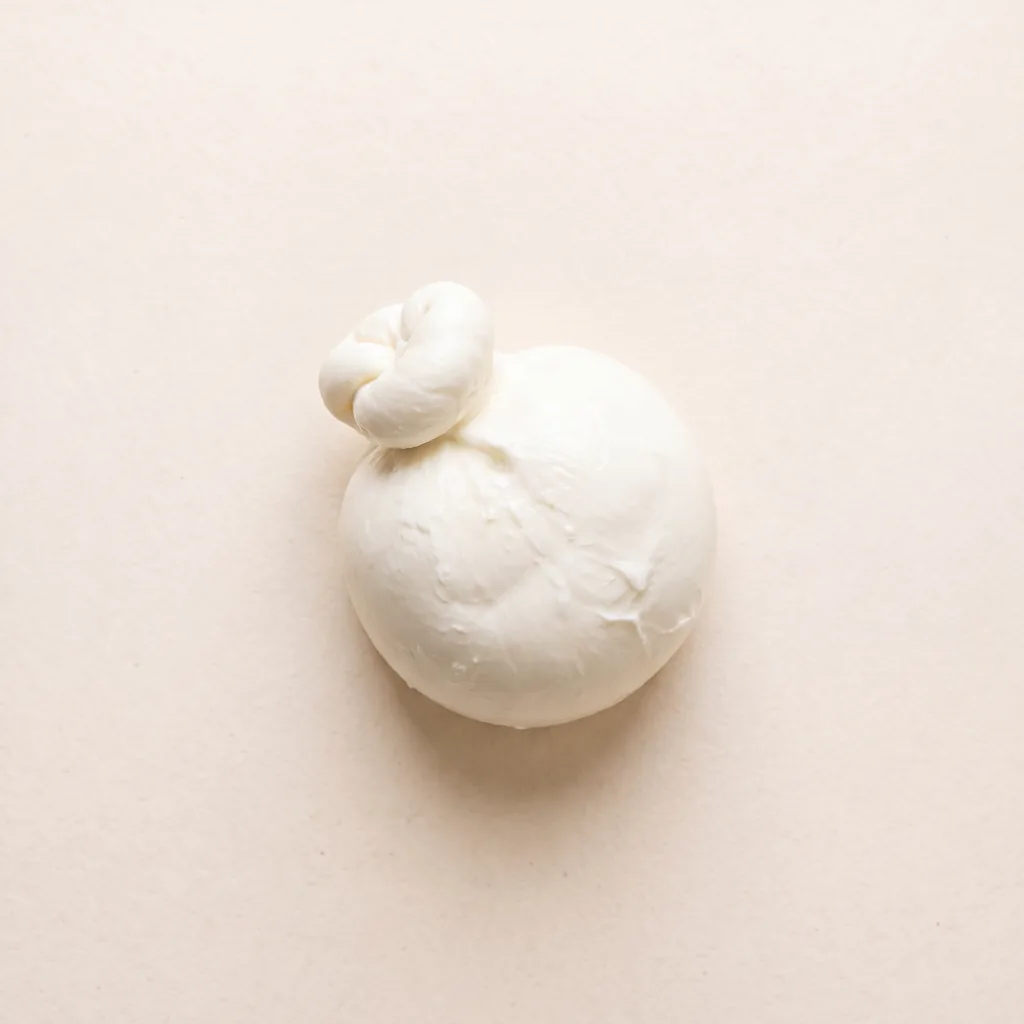
Queso fresco can be a choking hazard, though its crumbly texture makes it less risky than some cheeses.

Can I give queso fresco before 12 months?

Not advised. Its sodium is moderate and it carries foodborne illness risk. For babies under 12 months pick other pasteurized, low-sodium cheeses.

Is pasteurized queso fresco safe?

It is far safer than raw, but pasteurized versions have also been tied to outbreaks through contamination after pasteurization. Check recalls.

What can I give instead?

Pasteurized low-sodium cheeses such as emmentaler, and fresh cottage-type cheeses, suit babies before 12 months.

Prepared by the Lokmini team | Last updated November 17, 2026

Share:WhatsApp

Want to add this food to your baby's solid food calendar?

Join Lokmini to learn how this food is served at each age and to keep track of every food your baby tries.

Join Lokmini

Starting Solids

When and how to start solids, and what happens in the first week?

Read the guide

Similar foods

Let's get ready for the first bite together

Lokmini builds a day-by-day plan for your baby's age. Leave your email for new guides and our newsletter.

Start Your Journey