Skip to content

Dietitian's view

Do not give juice to your baby.

Lokmini is not a healthcare provider and does not offer health services. For your baby's specific needs, talk to your doctor or a dietitian.

  • Drinks
  • 12 mo+
  • Low choking risk

Juice for babies: when to start

Juice is not recommended for babies under 12 months. At this age the main drink is breast milk or formula. From about 6 months, small amounts of water can be offered alongside solids.

  • Fruit sugars
  • Vitamin C
  • Fluid
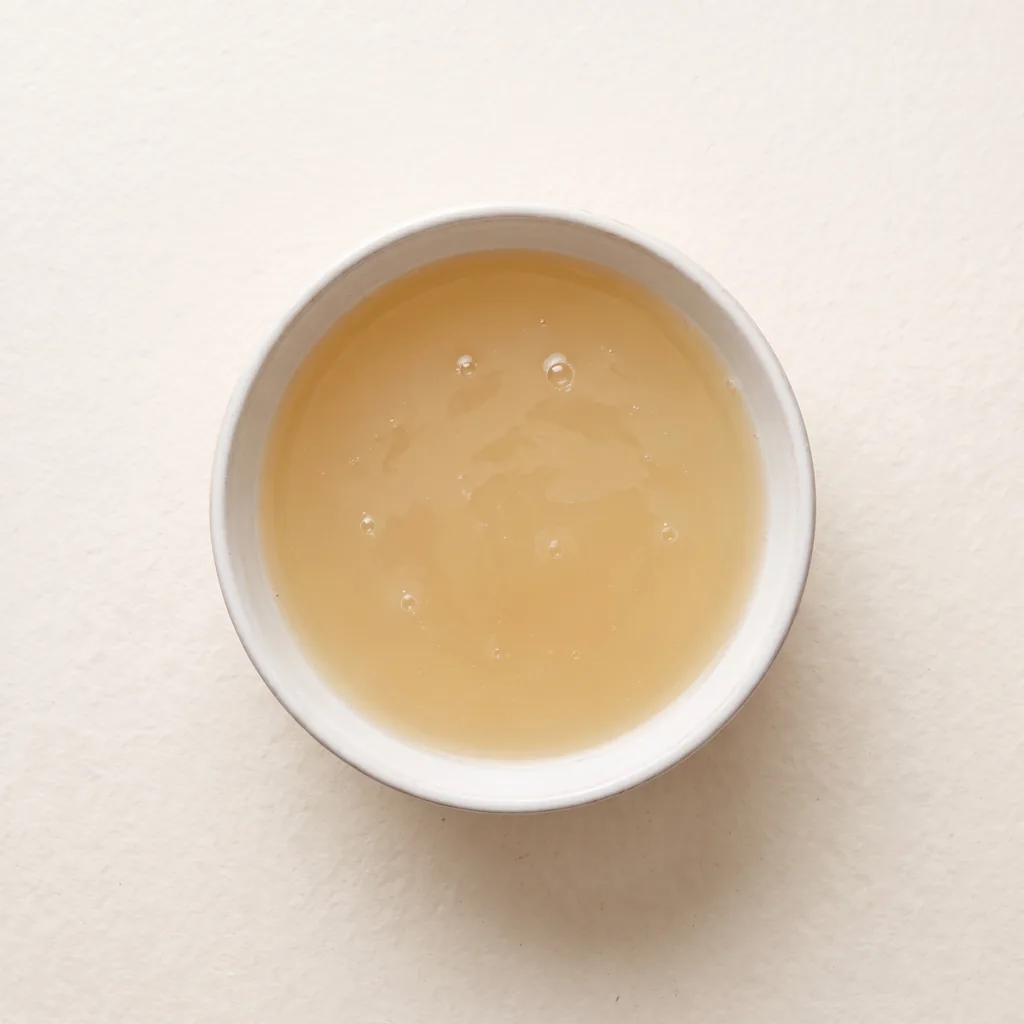
Juice prepared for a baby

About juice

After 12 months, small amounts of pasteurized, 100% fruit juice can be given. But whole fruit is a better choice because it contains fiber. You may also choose to wait until the second birthday to give juice.

Drinking juice often and in large amounts can raise the risk of tooth decay. It can also affect appetite, cut down on other nourishing foods and add to excess energy intake.

Using a little juice as an ingredient in dishes is different from serving it as a drink. Still, there is no need to use juice in baby food. Choose the fruit itself whenever you can.

Before 12 months

Do not give juice to a baby under 12 months unless a doctor advises it.

Also known as: meyve suyu, taze sıkılmış meyve suyu, soğuk sıkım meyve suyu, sebze suyu

  • Gluten-free
  • Vegan

How to prepare it by age

12 monthsMash

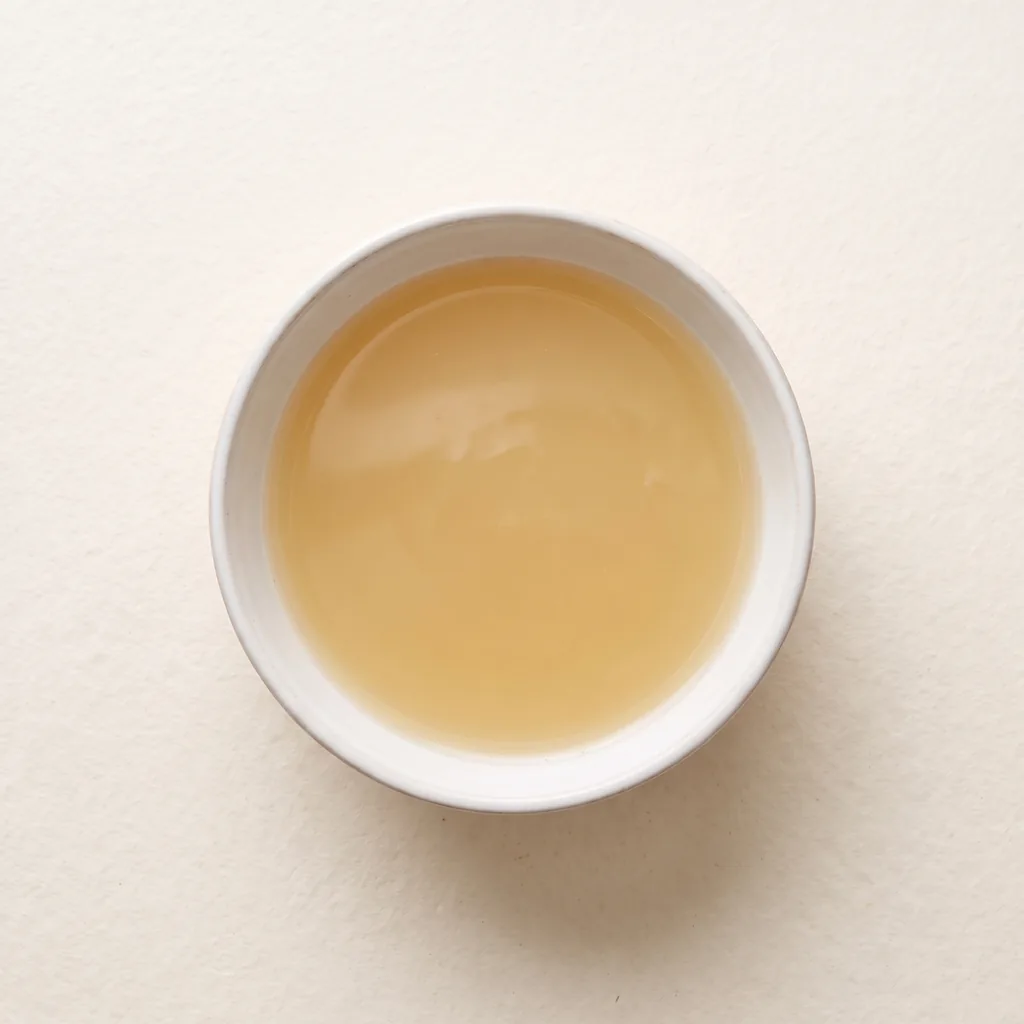
Juice prepared for 12 months

Choose pasteurized, 100% juice with no added sugar. Give no more than 120 ml a day. Thin it with water when you can, and pour it into an open cup or a straw cup at a meal, to be finished in one go. Offer water right after. Do not put it in a bottle or in a cup that is sipped all day.
Choking risk

  1. Low
  2. Medium
  3. High

Juice is not a common cause of choking in babies. But like other liquids, it can slip into the airway during swallowing.

When juice is suitable for your child's age, offer it in small sips from an open cup or straw cup while your child sits upright. Make sure they do not rush while drinking.

Stay with your child and supervise the whole time while they drink. If they often cough, seem to choke or have trouble swallowing, talk to your doctor.

Allergen information

Juice on its own is not a common allergen. But it can cause allergic reactions in children who are allergic to the fruit it is made from.

Some people with pollen food allergy syndrome may react to juices, especially those made from raw fruit. Symptoms are usually itching, tingling or mild swelling in the mouth and throat. Heat treatment can weaken some allergens, but it does not stop every allergic reaction.

Acidic juices can cause temporary redness around the mouth. This does not always mean a food allergy. In some children, frequent or irritating stools can also make diaper rash worse. Gently cleaning around the mouth and using a suitable barrier cream when needed can help look after the skin.

If hives, marked swelling or repeated vomiting develop, talk to your doctor. If there is trouble breathing, call emergency services right away.

Raw juice

Raw, unpasteurized juice raises the risk of foodborne illness. Babies and children with weak immunity are more vulnerable.

Frequently asked questions

What age can babies eat juice?

Juice is not recommended for babies under 12 months. At this age the main drink is breast milk or formula. From about 6 months, small amounts of water can be offered alongside solids.

Is juice a common allergen?

Juice on its own is not a common allergen. But it can cause allergic reactions in children who are allergic to the fruit it is made from.

How do you prepare juice for babies?

For a 12-month-old: Choose pasteurized, 100% juice with no added sugar. Give no more than 120 ml a day. Thin it with water when you can, and pour it into an open cup or a straw cup at a meal, to be finished in one go. Offer water right after. Do not put it in a bottle or in a cup that is sipped all day.

Is juice a choking hazard for babies?

Juice is not a common cause of choking in babies. But like other liquids, it can slip into the airway during swallowing.

When can a baby drink juice?

Do not give juice to babies under 12 months unless a doctor recommends it. After 12 months, it can be offered in small amounts, but it is better to limit it as much as possible until age 2 and choose whole fruit instead.

How much juice can I give a day?

For children 12 to 23 months, do not go over 120 ml a day. This amount is an upper limit, not a target to reach. If you like, you can dilute it with water and serve it in an open cup, ideally with a meal.

Can juice cause cavities?

Drinking juice often can raise the risk of tooth decay. Sipping it often throughout the day and giving it in a bottle are not recommended. Serving it with a meal and offering water afterward can help look after your child's teeth.

Can juice contain heavy metals?

Yes. Some juices can contain heavy metals such as lead or arsenic, which can come from environmental sources. Levels vary by product and production conditions. Limiting juice can help reduce exposure to these substances.

Can I give fresh-squeezed or cold-pressed juice?

Unpasteurized juices can contain harmful microorganisms. So choose pasteurized products for young children. Cold-pressed does not mean the product went through a safe treatment. This method also does not remove the downsides of juice: low fiber and free sugars.

Does juice help with constipation?

Juices like prune and pear contain sorbitol but no fiber. Too much can cause diarrhea. If constipation continues, see your doctor.

Prepared by the Lokmini team | Last updated November 19, 2026

Share:WhatsApp

Want to add this food to your baby's solid food calendar?

Join Lokmini to learn how this food is served at each age and to keep track of every food your baby tries.

Join Lokmini

Starting Solids

When and how to start solids, and what happens in the first week?

Read the guide

Similar foods

Let's get ready for the first bite together

Lokmini builds a day-by-day plan for your baby's age. Leave your email for new guides and our newsletter.

Start Your Journey