Uzm. Dyt. Berk AysanPrepared the latest update, November 14, 2026
Lokmini is not a healthcare provider and does not offer health services. For your baby's specific needs, talk to your doctor or a dietitian.
- Sweeteners
- 24 mo+
- Low choking risk
Sugar for babies: when to start
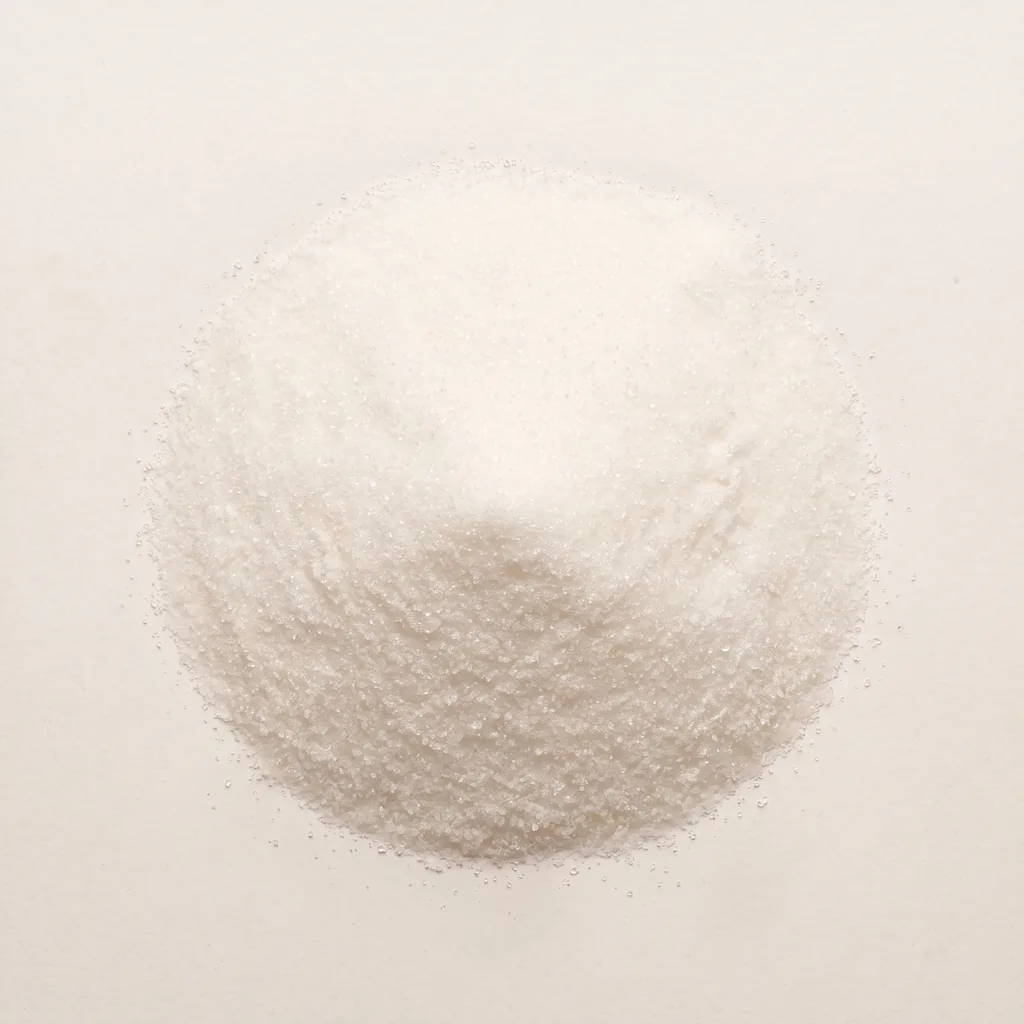
Sugar is a carbohydrate that can be made from plants such as sugar cane and sugar beet. Breast milk and cow's milk contain lactose, and fruits naturally contain various sugars. But sugars found naturally in foods and sugars added to foods are not viewed the same way.
- Carbohydrate
About sugar
Note
CDC advises no added sugars under 2 years.
Babies do not need sugar added to their food to grow and develop. Avoiding added sugar is recommended for children under 2 years of age.
Eating sugary foods and drinks often can raise the risk of tooth decay. They can also take the place of nutritious foods and lower the quality of the diet.
No honey before 12 months
Honey can contain Clostridium botulinum spores, which can cause infant botulism. So do not give honey to babies under 12 months, whether raw, cooked or mixed into other foods.
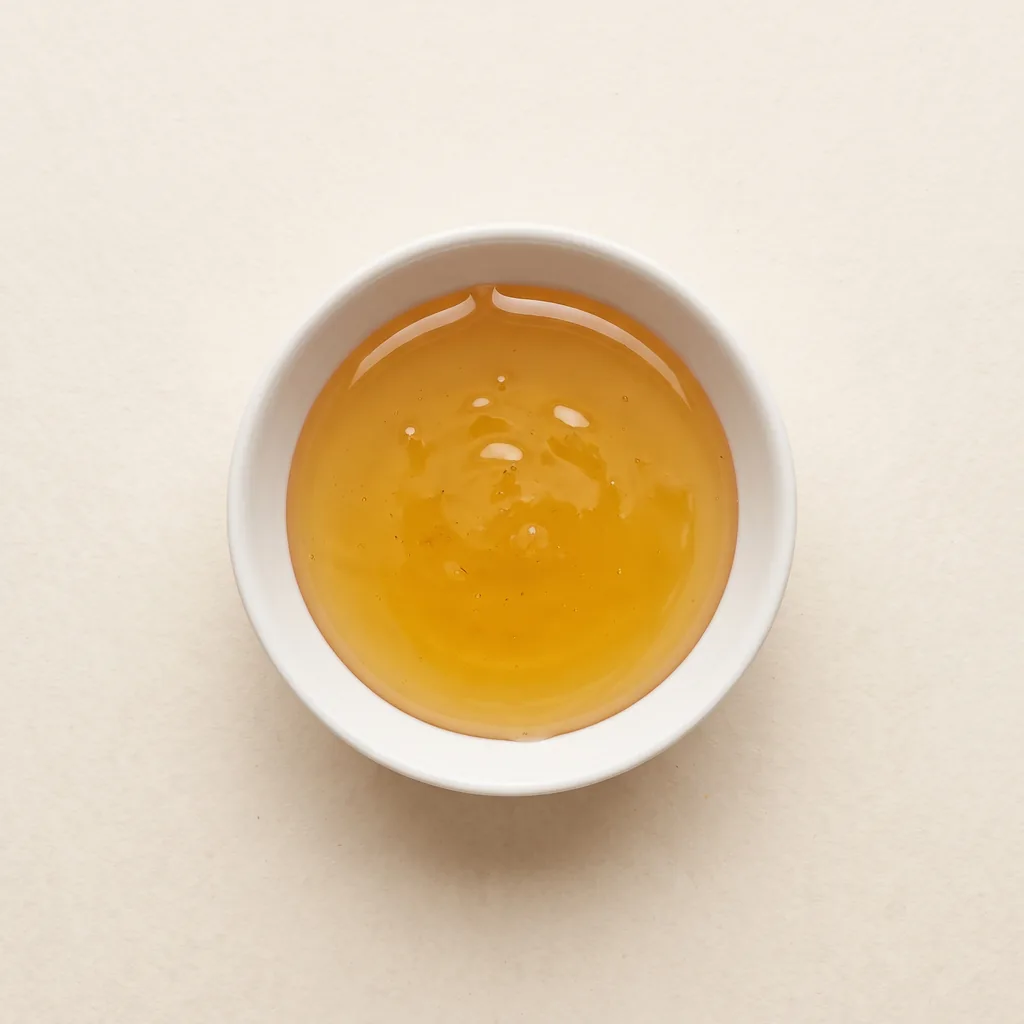
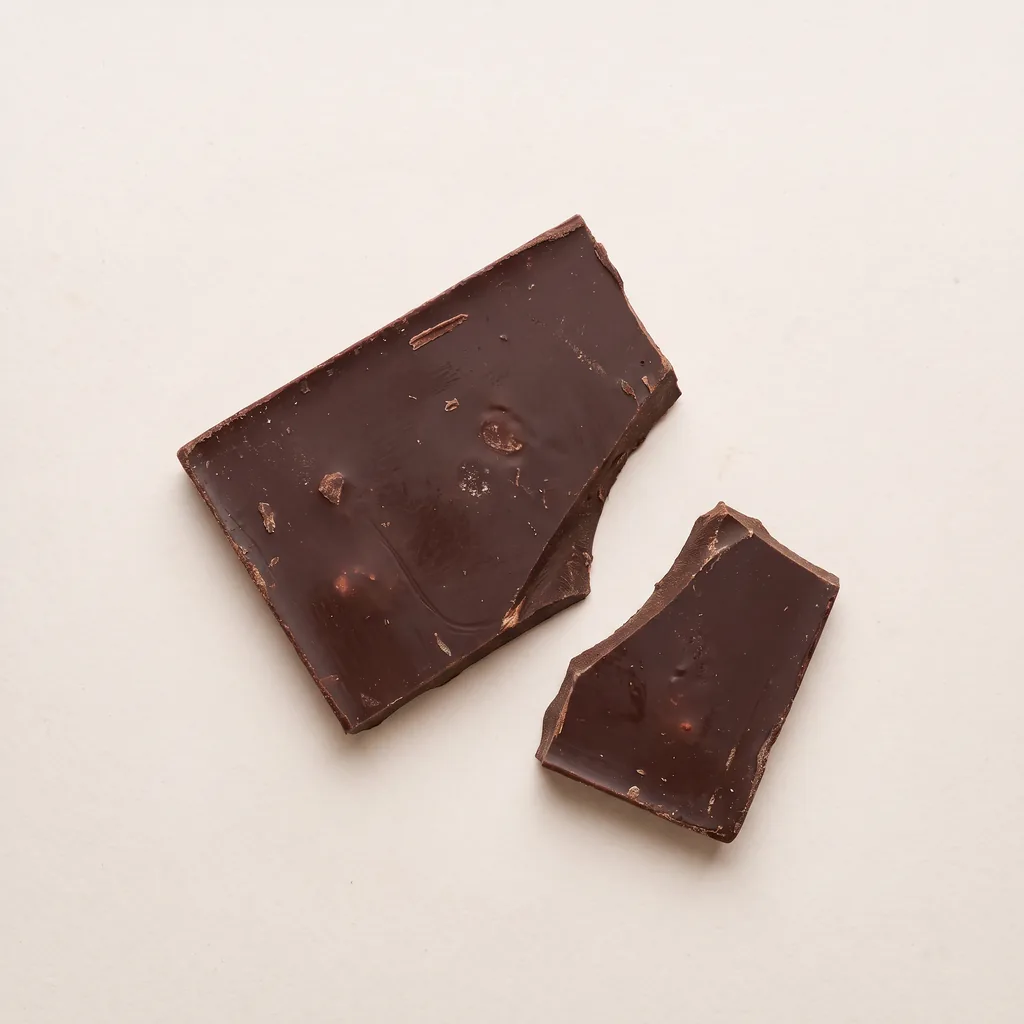
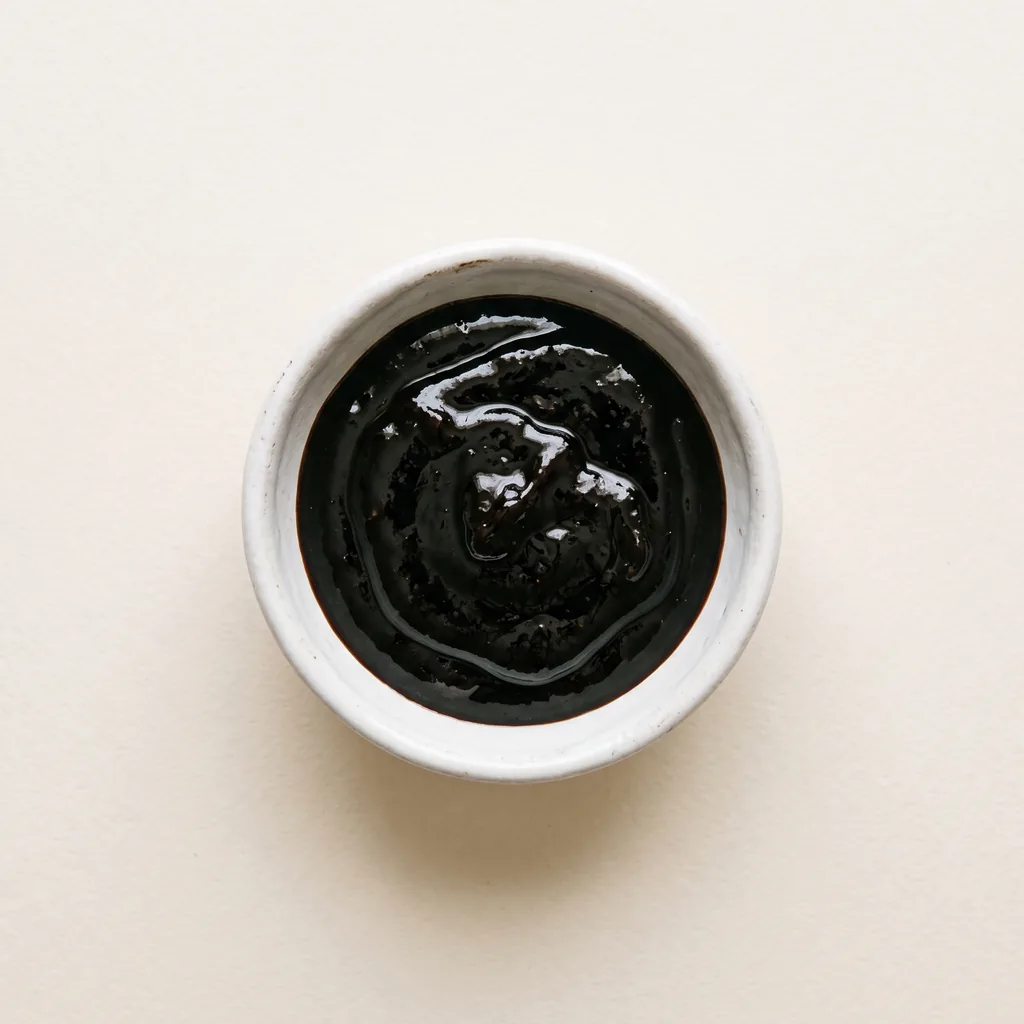
Also known as: toz şeker, sofra şekeri, kesme şeker, rafine şeker
- Gluten-free
- Vegan
Choking risk
- Low
- Medium
- High
Granulated sugar added to food does not pose a notable choking hazard on its own. But hard candies, sugar cubes, caramels and sticky sweets can pose a choking risk for babies and young children.
Do not offer these foods to your baby. Prepare the texture and size of food to suit your child's developmental skills. Make sure your child sits upright during meals and watch them at all times.
Allergen information
Pure table sugar (sucrose) is not a known common food allergen. Allergic reactions seen after sugary foods are often linked to other ingredients in these products, such as milk, egg, wheat or peanut.
You can include common allergens in your baby's diet in suitable forms once your baby is ready for solids. Eating an allergen before without problems does not prove that an allergy will never develop.
If hives, swelling, vomiting or other signs of allergy appear after a food, get medical advice. For serious signs such as trouble breathing, call emergency services right away.
Is sugar an allergen?
Pure table sugar is not a common food allergen. Allergic reactions to sugary foods may be caused by other ingredients such as milk, egg, wheat or nuts. So check the ingredient and allergen information on ready-made products.
Frequently asked questions
What age can babies eat sugar?
Is sugar a common allergen?
Is sugar a choking hazard for babies?
What amount of sugar is acceptable for a baby?
Will my baby get hooked on sugar?
Can a baby have stevia or artificial sweeteners?
Does sugar affect a baby's weight?
Sources
- Pediatrics, Fruit Juice in Infants, Children, and Adolescents: Current Recommendations (2017)
- Journal of Pediatric Gastroenterology and Nutrition, Sugar in Infants, Children and Adolescents (2017)
- World Health Organization (WHO), Guideline: Sugars intake for adults and children (2015)
- World Health Organization (WHO), Guideline for complementary feeding of infants and young children 6-23 months of age (2023)
Want to add this food to your baby's solid food calendar?
Join Lokmini to learn how this food is served at each age and to keep track of every food your baby tries.