Skip to content
  • Wheat and gluten allergen
  • Cow's milk allergen
  • Egg allergen
  • Grains
  • 6 mo+
  • Low choking risk

Waffle for babies: when to start

Honey-free waffles are an option when your baby is ready for solids, around 6 months. Honey carries an infant botulism risk and should wait until 12 months.

  • Carbohydrates
  • Protein
  • Calcium
  • Iron
  • Folate
  • B vitamins
Waffle prepared for a babyAllergen, day 1/3

About waffle

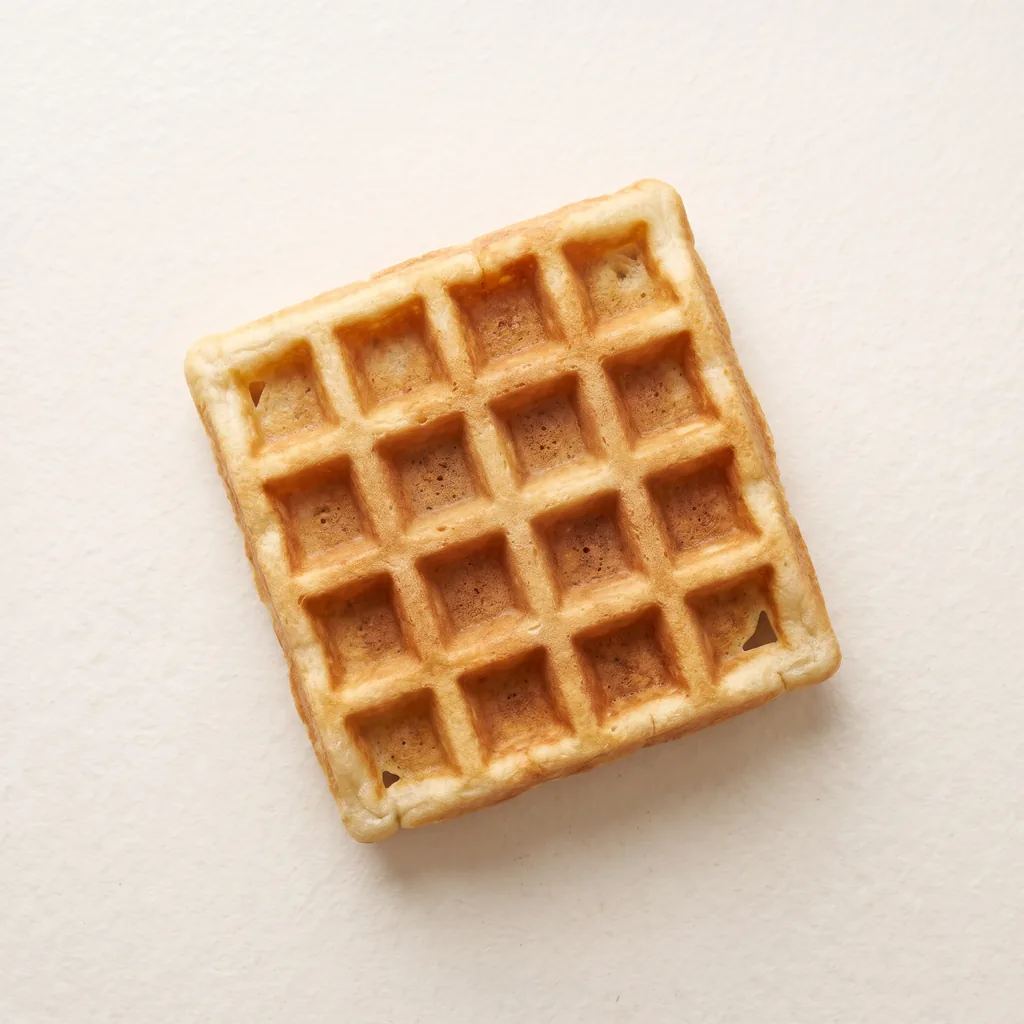
Most waffles are a leavened batter baked in a waffle iron, which gives them their grid shape and texture. You will find sweet versions such as green pandan waffles or stroopwafels, and savory ones such as potato waffles.

Waffles mostly give carbohydrates, with some protein and fat. Depending on the type they can also supply calcium, iron, folate and B vitamins, which fuel growth and play.

No honey

Avoid waffles made with or topped with honey before 12 months.

Also known as: vafıl, wafel, belçika waffle'ı, dondurulmuş waffle

  • Vegetarian
  • Contains dairy
  • Contains egg

Waffle is offered 3 days in a row

So that any reaction can be linked to the right food, waffle is offered 3 days in a row and no other new food is tried on those days.

  1. 1/3

    First taste

    Start with a small amount in the morning or around midday. Your baby is watched closely for 5 to 10 minutes after the first bite.

  2. 2/3

    Same food, same calm

    Waffle is offered again the same way. No other new food is tried today.

  3. 3/3

    Introduction done

    If no reaction was seen, waffle is now part of your baby's meals. It keeps being offered regularly.

Emergency

If your baby has trouble breathing or swelling of the face or tongue, call 911 (or your local emergency number) right away.

About waffle allergy

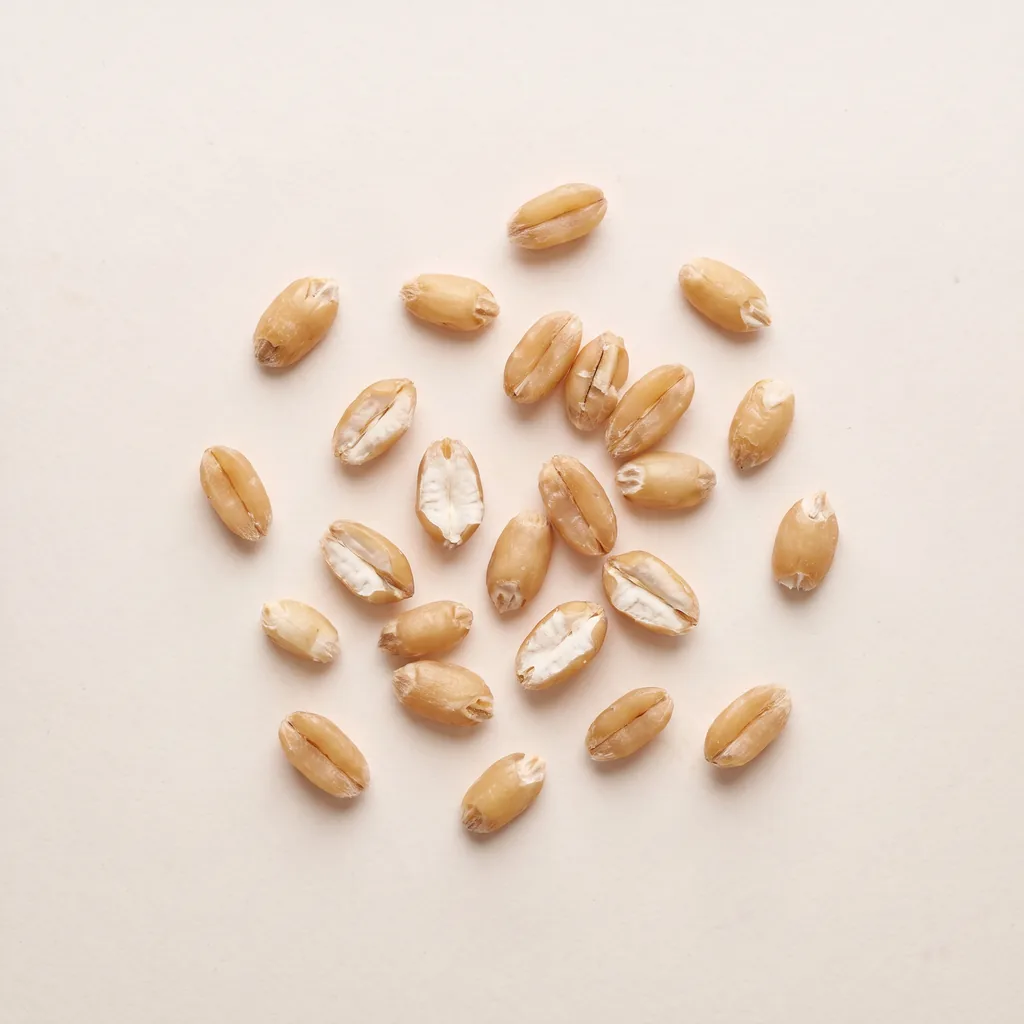
Yes, waffles contain allergens. Most are made with wheat, milk and eggs, and depending on the type they may also include soy or nuts such as almonds and peanuts.

At home you choose the ingredients. With store-bought waffles, check the list every time. Before serving waffles, try each common allergen on its own first. That way, if there is a reaction, you will know the cause.

First try

As with any new food, begin with a small amount for the first few servings. If there is no reaction, increase it gradually.

How to prepare it by age

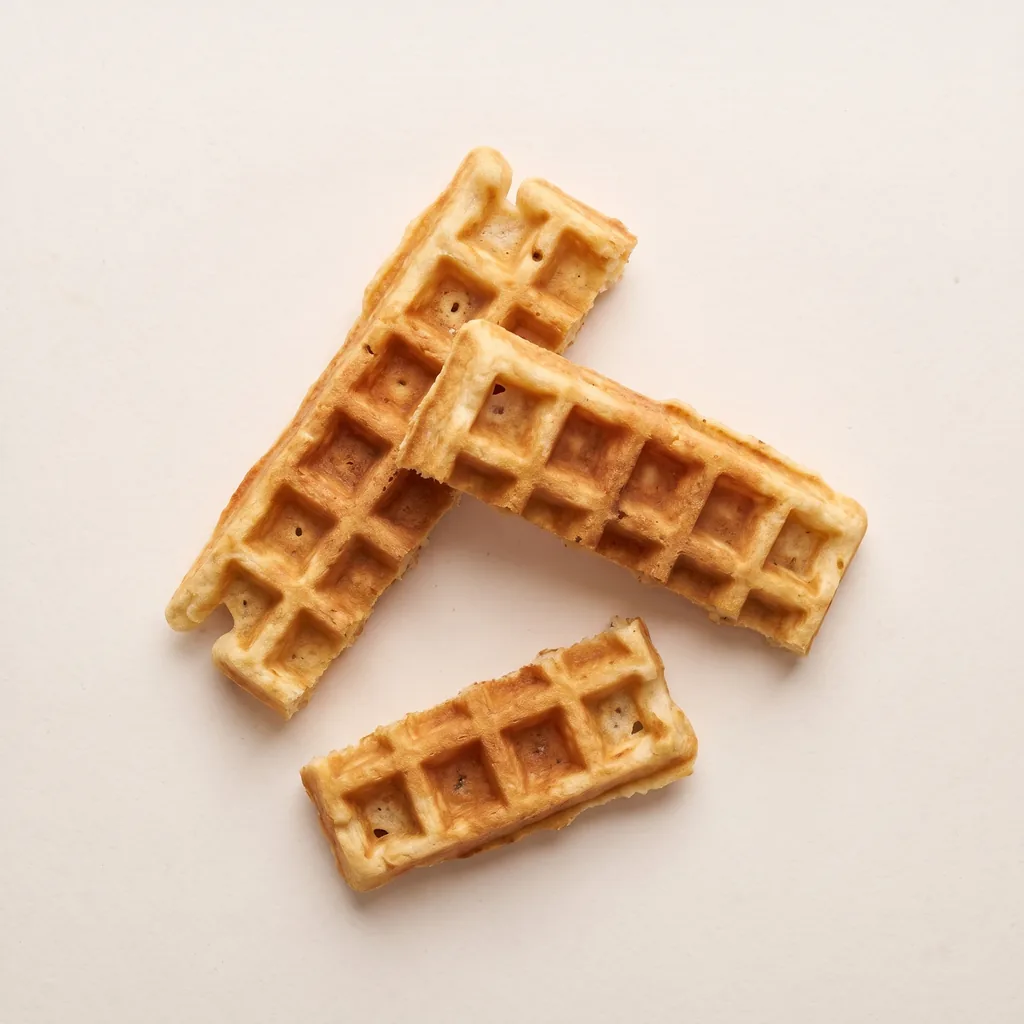
6 monthsStrip

Waffle prepared for 6 months

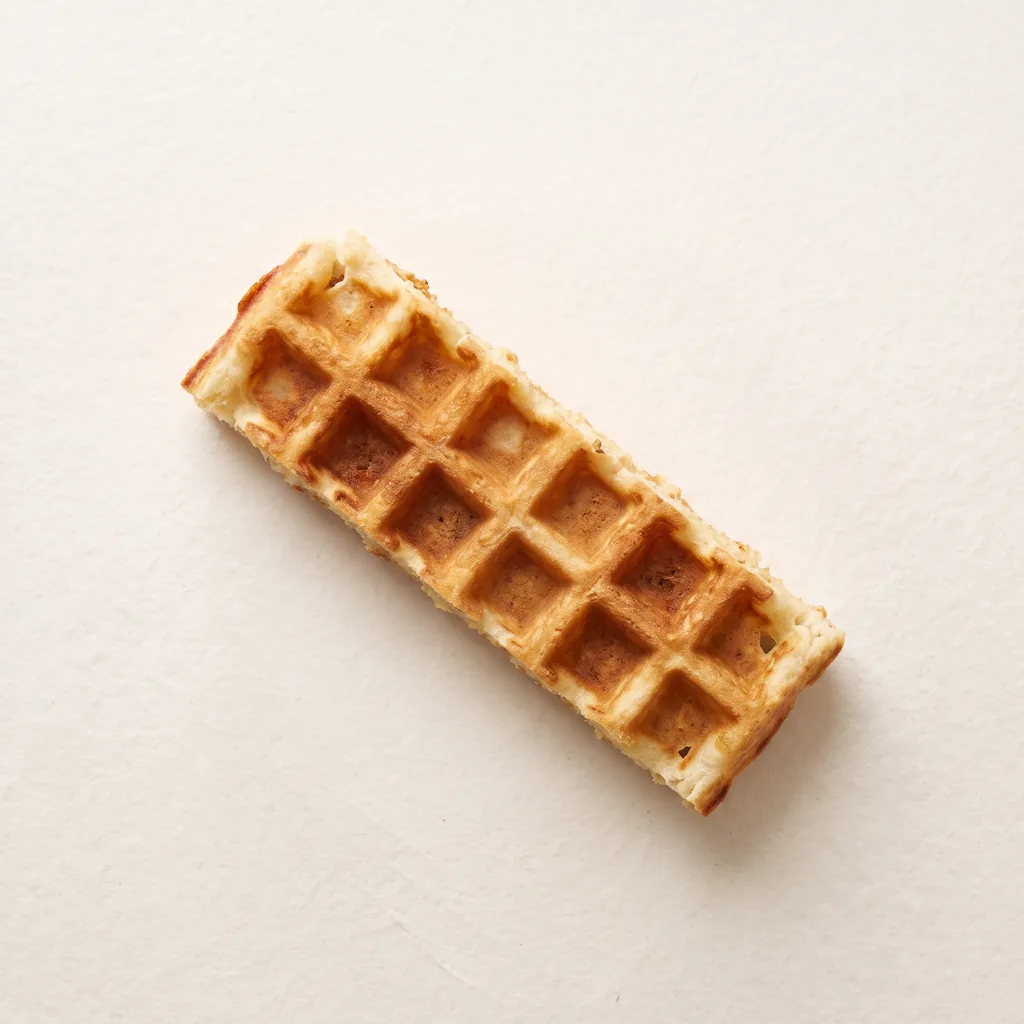
Cut: Finger strip

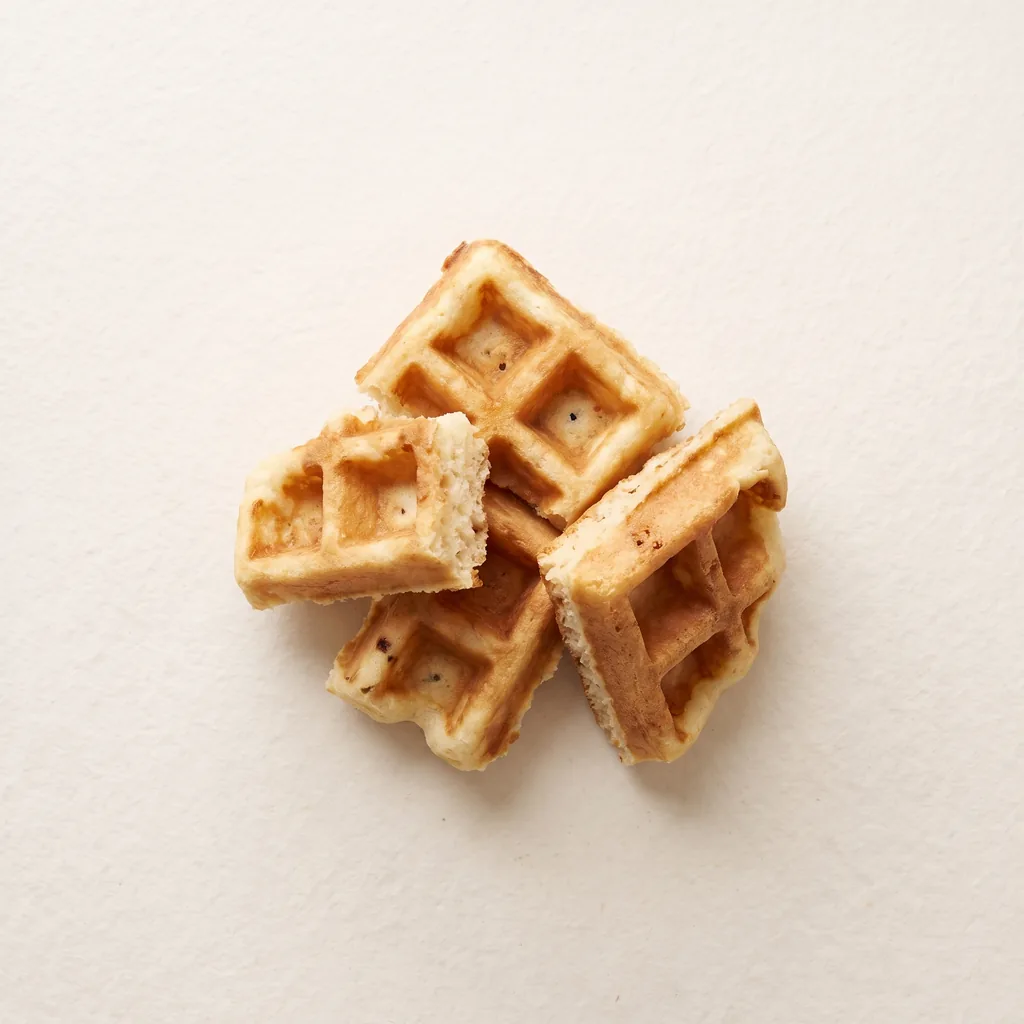
Cut the waffle into strips about as thick as two adult fingers. If your baby struggles to grip a strip, hold it in the air and let them take it from you. A waffle with a crisp outside, such as one freshly made or toasted, sticks less in the mouth. Very soft, fluffy waffles can set off more gagging. Spread butter, or a thin layer of applesauce or yogurt, on a waffle that is very fluffy or very dry. Skip any waffle made with or topped with honey.
9 monthsCube

Waffle prepared for 9 months

Small pieces are fine, and strips remain good for practicing how to bite and tear. If your baby overstuffs the mouth, give one piece at a time. Keep avoiding waffles that contain honey.

12 monthsSlice

Waffle prepared for 12 months

Serve strips or small pieces. At this age your child can also pick up a whole waffle and bite into it. Give a toddler-sized fork if you like, but steady, accurate utensil use usually comes closer to age 2.

Choking risk

  1. Low
  2. Medium
  3. High

Waffles are low risk when prepared to suit your child's age. Very fluffy or sticky ones can cause more gagging, and a cup of water alongside helps. Stay close during meals.

Frequently asked questions

What age can babies eat waffle?

Honey-free waffles are an option when your baby is ready for solids, around 6 months. Honey carries an infant botulism risk and should wait until 12 months.

Is waffle a common allergen?

Yes, waffles contain allergens. Most are made with wheat, milk and eggs, and depending on the type they may also include soy or nuts such as almonds and peanuts.

How do you prepare waffle for babies?

For a 6-month-old: Cut the waffle into strips about as thick as two adult fingers. If your baby struggles to grip a strip, hold it in the air and let them take it from you. A waffle with a crisp outside, such as one freshly made or toasted, sticks less in the mouth. Very soft, fluffy waffles can set off more gagging. Spread butter, or a thin layer of applesauce or yogurt, on a waffle that is very fluffy or very dry. Skip any waffle made with or topped with honey.
Is waffle a choking hazard for babies?

Waffles are low risk when prepared to suit your child's age. Very fluffy or sticky ones can cause more gagging, and a cup of water alongside helps. Stay close during meals.

Can babies have frozen waffles?

Yes. Some are high in salt and sugar, but babies eat little. Read the label.

Can I give a frozen waffle for teething?

Yes, in a safe setup with supervision, if the allergens in it have been tried already. Swap it out once it turns gummy.

Why might a waffle cause gagging?

Very soft, fluffy waffles can stick in the mouth. Choose a crisp one, add butter or yogurt, and offer water.

Prepared by the Lokmini team | Last updated November 17, 2026

Share:WhatsApp

Want to add this food to your baby's solid food calendar?

Join Lokmini to learn how this food is served at each age and to keep track of every food your baby tries.

Join Lokmini

Starting Solids

When and how to start solids, and what happens in the first week?

Read the guide

Similar foods

Let's get ready for the first bite together

Lokmini builds a day-by-day plan for your baby's age. Leave your email for new guides and our newsletter.

Start Your Journey