Skip to content

Uzm. Dyt. Berk AysanPrepared the latest update, November 14, 2026

Lokmini is not a healthcare provider and does not offer health services. For your baby's specific needs, talk to your doctor or a dietitian.

  • Vegetables
  • 6 mo+
  • Medium choking risk

Tomato for babies: when to start

Tomatoes can be offered once your baby is developmentally ready for solids, usually around 6 months. Cherry and grape tomatoes in particular carry a choking risk when served whole. Read the serving section for safe ways to prepare them.

  • Vitamin C
  • Lycopene
  • Carotenoids
  • Potassium
  • Folate
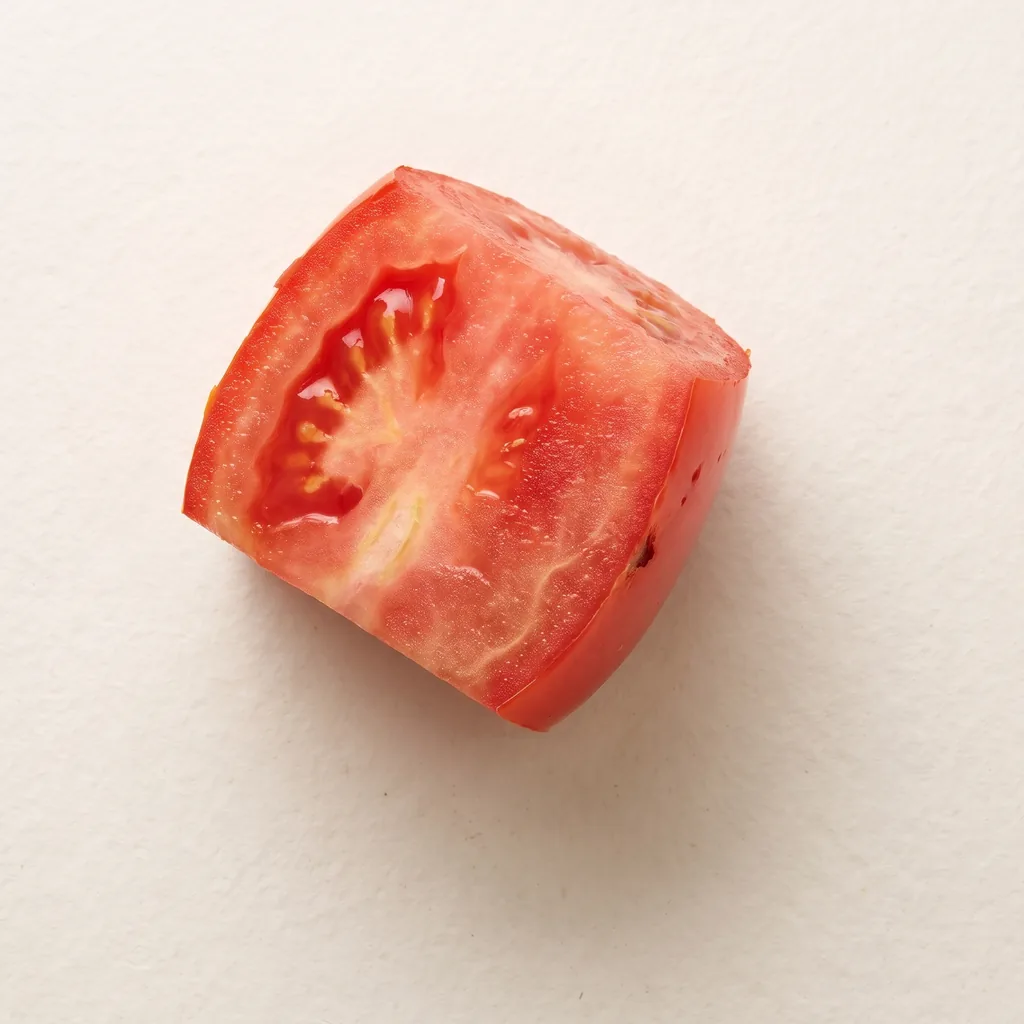
Tomato prepared for a baby

About tomato

The tomato comes from South America, and its domestication also spread into Central America. Today it is a very common ingredient in kitchens worldwide.

Nutrition

Tomato contains vitamin C. So it pairs well with plant iron foods such as beans, lentils and peas.

Tomato also contains natural plant compounds such as carotenoids, the pigments that give plants their color. The main one is lycopene, which has antioxidant properties. The amount of these compounds can vary with the tomato's variety and ripeness.

Tomato also contains potassium, folate and carotenoids that the body turns into vitamin A, such as beta carotene.

Also known as: domates, salkım domates, tomato, çeri domates

  • Gluten-free
  • Vegan

How to prepare it by age

6 monthsStrip

Tomato prepared for 6 months

Cut: Thick wedge

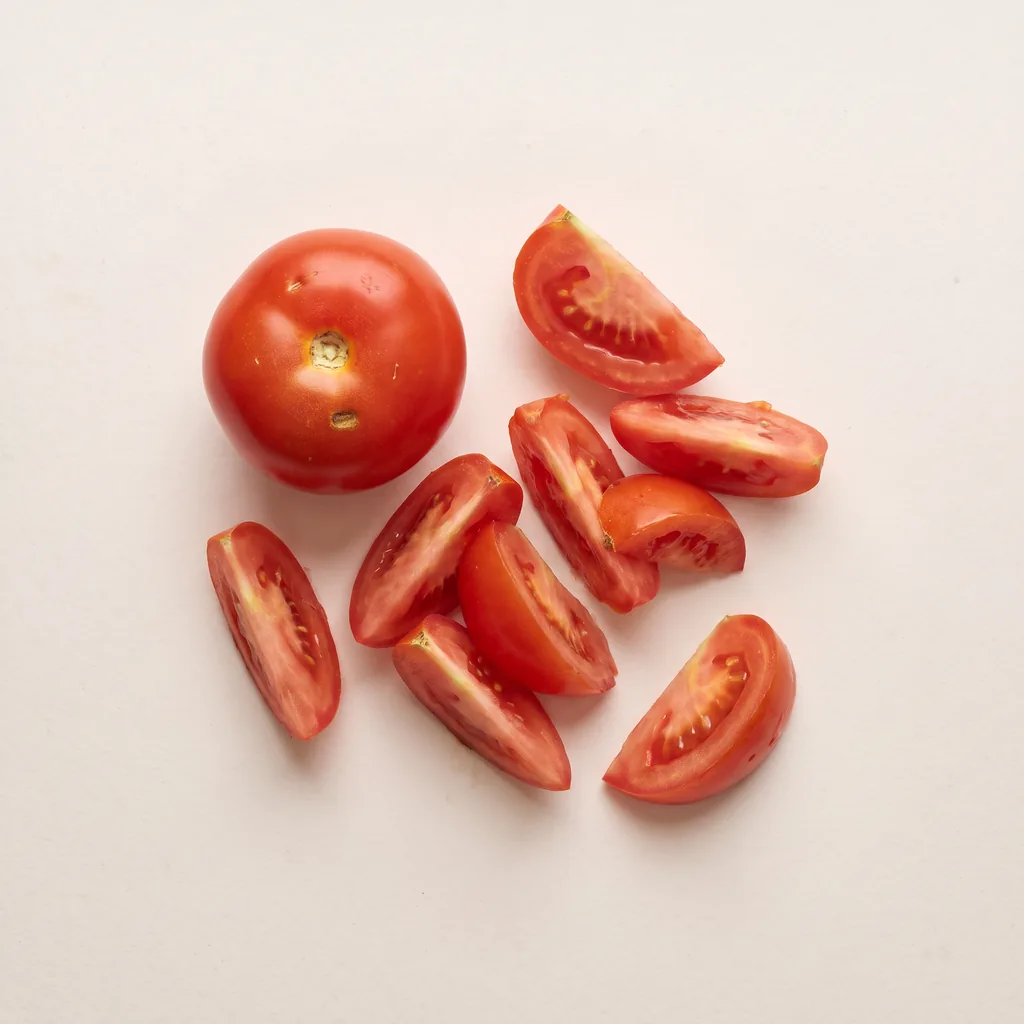
Wash a large ripe tomato and slice it. Peel off the skin and scoop out the seedy part with a spoon. Offer a palm-sized slice for your baby to grip. Because of the acid, a rash can appear around the mouth. This is not an allergy. Wipe it with a clean cloth.

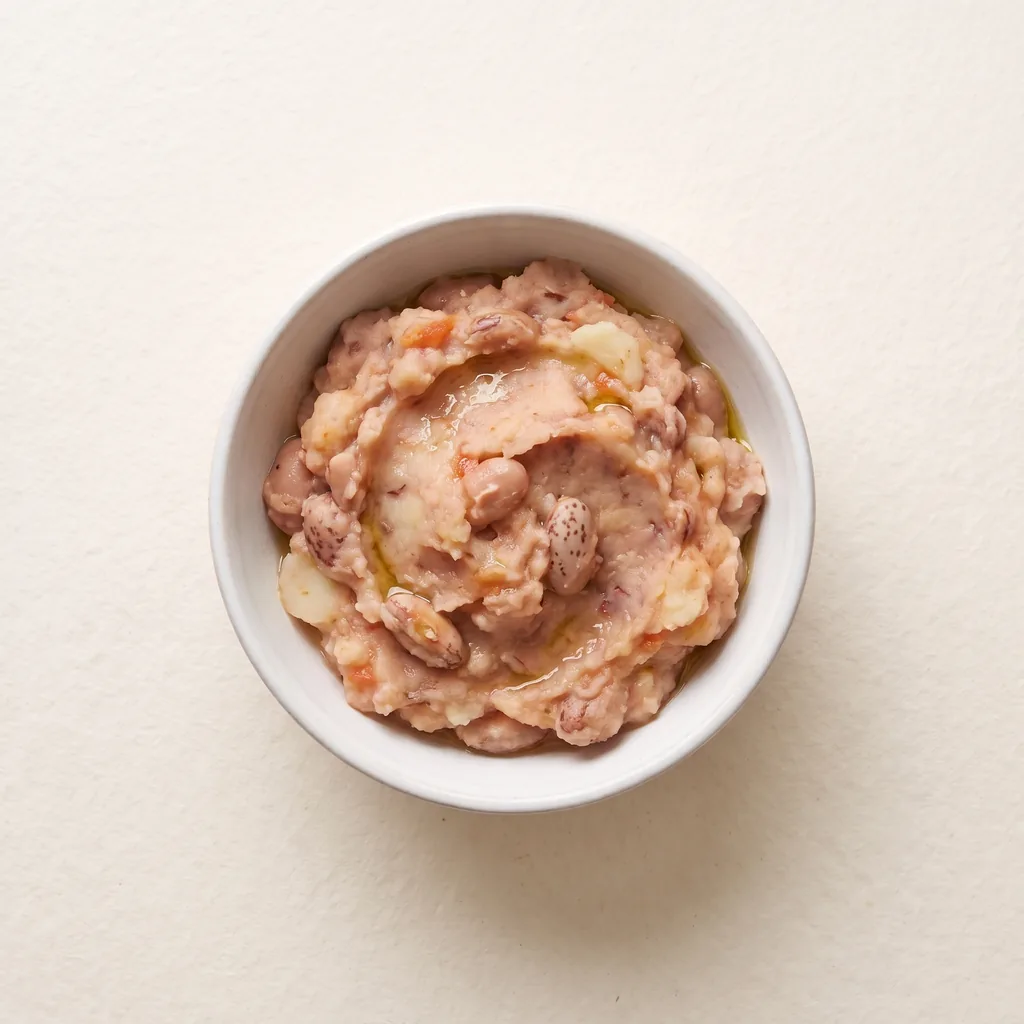
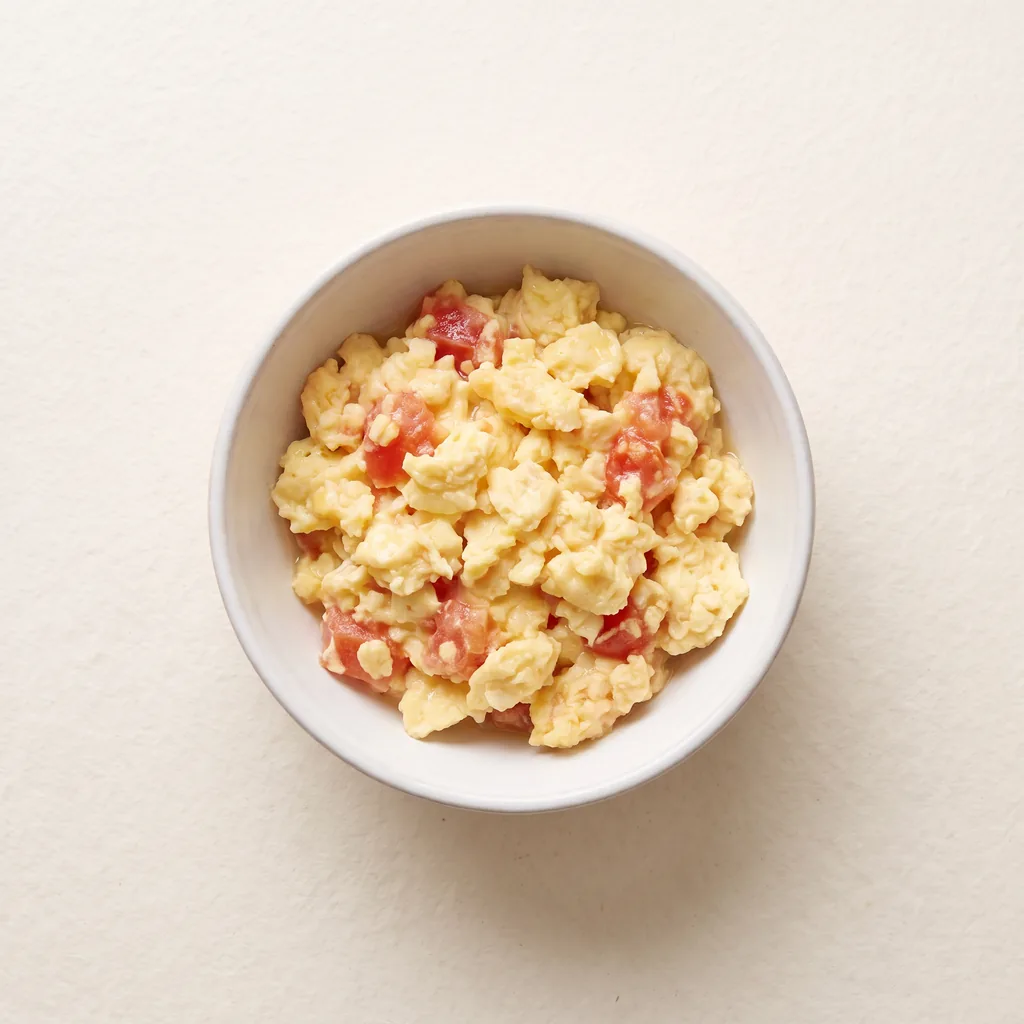
9 monthsCube

Cut: Bite sized piece

Cut a peeled ripe tomato into small flat pieces. Never serve cherry tomatoes whole or halved. Cut them in quarters lengthwise. You can set aside a salt-free portion of menemen or tomato bulgur.

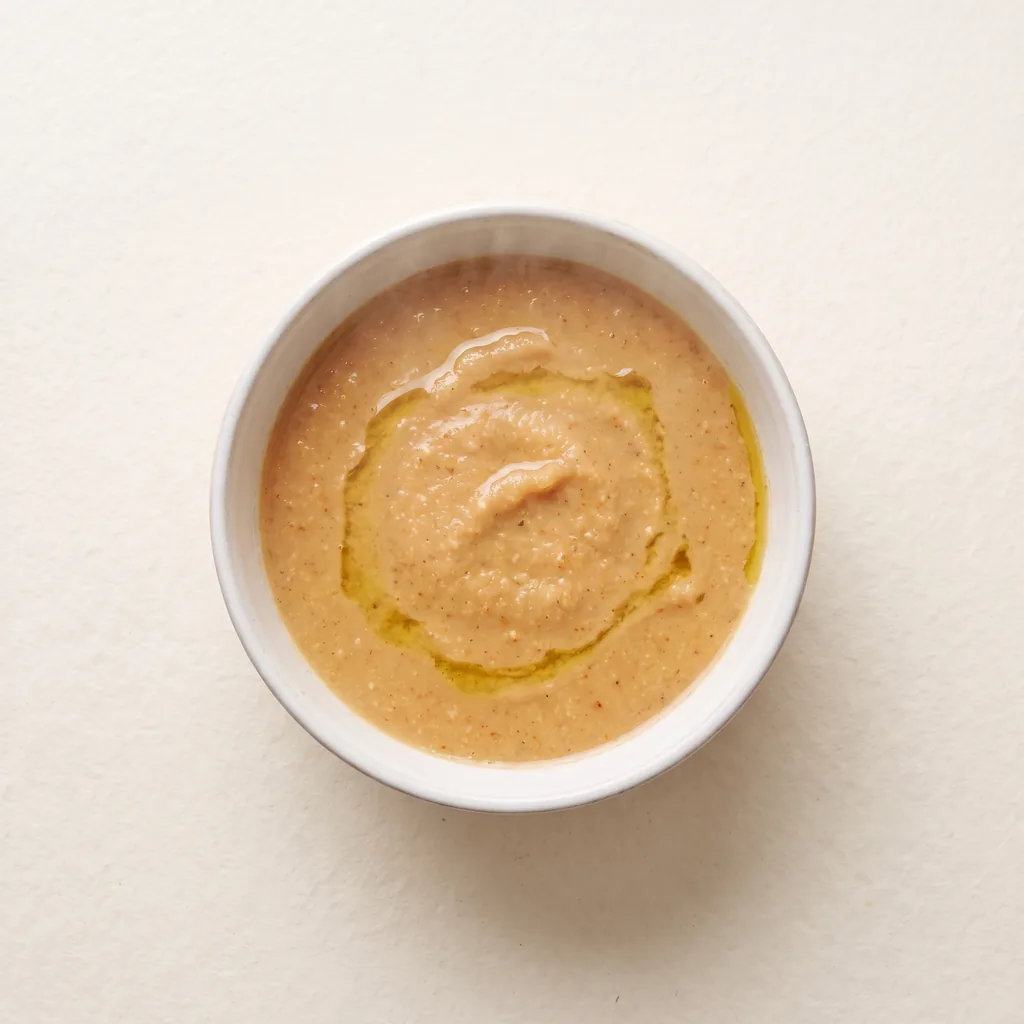
12 monthsCube

Tomato prepared for 12 months

Cut: Bite sized piece

Give tomato in bite-sized pieces. The skin can stay on now. Keep quartering cherry tomatoes until age 4. You can make tomato soup and sauce with little salt and add them to meals.

Choking risk

  1. Low
  2. Medium
  3. High

Yes. Cherry and grape tomatoes in particular are small, round and slippery, which raises choking risk. Do not give these tomatoes to your baby whole. Quarter them lengthwise and cut them into smaller pieces when needed.

Prepare large tomatoes to suit your baby's development too. Make sure your baby sits upright during meals, stay with them and set up a safe space.

Allergen information

Tomato is not one of the common food allergens, but it can cause allergic reactions. Tomato belongs to the nightshade family. Some people allergic to other foods in this family may react to tomato too, but this does not mean a cross-allergy will always develop.

Some people, especially those with grass pollen allergy, may feel itching, tingling or discomfort in the mouth after eating tomato. This is called pollen food allergy syndrome. Cooking tomato may lessen symptoms in some people, but it does not stop every allergic reaction.

Tomato is acidic and can cause redness around the mouth and chin that is not related to allergy. In some babies it can also add to diaper area irritation. These contact rashes are usually mild and can fade over time once the skin is gently cleaned.

When you give tomato for the first time, offer a small amount on its own and watch your baby. If signs such as hives, lip swelling or vomiting develop, stop giving it and talk to your doctor or a dietitian.

For serious signs such as trouble breathing, swelling of the tongue or throat, sudden marked tiredness or loss of consciousness, call emergency services right away.

Frequently asked questions

What age can babies eat tomato?

Tomatoes can be offered once your baby is developmentally ready for solids, usually around 6 months. Cherry and grape tomatoes in particular carry a choking risk when served whole. Read the serving section for safe ways to prepare them.

Is tomato a common allergen?

Tomato is not one of the common food allergens, but it can cause allergic reactions. Tomato belongs to the nightshade family. Some people allergic to other foods in this family may react to tomato too, but this does not mean a cross-allergy will always develop.

How do you prepare tomato for babies?

For a 6-month-old: Wash a large ripe tomato and slice it. Peel off the skin and scoop out the seedy part with a spoon. Offer a palm-sized slice for your baby to grip. Because of the acid, a rash can appear around the mouth. This is not an allergy. Wipe it with a clean cloth.

Is tomato a choking hazard for babies?

Yes. Cherry and grape tomatoes in particular are small, round and slippery, which raises choking risk. Do not give these tomatoes to your baby whole. Quarter them lengthwise and cut them into smaller pieces when needed.

Is a rash after tomato an allergy?

Not always. Tomato is acidic and can cause redness from contact irritation, especially around the mouth and chin. On its own, this does not mean allergy. The redness usually fades over time once the skin is gently cleaned. But if hives, lip swelling, vomiting or other allergy signs come with it, talk to your doctor or a dietitian.

When can I serve cherry tomatoes whole?

Cherry and grape tomatoes are a choking risk because they are small, round and slippery. Especially for children under 5 years, do not give them whole. Quarter them lengthwise. Even if your child's chewing skills develop, just turning 2 years old does not make a whole cherry tomato safe.
Share:WhatsApp

Want to add this food to your baby's solid food calendar?

Join Lokmini to learn how this food is served at each age and to keep track of every food your baby tries.

Join Lokmini

Starting Solids

When and how to start solids, and what happens in the first week?

Read the guide

Similar foods

Let's get ready for the first bite together

Lokmini builds a day-by-day plan for your baby's age. Leave your email for new guides and our newsletter.

Start Your Journey