Skip to content
  • Proteins
  • 6 mo+
  • Medium choking risk

Turkey for babies: when to start

Well-cooked turkey can be offered when your baby is ready for solids, at about 6 months. The turkey is a large bird native to the forests and open land of the Americas.

  • Protein
  • Choline
  • Iron
  • Selenium
  • Zinc
  • Vitamin B6
Turkey prepared for a baby

About turkey

Turkey supplies protein, choline, iron, selenium and zinc, along with vitamins B6 and B12.

Also known as: dinde, hindi but, hindi eti, hindi göğsü, kıyma hindi

  • Gluten-free
  • Contains meat

How to prepare it by age

6 monthsStrip

Turkey prepared for 6 months

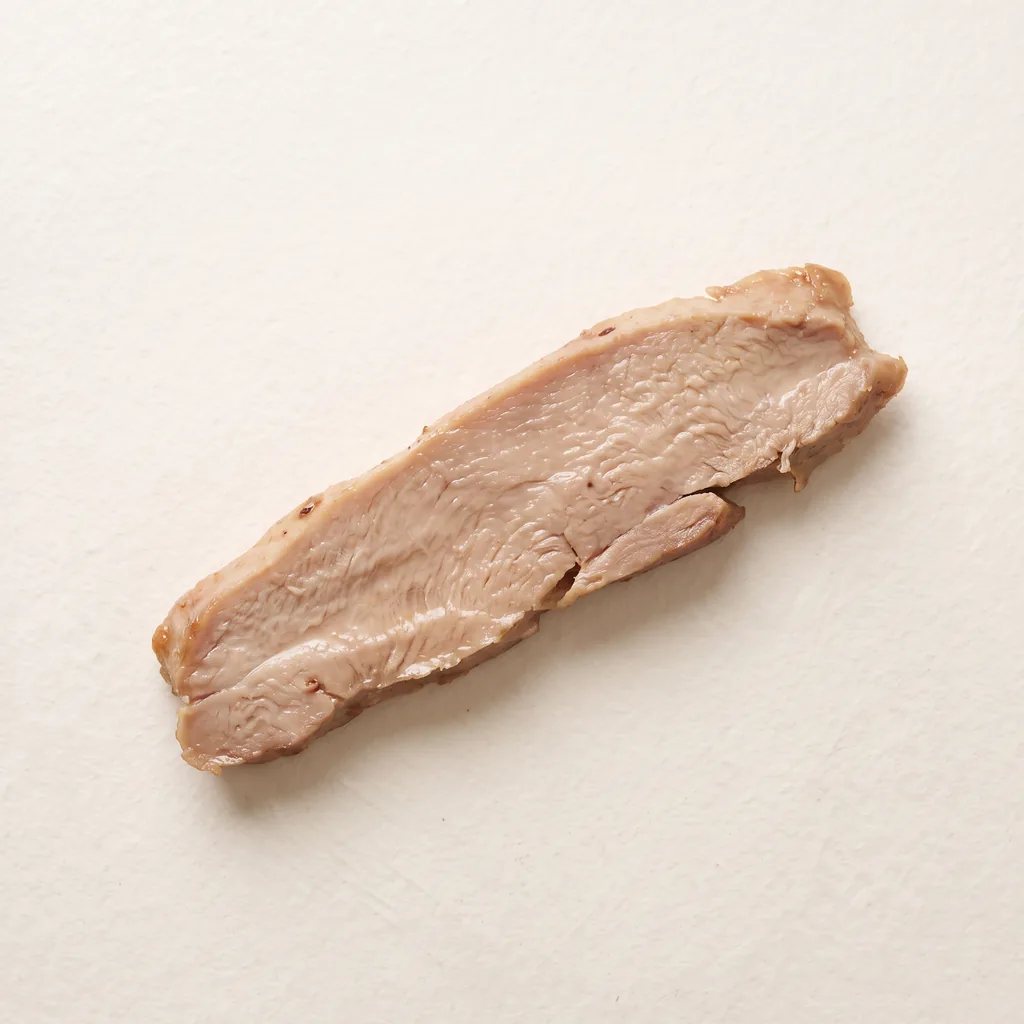
Cut: Finger strip

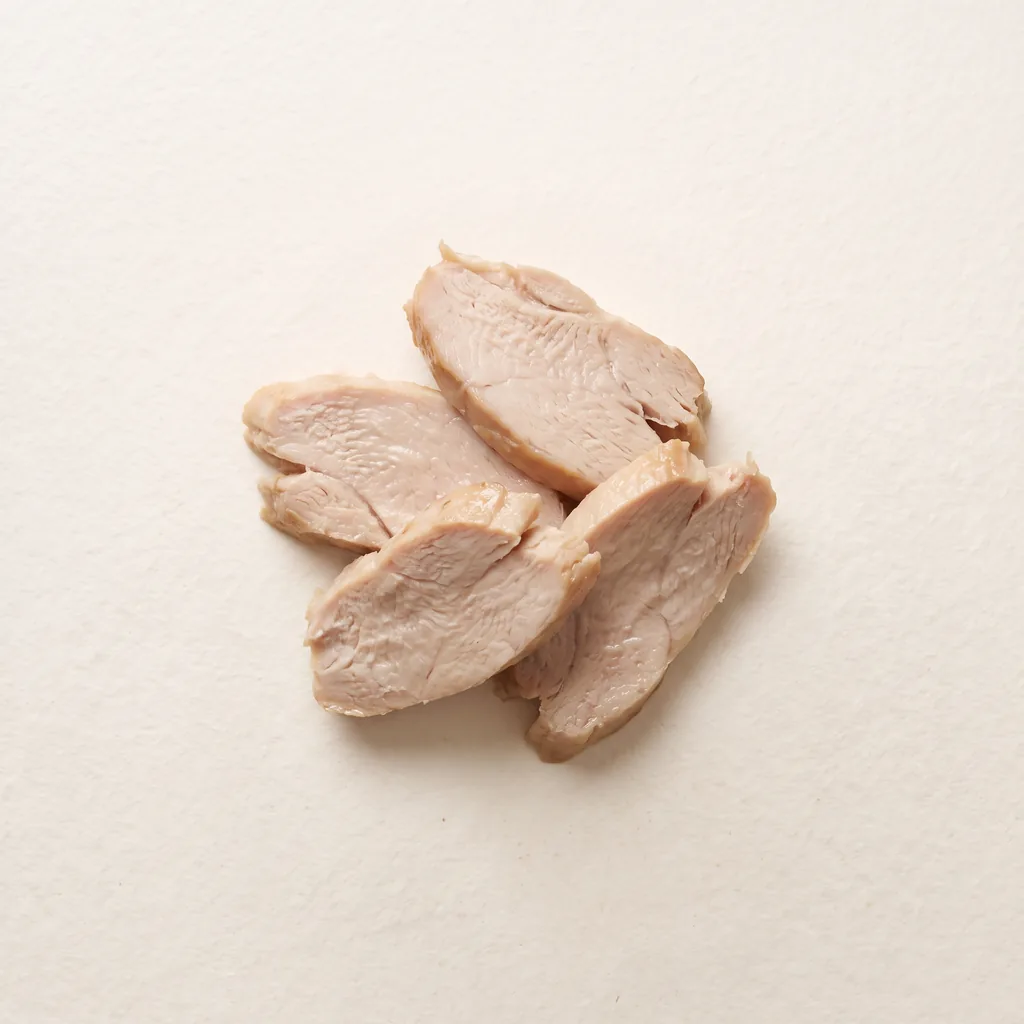
Serve cooked turkey as long, thin strips, with bones and skin taken out. Dark meat stays softer and moister, so it suits this age better. The other route is to stir ground turkey into a vegetable purée. Cook it until the center reaches 165 F (74 C), and leave it soft enough to squash between your fingers.
9 monthsCube

Turkey prepared for 9 months

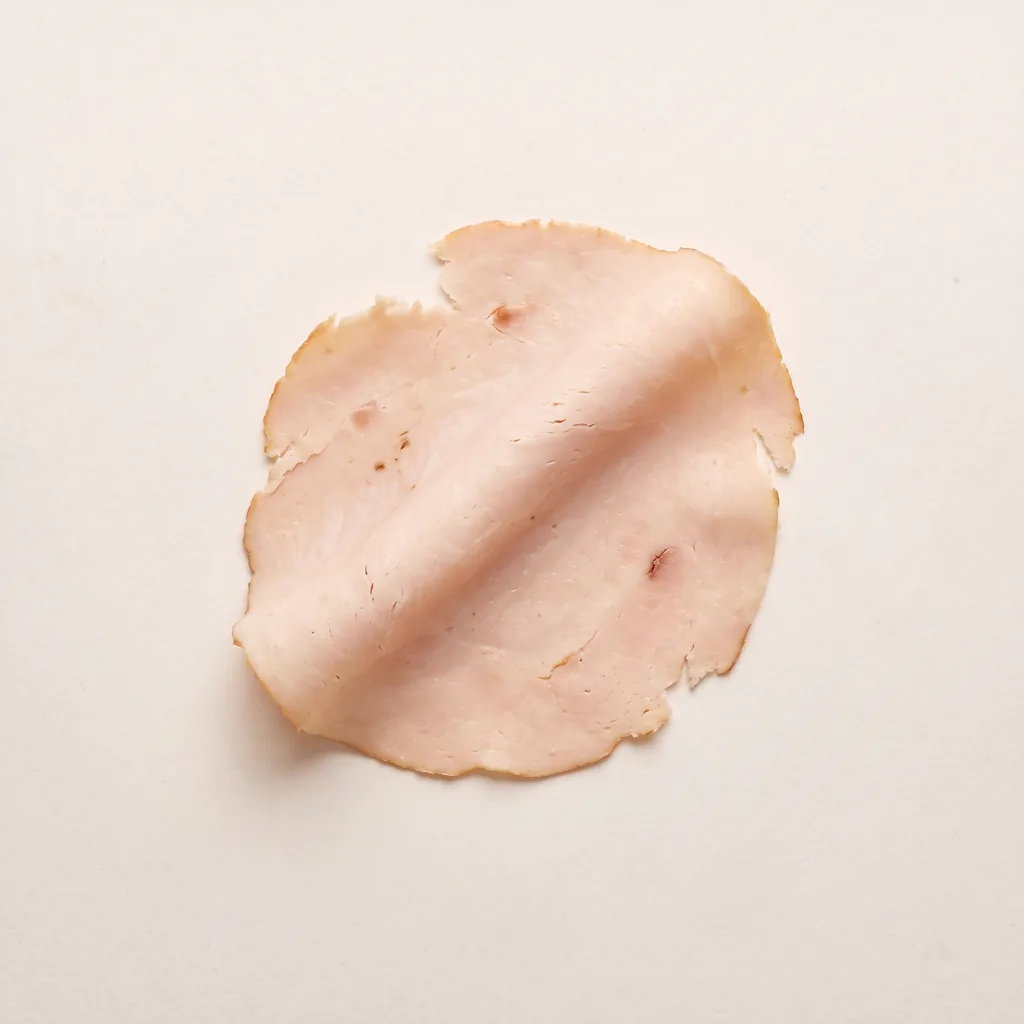
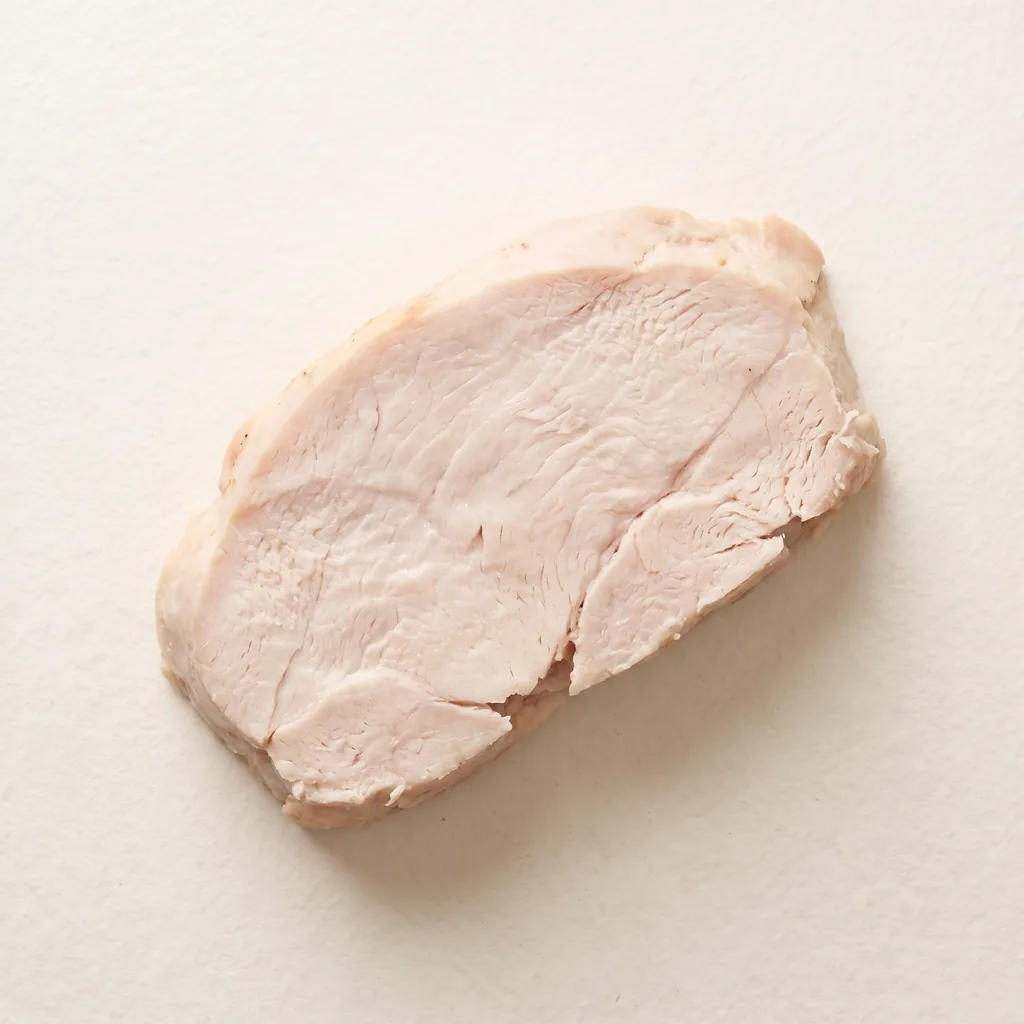
Offer ground turkey, thin slices or bite-sized meatballs. Cook the meat in a sauce or stew so it does not dry out, and for meatballs mix in breadcrumbs and egg. If your baby crams in too much, put fewer pieces on the tray at a time.

12 monthsCube

Turkey prepared for 12 months

Cut: Bite sized piece

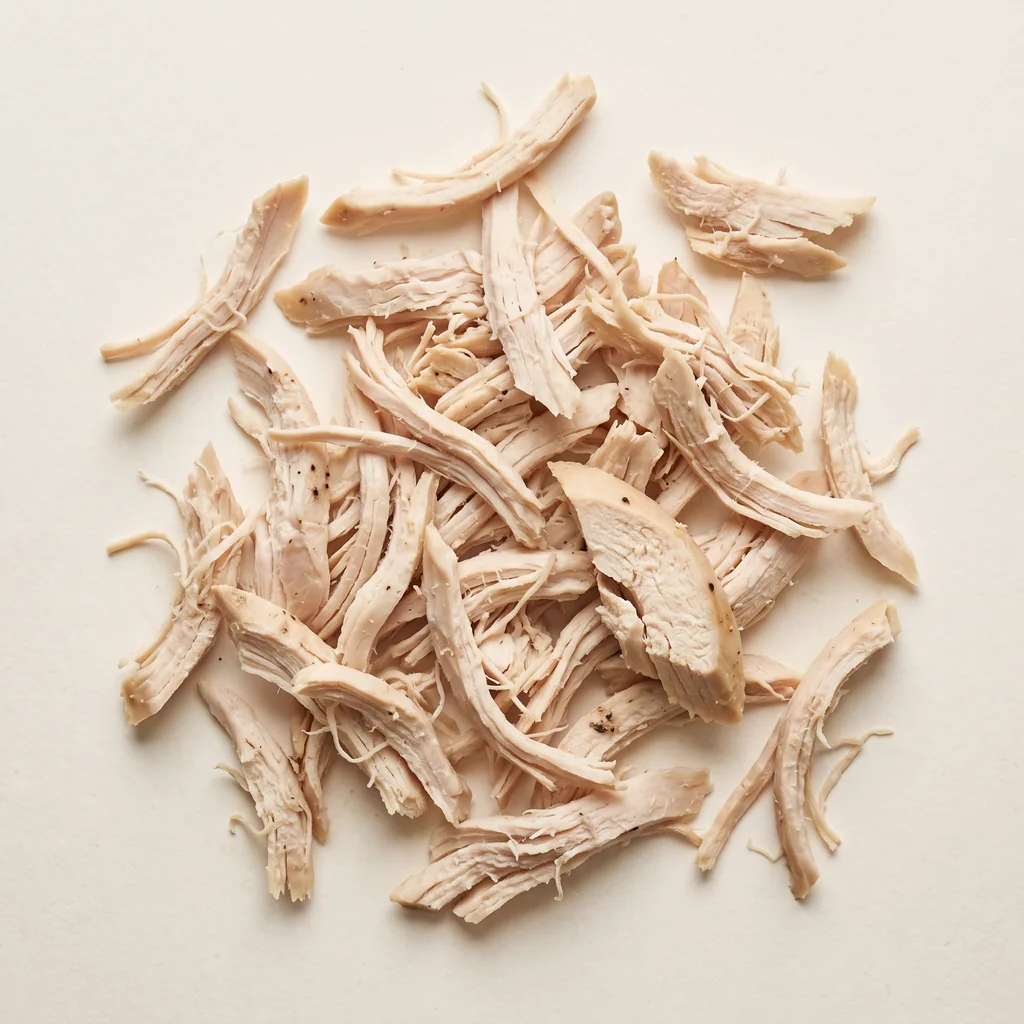
Serve turkey in bite-sized pieces, which also suit fork practice. You can toss shredded turkey with bulgur, pasta or vegetables. Do not overcook it, because dry meat is hard to chew and swallow.

Choking risk

  1. Low
  2. Medium
  3. High

Turkey is tough to chew and hard to move around the mouth, so it carries a choking risk. Never cut it into cubes. Serve long strips or shreds suited to your child's age. Do not let it dry out, since dry meat is hard to swallow. Stay close during meals.

No cubes

Cubes of turkey can plug the throat easily. Choose strips, shreds or ground meat.

Allergen information

FPIES warning

It is one of the known triggers of FPIES (a delayed-onset food allergy). In this condition, repeated severe vomiting, pallor and lethargy may occur, usually 1-4 hours after the food is eaten. Diarrhea may appear later. These symptoms require urgent medical evaluation.

Turkey is not a common allergen, though cases have been reported. People allergic to chicken have a higher chance of cross-reacting. Turkey can rarely trigger FPIES, with delayed vomiting that starts 2 to 4 hours after eating.

Some people with egg or feather allergy test positive to poultry meat. Since the allergenic protein is sensitive to heat, well-cooked meat usually causes no symptoms. Routine turkey testing is not advised with egg allergy.

Food safety

Raw turkey can carry Salmonella and Campylobacter. Store it separately in the fridge or freezer, thaw it in the fridge and cook it until the center hits 165 F (74 C). Afterward, wash your hands and anything the raw meat touched.

Frequently asked questions

Is turkey a common allergen?

Turkey is not a common allergen, though cases have been reported. People allergic to chicken have a higher chance of cross-reacting. Turkey can rarely trigger FPIES, with delayed vomiting that starts 2 to 4 hours after eating.

How do you prepare turkey for babies?

For a 6-month-old: Serve cooked turkey as long, thin strips, with bones and skin taken out. Dark meat stays softer and moister, so it suits this age better. The other route is to stir ground turkey into a vegetable purée. Cook it until the center reaches 165 F (74 C), and leave it soft enough to squash between your fingers.
Is turkey a choking hazard for babies?

Turkey is tough to chew and hard to move around the mouth, so it carries a choking risk. Never cut it into cubes. Serve long strips or shreds suited to your child's age. Do not let it dry out, since dry meat is hard to swallow. Stay close during meals.

When can babies have turkey?

Well-cooked turkey can start when your baby is ready for solids, at about 6 months.

Which cut of turkey is best for babies?

Dark meat. It holds together better and stays moister and softer than white meat.

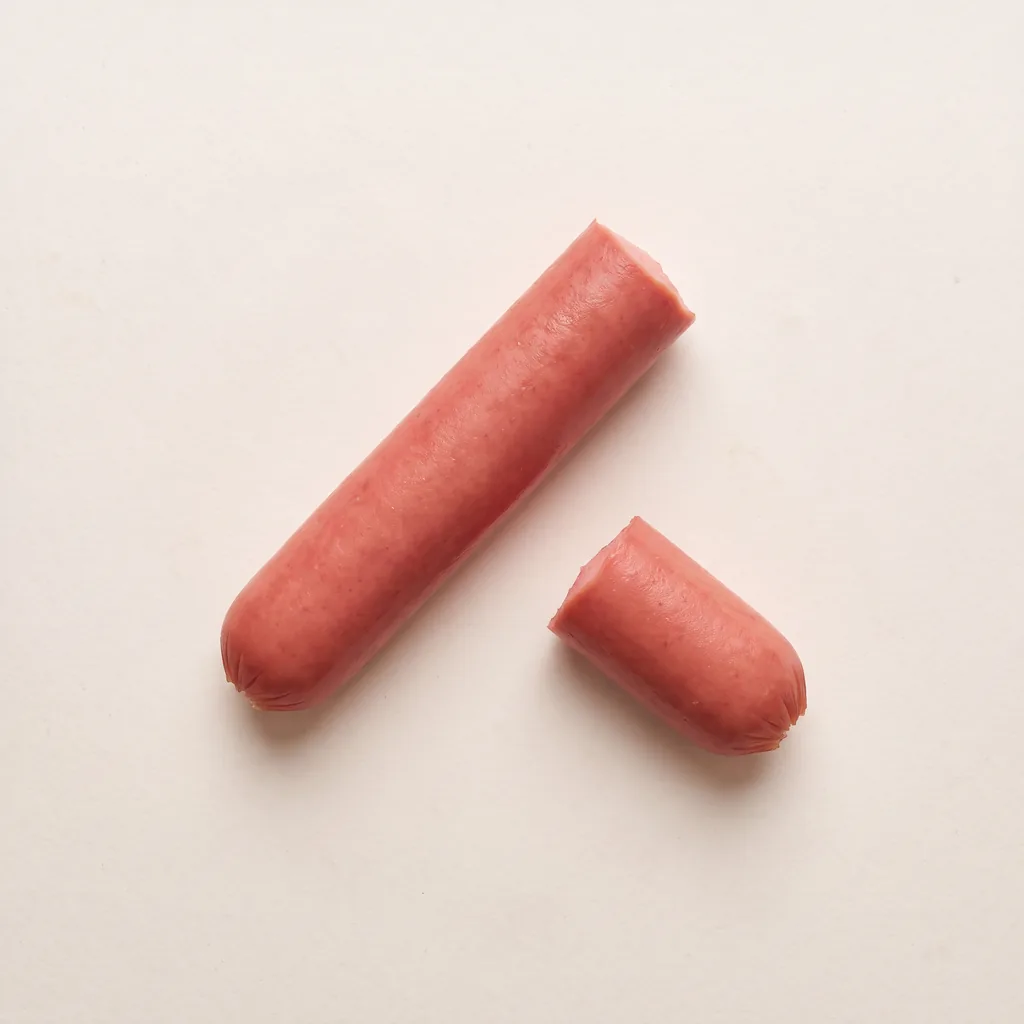
Can babies have deli turkey?

Be careful because of Listeria. If you serve it, heat it until steaming and let it cool. Skip honey-glazed turkey before age 1.

Can my baby gnaw a turkey drumstick bone?

Yes, if it is sturdy and stripped of meat, cartilage, bone shards and skin. Test it by bending it and pressing its edges. If it snaps or crumbles, do not give it.

Prepared by the Lokmini team | Last updated November 17, 2026

Share:WhatsApp

Want to add this food to your baby's solid food calendar?

Join Lokmini to learn how this food is served at each age and to keep track of every food your baby tries.

Join Lokmini

Starting Solids

When and how to start solids, and what happens in the first week?

Read the guide

Similar foods

Let's get ready for the first bite together

Lokmini builds a day-by-day plan for your baby's age. Leave your email for new guides and our newsletter.

Start Your Journey