Dietitian's view
Give tarhana unsalted and well cooked.

Uzm. Dyt. Berk AysanPrepared the latest update, November 14, 2026
Lokmini is not a healthcare provider and does not offer health services. For your baby's specific needs, talk to your doctor or a dietitian.
- Wheat and gluten allergen
- Cow's milk allergen
- Grains
- 6 mo+
- Low choking risk
Tarhana for babies: when to start
Tarhana can be given once your baby is ready for solids, usually around 6 months. But traditional tarhana usually contains wheat and yogurt, so watch for the milk and wheat allergens.
- Protein
- Carbohydrate
- B vitamins
- Iron
 Allergen, day 1/3
About tarhana
When can babies have tarhana?
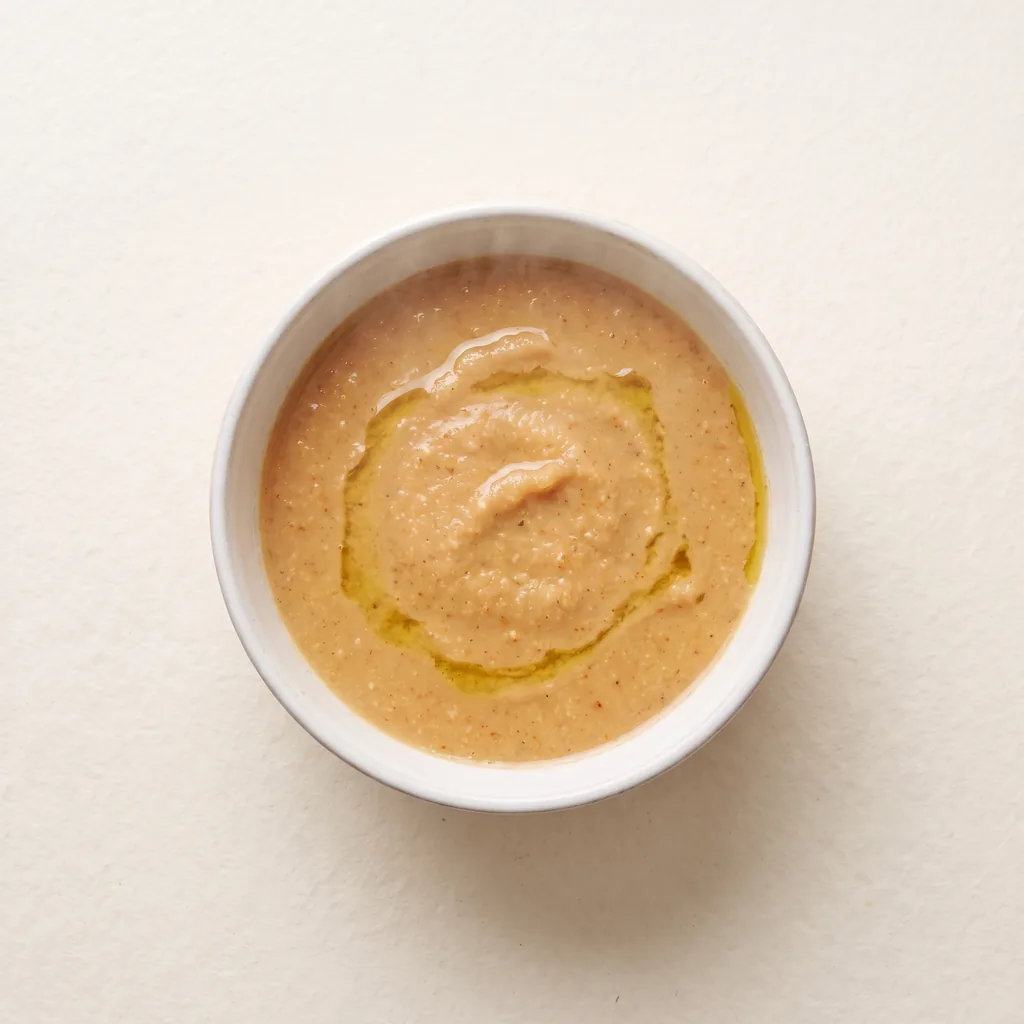
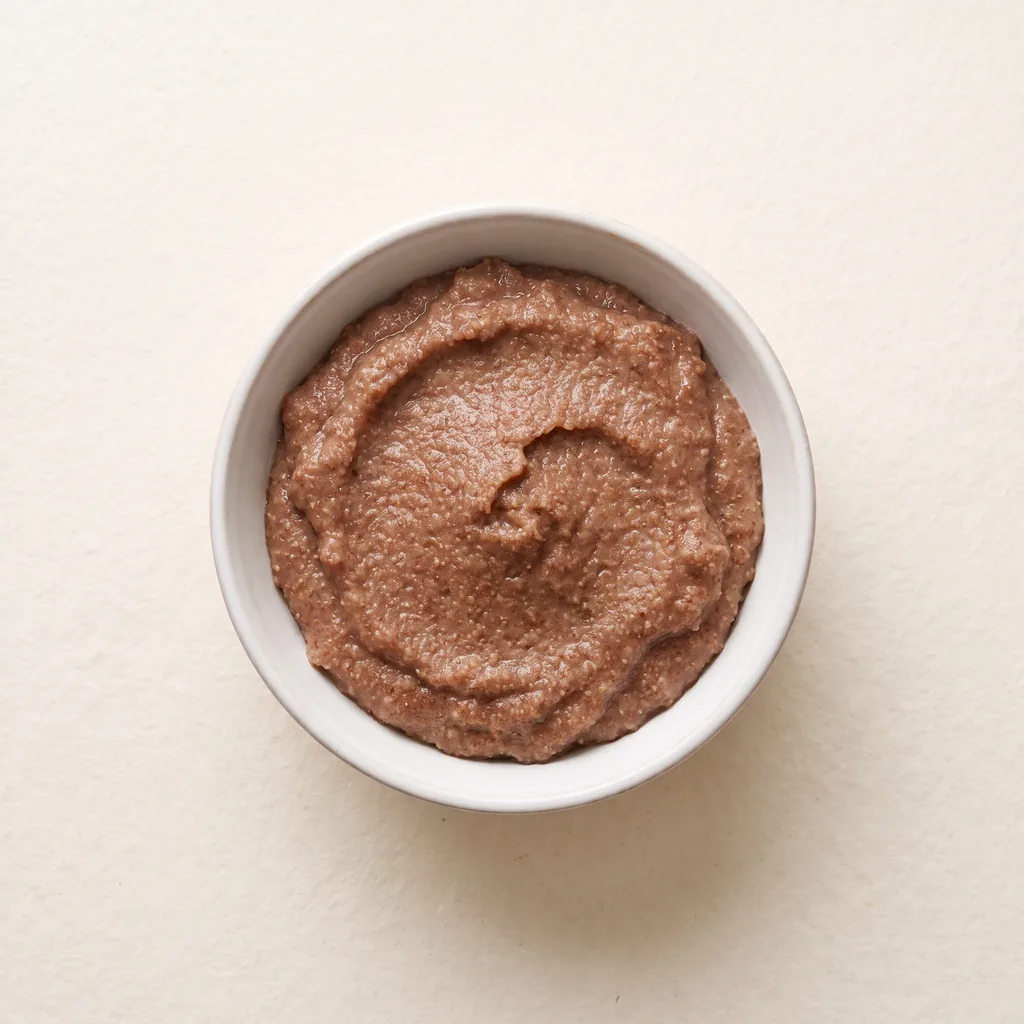
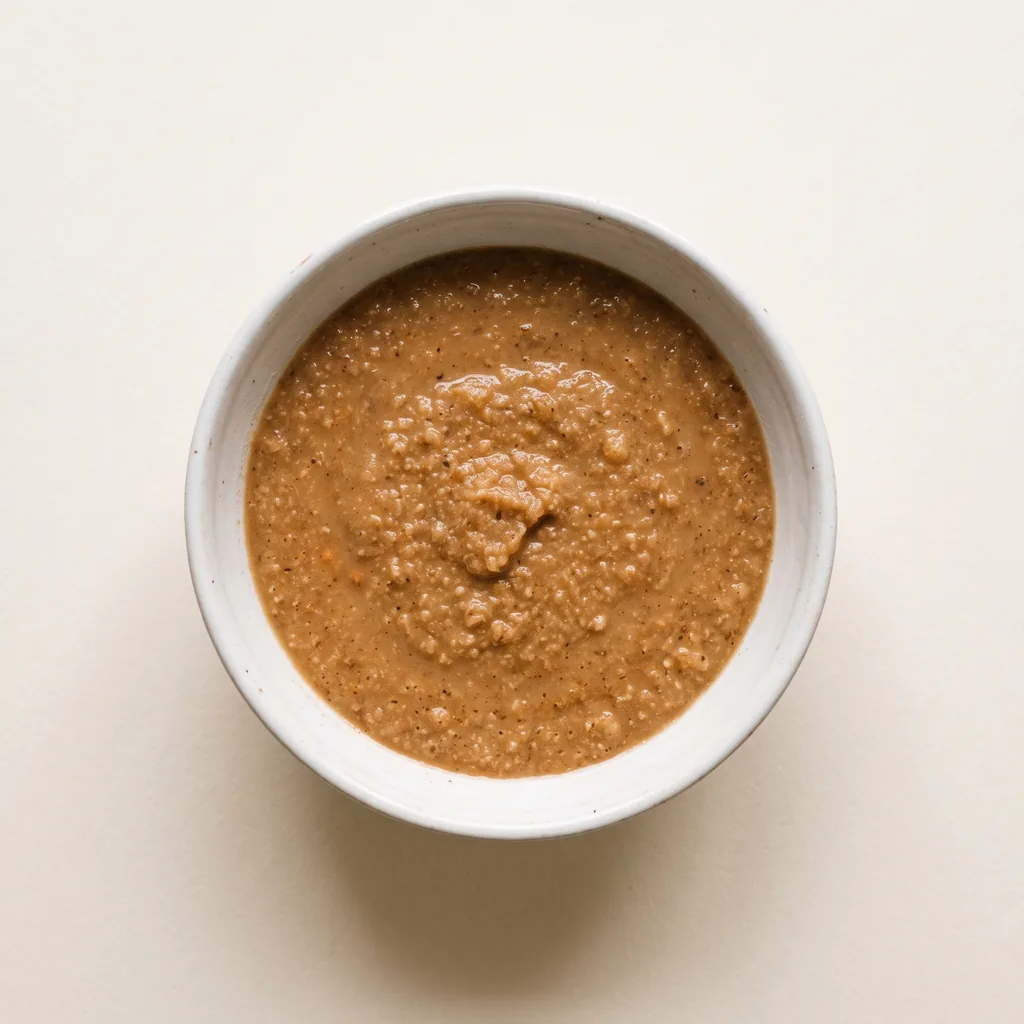
Tarhana is a fermented cereal food widely eaten in Turkish cuisine. It is usually made by mixing wheat flour, yogurt and various vegetables, letting the mix ferment and then drying it. With its distinctive sour taste, it is used to make soup.
Nutrition
Tarhana is a fermented cereal food that contains carbohydrate and protein. It can also contain various vitamins and minerals from wheat, yogurt and vegetables.
Some studies have reported the protein content of dry tarhana at about 15 percent. But this value varies with the recipe and does not reflect the protein content of the soup made with water.
Fermentation creates the sour taste of tarhana and can change the properties of some nutrients. But being fermented does not mean tarhana has a special health benefit for babies or removes allergens.
Also known as: ekşili tarhana, kuru tarhana, tarhana, tarhana unu, tarhana çorbası, yoğurtlu tarhana
- Vegetarian
- Contains dairy
Tarhana is offered 3 days in a row
So that any reaction can be linked to the right food, tarhana is offered 3 days in a row and no other new food is tried on those days.
- 1/3
First taste
Start with a small amount in the morning or around midday. Your baby is watched closely for 5 to 10 minutes after the first bite.
- 2/3
Same food, same calm
Tarhana is offered again the same way. No other new food is tried today.
- 3/3
Introduction done
If no reaction was seen, tarhana is now part of your baby's meals. It keeps being offered regularly.
Emergency
If your baby has trouble breathing or swelling of the face or tongue, call 911 (or your local emergency number) right away.
About tarhana allergy
Allergen status
Traditional tarhana usually contains two major allergens: wheat and cow's milk. Wheat flour contains gluten, and yogurt contains cow's milk proteins.
Wheat and dairy can be introduced in suitable forms from about 6 months, once your baby is ready for solids. Trying new allergens one at a time makes it easier to find the cause of a possible reaction.
If wheat and milk have been eaten before without problems, tarhana can be offered in small amounts.
Signs of an allergic reaction
Signs such as hives, lip swelling, vomiting, coughing or wheezing can appear. For serious signs such as trouble breathing or swelling of the tongue or throat, call emergency services right away.
Traditional tarhana that contains wheat should not be given to babies with celiac disease. Fermentation does not reliably remove gluten or milk allergens.
How to prepare it by age
Age-by-age prep is in the Lokmini app
See how to cut, texture and serve tarhana at 9 and 12 months in the app.
Join LokminiChoking risk
- Low
- Medium
- High
Choking risk
Well-cooked, smooth tarhana soup carries a low choking risk. But dry pieces of tarhana and hard lumps that are not cooked enough can make swallowing harder for your baby.
Do not give tarhana dry. When making the soup, make sure all lumps have dissolved and the texture suits your baby's development.
Your baby should sit upright during meals and never be left unattended.
Frequently asked questions
What age can babies eat tarhana?
Is tarhana a choking hazard for babies?
What texture should tarhana soup have?
Why can tarhana be salty?
Does fermentation lower the allergen risk?
Is homemade or packaged tarhana better?
Sources
- World Health Organization (WHO), Guideline for complementary feeding of infants and young children 6-23 months of age (2023)
- National Health Service (NHS), Preparing food safely for babies
- CDC, Infant and Toddler Nutrition, Choking Hazards
- Bulgarian Journal of Agricultural Science, Comparison of physicochemical and functional properties of domestic and commercial tarhana in Turkey (2016)
- Nahrung/Food (Daglioglu), Tarhana as a traditional Turkish fermented cereal food. Its recipe, production and composition (2000)
- National Health Service (NHS), Food allergies (weaning)
Want to add this food to your baby's solid food calendar?
Join Lokmini to learn how this food is served at each age and to keep track of every food your baby tries.