Skip to content
  • Soy allergen
  • Legumes
  • 6 mo+
  • Medium choking risk

Soybean for babies: when to start

Soybeans can be offered from about 6 months. They are a common allergen and a firm bean that carries a choking risk, so how you prepare them matters.

  • Protein
  • Fiber
  • Iron
  • Zinc
  • Folate
  • Choline
Soybean prepared for a babyAllergen, day 1/3

About soybean

Where it comes from

Soy is a staple in East Asia. Harvested green, it becomes edamame; left on the plant, it ripens and dries. It is at the center of dishes such as Japanese miso, Korean doenjang, and Indonesian tempeh. Today it is eaten in traditional forms and as soy protein powder and plant-based meat alternatives.

Nutrition

Soy is rich in protein, fiber, plant omega-3, folate, choline, vitamin B6, iron, and zinc. Certain tofu and fortified soy products supply calcium and vitamin D as well.

Also known as: soya, soya fasulyesi, soya tanesi, soybean, soya bakla

  • Gluten-free
  • Vegan

Soybean is offered 3 days in a row

So that any reaction can be linked to the right food, soybean is offered 3 days in a row and no other new food is tried on those days.

  1. 1/3

    First taste

    Start with a small amount in the morning or around midday. Your baby is watched closely for 5 to 10 minutes after the first bite.

  2. 2/3

    Same food, same calm

    Soybean is offered again the same way. No other new food is tried today.

  3. 3/3

    Introduction done

    If no reaction was seen, soybean is now part of your baby's meals. It keeps being offered regularly.

Emergency

If your baby has trouble breathing or swelling of the face or tongue, call 911 (or your local emergency number) right away.

About soybean allergy

FPIES warning

It is one of the known triggers of FPIES (a delayed-onset food allergy). In this condition, repeated severe vomiting, pallor and lethargy may occur, usually 1-4 hours after the food is eaten. Diarrhea may appear later. These symptoms require urgent medical evaluation.

Soy is a common food allergen in infants. Fewer than one child in a hundred is allergic to soy. Reactions are mostly mild, though severe ones have been reported. About 70 percent of allergic children outgrow it by age 10.

What to avoid

With a soy allergy, steer clear of tofu, tempeh, miso, natto, tamari, edamame, soy sauce, and any packaged food made with soy. Look for soy on labels. Most people with a soy allergy tolerate soy lecithin and highly refined soy oil. Still, ask your doctor before giving them.

When introducing

Soy products are often made alongside egg, fish, peanut, and sesame. Introduce common allergens on their own first. For soy, begin with something plain: edamame that is cooked and puréed, unflavored tofu strips, or a mash with soy milk stirred in. Give a small amount in the first few meals and raise it slowly if there is no reaction. After a successful start, keep it in the diet twice a week when possible.

Related conditions

Ten to 14 percent of young children with cow's milk allergy also react to soy. For babies with known milk allergy, doctors may suggest skipping milk and soy together during the first half year.

A child with soy allergy may also test sensitive to peanut. If peanut is already eaten without trouble, no need to stop it. People with birch pollen allergy may get short-lived mouth itching. Soy can also cause a delayed allergy called FPIES. Its sign is repeated vomiting and diarrhea starting hours after eating. FPIES that starts early usually fades by age 3 to 5.

Talk to your doctor

If your baby has a known milk or soy allergy, ask an allergist before giving soy.

How to prepare it by age

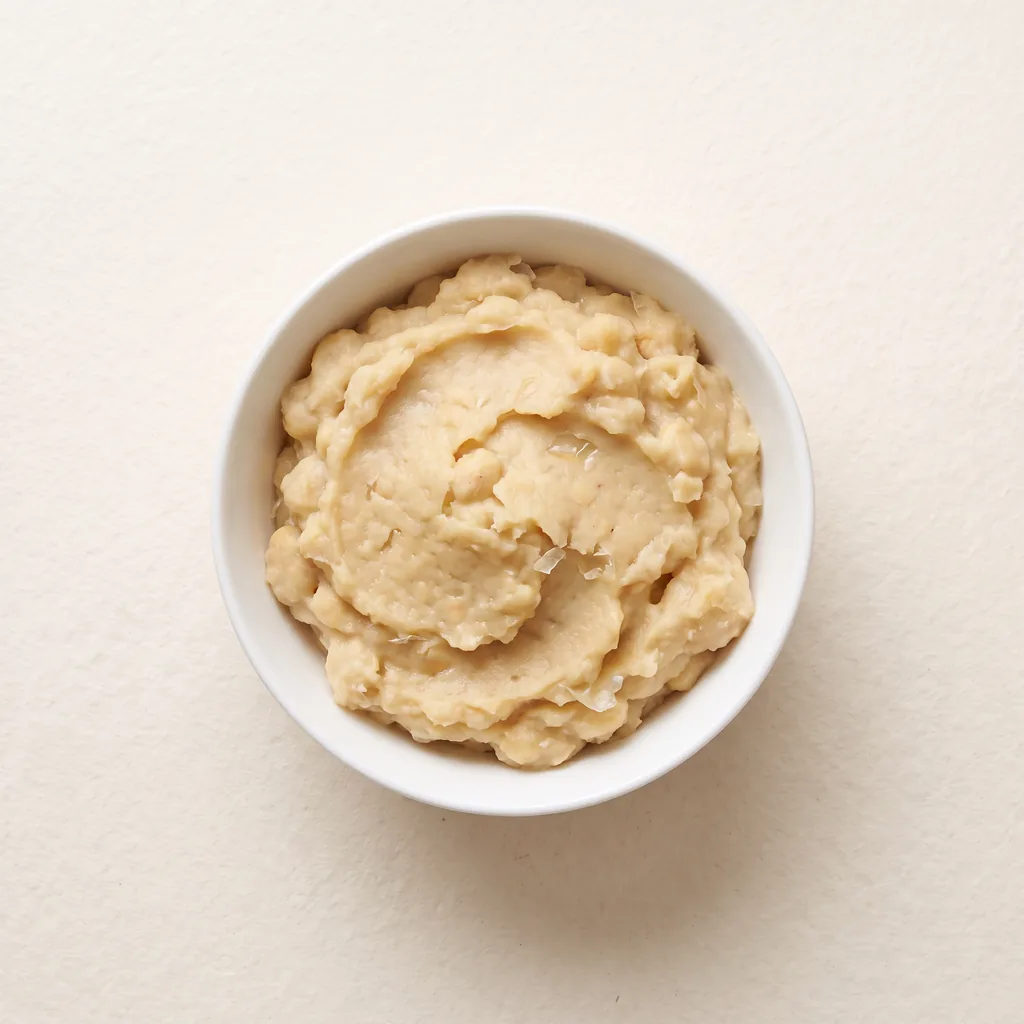
6 monthsMash or strip
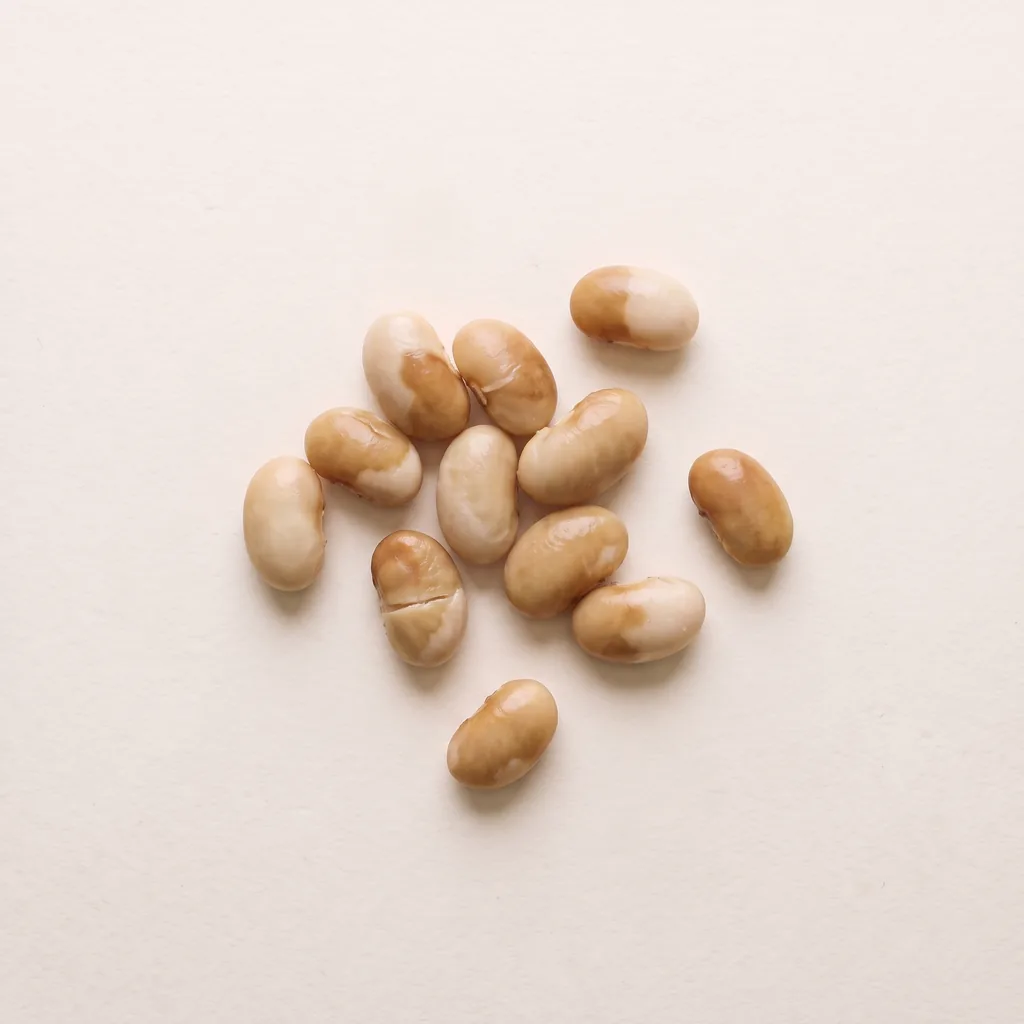
Soybean prepared for 6 months

Cut: Fork mashed

Serve soy in soft, spoonable forms. Silken tofu, soy yogurt, fruit or vegetable purée stirred with soy milk, or mashed edamame, are all options. Mashed edamame can be given by itself or smeared on a teething rusk. Cook mature soybeans fully in soups and stews and mash them. Soybeans may stay hard through a long cook, so check that they have gone fully soft. Soy milk goes into the food as an ingredient only; as a drink it waits until 12 months.

Cut: Finger strip

Slice firm tofu, extra-firm tofu, or tempeh into a long stick roughly as big as an adult finger. Baby can hold it and gnaw. Tempeh is a mold-fermented cake of soy.
9 monthsCube

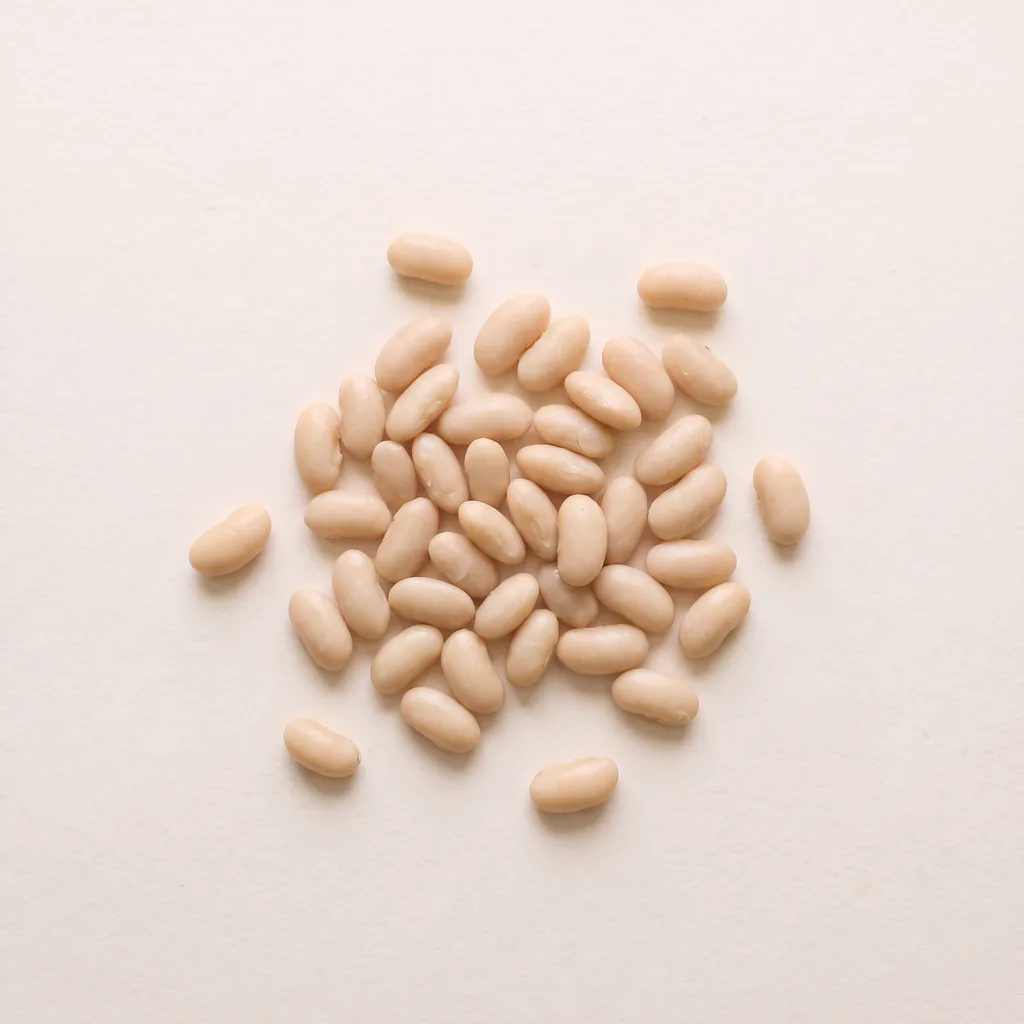
Soybean prepared for 9 months

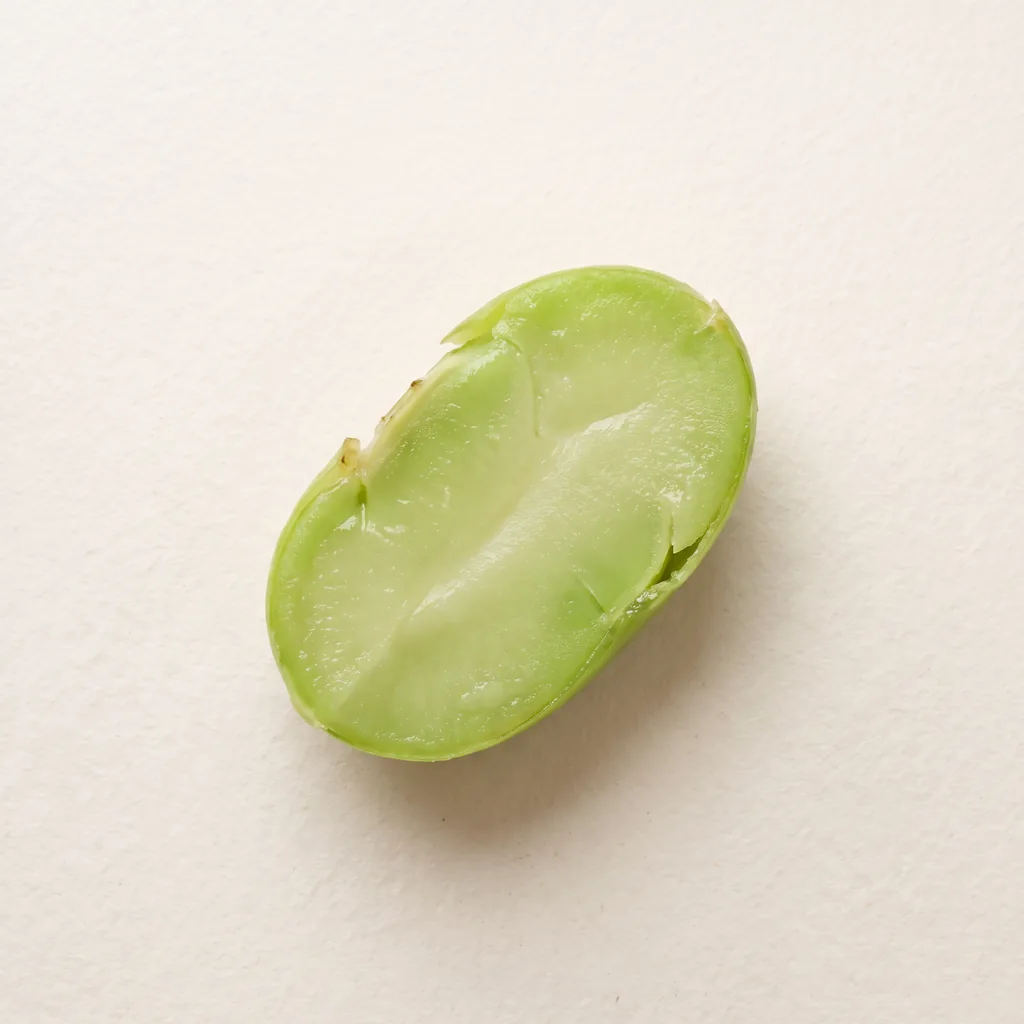
Cut: Bite sized piece

Cut firm tofu or tempeh into bite-size pieces. Split cooked edamame in half. Serve pieces alone or within a shared meal. Long sticks are still useful for biting and tearing practice. Flatten fully cooked mature soybeans and serve them in soups or stews.

12 monthsCube

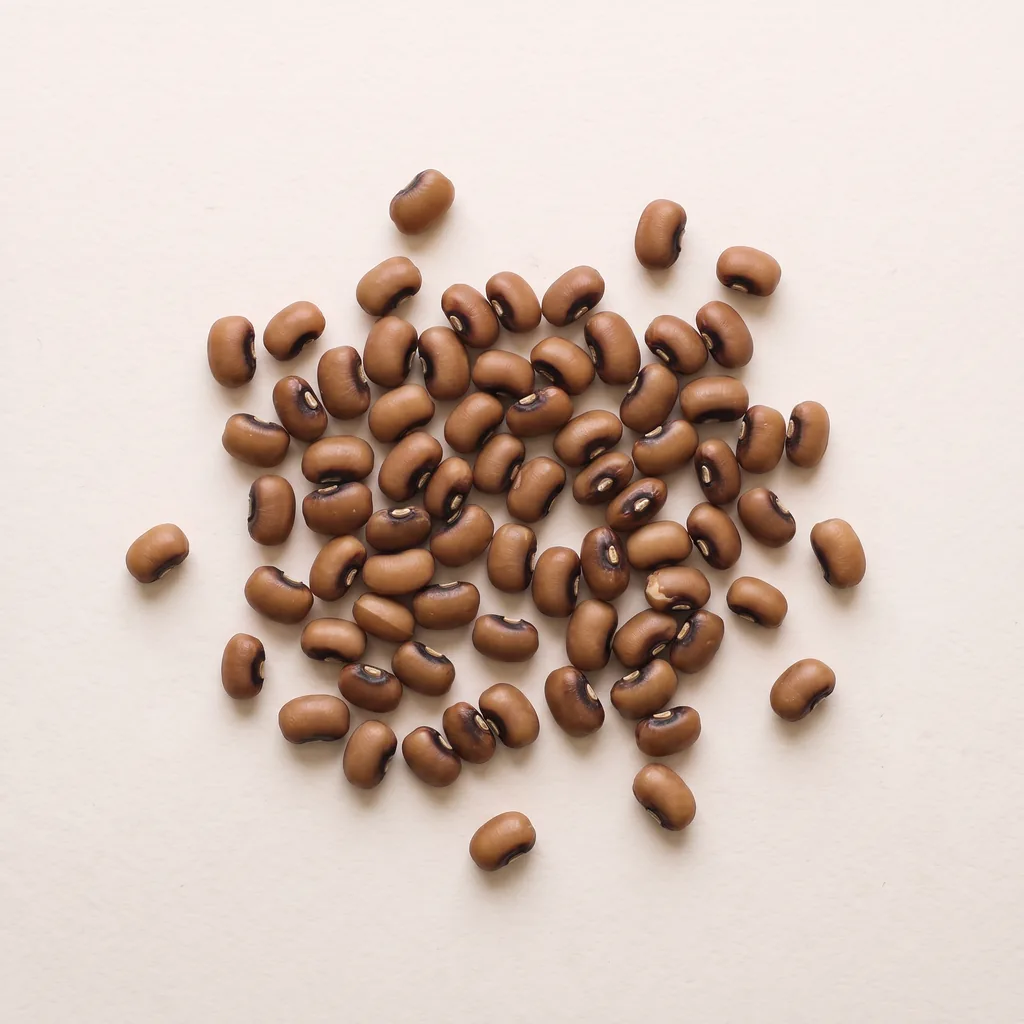
Soybean prepared for 12 months

Firm tofu, tempeh, and whole cooked edamame work either alone or inside a meal the whole family shares. You can also offer soy yogurt and silken tofu for your child to scoop. From this age, soy milk as a drink and dishes with soy sauce or miso are also fine.

Choking risk

  1. Low
  2. Medium
  3. High

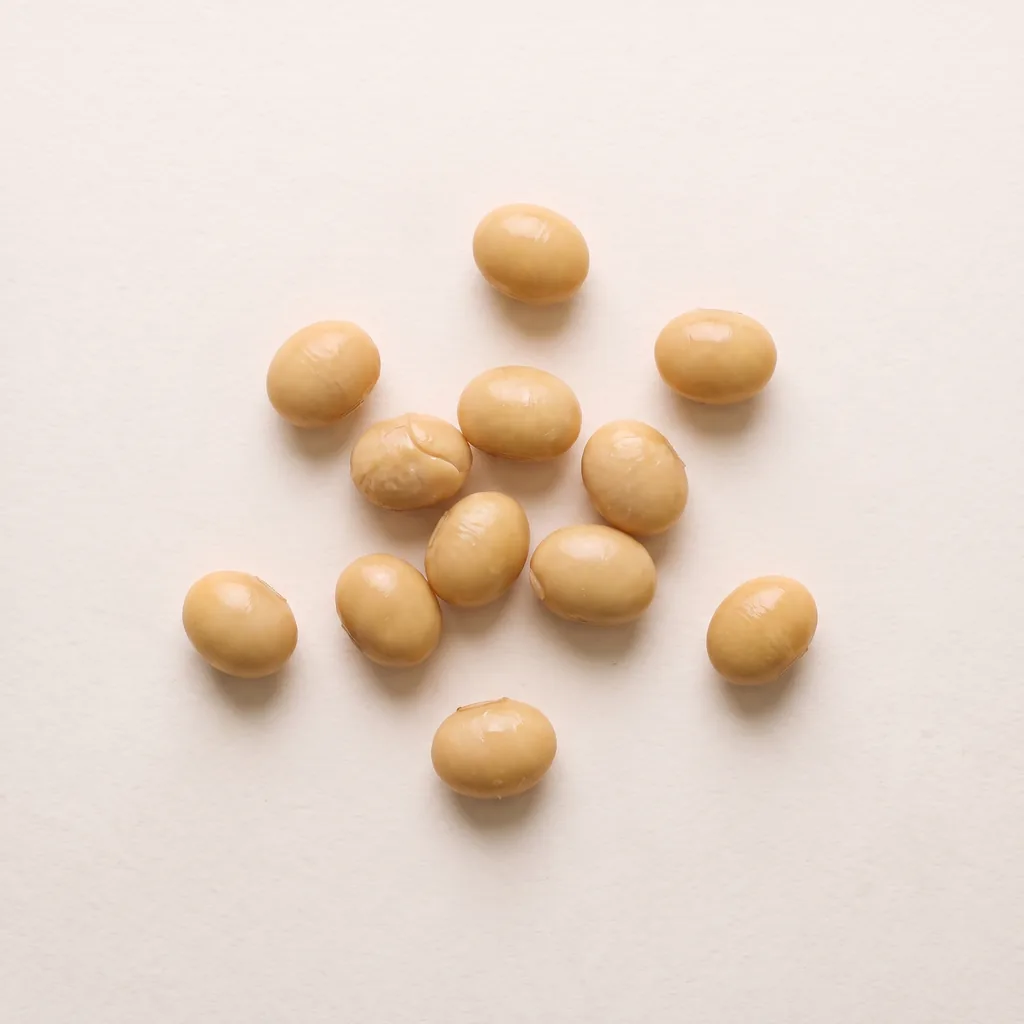
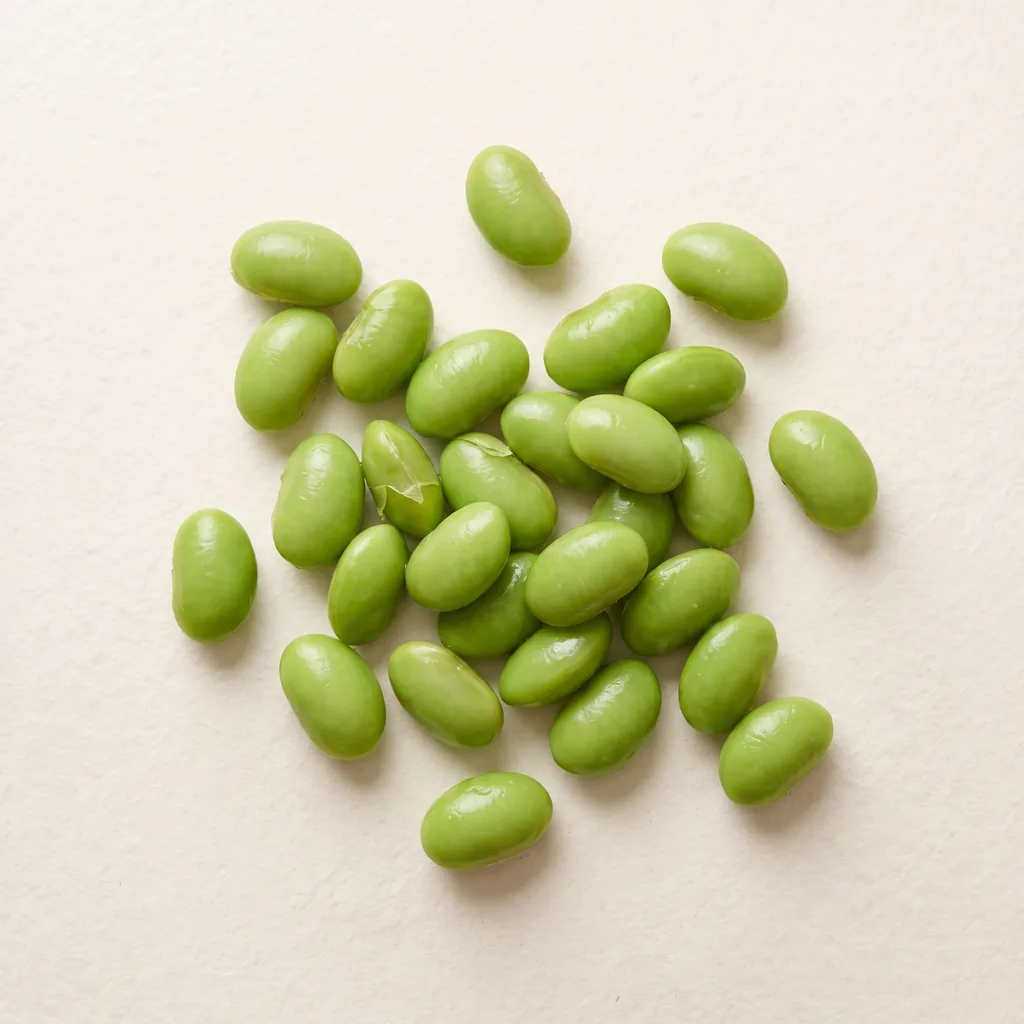
Because they are round, slippery and fairly firm, soybeans and edamame beans can be a choking risk for young children.

Do not give whole soybeans or edamame beans to your baby.

Cook the beans until fully soft and serve them well mashed or puréed.

Turning 1 does not mean whole edamame or soybeans can be eaten safely. Even as your child's chewing skills develop, it is safer to mash or flatten round beans.

Your baby should sit upright throughout the meal and be under your constant supervision.

Whole soybeans are a choking risk

Because they are small, round and slippery, soybeans and edamame can block your baby's airway. Cook the beans until fully soft and mash them well before serving. Remove the tough outer pod of edamame.

Frequently asked questions

What age can babies eat soybean?

Soybeans can be offered from about 6 months. They are a common allergen and a firm bean that carries a choking risk, so how you prepare them matters.

Is soybean a common allergen?

Soy is a common food allergen in infants. Fewer than one child in a hundred is allergic to soy. Reactions are mostly mild, though severe ones have been reported. About 70 percent of allergic children outgrow it by age 10.

How do you prepare soybean for babies?

For a 6-month-old: Serve soy in soft, spoonable forms. Silken tofu, soy yogurt, fruit or vegetable purée stirred with soy milk, or mashed edamame, are all options. Mashed edamame can be given by itself or smeared on a teething rusk. Cook mature soybeans fully in soups and stews and mash them. Soybeans may stay hard through a long cook, so check that they have gone fully soft. Soy milk goes into the food as an ingredient only; as a drink it waits until 12 months.

Is soybean a choking hazard for babies?

Because they are round, slippery and fairly firm, soybeans and edamame beans can be a choking risk for young children.

Should I worry about phytoestrogens in soy?

Soy contains phytoestrogens called isoflavones. There is no convincing clinical evidence that eating soy in normal food amounts harms hormonal development in children. However, long-term data are limited.

Can babies drink soy milk?

Before 12 months, soy milk is not given as a drink in place of breast milk or infant formula. From about 6 months, it can be used in small amounts in suitable recipes. After 1 year, unsweetened, fortified kinds can be chosen.

Can I serve edamame whole?

Do not give whole edamame to young babies. The beans should be fully cooked and mashed. Even after 1 year, whole round beans can be a choking risk.

Which foods should be avoided with a soy allergy?

Tofu, tempeh, miso, natto, tamari, edamame, soy sauce, plus packaged foods listing soy.

Prepared by the Lokmini team | Last updated November 19, 2026

Share:WhatsApp

Want to add this food to your baby's solid food calendar?

Join Lokmini to learn how this food is served at each age and to keep track of every food your baby tries.

Join Lokmini

Starting Solids

When and how to start solids, and what happens in the first week?

Read the guide

Similar foods

Let's get ready for the first bite together

Lokmini builds a day-by-day plan for your baby's age. Leave your email for new guides and our newsletter.

Start Your Journey