Dietitian's view
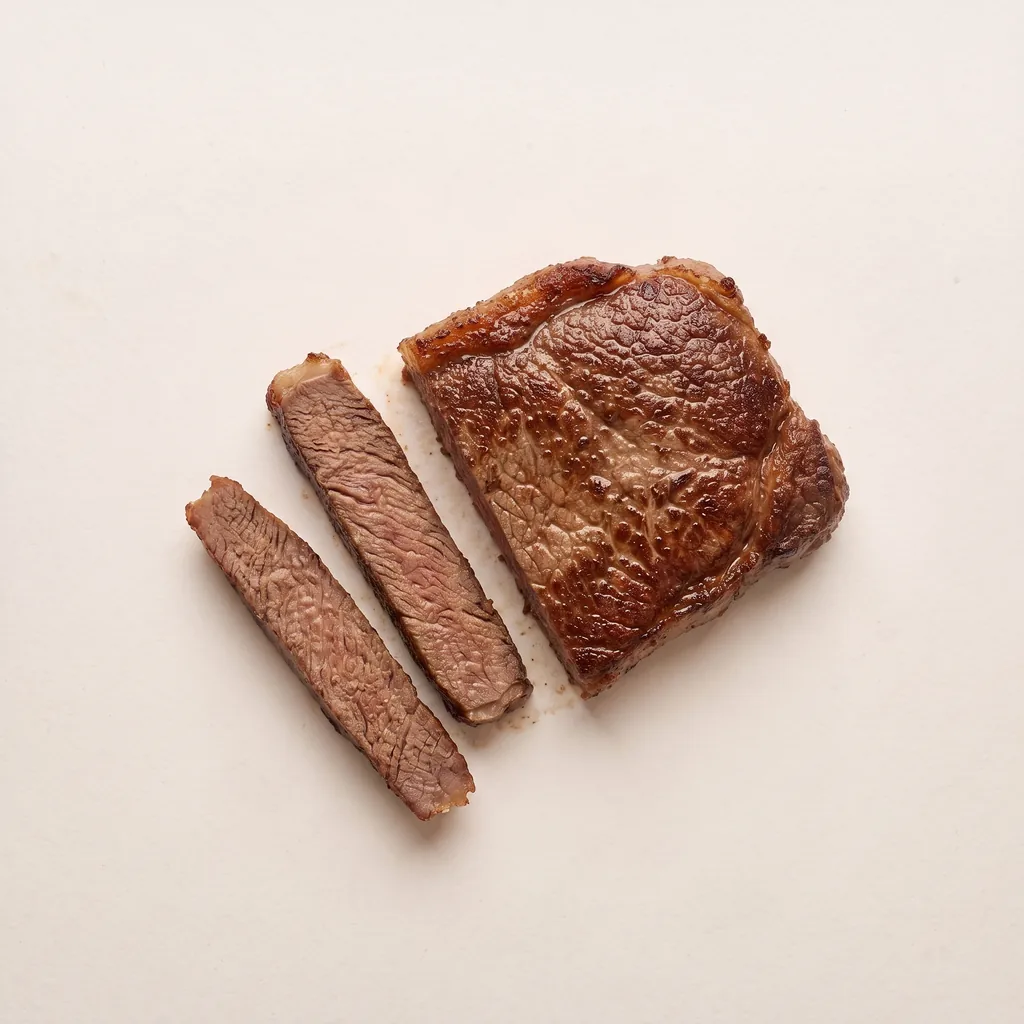
Give steak very well cooked, as a puree or in thin pieces.
Lokmini is not a healthcare provider and does not offer health services. For your baby's specific needs, talk to your doctor or a dietitian.
- Proteins
- 6 mo+
- High choking risk
Steak for babies: when to start
Steak can be offered once baby is ready for solids, around 6 months.
- Protein
- Iron
- Choline
- Selenium
- Zinc
- Vitamin B6
About steak
What it is
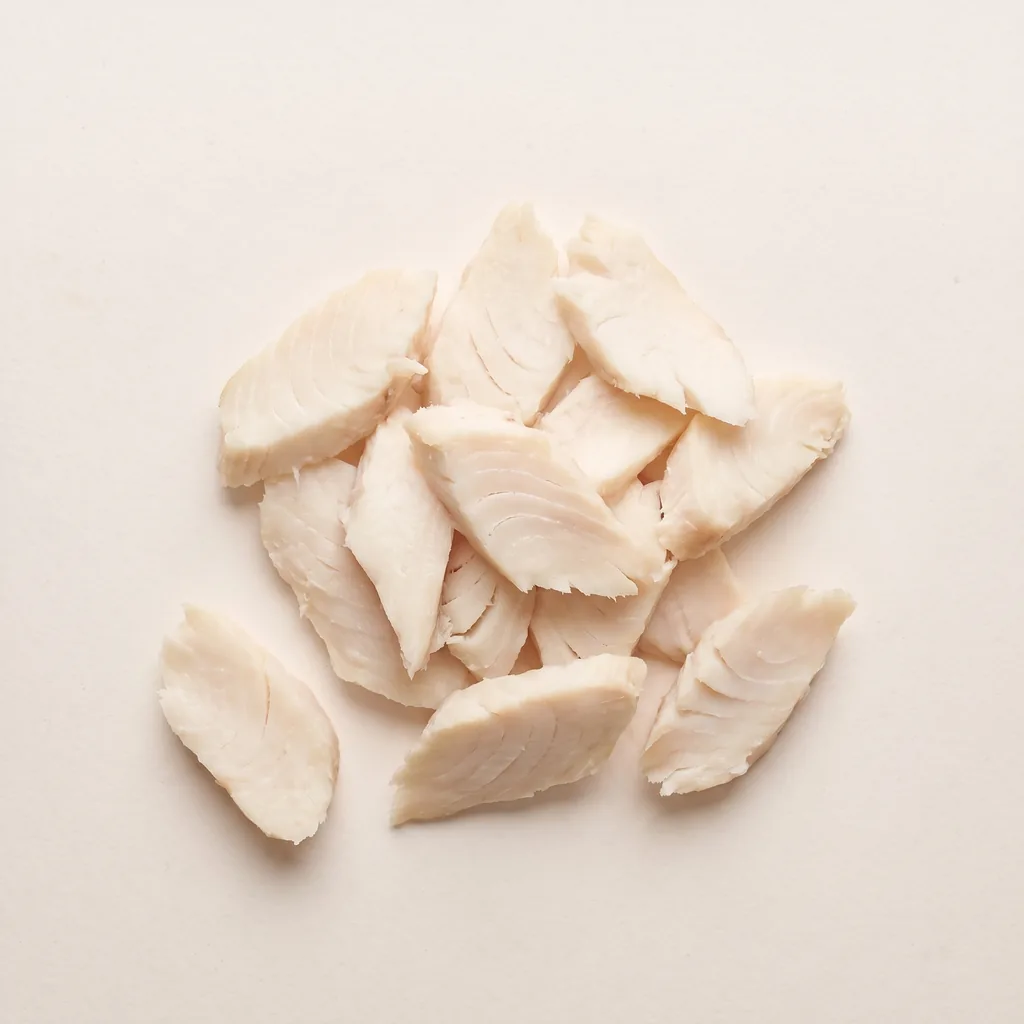
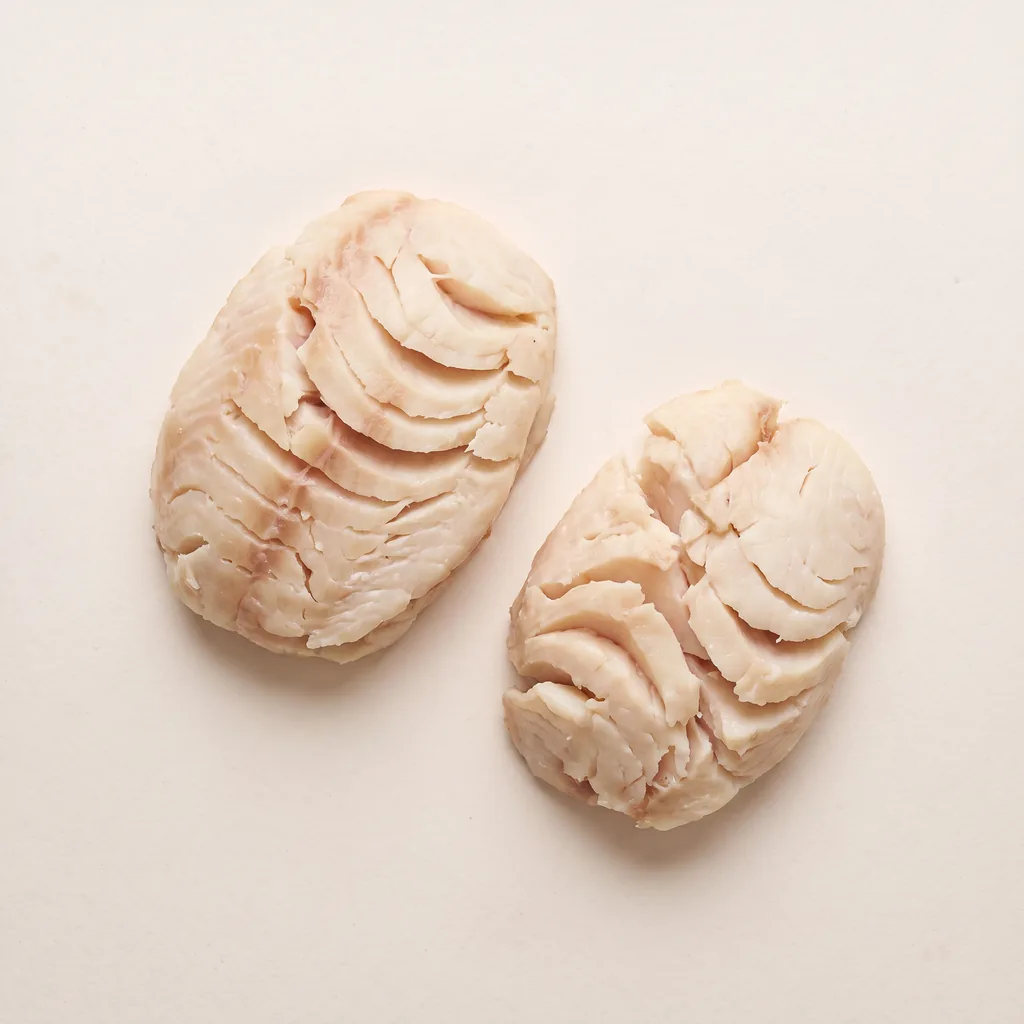
Steak describes slices of meat from various animals (venison, lamb, and fish among them) but most often means beef. Beef steaks come bone-in or boneless and differ in texture. Filet mignon, ribeye, and sirloin are tender, while flank, rump, and skirt are much tougher.
Nutrition
It is rich in protein and often fat. It also gives iron, choline, selenium, zinc, and vitamins B6 and B12. Baby's iron reserves run out from about 6 months, and steak is a great iron source at this stage.
Also known as: biftek, steak, dana biftek, antrikot, bonfile, dana eti
- Gluten-free
- Contains meat
How to prepare it by age
Age-by-age prep is in the Lokmini app
See how to cut, texture and serve steak at 6, 9 and 12 months in the app.
Join LokminiChoking risk
- Low
- Medium
- High
Steak is firm and hard to chew. These traits raise the choking risk. Steak is a choking hazard for children and adults alike.
Sometimes meat moves too slowly down the food pipe. That can feel scary and uncomfortable, but the person can usually still breathe. If your child is crying and struggling to swallow, offer a drink from an open cup, bottle, or a nursing session. If that fails, call emergency services.
Prepare it to suit the age, set up a safe eating space, and stay beside your baby.
Allergen information
Steak is not a common allergen. Allergy to beef has been reported but is uncommon.
Alpha-gal
Certain tick bites (mainly the Lone Star tick in the US and other ticks elsewhere) are linked to an allergy to the sugar galactose-alpha-1,3-galactose, called alpha-gal. It is found in the meat of all non-primate mammals. A delayed allergic reaction shows up 3 to 8 hours after eating red meat such as beef. Some people with alpha-gal allergy also react to the small amount of the sugar in dairy, gelatin, or mammal organs like liver.
Milk allergy
People with a dairy allergy may be slightly more likely to be sensitive to beef. Studies suggest that among people with confirmed beef allergy, many are also allergic to cow's milk.
When introducing
As with any new food, give a small amount for the first few meals and watch closely while baby eats. Raise the portion slowly if there is no reaction.
Frequently asked questions
Is steak a common allergen?
Is steak a choking hazard for babies?
When can babies have steak?
Can babies eat pink steak?
Which cut is best for babies?
Sources
- World Health Organization (WHO), Guideline for complementary feeding of infants and young children 6-23 months of age (2023)
- National Health Service (NHS), Preparing food safely for babies
- CDC, Infant and Toddler Nutrition, Choking Hazards
- European Academy of Allergy and Clinical Immunology, EAACI guideline: Preventing the development of food allergy in infants and young children (2020 update) (2021)
- Molecular Immunology, Meat allergy and allergens (2018)
Prepared by the Lokmini team | Last updated November 17, 2026
Want to add this food to your baby's solid food calendar?
Join Lokmini to learn how this food is served at each age and to keep track of every food your baby tries.