Skip to content

Dietitian's view

Sunchoke can cause gas. So give it in small amounts.

Uzm. Dyt. Berk AysanPrepared the latest update, November 14, 2026

Lokmini is not a healthcare provider and does not offer health services. For your baby's specific needs, talk to your doctor or a dietitian.

  • Vegetables
  • 6 mo+
  • Medium choking risk

Sunchoke for babies: when to start

Sunchoke (Helianthus tuberosus) can be offered once your baby is about 6 months old and ready for solids. In the early days, serve it cooked until completely soft and mashed or pureed.

  • Iron
  • Potassium
  • Inulin
  • Vitamin B6
  • Choline
  • Magnesium
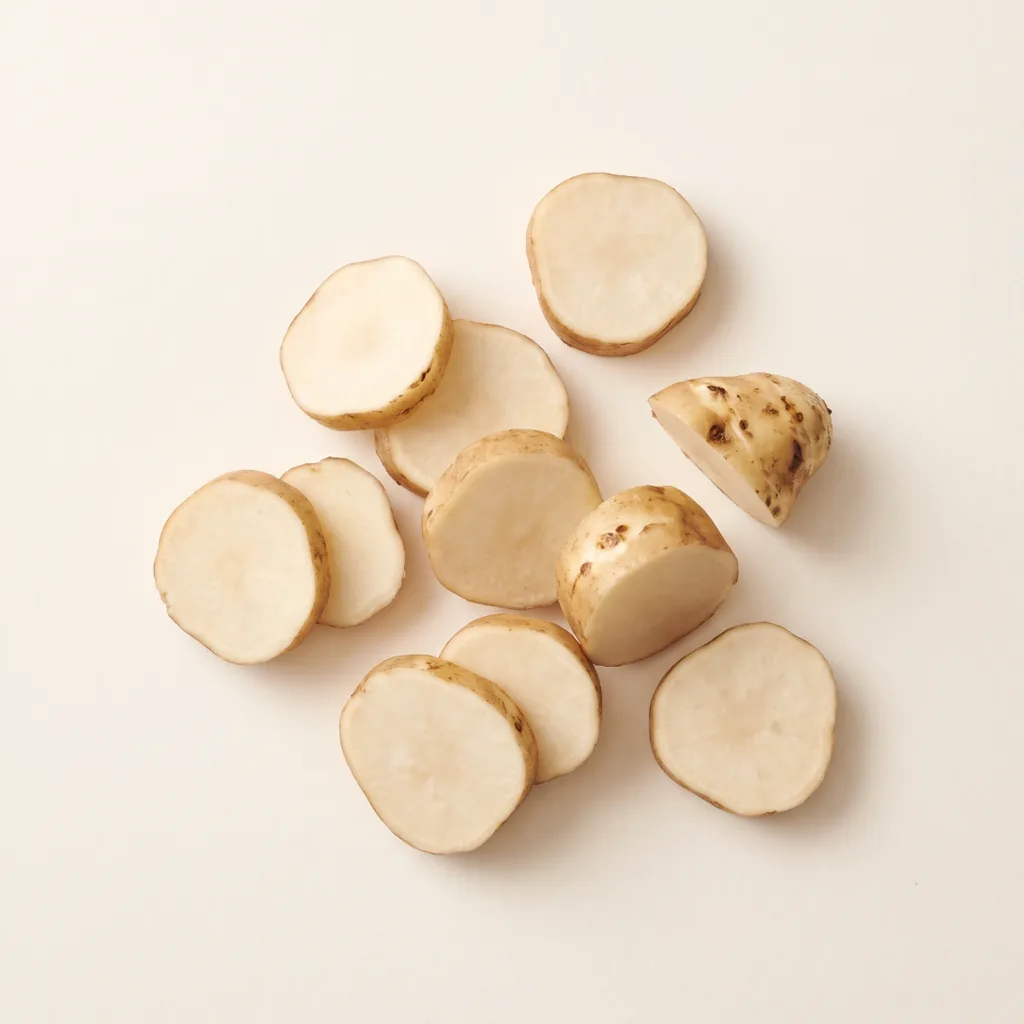
Sunchoke prepared for a baby

About sunchoke

Sunchoke is a tuberous plant from the daisy family (Asteraceae), the same family as the sunflower. It is native to North America and is known in English as Jerusalem artichoke. But it has no direct link to the city of Jerusalem or to artichokes.

Sunchoke contains a fermentable fiber called inulin. So it can cause gas and bloating in some babies. Start with small amounts for the first servings and increase as your baby tolerates it.

Nutrition

Sunchoke contains carbohydrate, especially a type of fiber called inulin. It also provides potassium, iron, vitamin B1 (thiamin) and smaller amounts of phosphorus, magnesium and vitamin B6.

The iron in sunchoke comes from a plant source and is absorbed less well than heme iron from animal sources.

Inulin is a fiber that reaches the large intestine without being digested in the small intestine, and gut bacteria can ferment it.

Inulin is not the same as insulin, the hormone that regulates blood sugar.

The main part of the sunchoke that is eaten is the tuber. Its leaves, stems and flowers have some traditional uses, but the part recommended for babies is the well-cooked tuber.

Also known as: yer elması, Kudüs enginarı, topinambur, sunchoke, yer enginarı

  • Gluten-free
  • Vegan

How to prepare it by age

6 monthsStrip or mash
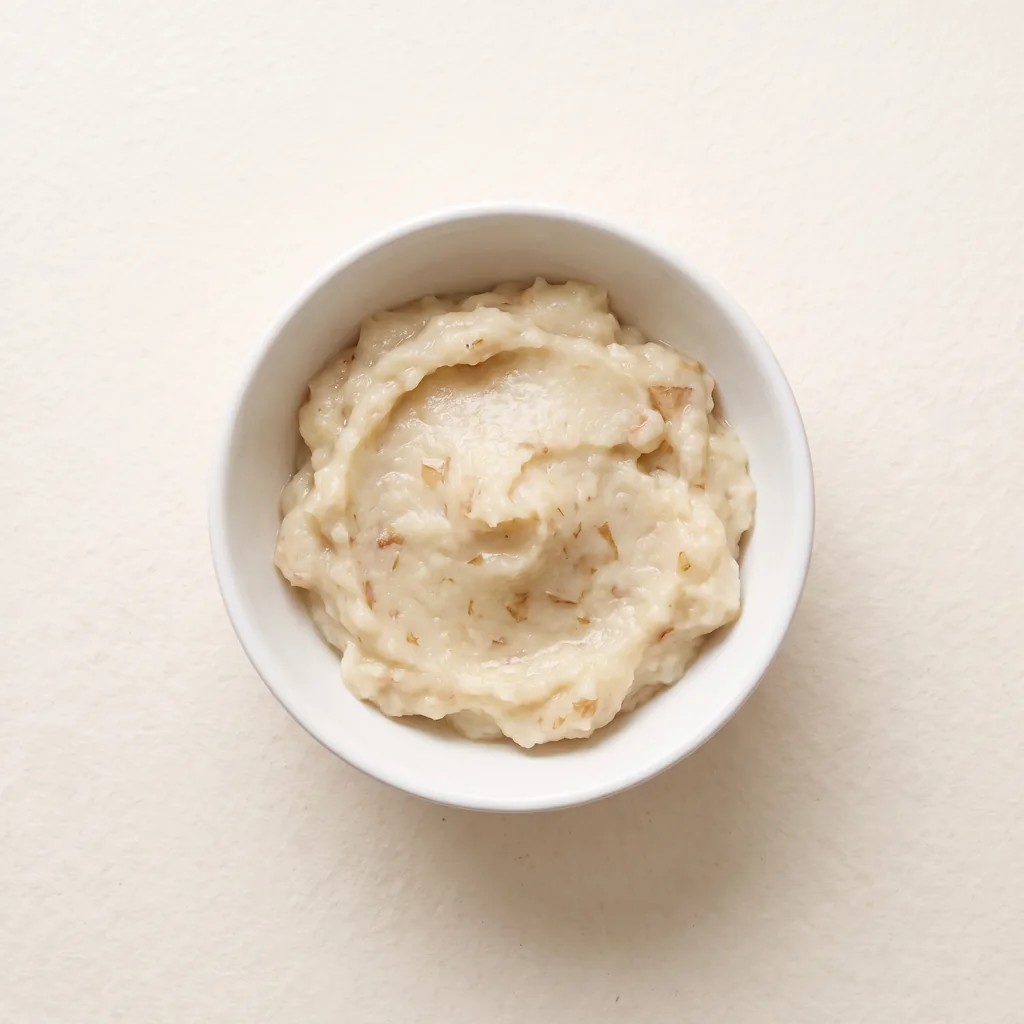
Sunchoke prepared for 6 months

Cut: Thick wedge

Wash the tuber and cook it. Once soft, cut thick wedges your baby can grip. If your baby breaks off a large piece, stay calm and give time to work it forward. Start with a small amount, because its fiber can cause gas.

Cut: Fork mashed

Mash the cooked tuber with a fork. Let your baby scoop it up by hand. If you like, add a few drops of lemon juice or vinegar. Acid may ease gas a little.
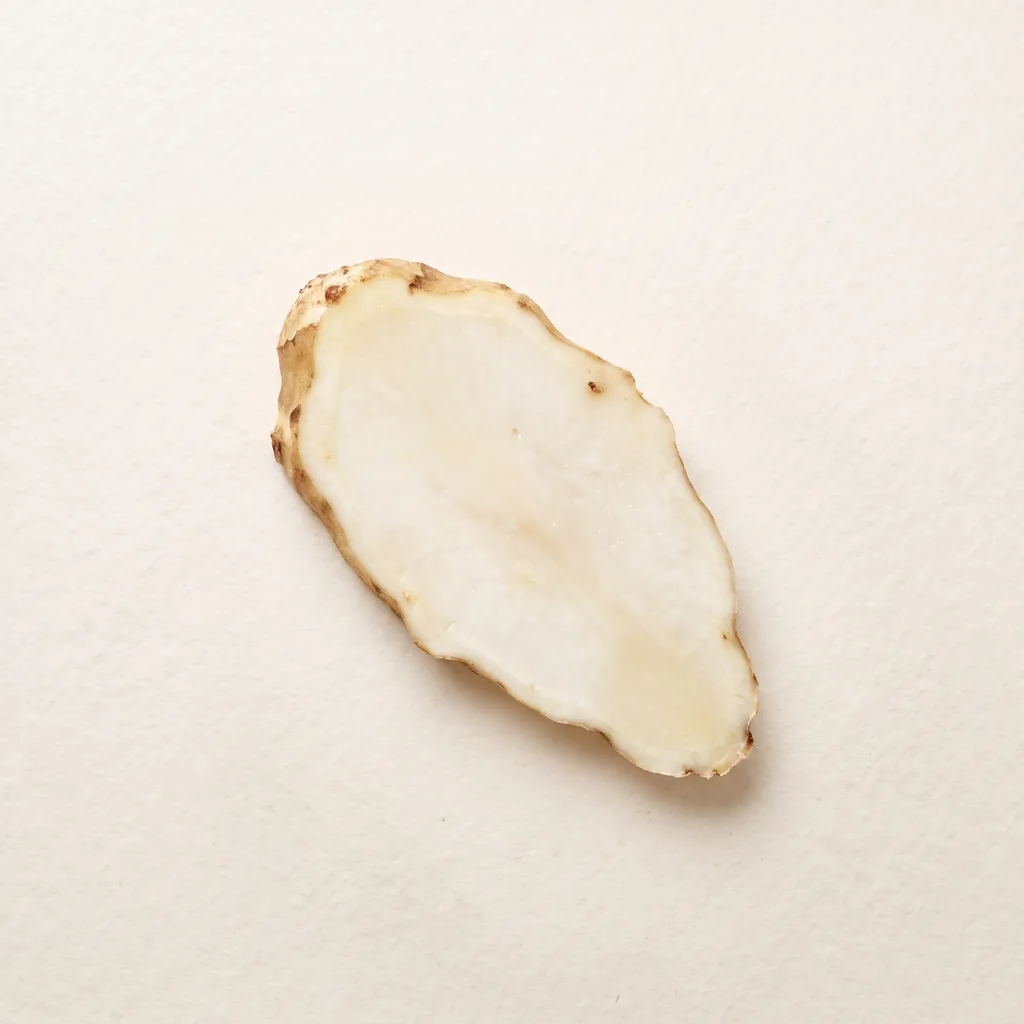
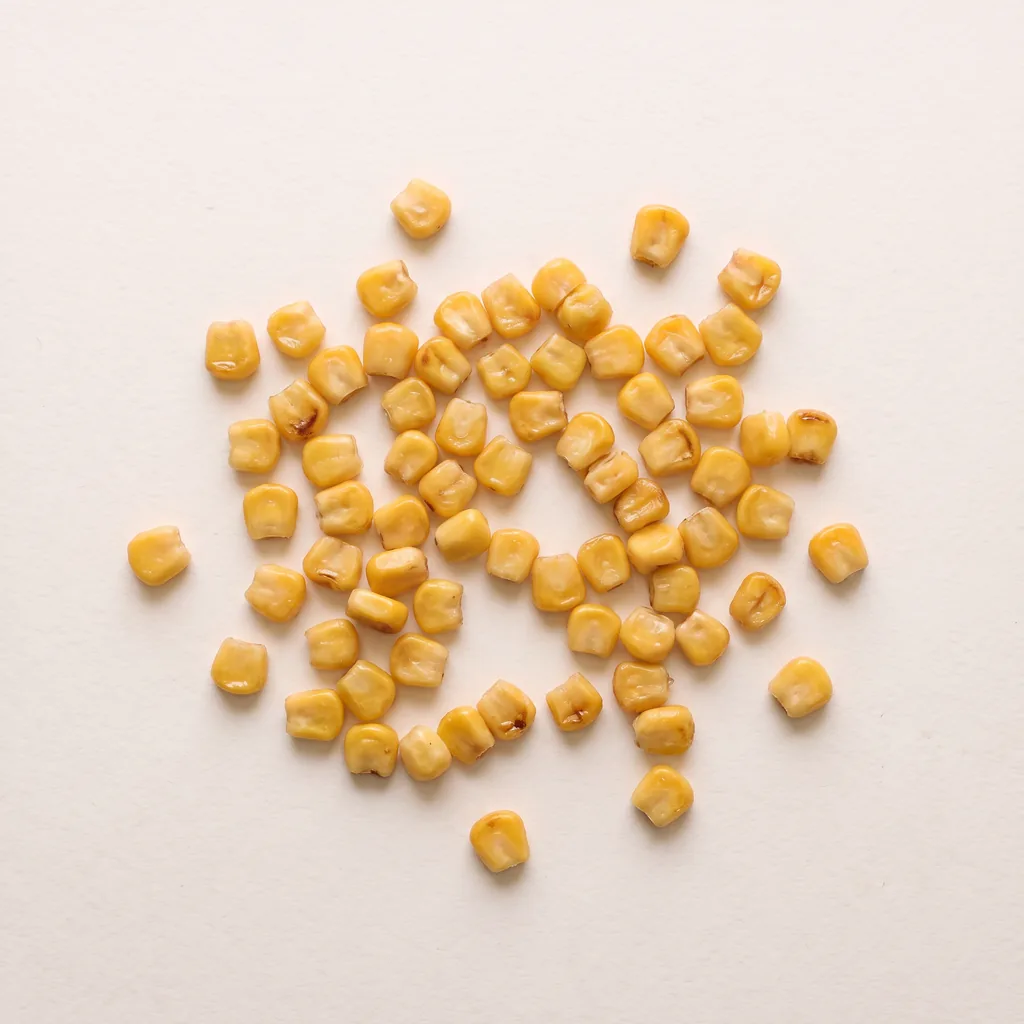
9 monthsCube

Cut: Bite sized piece

Chop soft-cooked tuber into bite-sized pieces. Stuffing the mouth is normal at this age. Offer a few pieces rather than one at a time so your baby learns how much fits. If chopping worries you, go back to mash.

12 monthsSlice

Sunchoke prepared for 12 months

Grate the raw tuber or slice it very thin. You can keep serving cooked bites by hand or with a fork. Peeled thin slices can be kept in vinegar in the fridge and offered as a tangy treat.

Choking risk

  1. Low
  2. Medium
  3. High

Raw or undercooked sunchoke is hard and crunchy, so it can be a choking risk for babies. Large pieces, thick slices and hard sticks in particular are not suitable.

When starting solids, cook sunchoke until it mashes easily with a fork. Serve it mashed, pureed, or as fully soft pieces that suit your baby's developmental skills.

If you serve raw sunchoke, it should be very finely grated and your child's chewing skills should be ready for it. For babies, cooked sunchoke is the safer choice.

Make sure your baby sits upright and safely during meals. Always stay beside them, within arm's reach.

Allergen information

Sunchoke is not a common food allergen. But allergic reactions have rarely been reported.

Sunchoke is in the daisy family (Asteraceae), the same family as the sunflower. Some plants in this family may share similar allergen proteins. But being in the same family does not mean a cross-allergy will always develop.

With some pollen allergies, cross-reactions to plant foods can happen. In pollen-food allergy syndrome, itching, tingling or mild swelling can occur in the mouth. Still, data supporting a clinically meaningful cross-allergy between birch pollen and sunchoke are limited.

Cooking may weaken some allergen proteins but does not fully stop allergic reactions.

When you offer sunchoke to your baby for the first time, start with a small amount and watch for signs of allergy. If you suspect a reaction, stop serving it and get medical advice. For serious signs such as trouble breathing or swelling of the tongue or throat, call emergency services right away.

Why can sunchoke cause gas?

Sunchoke is rich in a fermentable fiber called inulin. Inulin reaches the large intestine without being digested in the small intestine, and gut bacteria ferment it there. Gas can form during this process.

Some babies may have mild gas and bloating. But eating a large amount can cause tummy discomfort.

Cooking softens sunchoke but does not fully remove the inulin. Adding lemon juice or vinegar has not been shown to reliably reduce gas in babies.

Offer sunchoke in small amounts at first and increase as your baby tolerates it. Keep up milk and fluid intake suited to your baby's age. If digestive complaints are marked or ongoing, talk to your doctor or a dietitian.

Frequently asked questions

What age can babies eat sunchoke?

Sunchoke (Helianthus tuberosus) can be offered once your baby is about 6 months old and ready for solids. In the early days, serve it cooked until completely soft and mashed or pureed.

Is sunchoke a common allergen?

Sunchoke is not a common food allergen. But allergic reactions have rarely been reported.

How do you prepare sunchoke for babies?

For a 6-month-old: Wash the tuber and cook it. Once soft, cut thick wedges your baby can grip. If your baby breaks off a large piece, stay calm and give time to work it forward. Start with a small amount, because its fiber can cause gas.

Can sunchoke make a baby gassy?

Yes, it can. Sunchoke contains a fermentable fiber called inulin. Gas can form as gut bacteria break inulin down. Offer small amounts at first and increase them as your baby tolerates it.

Are the leaves and flowers edible too?

The leaves, stems and flowers of the sunchoke have some traditional uses. But there is not enough data on whether these parts are safe in a baby's diet. So it is better to offer your baby the well-cooked tuber of the plant.
Share:WhatsApp

Want to add this food to your baby's solid food calendar?

Join Lokmini to learn how this food is served at each age and to keep track of every food your baby tries.

Join Lokmini

Starting Solids

When and how to start solids, and what happens in the first week?

Read the guide

Similar foods

Let's get ready for the first bite together

Lokmini builds a day-by-day plan for your baby's age. Leave your email for new guides and our newsletter.

Start Your Journey