Skip to content

Dietitian's view

Sunflower seed should be given finely ground.

Uzm. Dyt. Berk AysanPrepared the latest update, November 14, 2026

Lokmini is not a healthcare provider and does not offer health services. For your baby's specific needs, talk to your doctor or a dietitian.

  • Nuts and seeds
  • 6 mo+
  • High choking risk

Sunflower seed for babies: when to start

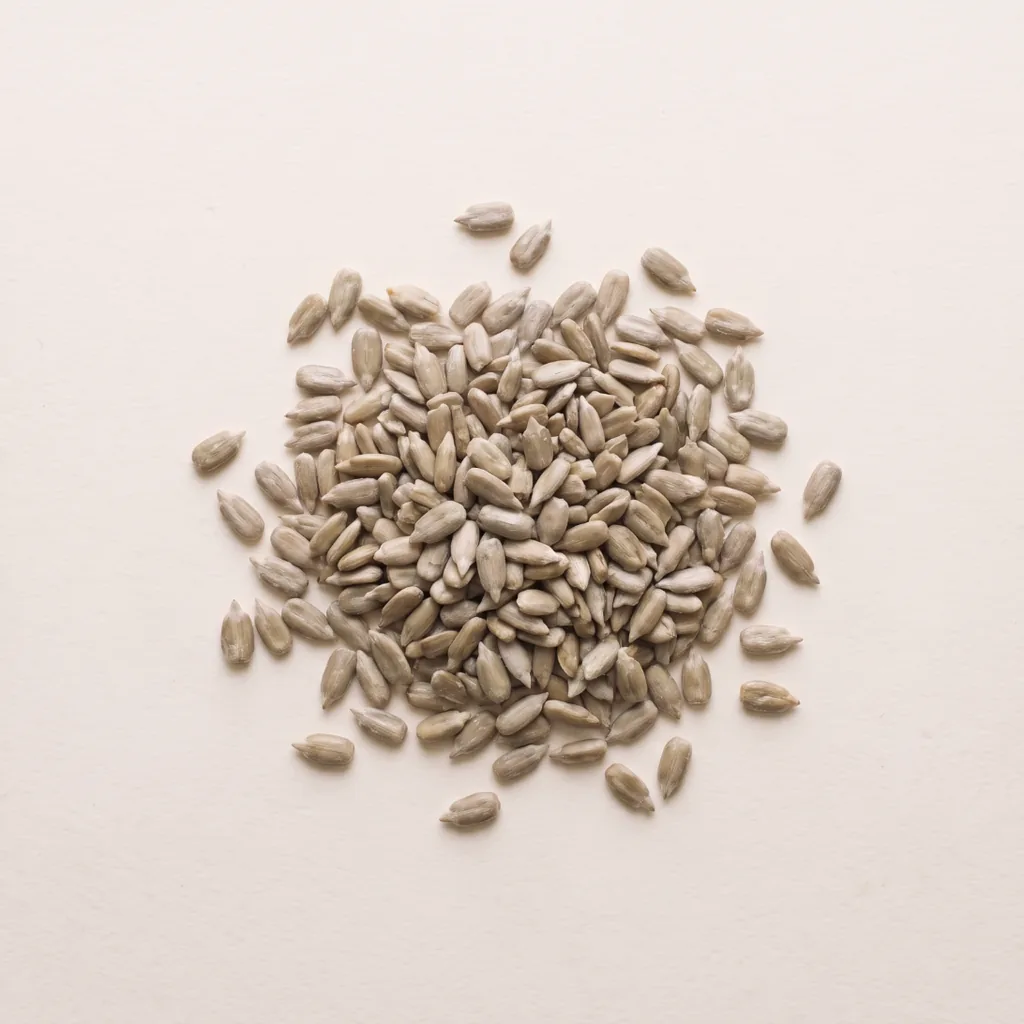
Sunflower seeds are the edible seeds of the sunflower plant (Helianthus annuus), which is native to the Americas. They can be eaten raw or roasted, and they are also used to make flour, butter and oil.

  • Protein
  • Healthy fats
  • Fiber
  • Iron
  • Selenium
  • Zinc
Sunflower seed prepared for a baby

About sunflower seed

When your baby is ready for solids, usually around 6 months, you can offer sunflower seeds finely ground or as a thinned, smooth butter.

Whole seeds, hard pieces and thick seed butters can be a choking risk for young children.

Nutrition

Sunflower seeds are rich in unsaturated fats, plant protein, fiber and vitamin E. They also contain vitamins B1 and B6, folate, magnesium, phosphorus, copper, selenium, zinc and iron.

Sunflower seeds are especially rich in linoleic acid, one of the essential omega-6 fatty acids.

The iron in the seeds comes from a plant source and may be poorly absorbed. So it should not be counted as your baby's main source of iron.

Also known as: ayçiçeği tohumu, ayçekirdeği, çiğ ayçiçeği çekirdeği, ayçiçeği ezmesi

  • Gluten-free
  • Vegan

How to prepare it by age

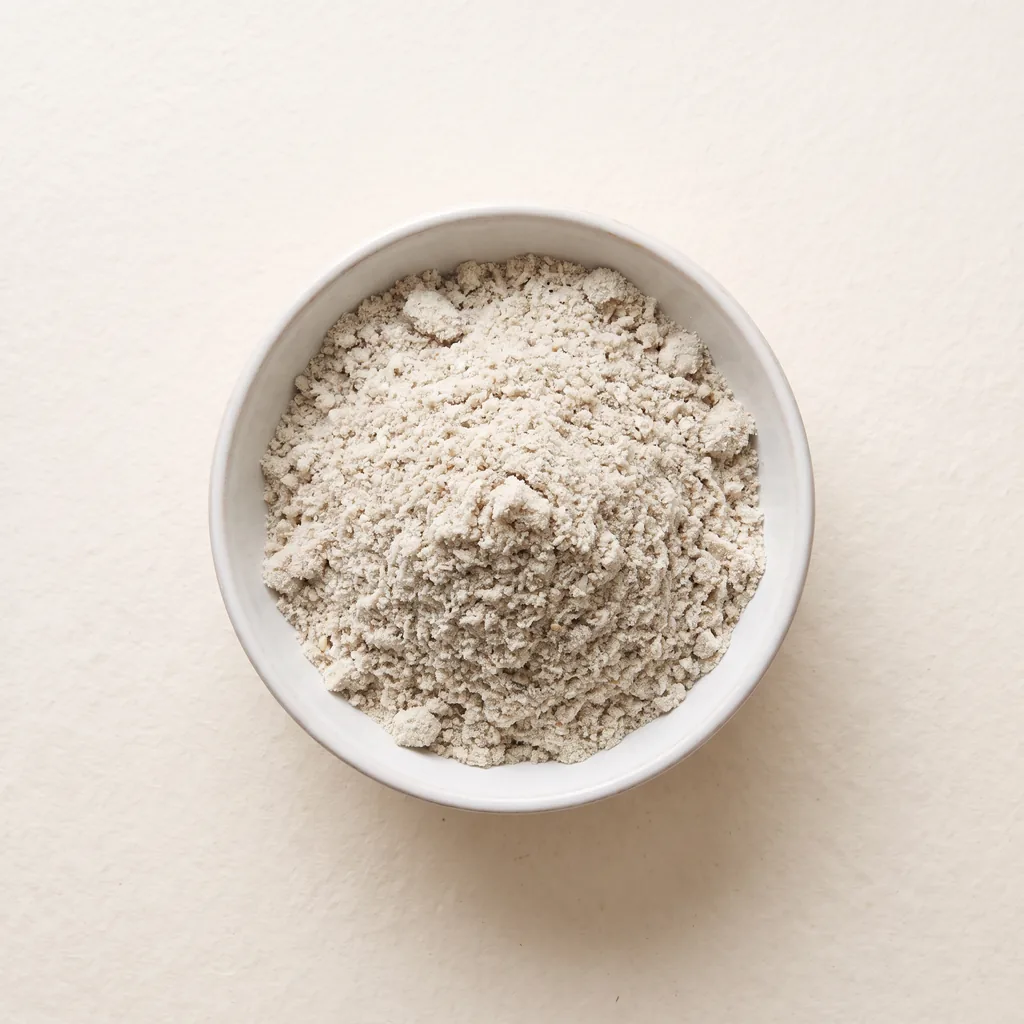
6 monthsMash

Sunflower seed prepared for 6 months

Cut: Ground

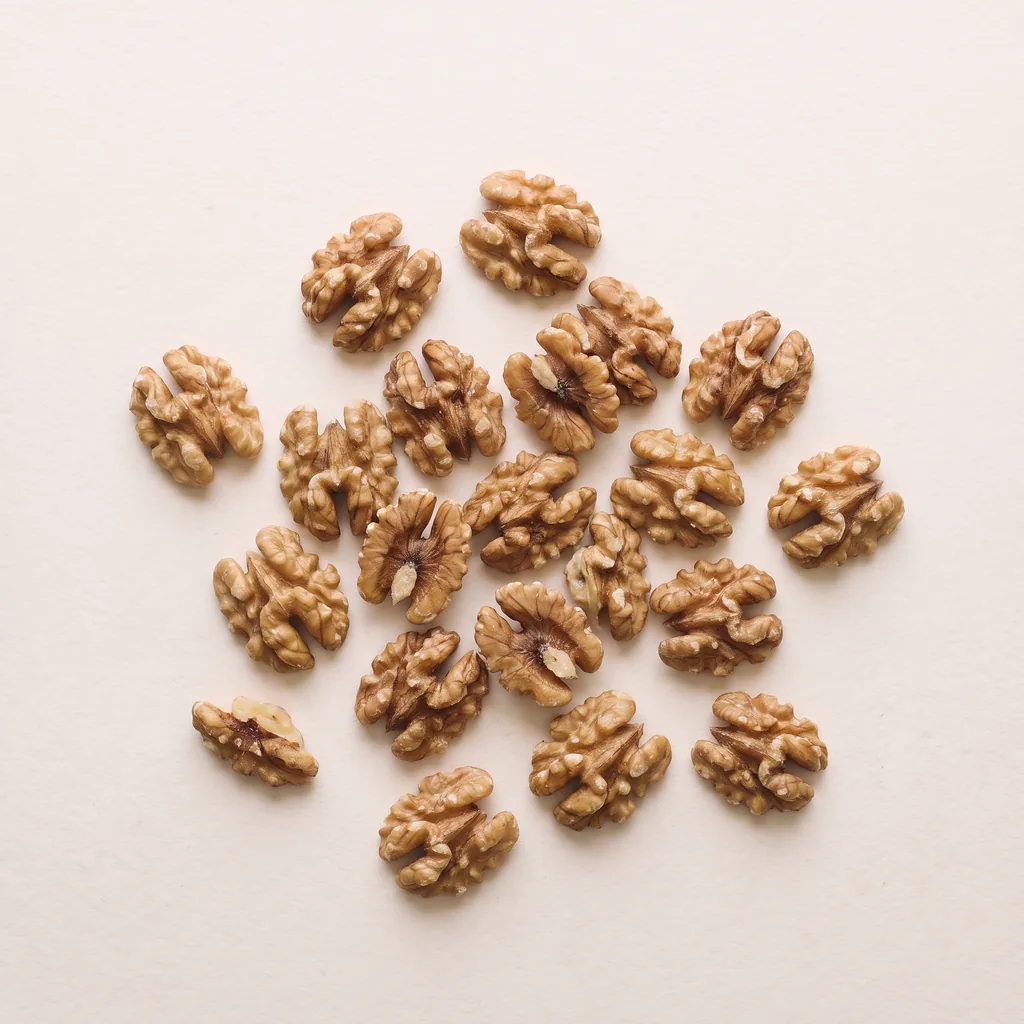
Grind hulled seeds in a food processor until nothing coarse is left. When you have no processor, crush the seeds in a mortar or wrapped in a cloth. Sprinkle the powder on yogurt, rice, squash or warm porridge. A smooth seed butter with no honey can also be loosened using applesauce, formula, breast milk, or water. Spread it very thinly on toast. Offer water in an open cup alongside.
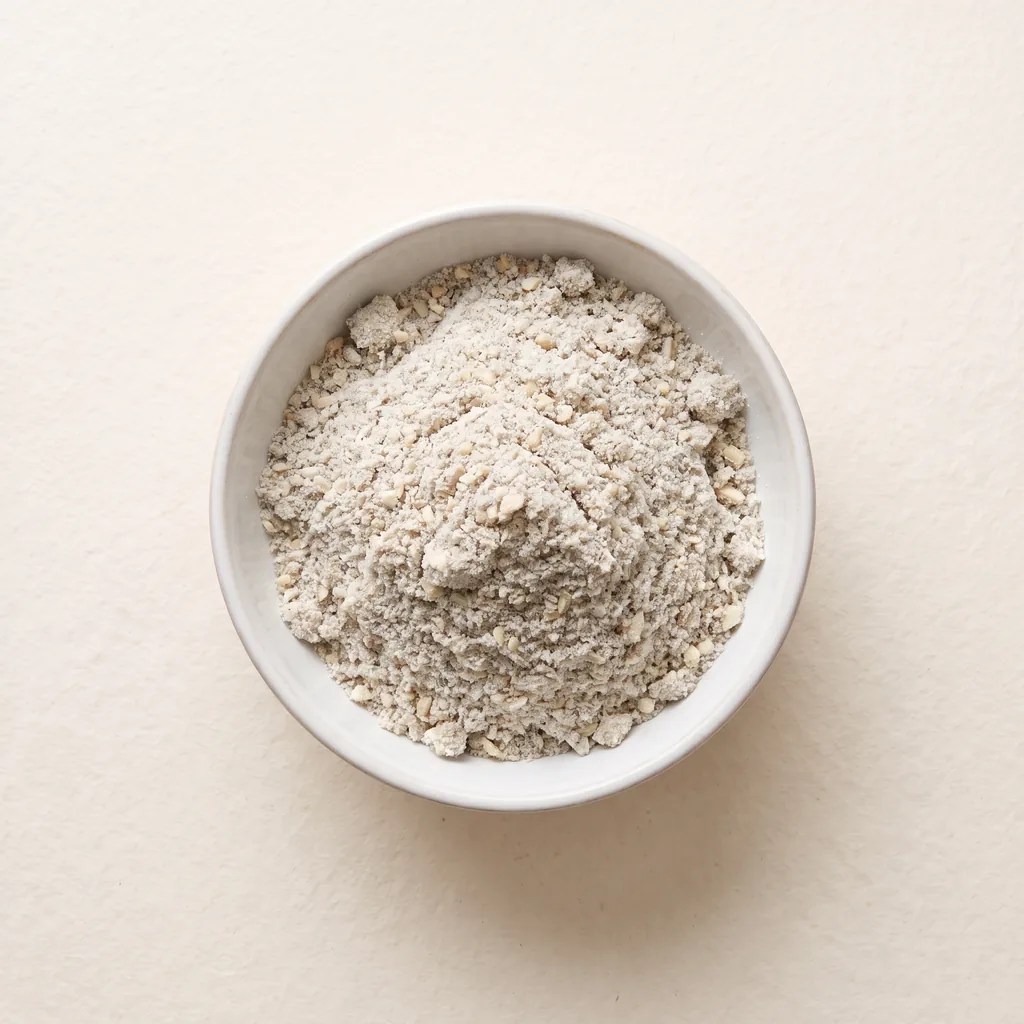
12 monthsCube

Sunflower seed prepared for 12 months

Cut: Ground

Sprinkle finely ground seeds over yogurt and warm porridge. Roll slippery foods such as sliced fruit in the powder. You can now serve smooth seed butter without thinning, but spread it thinly or mix it in thoroughly. Do not serve a spoonful alone. Thick clumps are sticky and raise the choking risk.

Choking risk

  1. Low
  2. Medium
  3. High

Sunflower seeds are small, hard and smooth, so they can be a choking risk for babies and young children.

Do not give whole seeds or large pieces. Grind the seeds finely and mix them into moist foods.

Thick seed butter can also form a sticky lump in the mouth that makes swallowing harder. Thin the butter well before serving.

Moving to whole seeds at 2 years of age is not recommended. Avoiding whole hard seeds is safer for young children.

Your child should sit upright throughout the meal and be watched at all times.

Whole seeds are a choking risk

Sunflower seeds are small and hard, so they can block a young child's airway. Do not give your baby whole seeds or large seed pieces. Choose finely ground seeds or thinned, smooth butter.

Allergen information

Sunflower seeds are not among the common, priority food allergens. Still, allergic reactions to sunflower seeds have been reported.

Signs of allergy can include an itchy mouth, hives or digestive upset. In rare cases, serious reactions can also happen.

If your baby has had a reaction to sunflower seeds before or has a known serious food allergy, talk to your doctor or a dietitian before the first try.

First try

Start with a small amount of finely ground seeds or thinned, smooth butter.

Watch for signs of allergy. If there are no problems, you can slowly increase the amount.

If widespread hives, swelling of the lips or tongue, repeated vomiting, wheezing or trouble breathing appear after eating, stop giving it. For signs of a serious reaction, call emergency services right away.

Frequently asked questions

Is sunflower seed a common allergen?

Sunflower seeds are not among the common, priority food allergens. Still, allergic reactions to sunflower seeds have been reported.

How do you prepare sunflower seed for babies?

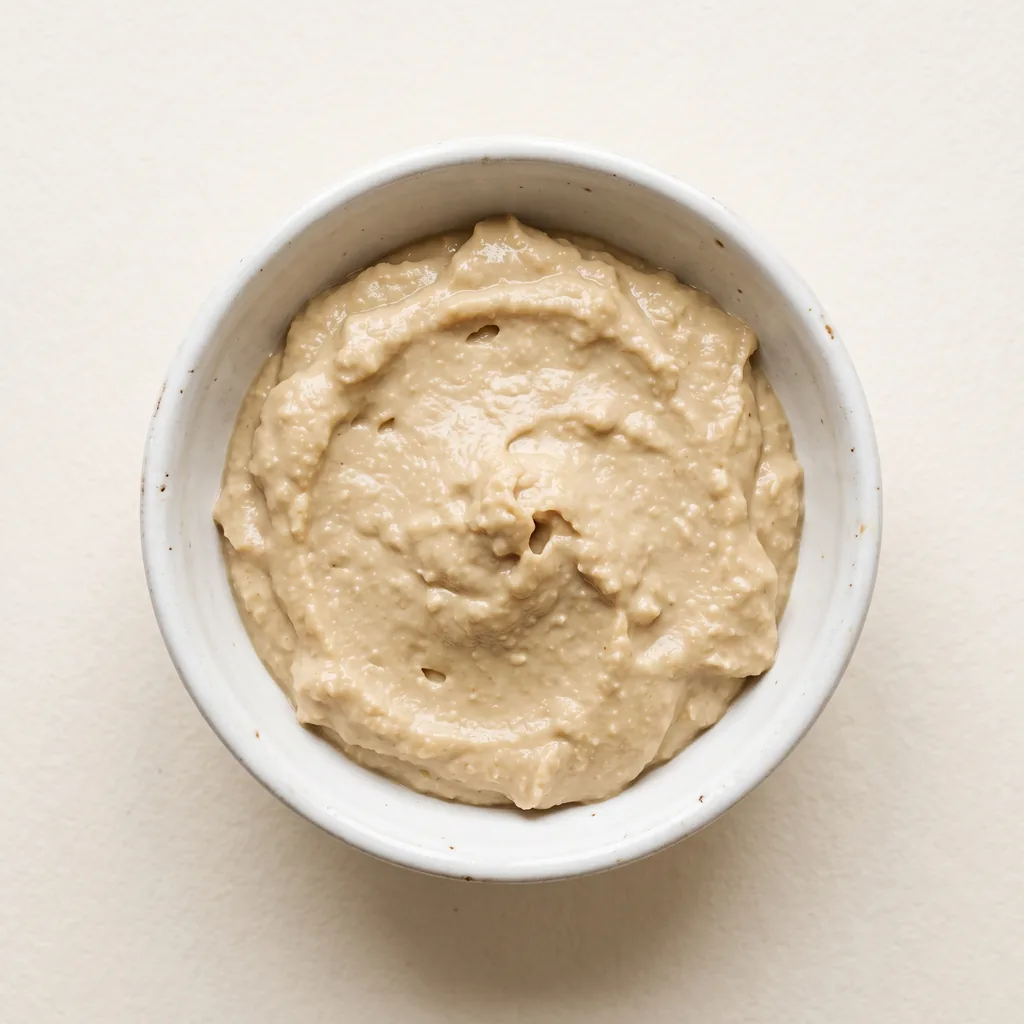
For a 6-month-old: Grind hulled seeds in a food processor until nothing coarse is left. When you have no processor, crush the seeds in a mortar or wrapped in a cloth. Sprinkle the powder on yogurt, rice, squash or warm porridge. A smooth seed butter with no honey can also be loosened using applesauce, formula, breast milk, or water. Spread it very thinly on toast. Offer water in an open cup alongside.
Is sunflower seed a choking hazard for babies?

Sunflower seeds are small, hard and smooth, so they can be a choking risk for babies and young children.

When can a baby eat sunflower seeds?

Once your baby is ready for solids, usually around 6 months, they can have sunflower seeds finely ground or as a thinned, smooth butter. Moving to whole seeds at 2 years of age is not considered safe.

How do I grind the seeds at home?

Grind hulled seeds in a food processor, coffee grinder or suitable seed grinder until fully fine. Make sure no hard pieces remain. Pounding with a mortar alone may not make them fine enough.

Can I give salted roasted seeds?

Salted seeds are not suitable for babies. Choose raw or unsalted roasted hulled seeds and prepare them in a safe texture.
Share:WhatsApp

Want to add this food to your baby's solid food calendar?

Join Lokmini to learn how this food is served at each age and to keep track of every food your baby tries.

Join Lokmini

Starting Solids

When and how to start solids, and what happens in the first week?

Read the guide

Similar foods

Let's get ready for the first bite together

Lokmini builds a day-by-day plan for your baby's age. Leave your email for new guides and our newsletter.

Start Your Journey