Skip to content

Uzm. Dyt. Berk AysanPrepared the latest update, November 14, 2026

Lokmini is not a healthcare provider and does not offer health services. For your baby's specific needs, talk to your doctor or a dietitian.

  • Vegetables
  • 6 mo+
  • Low choking risk

Swiss chard for babies: when to start

Swiss chard can be offered once your baby is about 6 months old and ready for solids. Before serving, wash it well, cook it and make sure the leaves are completely soft.

  • Vitamin K
  • Vitamin A
  • Vitamin E
  • Iron
  • Magnesium
  • Potassium
Swiss chard prepared for a baby

About Swiss chard

Swiss chard belongs to the same plant family (Amaranthaceae) as beet and spinach. Both its leaves and stalks can be eaten. Varieties have green leaves and white, yellow or red stalks.

It is known as Swiss chard in English, but it comes from the Mediterranean region, not Switzerland. It is called acelga in Spanish, bette in French, Mangold in German and silverbeet in Australian English.

Nutrition

Swiss chard is a leafy vegetable especially rich in vitamin K and in carotenoids the body can convert into vitamin A. It also contains fiber, vitamin C, vitamin E, folate, magnesium and potassium. It provides iron and calcium too.

Chard naturally contains oxalates, which can reduce how well some minerals, especially calcium, are absorbed from the gut. So do not think of chard as your baby's only or main source of iron and calcium.

Chard also contains various carotenoids and phenolic compounds. These compounds may have antioxidant properties, but there is not enough clinical evidence that eating chard gives babies any specific health benefit.

Also known as: acelga, mangold, pazı, silverbeet, İsviçre pazısı

  • Gluten-free
  • Vegan

How to prepare it by age

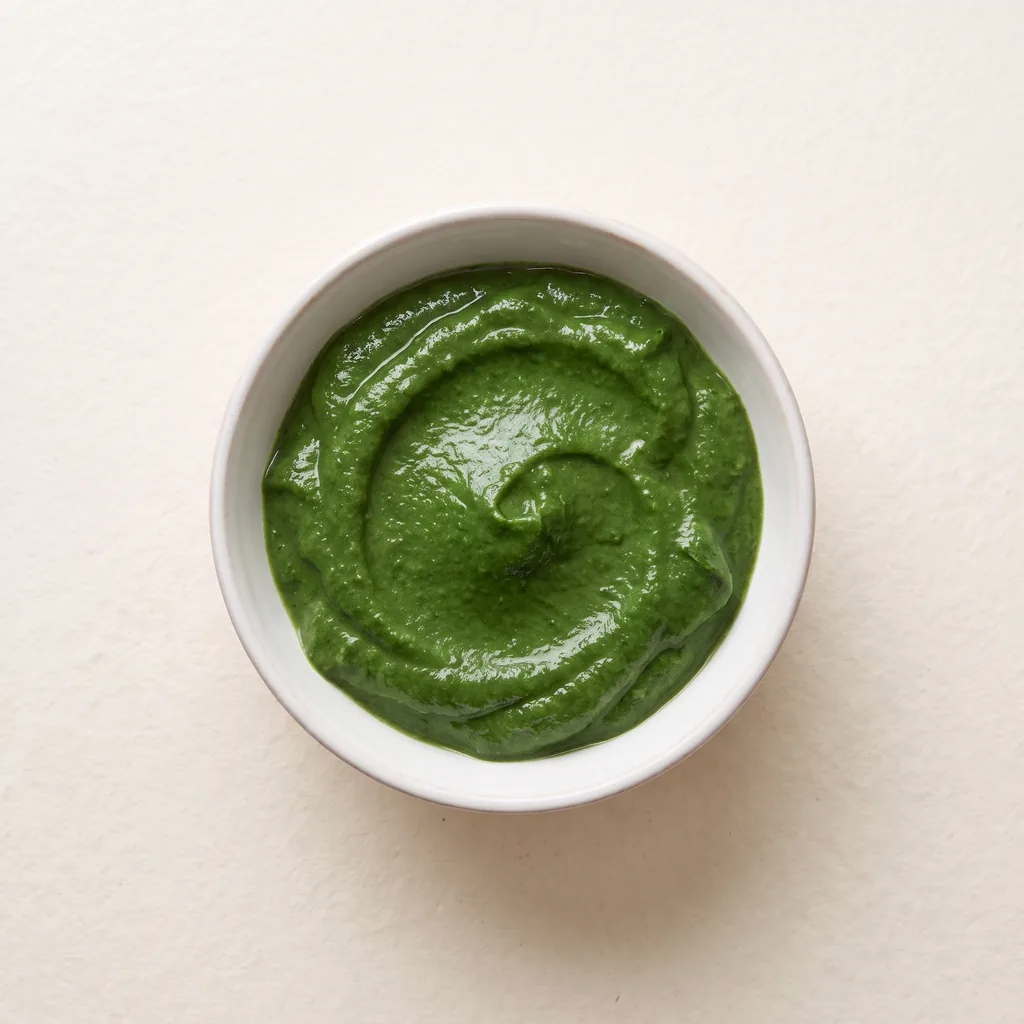
6 monthsMash

Swiss chard prepared for 6 months

Cut: Finely chopped

Separate the leaves from the stalks and wash them well. Cook until soft, chop finely and stir into yogurt, vegetable purée or oatmeal. Leafy greens contain nitrate. Do not give before 6 months, and serve freshly cooked rather than stored.
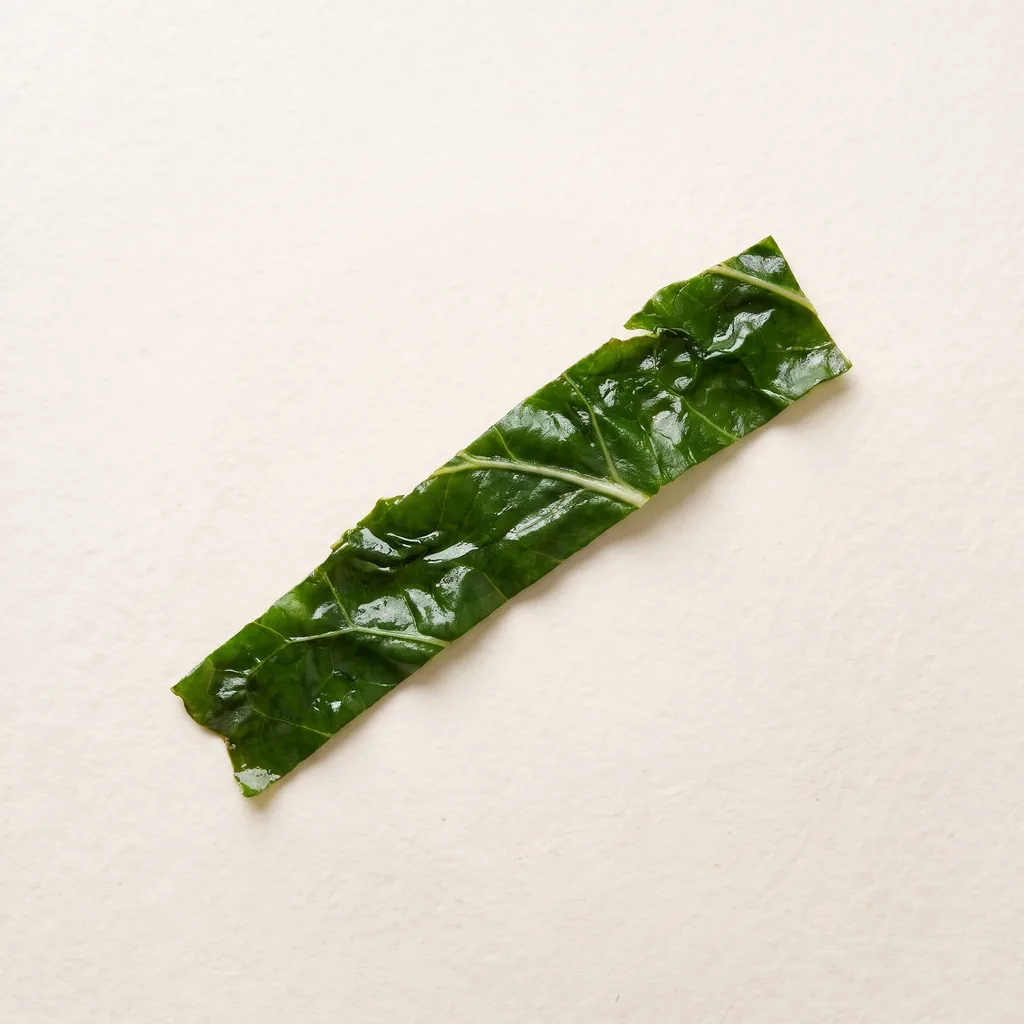
9 monthsStrip

Cut: Finely chopped

Cut cooked chard leaves into thin ribbons and mix them into rice or egg. Cook the thick stalk separately until soft and serve it in small pieces.

12 monthsStrip

Swiss chard prepared for 12 months

Cut: Finger strip

Serve chard as cooked ribbons, alone or within a dish. You can set aside a portion of lightly salted home dishes such as chard rolls or chard with yogurt.

Choking risk

  1. Low
  2. Medium
  3. High

Well-cooked, properly prepared Swiss chard leaves usually carry a low choking risk. But thick, firm, fibrous chard stalks can be hard for babies to chew and swallow.

To lower the choking risk, cook chard until completely soft. You can chop the leaves finely and mix them with purees, yogurt or other soft foods. If you use the stalks, remove the tough strings, cook them well and prepare them in small pieces that suit your baby's eating skills.

Leaf bits can sometimes stick to your baby's tongue or palate and trigger the gag reflex. Gagging can happen while babies learn to control food in their mouths. But being unable to breathe, make a sound or cough effectively can be signs of choking and need emergency action.

Your baby should sit upright while eating, with an adult always within arm's reach.

Stalks

Cook stalks until soft. Do not serve raw stalk before 24 months.

Allergen information

Swiss chard is not a common food allergen. Allergic reactions to chard have rarely been reported.

In people sensitive to certain pollens, cross-allergic reactions with plant foods can happen. These reactions can show up as an itchy or burning mouth or mild lip swelling. But evidence on whether chard cross-reacts with specific pollens, and how often this happens in babies, is limited.

Cooking some plant foods can reduce the effect of heat-sensitive allergen proteins. But cooking does not stop every allergic reaction.

When you offer chard for the first time, start with a small amount. If you see no allergy signs, you can increase the amount at later meals.

If you see signs such as hives, repeated vomiting or lip swelling, stop giving chard and get a medical assessment. If you see serious signs such as trouble breathing or swelling of the tongue or throat, call emergency services right away.

Nitrate Content

Swiss chard is one of the leafy vegetables that naturally contain nitrate. Nitrate can turn into nitrite in the body, and high exposure can cause methemoglobinemia, which lowers the blood's ability to carry oxygen.

Babies younger than 3 months are especially sensitive to this. Some gastrointestinal infections and certain health problems can also raise the risk.

Healthy babies who are about 6 months old and ready for solids can have chard in suitable amounts as part of a varied diet. But rather than giving large portions of nitrate-rich vegetables every day, it is better to vary between different vegetables.

Pay attention to hygiene and storage when preparing chard. Do not leave cooked chard at room temperature for long. Cool leftovers quickly and put them in the fridge.

Nitrate content can vary with how the vegetable is grown, stored and prepared. So it is not possible to give an exact nitrate amount for each portion of chard or a completely risk-free limit.

Frequently asked questions

What age can babies eat Swiss chard?

Swiss chard can be offered once your baby is about 6 months old and ready for solids. Before serving, wash it well, cook it and make sure the leaves are completely soft.

Is Swiss chard a common allergen?

Swiss chard is not a common food allergen. Allergic reactions to chard have rarely been reported.

How do you prepare Swiss chard for babies?

For a 6-month-old: Separate the leaves from the stalks and wash them well. Cook until soft, chop finely and stir into yogurt, vegetable purée or oatmeal. Leafy greens contain nitrate. Do not give before 6 months, and serve freshly cooked rather than stored.
Is Swiss chard a choking hazard for babies?

Well-cooked, properly prepared Swiss chard leaves usually carry a low choking risk. But thick, firm, fibrous chard stalks can be hard for babies to chew and swallow.

Can I give the chard stalk to my baby?

Yes. You can offer Swiss chard stalks to your baby, but they can be firmer and more fibrous than the leaves. Cook the stalks until completely soft, remove the tough strings and prepare them in small pieces that suit your baby's chewing skills. Avoid giving thick, tough stalks whole. Always stay with your baby while they eat.

Should I worry about nitrate in chard?

Swiss chard naturally contains nitrate. For healthy babies who are about 6 months old and ready for solids, eating it in suitable amounts as part of a varied diet usually does not pose a significant risk. But high nitrate exposure can affect the blood's ability to carry oxygen, especially in very young babies. So rather than serving large portions of chard every day, vary it with other vegetables. Try to serve cooked chard fresh. Do not leave leftovers at room temperature. Cool them quickly and put them in the fridge.

Can I serve chard raw?

It is better to serve Swiss chard cooked, especially when your baby is just starting solids. Raw leaves can be hard to chew, and raw stalks can pose a choking risk because they are firm and fibrous. Raw leafy vegetables can also carry harmful germs such as E. coli. Wash chard well under running water before preparing it, and cook it until completely soft before serving it to your baby.
Share:WhatsApp

Want to add this food to your baby's solid food calendar?

Join Lokmini to learn how this food is served at each age and to keep track of every food your baby tries.

Join Lokmini

Starting Solids

When and how to start solids, and what happens in the first week?

Read the guide

Similar foods

Let's get ready for the first bite together

Lokmini builds a day-by-day plan for your baby's age. Leave your email for new guides and our newsletter.

Start Your Journey