Skip to content

Dietitian's view

Straw mushroom is a mushroom specific to Asian cuisine.

Lokmini is not a healthcare provider and does not offer health services. For your baby's specific needs, talk to your doctor or a dietitian.

  • Vegetables
  • 6 mo+
  • High choking risk

Straw mushroom for babies: when to start

Straw mushrooms, once cooked, can be offered when baby is ready for solids, around 6 months. Never feed baby foraged mushrooms unless you are an expert mycologist, since poisonous look-alikes grow wild.

  • Iron
  • Zinc
  • Folate
  • Fiber
  • Ergothioneine
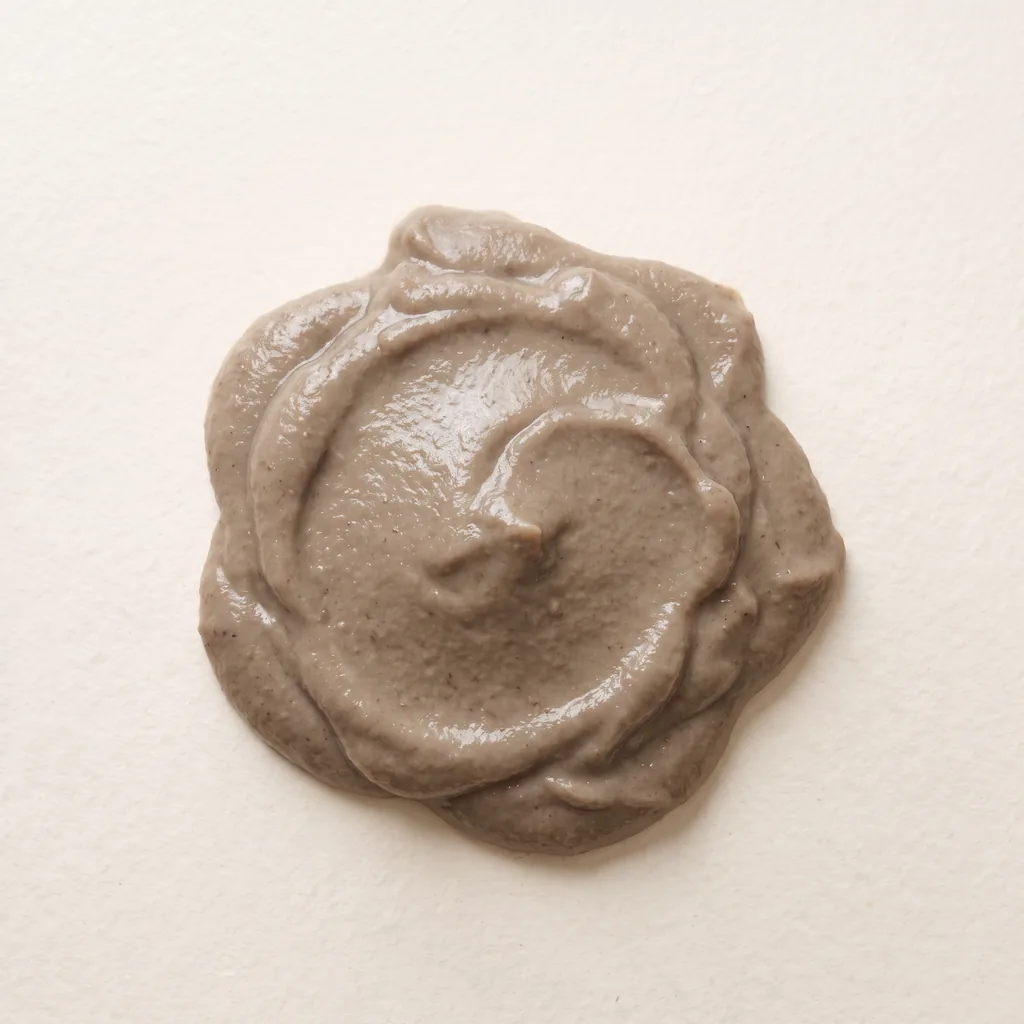
Straw mushroom prepared for a baby

About straw mushroom

Where it comes from

Straw mushrooms, also called paddy straw mushrooms, are native to East and Southeast Asia. They like the hot, wet setting of rice paddies and grow on the cut straw of rice plants. Where they are grown, they are sold fresh, often unpeeled, when they look like a small brown egg. They spoil very fast, so outside those regions they are usually found canned or dried.

Nutrition

They are rich in iron, zinc, folate, and fiber. They also contain ergothioneine, an antioxidant. They give fiber and fluid and carry prebiotics. Add fiber-rich foods slowly and regularly. A little gas or loose stool shows the digestive system adjusting.

Also known as: straw mushroom, pirinç sapı mantarı, çeltik mantarı, volvariella, asya mantarı

  • Gluten-free
  • Vegan
  • Mushroom

How to prepare it by age

6 monthsMash

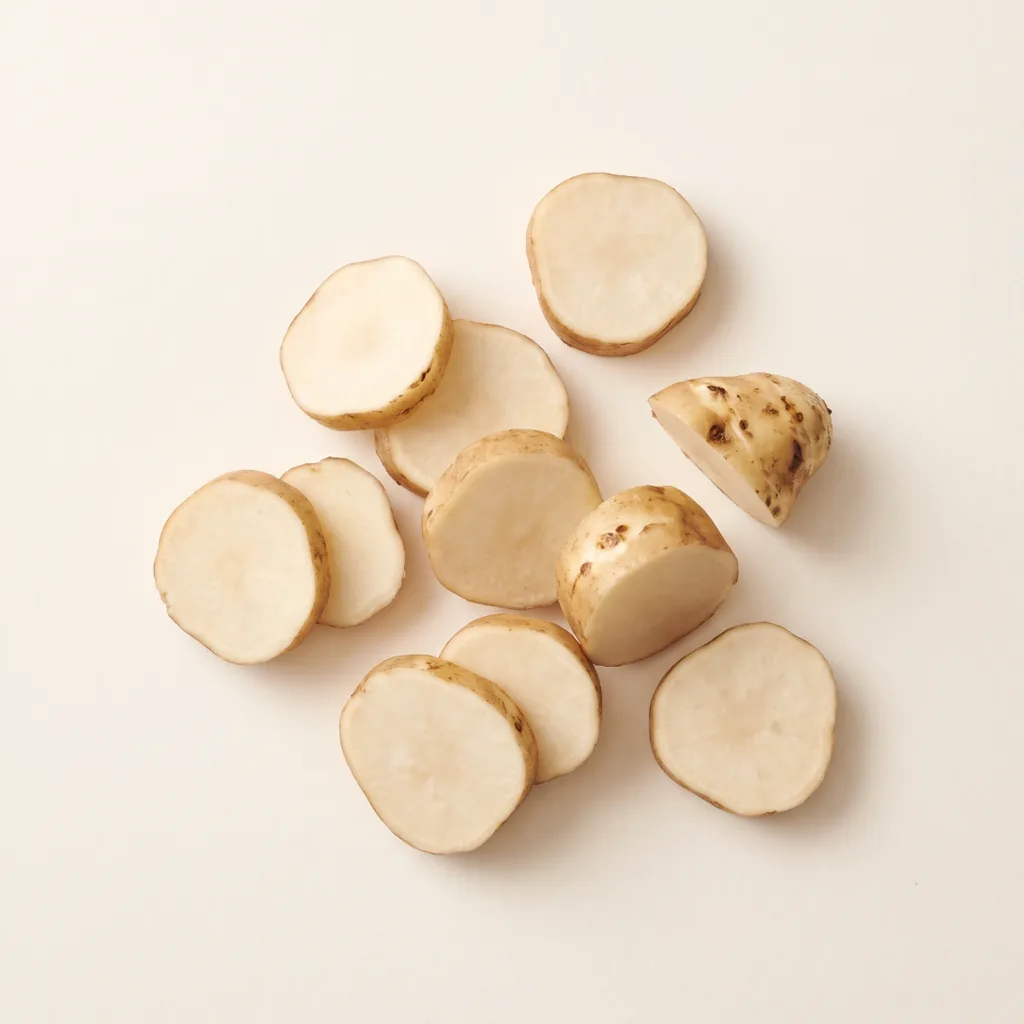
Straw mushroom prepared for 6 months

Cut: Finely chopped

Chop canned or cooked mushrooms very finely. Mix them into foods that are easy to grab or scoop, like rice porridge, egg strips, a vegetable mash, or noodles. Make sure no piece stays round, to cut choking risk. Choose fresh or rehydrated dried mushrooms where possible, since canned ones can be high in sodium.
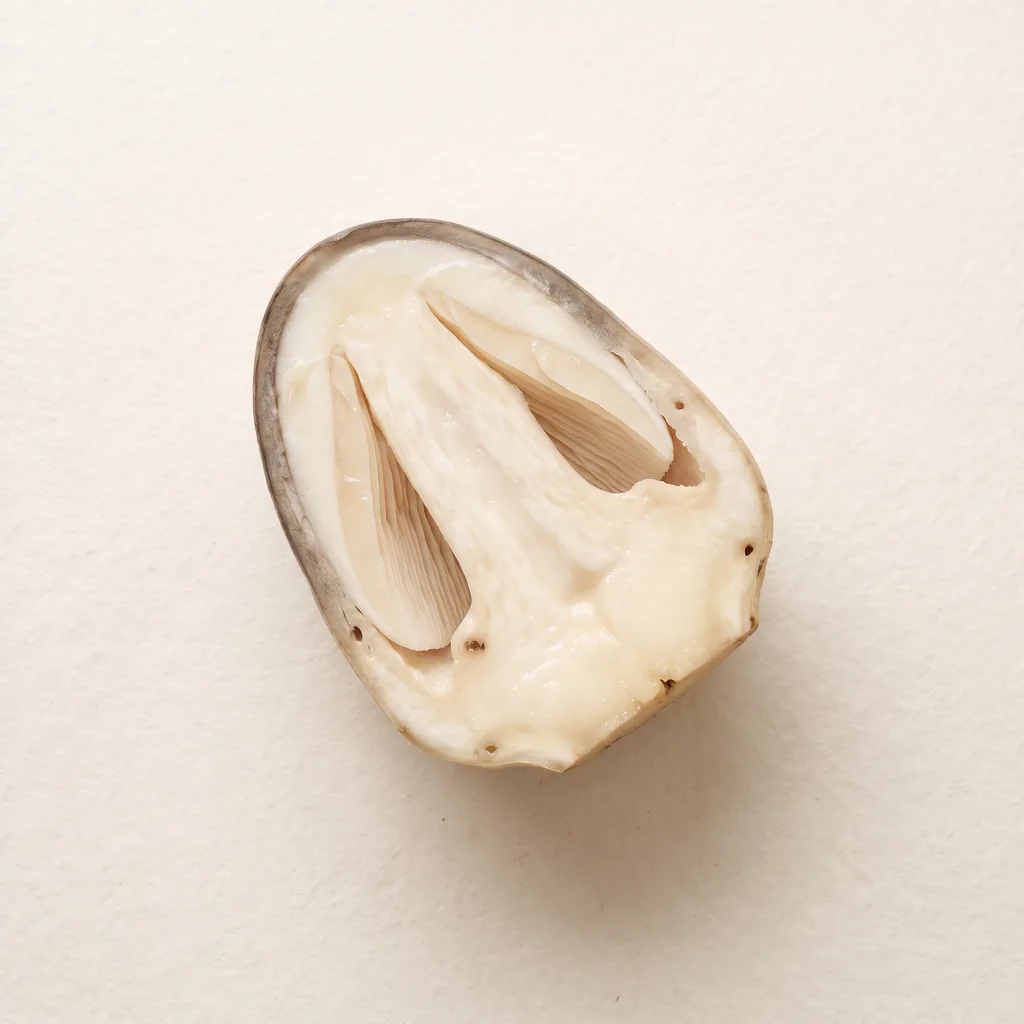
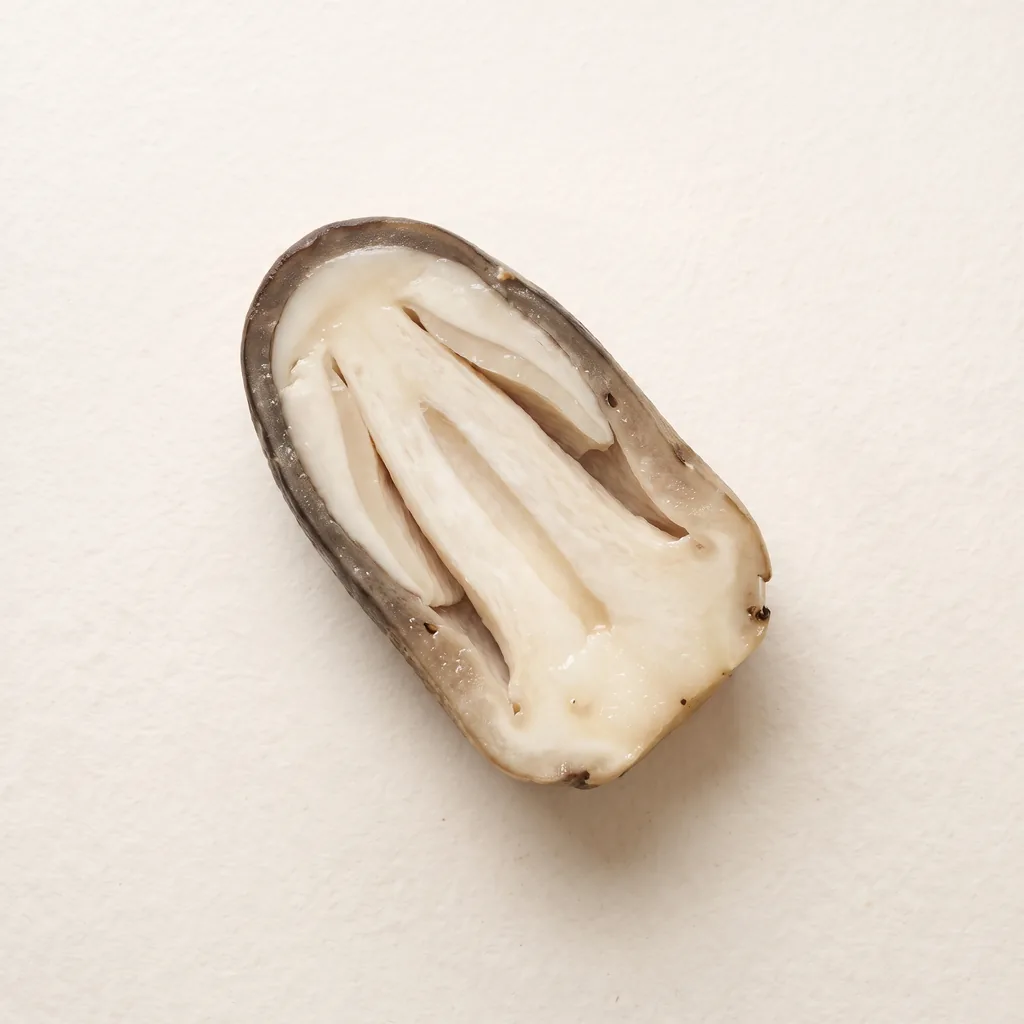
9 monthsCube

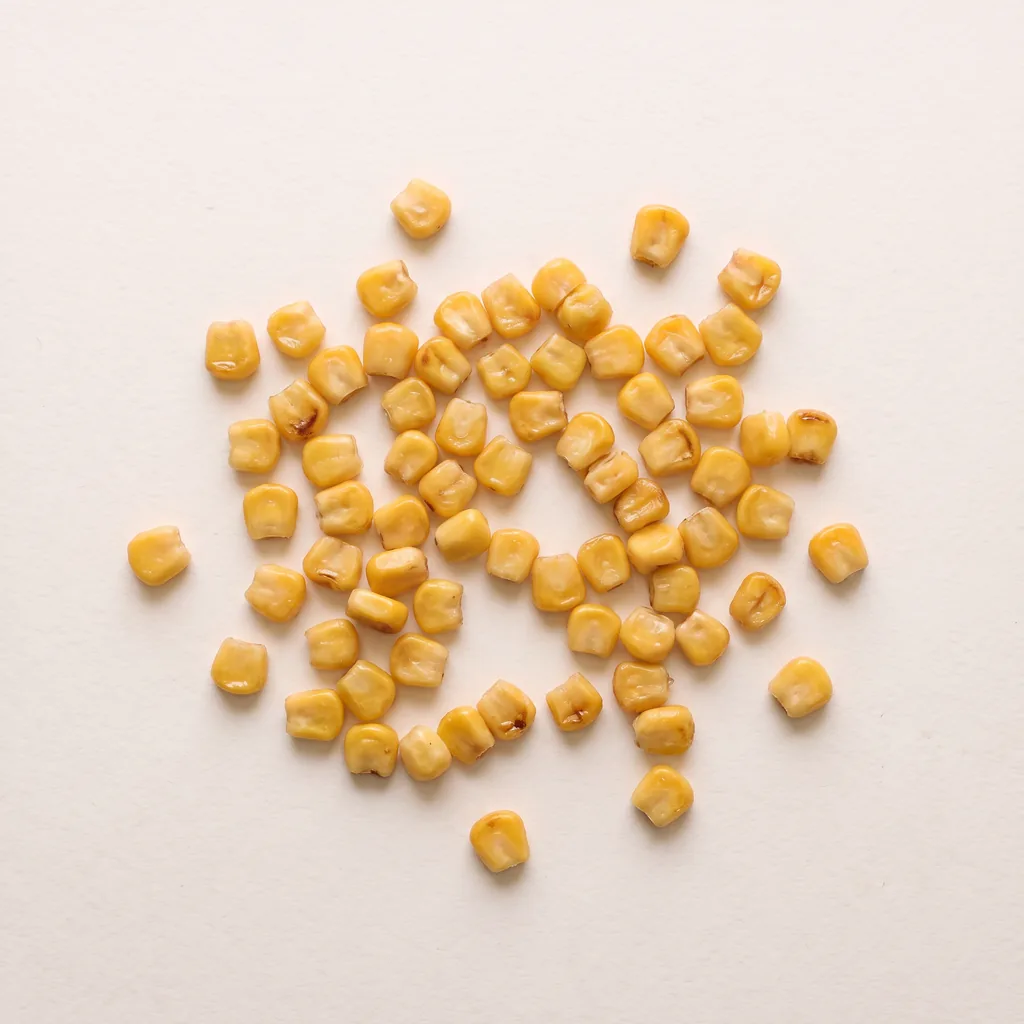
Straw mushroom prepared for 9 months

Chop cooked mushrooms and stir them into other foods, or serve alone for pincer practice. Make sure no piece is round any more.

12 monthsStrip

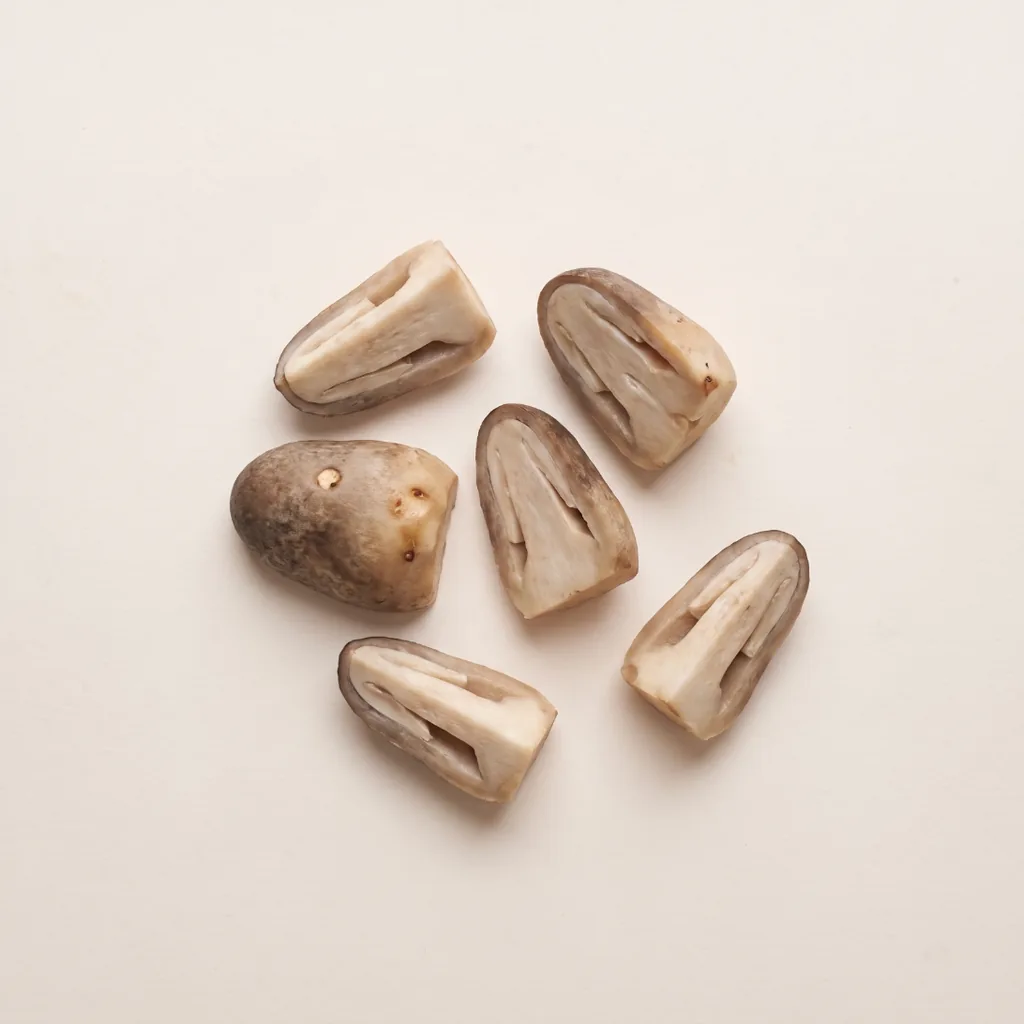
Straw mushroom prepared for 12 months

Serve cooked mushrooms in thin slices or small chopped pieces, leaving nothing round. Halved or whole mushrooms come only after about 18 months, when chewing skills are mature, in a safe seated setting.

Choking risk

  1. Low
  2. Medium
  3. High

Straw mushrooms are small, slippery, and round, which gives a high choking risk.

To lower the risk, slice or chop the mushrooms so none stay round, and cook them well. Set up a safe eating space and stay beside your baby.

Allergen information

Straw mushrooms are not a common allergen. Mushroom allergy is rare but not unheard of. Anaphylaxis has been reported, along with rashes among people who handle mushrooms. Mushrooms also hold chitin, a carbohydrate found in shellfish and insects that may add to an allergic reaction in some people.

Related conditions

People with oral allergy syndrome, especially those sensitive to mold, may also react to mushrooms. That means short-lived itching in the mouth, with no dangerous reaction expected. Cooking can lessen or even remove the reaction.

Sulfites

Dried straw mushrooms may be preserved with sulfites. Sulfites are not a common allergen, but some people, particularly those with asthma, get allergy-like reactions to added sulfites. If sulfites worry you, avoid labels listing sulfur dioxide, potassium bisulfite, potassium metabisulfite, sodium bisulfite, sodium metabisulfite, or sodium sulfite.

When introducing

As with any new food, give a small amount for the first few meals. Raise it slowly if there is no reaction.

Frequently asked questions

What age can babies eat straw mushroom?

Straw mushrooms, once cooked, can be offered when baby is ready for solids, around 6 months. Never feed baby foraged mushrooms unless you are an expert mycologist, since poisonous look-alikes grow wild.

Is straw mushroom a common allergen?

Straw mushrooms are not a common allergen. Mushroom allergy is rare but not unheard of. Anaphylaxis has been reported, along with rashes among people who handle mushrooms. Mushrooms also hold chitin, a carbohydrate found in shellfish and insects that may add to an allergic reaction in some people.

How do you prepare straw mushroom for babies?

For a 6-month-old: Chop canned or cooked mushrooms very finely. Mix them into foods that are easy to grab or scoop, like rice porridge, egg strips, a vegetable mash, or noodles. Make sure no piece stays round, to cut choking risk. Choose fresh or rehydrated dried mushrooms where possible, since canned ones can be high in sodium.
Is straw mushroom a choking hazard for babies?

Straw mushrooms are small, slippery, and round, which gives a high choking risk.

Can babies eat raw straw mushrooms?

No. Raw mushrooms carry a Salmonella and Listeria risk. Always cook them.

Can I give foraged mushrooms?

No. Poisonous look-alikes are common, notably the death cap. Buy from a reliable source.

Is canned mushroom fine?

Canned and pickled kinds can hold more sodium than a baby needs. Prefer fresh or rehydrated dried mushrooms.

Can mushrooms help babies poop?

Yes, they give fiber, fluid, and prebiotics that can support the gut. Stool patterns vary widely. Ask your pediatrician if you are worried.

Prepared by the Lokmini team | Last updated November 17, 2026

Share:WhatsApp

Want to add this food to your baby's solid food calendar?

Join Lokmini to learn how this food is served at each age and to keep track of every food your baby tries.

Join Lokmini

Starting Solids

When and how to start solids, and what happens in the first week?

Read the guide

Similar foods

Let's get ready for the first bite together

Lokmini builds a day-by-day plan for your baby's age. Leave your email for new guides and our newsletter.

Start Your Journey